
1 / 11
1. The Shield
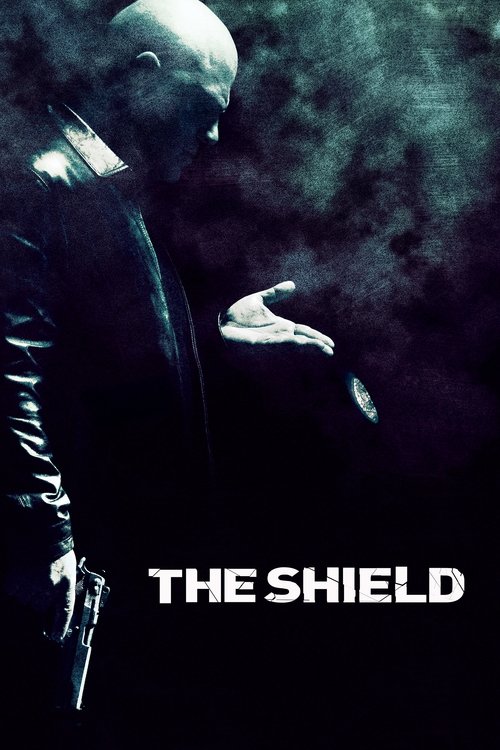
Forget your neat network procedurals. The Shield dropped us into a morally gray world where the cops were as dirty as the criminals, maybe dirtier. FX, stepping up, let Shawn Ryan build a long-form story about consequences, loyalty, and the slow unraveling of a team. This wasn't just edgy; it was a gut punch, proving cable could do character depth and serialized tension like no one else. Gritty, intense, and utterly compelling.
2 / 11
2. Six Feet Under
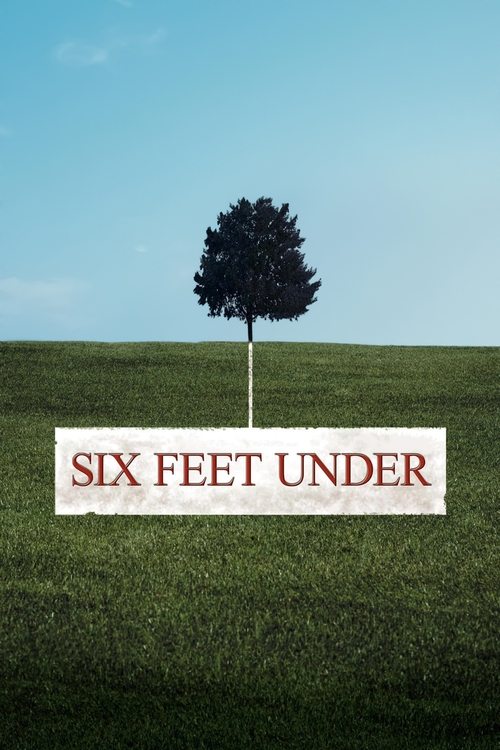
HBO wasn't just for mobsters. Six Feet Under dug deep into family, grief, and the messy business of living, all through the lens of a funeral home. Alan Ball gave us an ensemble navigating existential dread with dark humor and raw emotion. Each episode's opening death was a masterclass in tone, forcing viewers to confront mortality weekly. It was beautifully shot, bravely written, and fundamentally reshaped what a family drama could be.
3 / 11
3. Deadwood
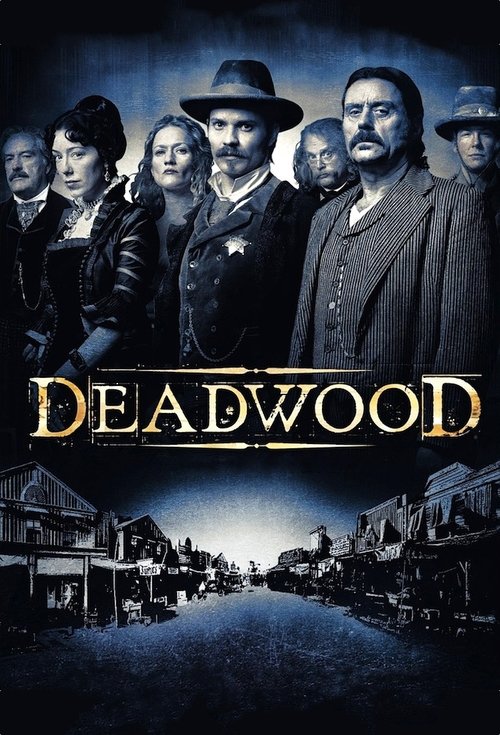
Deadwood was a masterclass in world-building, a gritty, profane, and historically rich Western that felt utterly authentic. David Milch's dialogue, dense and poetic, demanded attention, proving audiences would work for quality. It wasn't about heroes; it was about survival, power, and the birth of civilization from chaos. HBO let it breathe, allowing its ensemble cast to inhabit a truly lived-in, brutal landscape. A cinematic novel for television.
4 / 11
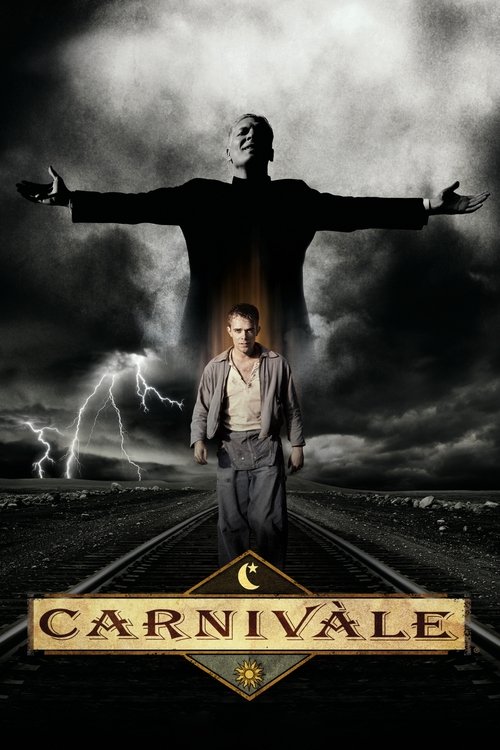
4. Carnivàle
Carnivàle was a bold, beautiful, and utterly bizarre swing for HBO. Set during the Great Depression, this sprawling epic blended dusty Americana with biblical prophecy and a traveling carnival. Its intricate mythology, stunning visuals, and commitment to a slow-burn mystery felt more like a novel or a film series than traditional TV. It dared to be different, showing the potential for television to tackle grand, surreal narratives, even if it ended too soon.
5 / 11
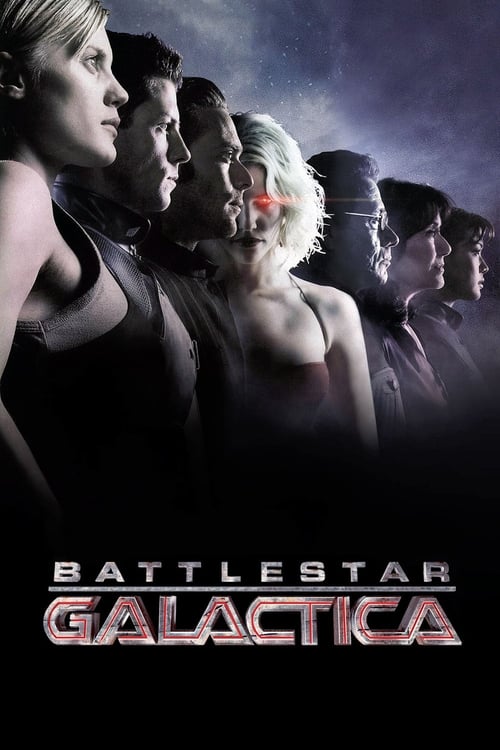
5. Battlestar Galactica
This wasn't your dad's sci-fi. Battlestar Galactica rebooted the franchise into a post-9/11 allegory, tackling war, religion, and human nature with shocking depth. It proved genre television could be as complex and prestige-worthy as any drama. The serialized storytelling, morally ambiguous characters, and relentless tension were groundbreaking, pushing the boundaries of what sci-fi could achieve on a network like Sci-Fi Channel. Truly epic and intellectual.
6 / 11
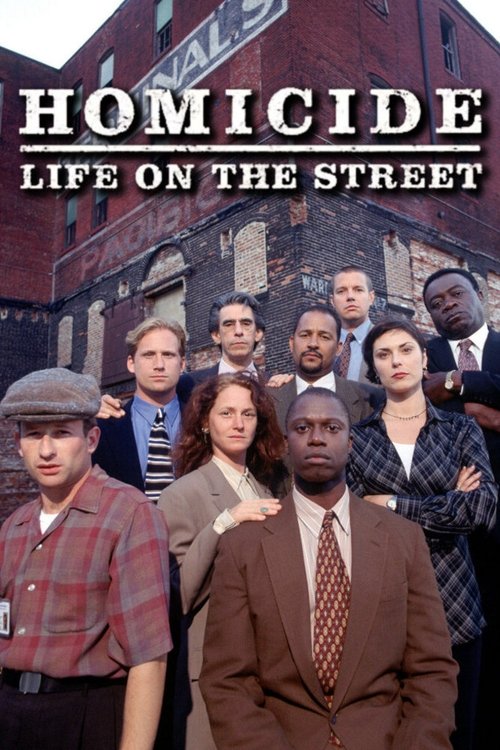
6. Homicide: Life on the Street
Before "The Wire," there was "Homicide." Barry Levinson and Tom Fontana brought a raw, documentary-style realism to network TV crime. Handheld cameras, overlapping dialogue, and an unflinching look at police work felt revolutionary. It built intricate character arcs over seasons, foregoing neat resolutions for messy reality. This wasn't just a procedural; it was an ensemble drama that dared to be challenging, setting a high bar for authenticity and serialized storytelling.
7 / 11
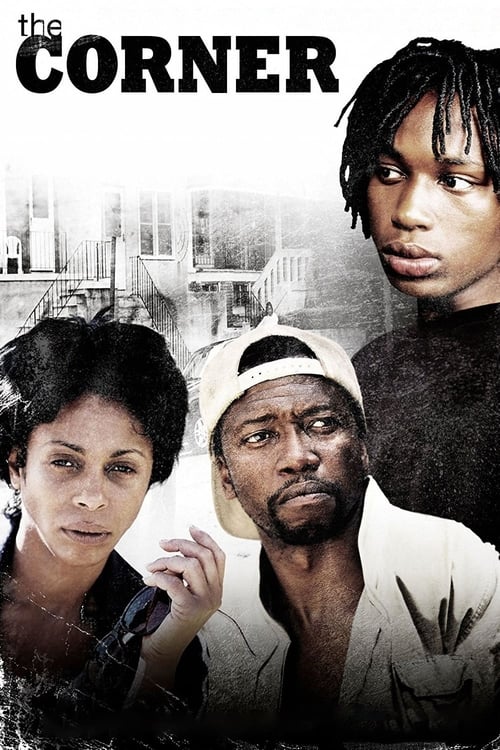
7. The Corner
David Simon and Ed Burns' "The Corner" was a brutal, unflinching miniseries, a precursor to "The Wire" that laid down the blueprint. This wasn't about cops and robbers; it was a stark, sociological examination of poverty and drug addiction in West Baltimore. Its documentary-style realism and deep character studies were groundbreaking for HBO, demonstrating how television could tackle weighty social issues with devastating authenticity. A powerful, essential watch.
8 / 11
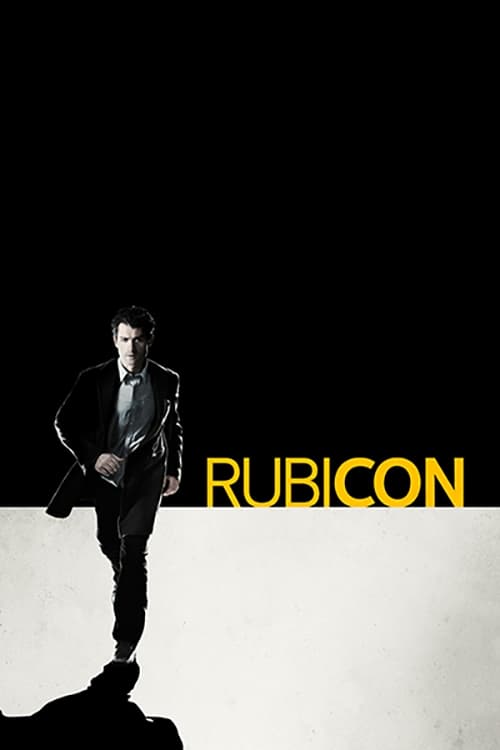
8. Rubicon
AMC, post-Mad Men, took a big swing with "Rubicon," a slow-burn conspiracy thriller that deliberately defied fast-paced network norms. Its quiet, meticulous pacing and dense narrative about a government intelligence analyst uncovering a vast plot required viewer patience and rewarded close attention. It was a cerebral, atmospheric piece, proving that cable could champion intellectual dramas that prioritized mood and intricate storytelling over explosive action. A true thinker's show.
9 / 11

9. Wild Palms
Oliver Stone's "Wild Palms" was a wild, often baffling, six-hour miniseries event on ABC. It was a bizarre, dystopian sci-fi noir that felt like David Lynch had a fever dream about virtual reality and cults. With its surreal imagery, twisting plot, and an incredible cast, it pushed network television into uncharted, experimental territory. It proved that even broadcast could attempt ambitious, cinematic, and deeply weird serialized narratives, laying groundwork for future complexity.
10 / 11
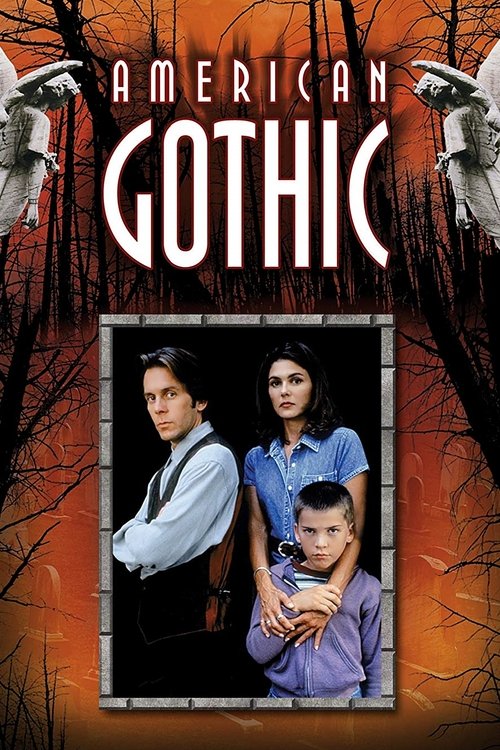
10. American Gothic
"American Gothic" was a dark, creepy, and ambitious network horror series that felt ahead of its time. Created by Shaun Cassidy and executive produced by Sam Raimi, it delved into the supernatural evil lurking in a small Southern town. Its serialized mystery, chilling atmosphere, and truly menacing villain (Gary Cole's Sheriff Buck) showed that network TV could deliver sophisticated, unsettling horror with a long-form narrative. It was a cult classic for a reason.
11 / 11
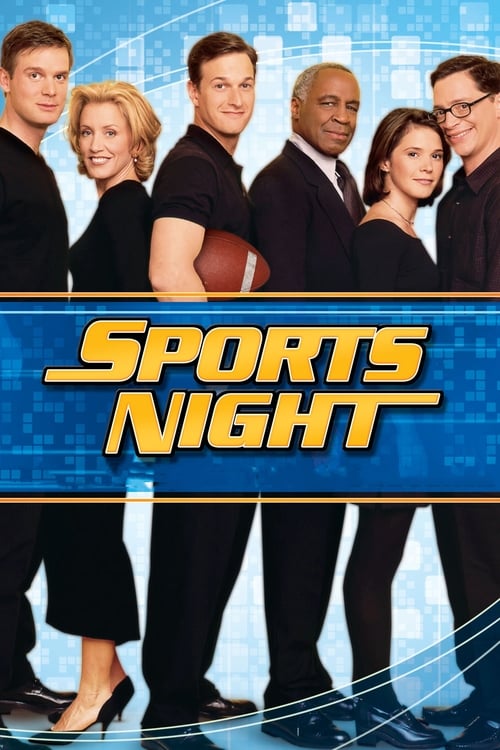
11. Sports Night
Aaron Sorkin's "Sports Night" might have looked like a sitcom, but beneath the rapid-fire banter and walk-and-talks, it was a sharp, character-driven drama about integrity in journalism. Its single-camera style and blend of comedy with serious emotional arcs felt fresh for network TV. It blurred genre lines, showing how a half-hour format could deliver serialized character development and intellectual depth, a clear precursor to his later, more dramatic works.