

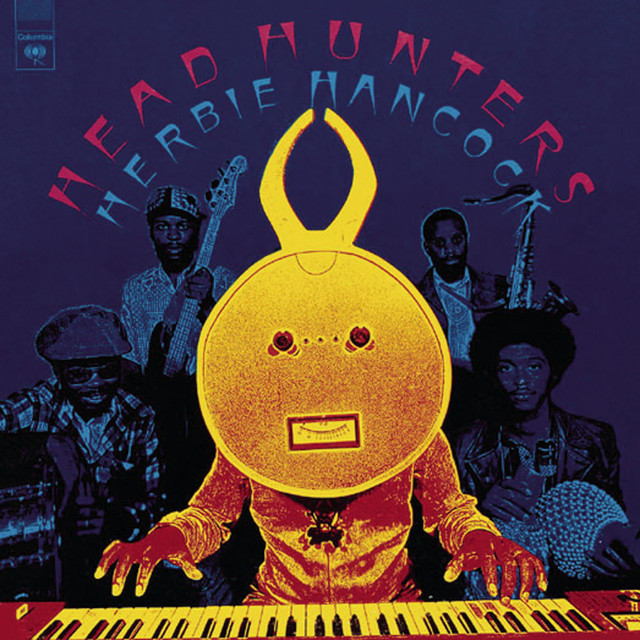
1. Head Hunters
Herbie Hancock's 'Head Hunters' was a revelation. Its fusion of jazz improvisation with an undeniable funk groove, all laid down with the warmth of analog synthesis and live instrumentation, redefined what was possible. The rhythmic precision, those slinky basslines, and the organic interplay of instruments captured a raw, electric energy that still feels utterly modern, even pioneering, today. It wasn't just fusion; it was a blueprint for future dance music.
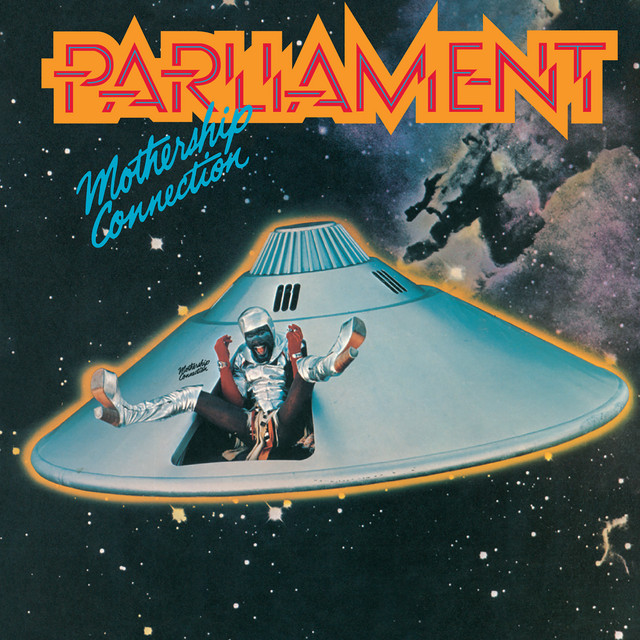
2. Mothership Connection
Parliament’s 'Mothership Connection' launched funk into another dimension. George Clinton’s vision married cosmic mythos with earth-shattering basslines and horns, all recorded with a dense, layered analog sound that felt both gritty and polished. The sheer audacity of its production, the intricate vocal arrangements, and the unrelenting boogie rhythm solidified P-Funk as a dominant force, utterly essential listening for anyone wanting to grasp true funk alchemy.

3. Computer World (2009 Remaster)
Kraftwerk’s 'Computer World', even through a modern remaster, retains its stark, pre-digital precision. This album articulated the coming techno-utopia and its anxieties with chilling accuracy, using custom-built synthesizers and vocoders. Its disciplined, minimalist electronic pulses and rhythmic patterns, all crafted through dedicated analog circuits, laid the groundwork for entire genres like electro and techno. It was the sound of the future, delivered with mechanical grace.
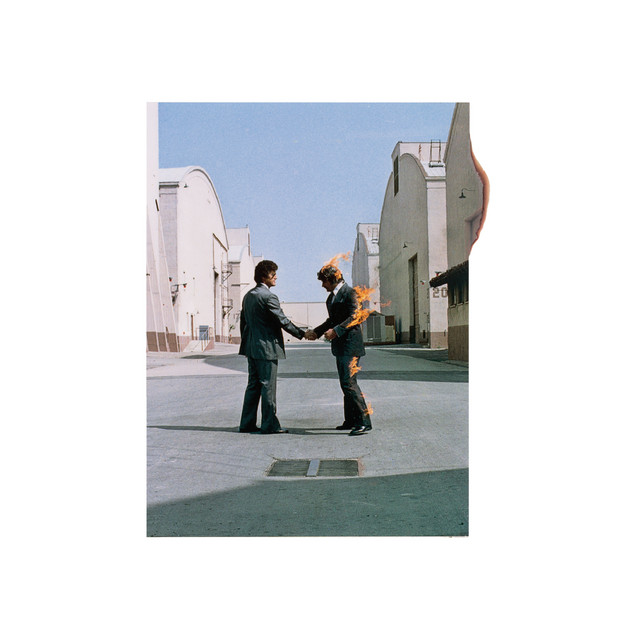
4. Wish You Were Here
Pink Floyd’s 'Wish You Were Here' remains a masterclass in art-rock conceptualism. The sprawling analog textures, particularly Gilmour’s soaring guitar work and Wright’s melancholic keys, evoke a profound sense of loss and alienation. Its meticulously crafted soundscapes, recorded on multi-track tape, showcased the band's unparalleled studio artistry. This album wasn't just listened to; it was absorbed, a deeply immersive, almost spiritual, sonic journey.
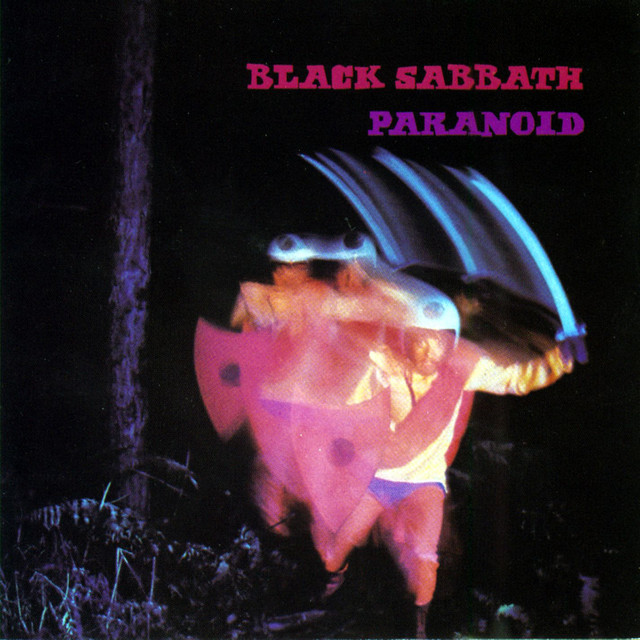
5. Paranoid (Remaster)
Black Sabbath’s 'Paranoid', even with a later remaster, thunders with raw, foundational metal power. Iommi's heavy, distorted guitar riffs, Geezer Butler's driving bass, and Ozzy's haunting vocals forged a sound that was genuinely menacing. Recorded with minimal fuss in an analog studio, its unpolished aggression and proto-doom atmosphere were utterly revolutionary, establishing the sonic template for countless heavy bands to follow. This was primal, earth-shaking rock.
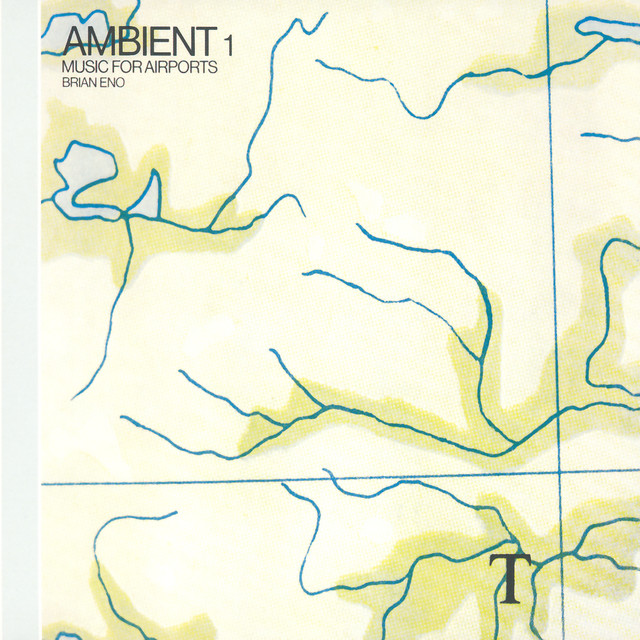
6. Ambient 1: Music For Airports (Remastered 2004)
Brian Eno’s 'Ambient 1: Music For Airports' pioneered an entire aesthetic. Its gentle, evolving tape loops and synthesized washes, meticulously crafted in the analog domain, invited a contemplative state without demanding active listening. This wasn't background music in a dismissive sense; it was environmental sound, designed to influence mood and perception. It demonstrated the profound emotional depth achievable with carefully arranged electronic tones.

7. Bad Girls
Donna Summer's 'Bad Girls' was a disco triumph, but also a bold step into post-disco territory. With Giorgio Moroder’s slick, synth-driven production at its core, the album blended driving rhythms with rock guitars and Summer's unparalleled vocal power. The analog sheen and meticulous arrangements pushed disco beyond the dancefloor, demonstrating its versatility and sophistication. It was a definitive statement of artistic and commercial dominance.
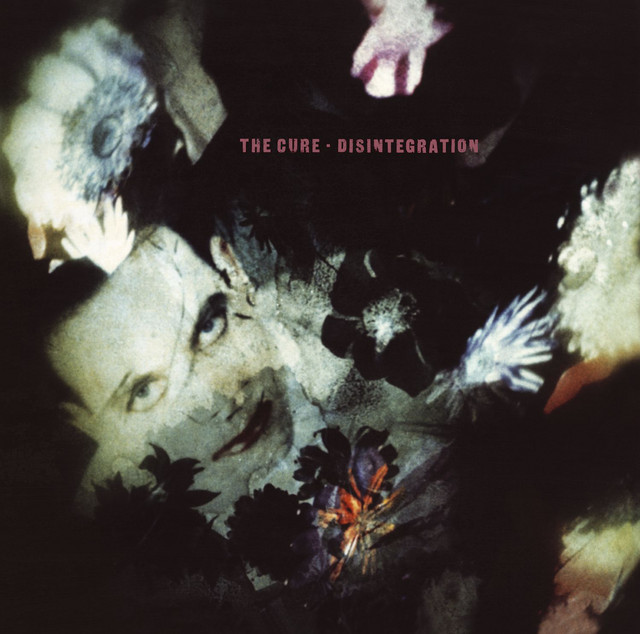
8. Disintegration (2010 Remaster)
The Cure’s 'Disintegration', regardless of remaster, epitomizes darkwave’s melancholic grandeur. Robert Smith’s intricate layering of guitars and synthesizers, all recorded with a palpable analog depth, created vast, atmospheric soundscapes. The pervasive sense of yearning and despair, coupled with its immense sonic weight, made it an emotional cornerstone for a generation. It’s a testament to how studio craft can amplify profound human feeling.
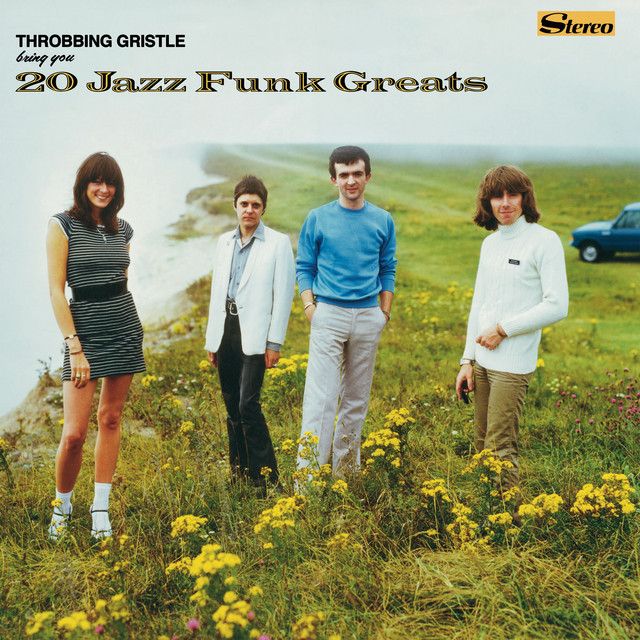
9. 20 Jazz Funk Greats (Remastered)
Throbbing Gristle’s '20 Jazz Funk Greats', despite the ironic title and remaster, remains a visceral industrial assault. This wasn't music for dancing; it was sonic warfare. Utilizing raw electronics, tape manipulation, and distorted vocals, they deliberately dismantled conventional song structures. Its confrontational, abrasive sound, forged in an early analog DIY environment, challenged every expectation, defining an uncompromising, utterly bleak artistic vision.
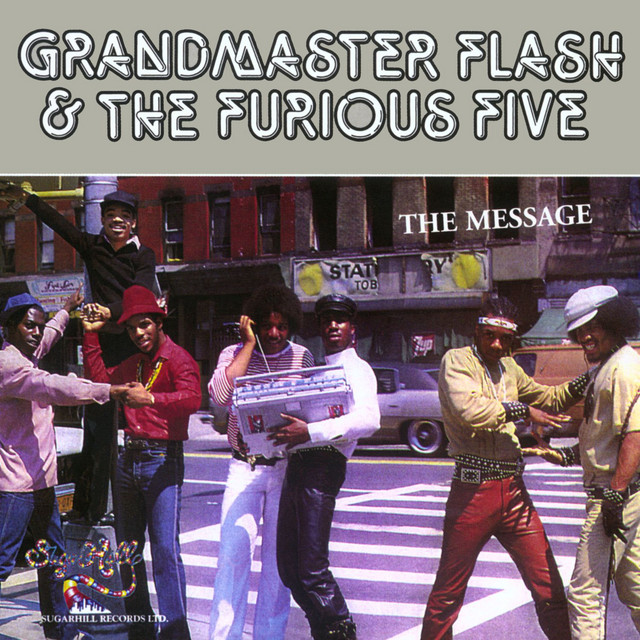
10. The Message
Grandmaster Flash & The Furious Five’s 'The Message' wasn't just a rap song; it was a seismic cultural shift. Its stark, unflinching lyrical portrayal of urban decay, set against the seminal drum machine patterns of the TR-808 and raw analog production, gave voice to a generation. This track’s rhythmic innovation and social consciousness defined early hip-hop’s potential as a powerful artistic and political force.

11. Out of Step
Minor Threat’s 'Out of Step' is pure, unadulterated hardcore punk. Ian MacKaye’s furious vocals and the band’s breakneck speed, tight as a coiled spring, delivered an uncompromising message. Recorded with a raw, no-frills analog approach, it captured the visceral energy and frustration of youth culture. This album was a declaration, defining an entire subculture with its integrity and blistering intensity. It remains utterly essential.
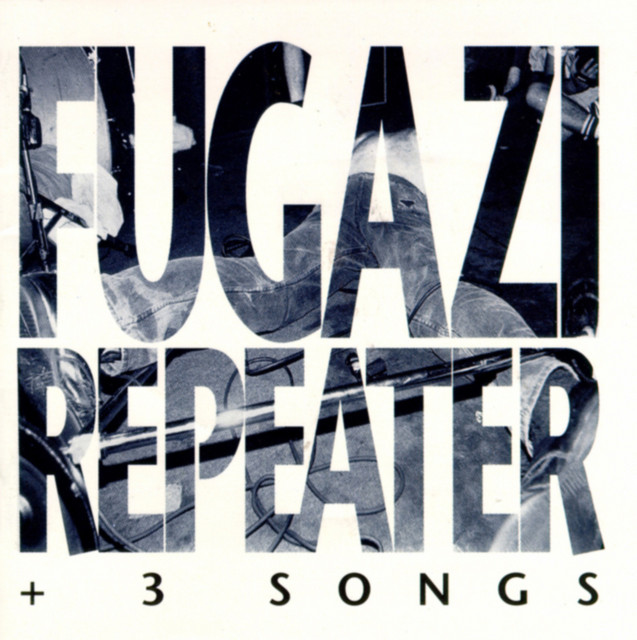
12. Repeater + 3 Songs
Fugazi’s 'Repeater + 3 Songs' exemplified post-hardcore's intellectual and physical intensity. Their dual guitar attack, complex rhythmic interplay, and Ian MacKaye’s impassioned delivery were all captured with a dynamic, analog production that emphasized every angular riff and shifting beat. It was a masterclass in tension and release, demonstrating how punk’s raw energy could evolve into something more intricate, yet equally potent.