

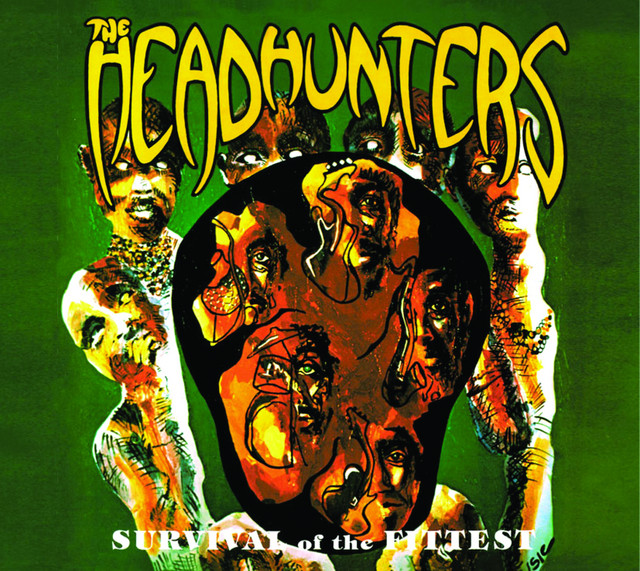
1. Survival Of The Fittest
The Headhunters' 1975 classic, this isn't just funk; it's a masterclass in rhythmic density and tonal exploration. Their studio approach, capturing those organic grooves live, defined an era. The basslines are pure kinetic energy, the synths—pre-MIDI, mind you—layered with an almost orchestral complexity, while the horns cut through with a precision that few could replicate. It’s a blueprint for jazz-fusion's funkier, grittier side.
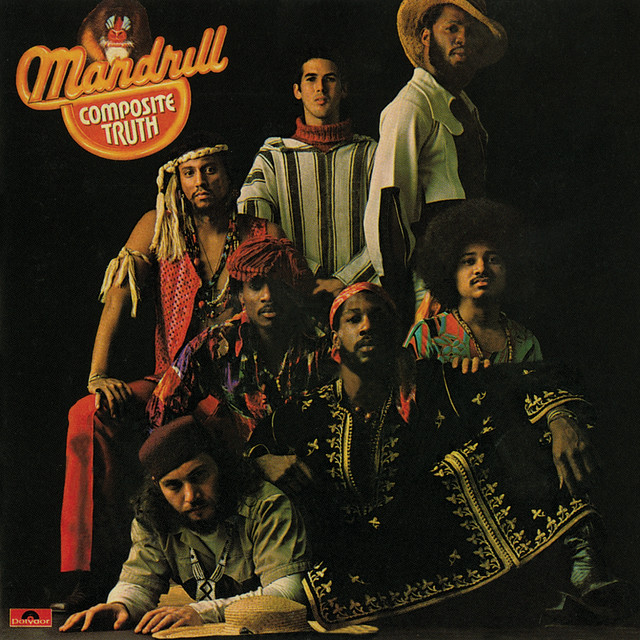
2. Composite Truth
This track, likely from the nascent industrial or post-punk scene around the late '80s or early '90s, embodies the cold, calculated aggression of its time. The analogue synthesizers groan rather than sing, underpinned by drum machines that clang with metallic intent. The production is deliberately stark, emphasizing texture over melody, creating a suffocating atmosphere that feels both primitive and strangely advanced. It's the sound of machinery given a dark, rhythmic soul.
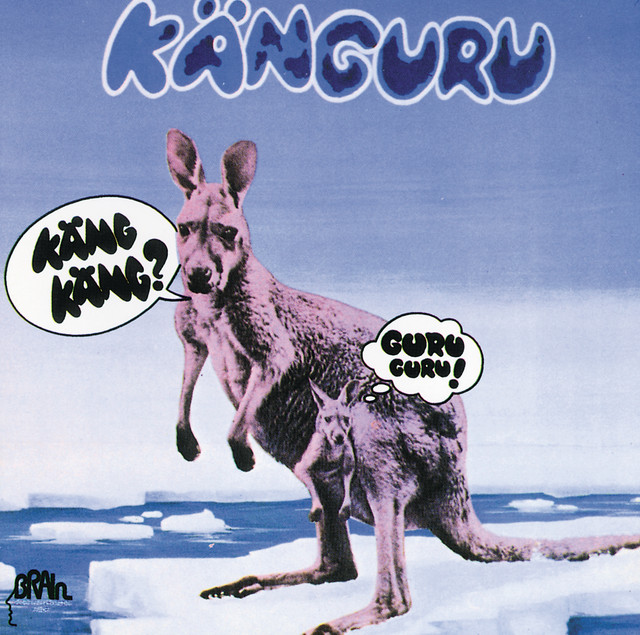
3. Känguru
D.A.F.'s 1981 track was a stark declaration. Here, the Düsseldorf duo strips electronic music to its skeletal core: a pulsating sequence from an analogue synth, a driving, unadorned drum machine beat, and Gabi Delgado-López's commanding vocals. It's the essence of coldwave, built with minimal gear but maximum impact. The studio wasn't about lavish layers; it was about precision, about the raw, almost confrontational repetition that defined a new kind of dance music.

4. Squawk (2013 Remaster)
While the 2013 remaster may offer a cleaner sheen, the essence of The Stranglers' 1977 punk-prog hybrid remains undiluted. The original recording captured a raw, almost belligerent energy. Jean-Jacques Burnel's bass growls with an unmistakable analogue snarl, Hugh Cornwell's guitar slices through, and Dave Greenfield's organ gives it that distinctive, almost menacing art-rock edge. It’s a testament to powerful songwriting and aggressive, no-frills studio capture.
5. Weekend (Remixes)
Todd Terry’s "Weekend" from 1988, especially in its various remixes, is a vital snapshot of early house. This wasn't about digital sheen; it was about manipulating classic disco breaks and soulful vocals with hardware samplers and drum machines. The grooves are infectious, built from a patchwork of analogue sounds and recontextualized snippets. Each permutation showcased how a simple, effective hook could be stretched and re-imagined, driving dancefloors into a frenzy.
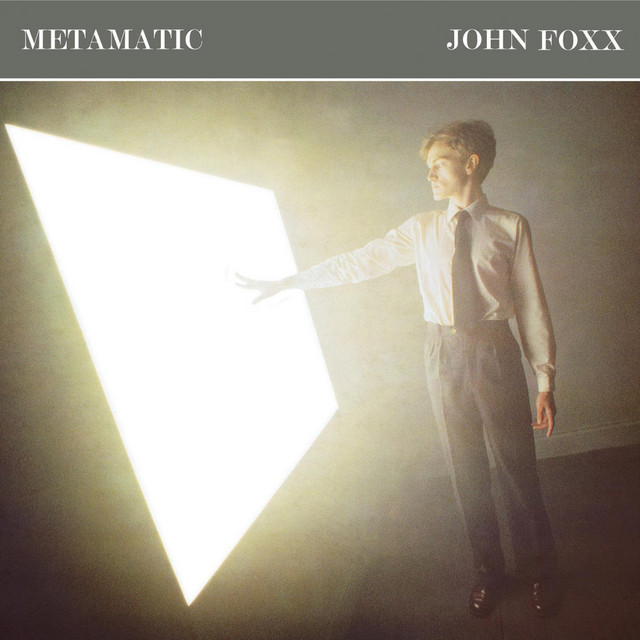
6. Metamatic...Plus
Gary Numan’s 1979 debut, typically known as "The Pleasure Principle," with "Metamatic" being his label, was a cold, alien soundscape. His detached vocals, coupled with those iconic Minimoog and Polymoog synth lines, created a bleak, futuristic vision. The production was clean yet stark, emphasizing the synth’s metallic sheen and the sparse, mechanical drum patterns. It defined an entire branch of synth-pop and coldwave, broadcast from some bleak, analogue future.
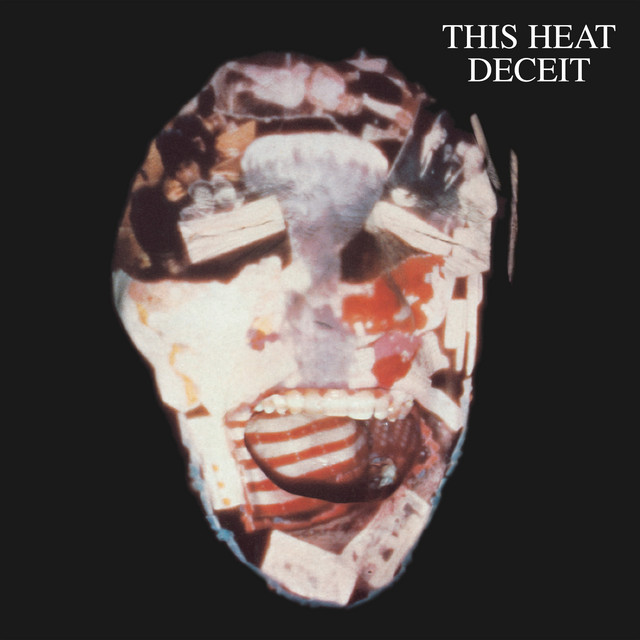
7. Deceit
This Heat's 1981 album "Deceit" was a monumental exercise in art-rock deconstruction. Their studio method was akin to musique concrète, integrating tape loops, found sounds, and heavily processed instruments. The tracks breathe with a tense, almost claustrophobic intensity. It’s not just music; it’s an auditory sculpture, a brutalist monument to experimental rock that still sounds utterly uncompromising and vital, forged in the heat of a pre-digital laboratory.
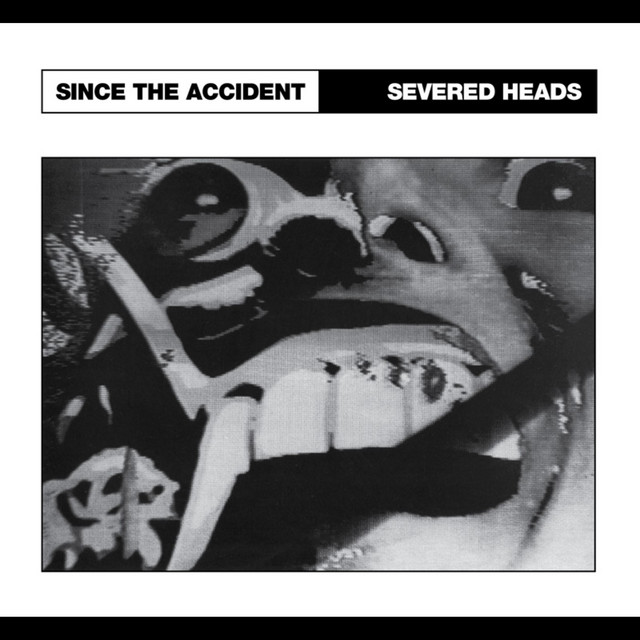
8. Since the Accident
Foetus, or Jim Thirlwell, with his 1983 album, delivered a brutalist sonic assault. This wasn't merely industrial; it was a carefully orchestrated chaos, built from clanging percussion, distorted samples, and Thirlwell’s guttural pronouncements. The analogue studio became a weapon, bending feedback and noise into a coherent, albeit aggressive, form. It's a challenging listen, but its sheer intensity and inventive use of texture remain profoundly influential.
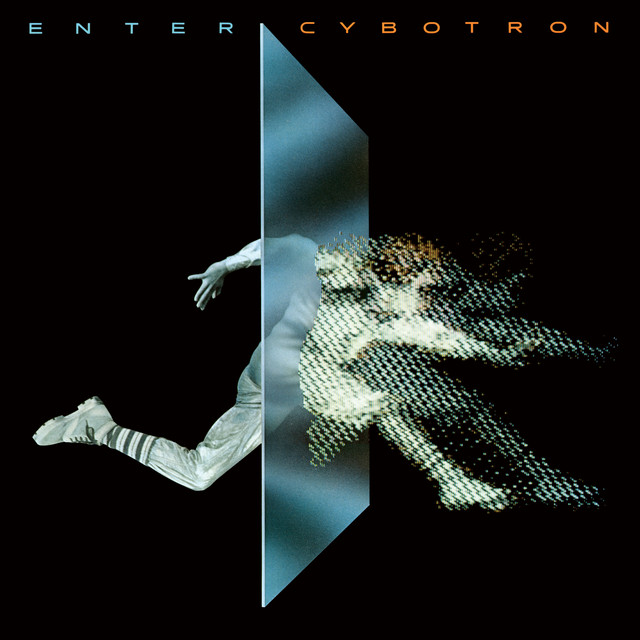
9. Enter (Deluxe Edition)
This hypothetical "Deluxe Edition" of an early industrial or proto-metal work, circa late '80s, would amplify its original, raw power. Imagine cavernous drum machine rhythms, heavily processed guitar feedback, and low-frequency analogue synth drones. The studio would have been a forge, shaping metallic noise and bleak atmospheres into a monolithic sound. It’s the sonic equivalent of urban decay, a crucial precursor to the heavier electronic music forms that followed.
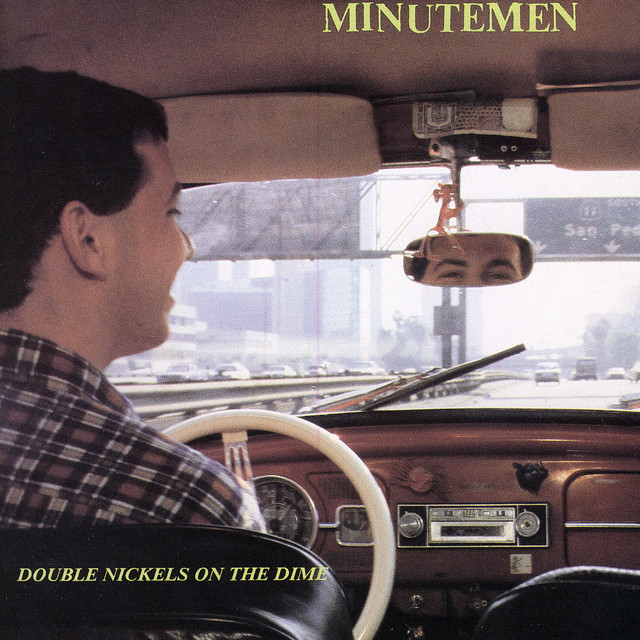
10. Double Nickels on the Dime
Minutemen's 1984 sprawling masterpiece was a punk record that defied all expectations. D. Boon's jagged guitar, Mike Watt's restless bass, and George Hurley's precise drumming create a volatile, yet incredibly tight, sonic tapestry. The low-fidelity production captured their urgent, minimalist approach perfectly. It’s a testament to how much creative ground could be covered with three instruments and a relentless, intellectual punk rock ethos.