
1. Vagrant Story (2000)
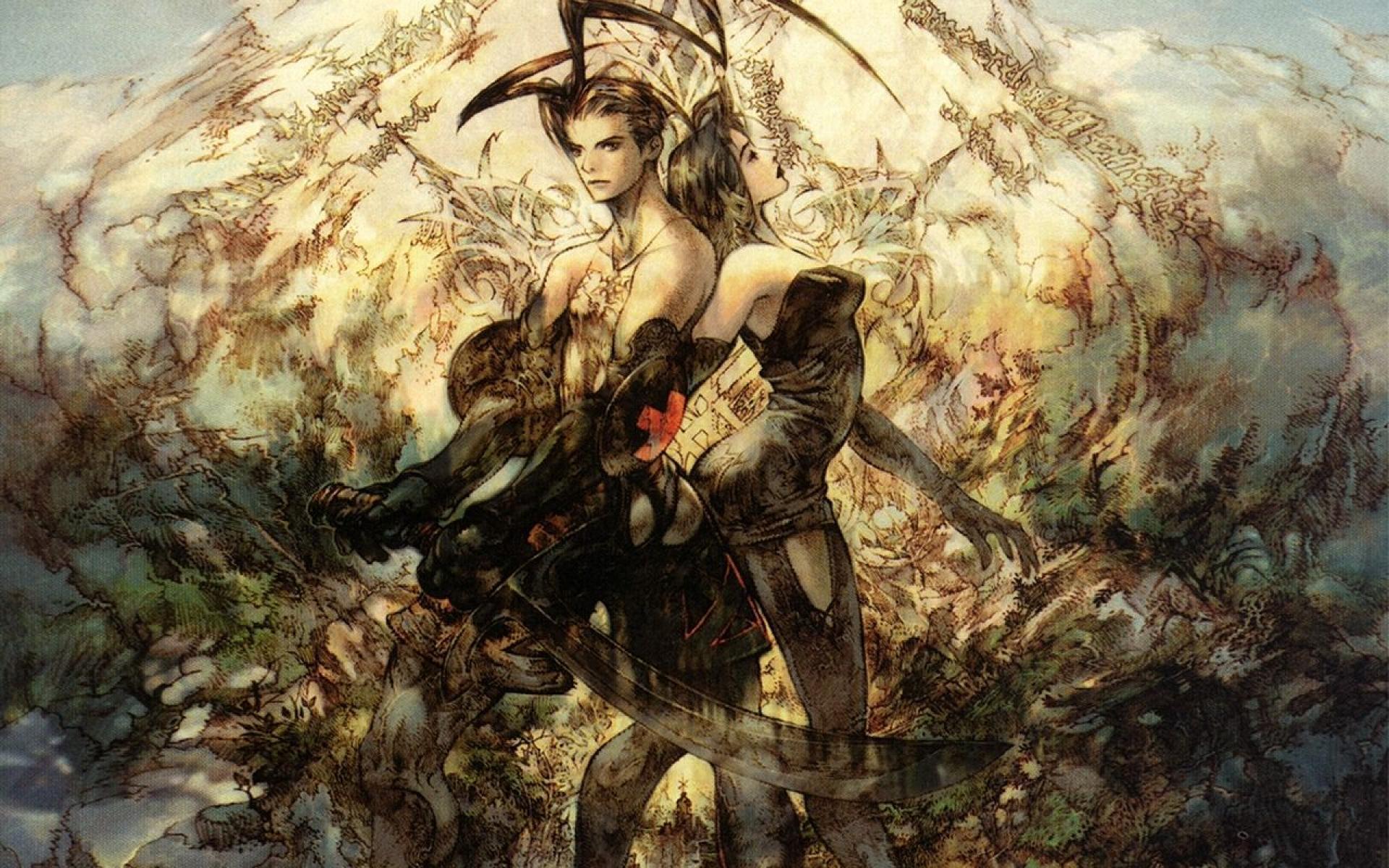
Back on the PS1, Vagrant Story wasn't just another Square RPG. It was a hardcore, labyrinthine dungeon crawler with a combat system that made you *think* about every hit. Seriously, weapon affinity and risk management? Modern games would hand-hold you through that. But in 2000, Ashley Riot's grim journey through Leá Monde was a masterclass in atmosphere and strategic depth. It dared to be opaque, trusting players to figure out its intricate mechanics, a trust rarely seen in today's over-tutorialized experiences.
2. Okami
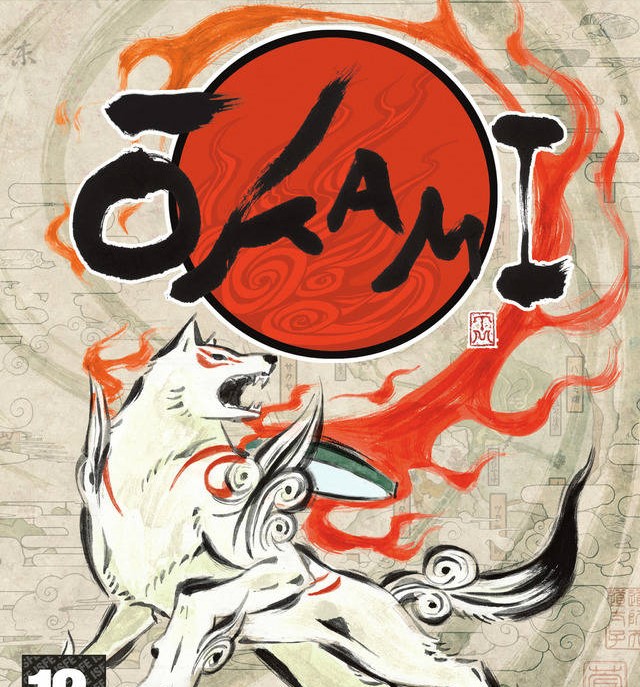
Okami, on the PlayStation 2, was a masterpiece of art and gameplay. That sumi-e aesthetic wasn't just a gimmick; it was integral to the Celestial Brush, letting you paint your attacks and solve puzzles. It felt like playing a living ukiyo-e scroll. And yet, despite critical acclaim, it never quite hit the sales figures to become a household name, always feeling like the industry overlooked its sheer artistic brilliance in favor of more 'marketable', less imaginative titles. A genuine tragedy.
3. Resonance of Fate
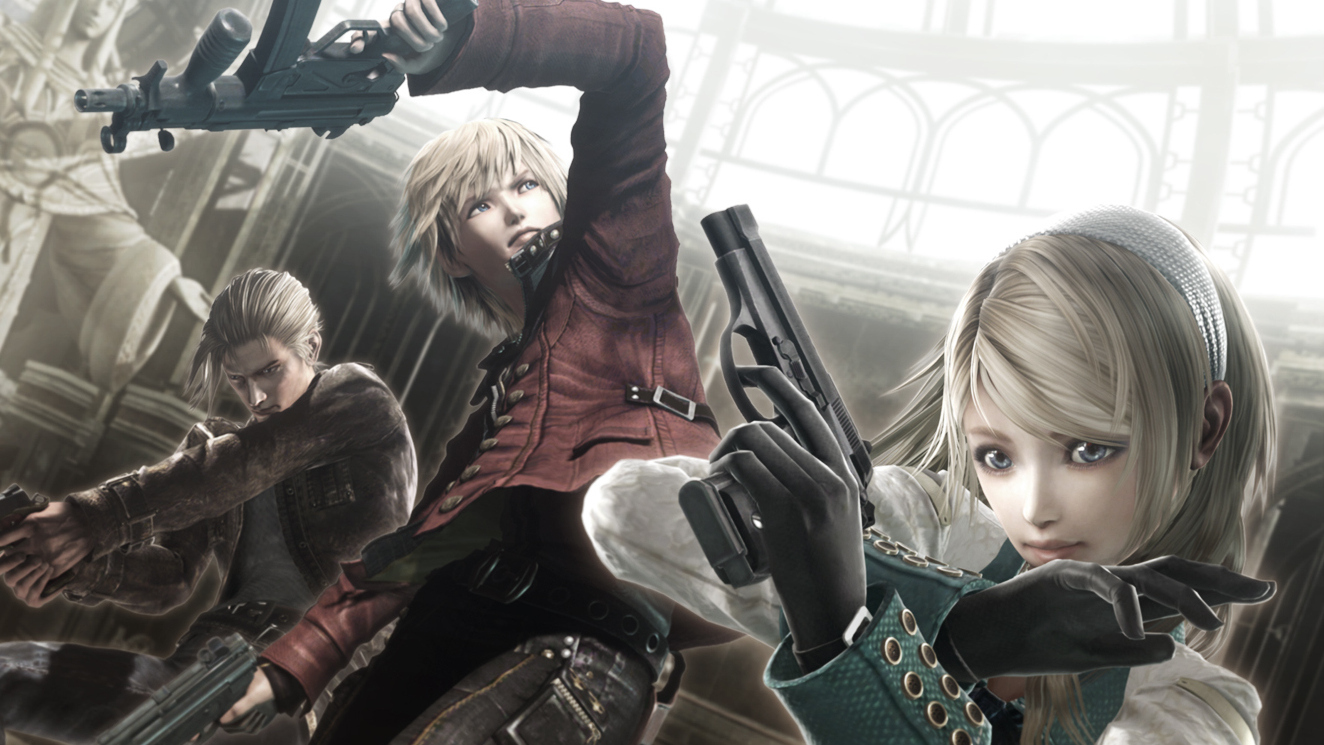
Remember Resonance of Fate on the PS3/360? Man, that game was *weird*. Its combat system was a chaotic, balletic dance of guns, grenades, and invincibility meters that took hours to grasp. The industry rarely takes such risks anymore; everything has to be immediately accessible. But for those who pushed through the initial frustration, it opened up a strategic depth that felt genuinely fresh, even if its unique blend of steampunk style and JRPG quirk meant it was always destined for cult status.
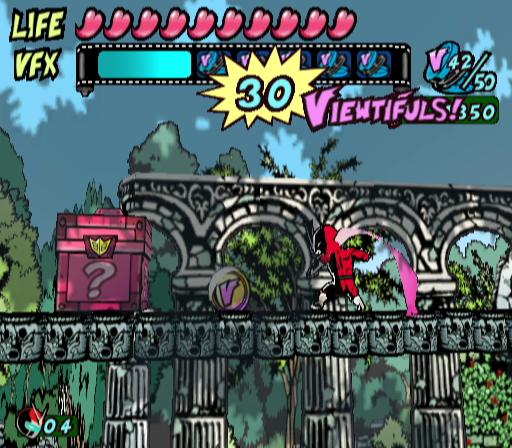
4. Viewtiful Joe (2003)
Viewtiful Joe on the GameCube in 2003 was pure, unadulterated style. Its cel-shaded graphics and comic book panels were iconic, but the actual gameplay, with its VFX powers like Slow and Mach Speed, was a beat 'em up masterclass. It was challenging, visually distinct, and had a personality that practically exploded off the screen. You just don't see this level of bold, uncompromising vision in character action games these days; everything feels a bit too focus-grouped, too safe.
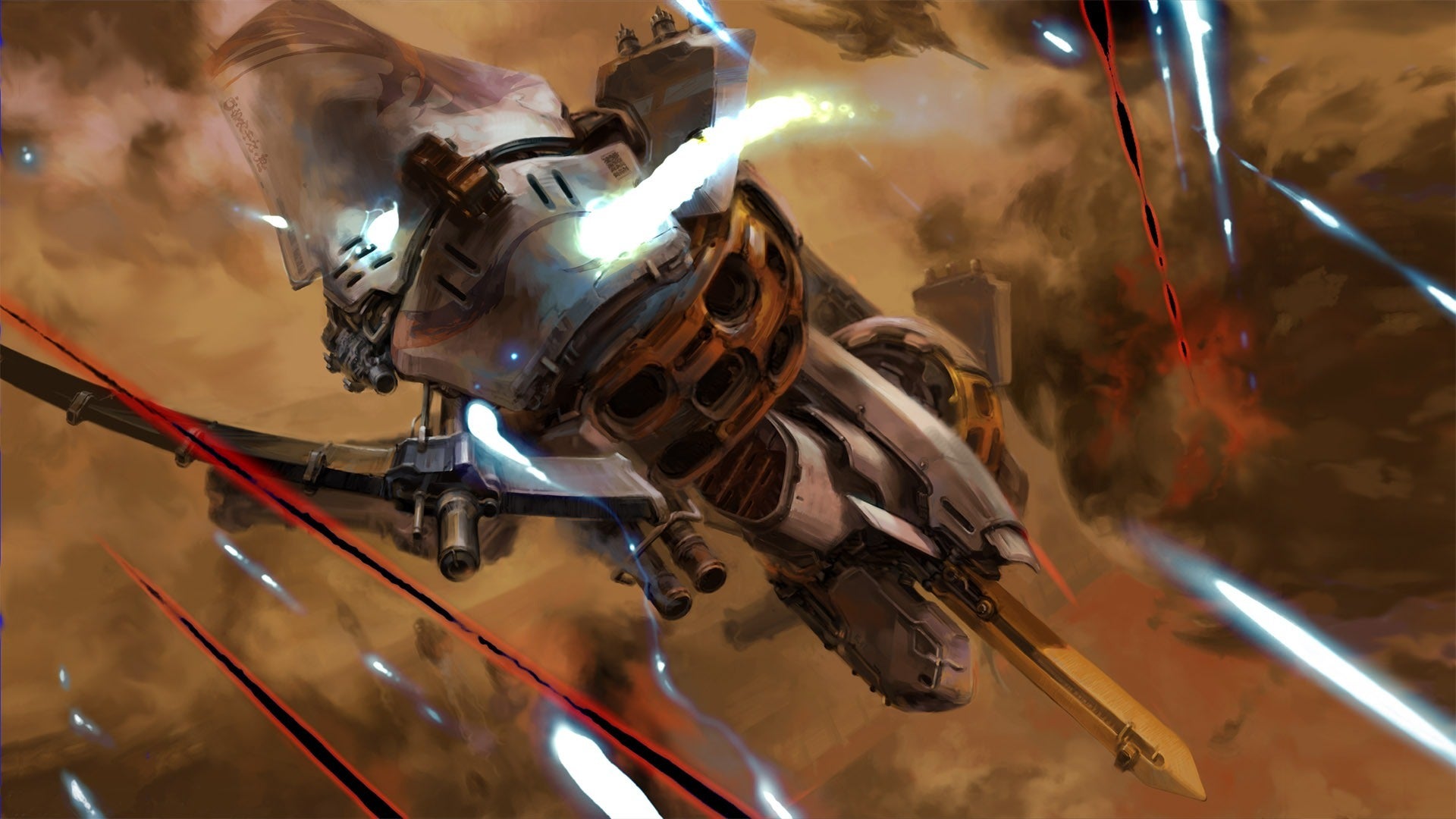
5. Ikaruga
Ikaruga, originally an arcade cabinet and then a Dreamcast port, is peak shmup. It wasn't about story or flashy cutscenes; it was about pure, unadulterated, brutally difficult gameplay centered around its polarity-switching mechanic. Absorb bullets of your color, destroy enemies of the opposite. It was a rhythmic, almost zen-like challenge that demanded perfection. Modern games often try to be everything to everyone, but Ikaruga unapologetically refined one brilliant idea to its absolute limit.
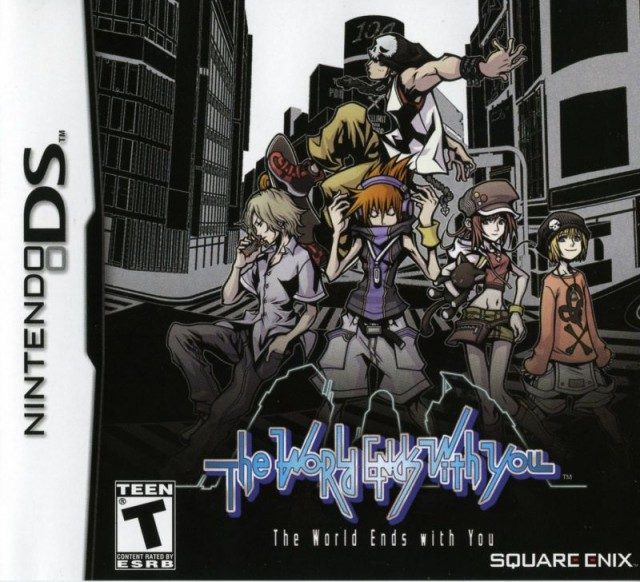
6. The World Ends With You DS
The World Ends With You on the DS was pure lightning in a bottle. Its dual-screen combat, managing Neku on the bottom and a partner on the top, was revolutionary, demanding split-second multitasking. Couple that with its unparalleled Shibuya street style, killer soundtrack, and genuinely engaging narrative about youth culture, and you had a game that felt utterly unique. It’s a shame the industry rarely takes such bold risks with hardware-specific mechanics anymore, prioritizing cross-platform ubiquity over true innovation.

7. Condemned: Criminal Origins
Condemned: Criminal Origins, an early Xbox 360 title, was a grimy, visceral first-person horror experience unlike anything else. Forget endless ammo; this was about brutal, desperate melee combat, smashing pipes into crackheads in abandoned buildings. Its atmosphere was thick with dread, and the detective elements actually felt unnerving. It proved that FPS could be more than just shooting, leaning into a raw, psychological horror that felt genuinely dangerous, a feeling many modern horror games struggle to replicate.
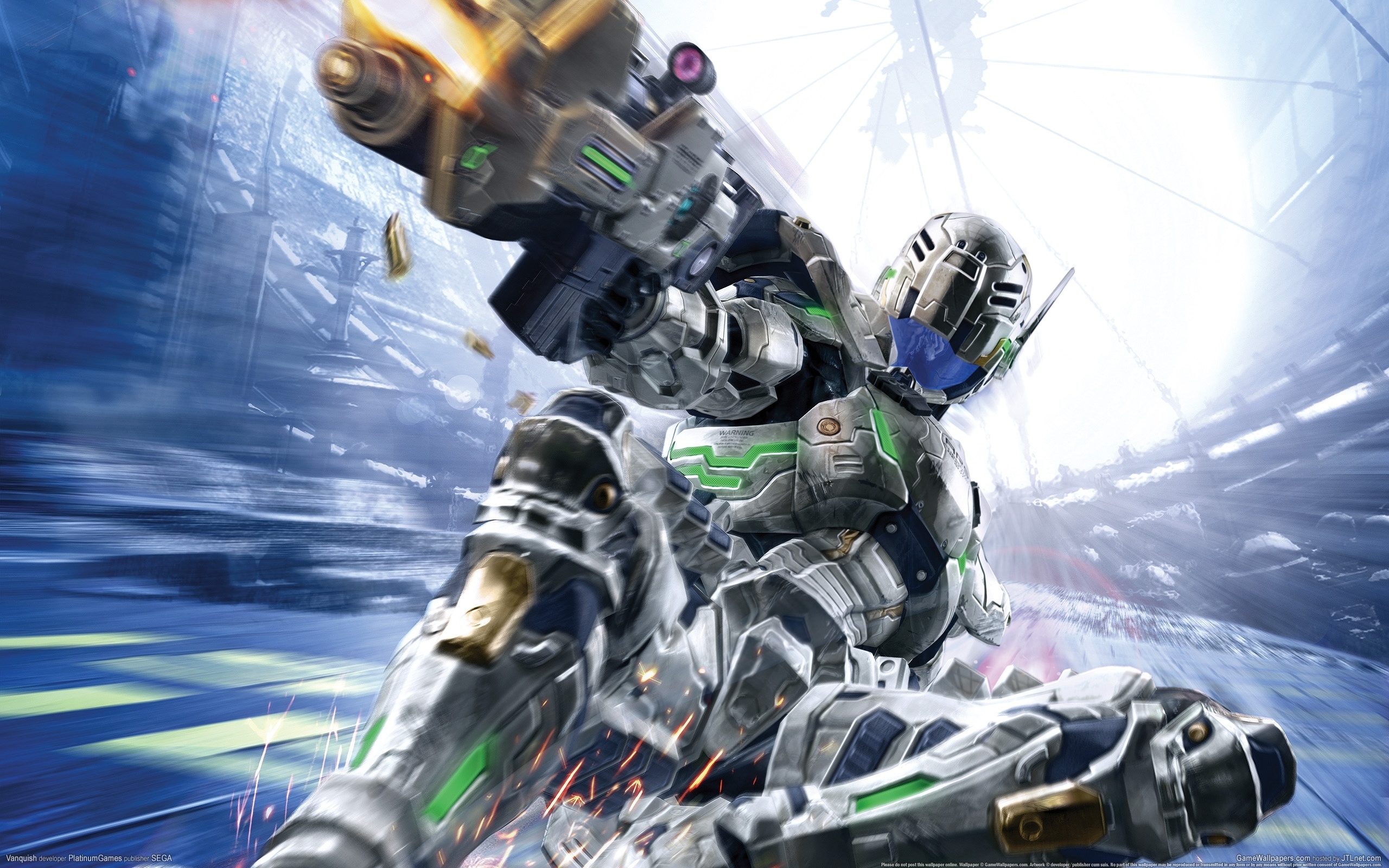
8. Vanquish
Vanquish, from PlatinumGames on the PS3/360, was a fever dream of white-knuckle action. Rocket-sliding around arenas, slowing time for headshots, executing brutal melee finishers – it was pure, unadulterated adrenaline. It didn't waste time with bloated open worlds or crafting; it was a focused, arcade-style shooter that pushed speed and style to their absolute limits. We need more games like this, daring to be short, sweet, and relentlessly intense, rather than chasing endless content loops.

9. Shadow of Destiny
Shadow of Destiny on the PS2 was a bizarre, often overlooked Konami gem. You’re a guy who gets murdered, then uses a time-traveling pocket watch to prevent your own death across various timelines. It was a narrative experiment, a point-and-click adventure game with multiple, branching endings and a deeply unsettling atmosphere. While clunky in parts, its ambition to mess with cause and effect in a single-player mystery was genuinely innovative, a kind of narrative freedom rarely seen outside niche indie titles today.