
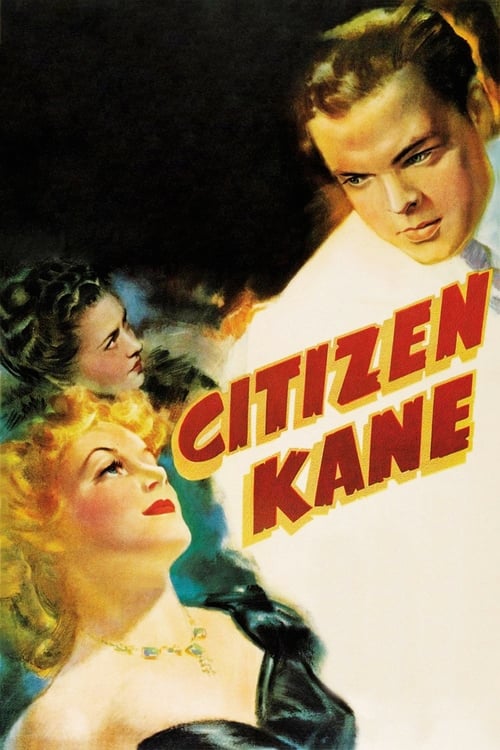
1. Citizen Kane
Orson Welles' monumental debut remains a masterclass in cinematic language, its innovative non-linear narrative and deep-focus cinematography still studied today. It interrogates the American Dream and the elusive nature of truth through the lens of a media magnate's life, a theme perpetually relevant in our information-saturated age. Welles' audacious auteurial vision reshaped film grammar, proving art could be both popular and profound.
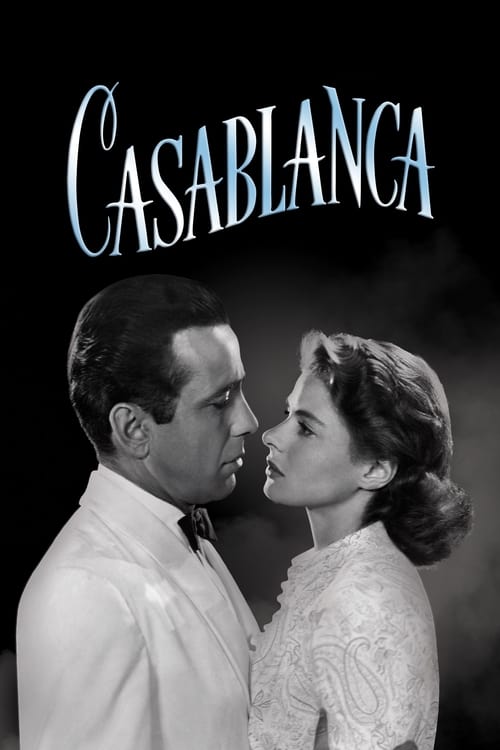
2. Casablanca
This wartime romance, helmed by Michael Curtiz, transcends its studio system origins, becoming a timeless ode to sacrifice and moral complexity. Humphrey Bogart and Ingrid Bergman's iconic performances anchor a narrative brimming with unforgettable dialogue and palpable tension. More than a love story, it captures the yearning for freedom and the difficult choices demanded by global conflict, resonating through generations.

3. Seven Samurai
Akira Kurosawa's epic is a foundational text in global cinema, demonstrating the power of meticulous storytelling and profound character development. Its influence on action cinema is immeasurable, yet its humanist core—exploring honor, poverty, and collective struggle—is what truly endures. Kurosawa masterfully crafts a world where individual destinies intertwine with the survival of a community, a universal narrative.
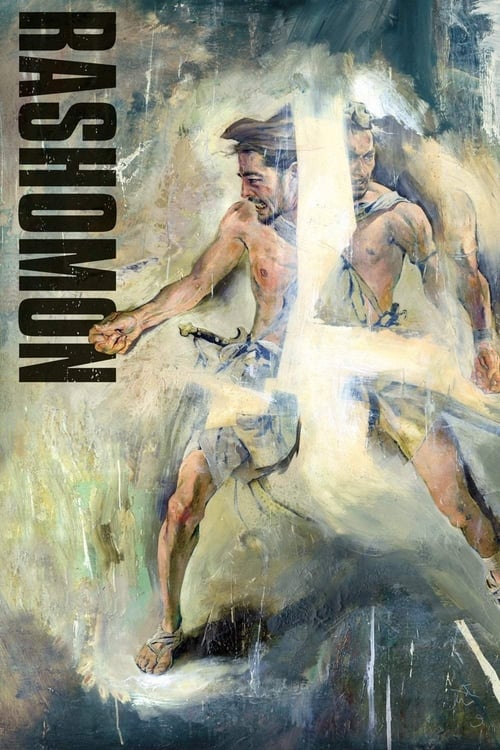
4. Rashomon
Another Kurosawa masterpiece, this film redefined narrative perspective, presenting conflicting accounts of a single event. It's a profound exploration of truth's subjectivity, challenging audiences to confront their own biases. Its innovative structure and philosophical depth proved cinema could be a powerful tool for intellectual inquiry, leaving an indelible mark on storytelling across all media and prompting perennial discussions on reality.
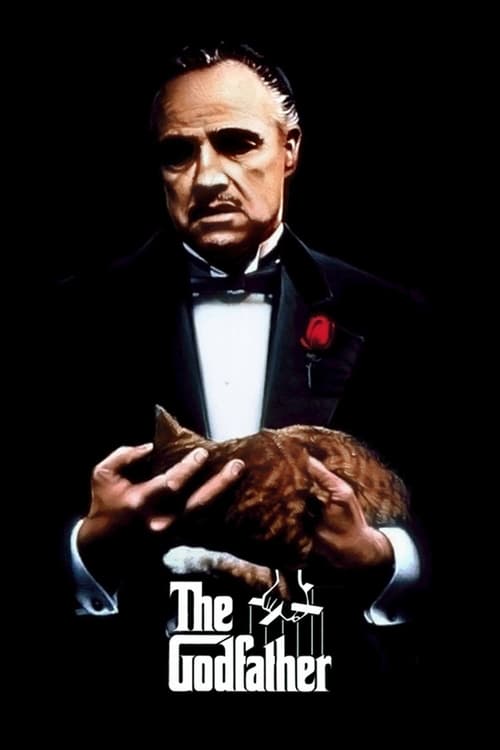
5. The Godfather
Francis Ford Coppola's sprawling crime saga is an American epic, dissecting themes of family, power, and the corrosive nature of ambition. Beyond its iconic performances and indelible imagery, it offers a sophisticated critique of capitalism and assimilation. Coppola’s meticulous direction elevates a genre to Shakespearean tragedy, cementing its status as a timeless reflection on the dark side of the pursuit of legacy.
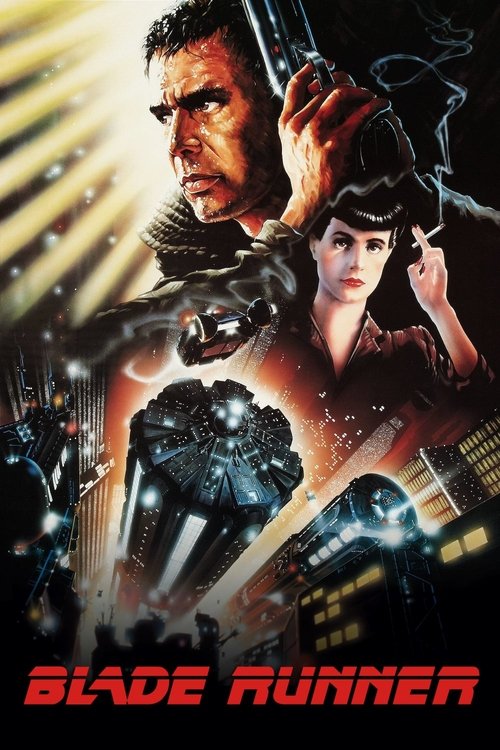
6. Blade Runner
Ridley Scott's neo-noir sci-fi vision transcended genre, posing existential questions about humanity, memory, and what it means to be alive. Its groundbreaking visual design and atmospheric world-building created a blueprint for cyberpunk aesthetics. The film's philosophical inquiries into artificial intelligence and corporate control have only grown more pertinent, ensuring its position as a cultural touchstone years after its release.
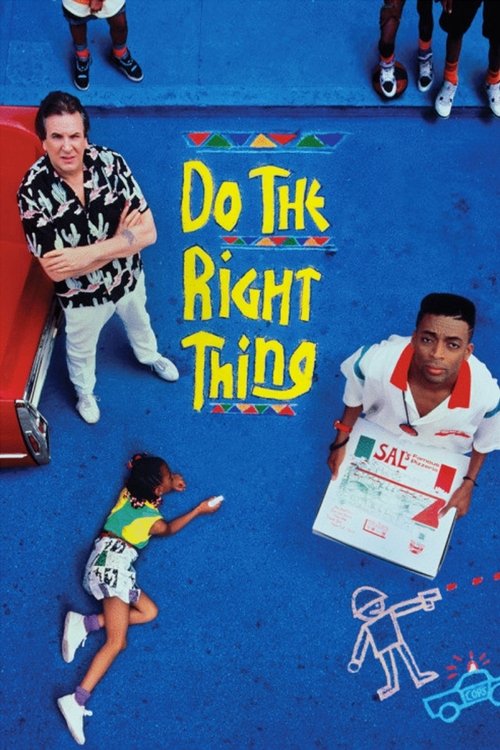
7. Do the Right Thing
Spike Lee's vibrant and volatile film remains a potent and painfully relevant examination of racial tension in America. Set on a sweltering summer day, its ensemble cast navigates escalating frustrations that culminate in tragedy. Lee's masterful direction, blending humor with stark realism, forces uncomfortable but necessary conversations about prejudice, systemic issues, and the elusive search for justice.
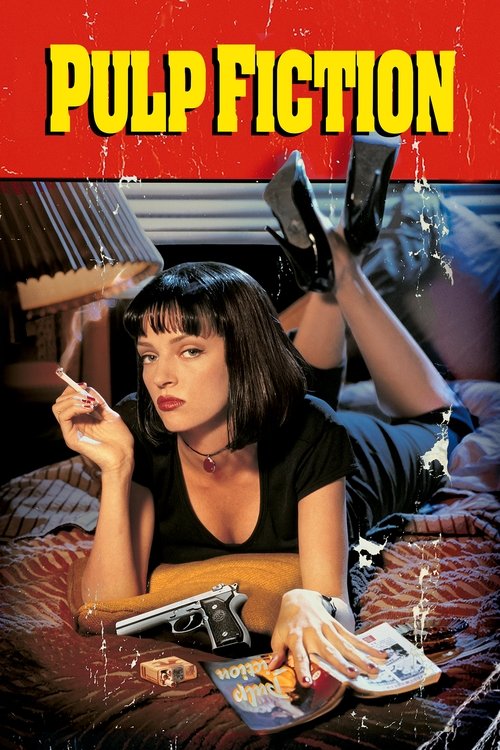
8. Pulp Fiction
Quentin Tarantino's postmodern crime opus detonated cinematic conventions with its non-linear narrative, razor-sharp dialogue, and audacious style. It's a tapestry of interconnected stories that revitalized independent cinema and cemented Tarantino's auteur status. Its cultural impact is undeniable, proving that genre playfulness and intellectual wit could coalesce into a work of enduring popular and critical acclaim.
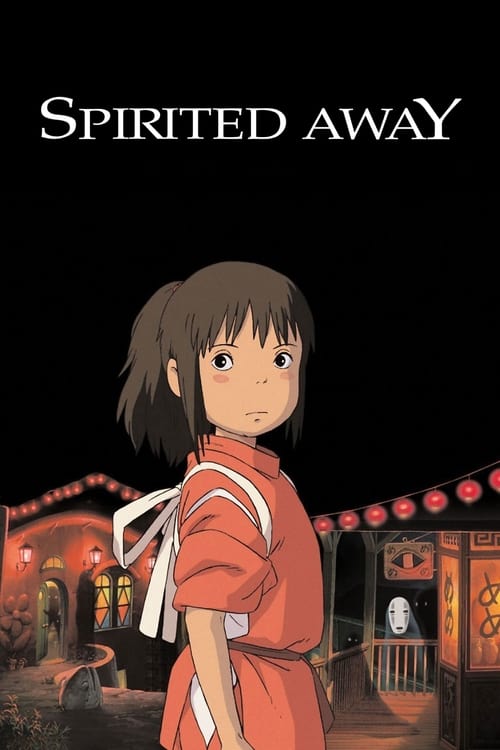
9. Spirited Away
Hayao Miyazaki's animated masterpiece is a sublime journey into a spirit world, a testament to animation's capacity for profound storytelling. It explores childhood courage, environmentalism, and the complexities of identity through breathtaking visuals and universal themes. Miyazaki's distinct auteurial voice crafted a film that transcends cultural barriers, speaking to the imaginative heart of audiences worldwide, regardless of age or background.