

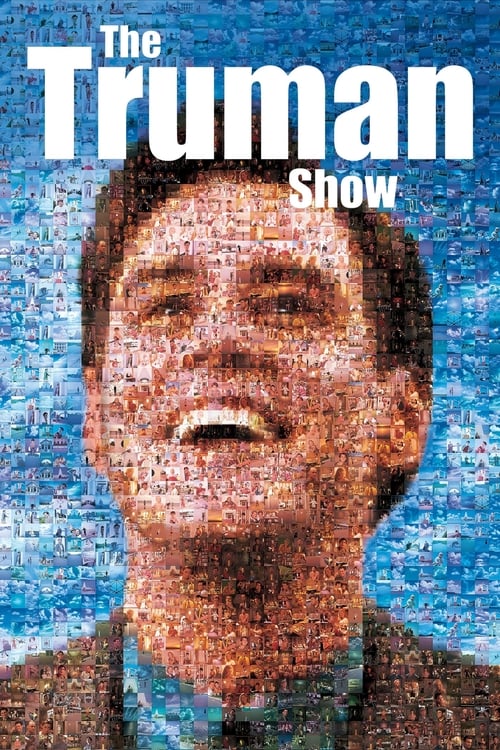
1. The Truman Show
A prescient vision of reality television's eventual omnipresence, this film transcends simple satire to question the very nature of authenticity and constructed reality. Peter Weir, with Jim Carrey's nuanced performance, crafts a parable on surveillance and the human need for genuine connection, even when one’s entire existence is a meticulously orchestrated set piece. It delves into the ethics of spectacle, long before social media truly blurred the lines.

2. Sunset Boulevard
Billy Wilder's cynical masterpiece exposes the brutal underbelly of Hollywood's star system, where fame is fleeting and oblivion a terrifying constant. Gloria Swanson’s Norma Desmond, a faded silent film queen, clings desperately to her illusions of grandeur, embodying the tragic narcissism of a life lived solely for public adoration. It’s a stark, noir-tinged reflection on the corrosive power of celebrity and the industry's ruthless disposal of its icons.
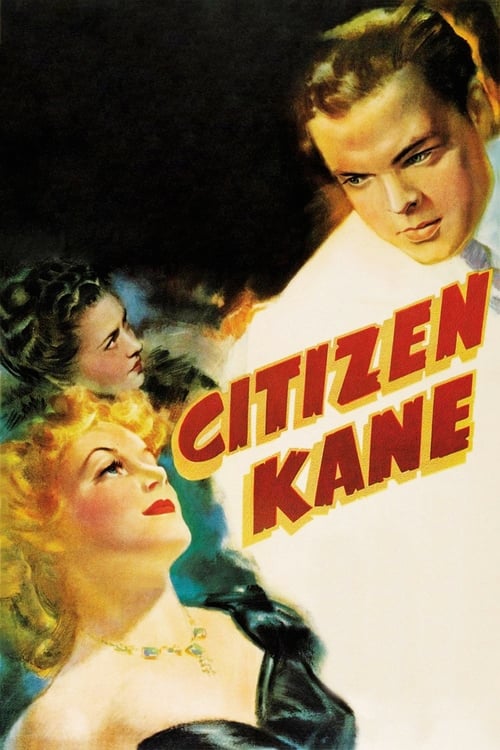
3. Citizen Kane
Orson Welles’ revolutionary debut remains a towering achievement, not merely for its technical innovations but for its profound exploration of public persona versus private man. Charles Foster Kane, a media magnate whose life is meticulously dissected post-mortem, exemplifies the unknowability of even the most public figure. The film masterfully reveals how wealth and influence can create a labyrinthine façade, leaving observers forever pondering the true self behind the myth.
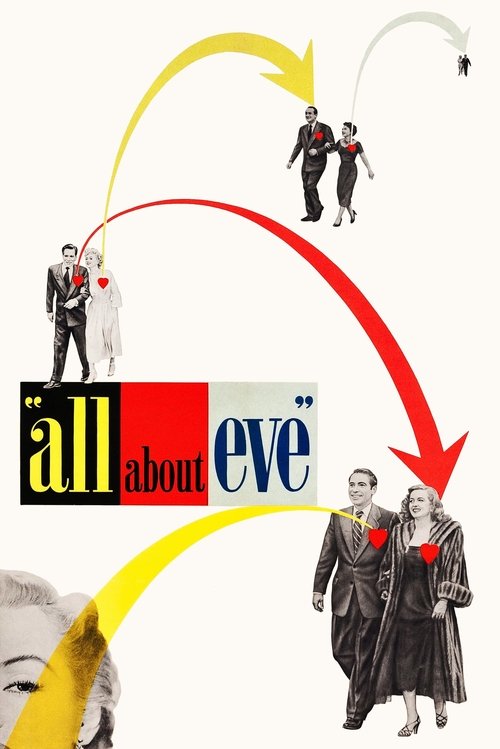
4. All About Eve
Joseph L. Mankiewicz's incisive drama dissects the cutthroat world of Broadway, where ambition often eclipses integrity. Bette Davis’s Margo Channing, an aging star, faces the existential threat posed by Anne Baxter’s cunning Eve Harrington, a young understudy. It’s a searing commentary on the relentless pursuit of fame, the artifice required to maintain it, and the generational anxieties inherent in a profession where youth and novelty are constantly prized above experience.
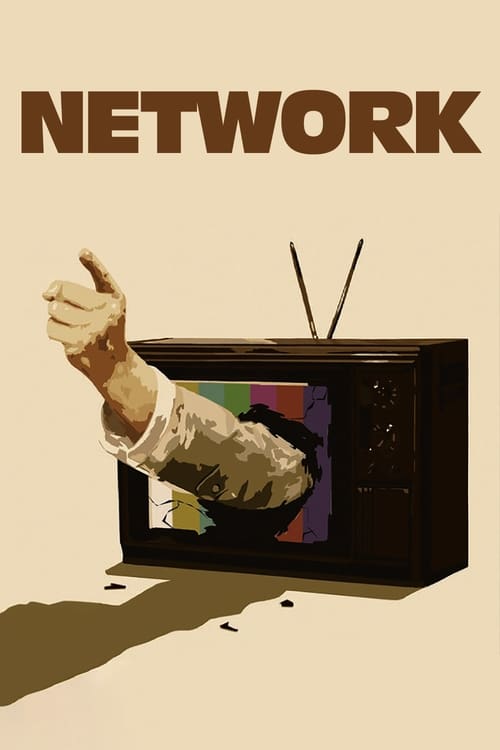
5. Network
Sidney Lumet's furious indictment of television news, a prophetic and still resonant work, captures the moment media truly became performance. Peter Finch’s Howard Beale, the "mad prophet of the airwaves," embodies a societal breakdown, manipulated by executives who prioritize ratings over truth. This film critiques the commodification of emotion and the insatiable appetite for spectacle, foreseeing how public outrage could be packaged and sold, shaping our discourse irrevocably.
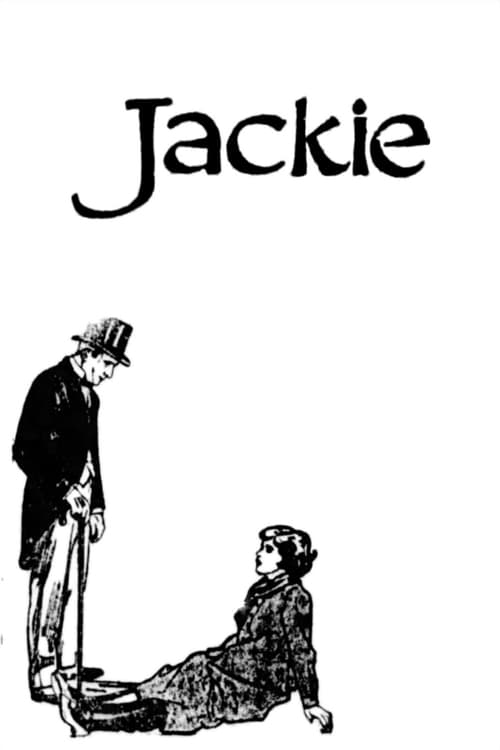
6. Jackie
Pablo Larraín's intimate portrait offers a unique lens into the immediate aftermath of tragedy for a public figure. Natalie Portman’s Jacqueline Kennedy navigates profound personal grief while acutely aware of her role in shaping her husband’s legacy and comforting a nation. The film meticulously illustrates the immense pressure to curate an image, even in vulnerability, demonstrating how historical narrative is often forged through carefully managed public perception, even in the most private moments.