


1. Possession
Andrzej Żuławski's feverish 1981 masterwork remains a visceral exploration of divorce, paranoia, and the grotesque. Isabelle Adjani delivers a performance of harrowing intensity, anchoring a narrative that blurs psychological drama with body horror against the bleak backdrop of Cold War Berlin. It is less a film to be understood than an experience to be endured, a raw nerve exposed on celluloid. Its uncompromising vision still challenges and repulses, demanding reappraisal for its unique, potent cinematic language.
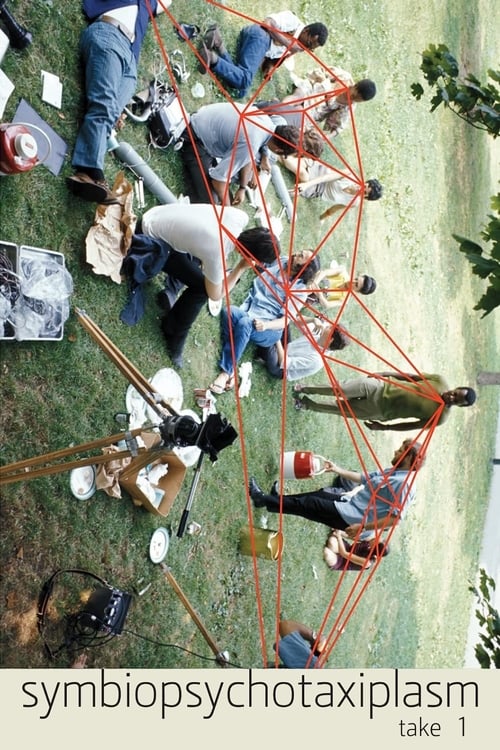
2. Symbiopsychotaxiplasm: Take One
William Greaves’s 1968 meta-documentary is a groundbreaking exercise in cinematic self-reflection. Ostensibly a film about making a film, it cleverly deconstructs the documentary form itself, capturing the friction between director, crew, and actors. This experimental gem observes the process, the artifice, and the uncomfortable truths that emerge when reality is purposefully manipulated for the camera. Its layered complexity challenges perceptions of authenticity, proving remarkably prescient in its exploration of media's subjective nature.
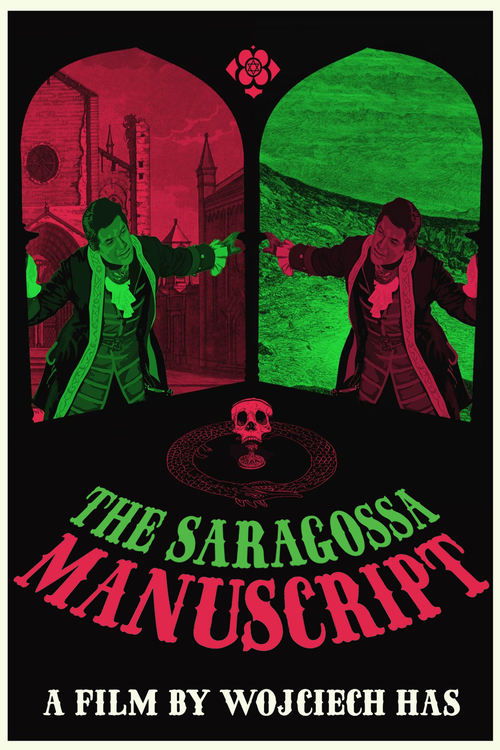
3. The Saragossa Manuscript
Wojciech Has's 1966 Polish epic is a mesmerizing, labyrinthine journey through interwoven tales of adventure, mysticism, and the supernatural. Inspired by Jan Potocki’s novel, its baroque structure and dreamlike atmosphere transport the viewer to 18th-century Spain, constantly shifting perspectives and blurring the lines between reality and delusion. This film is a rich tapestry of philosophical inquiry and visual splendor, a truly unique piece of world cinema that rewards patience and invites deep engagement with its narrative complexities.
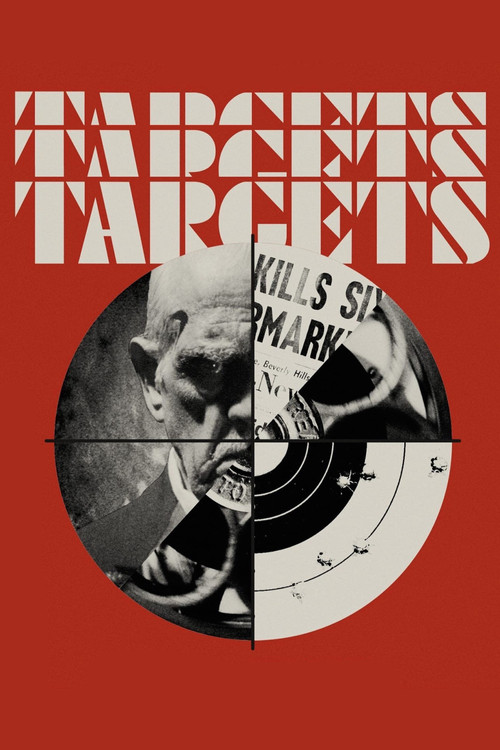
4. Targets
Peter Bogdanovich’s impressive 1968 debut masterfully juxtaposes the fading grandeur of classic horror icon Boris Karloff with the chilling rise of anonymous, real-world violence. It is a stark reflection of America's anxieties post-Kennedy, exploring the terrifying banality of a mass shooter's motivation. This film is a poignant commentary on the shift from theatrical evil to existential dread, demonstrating Bogdanovich’s early command of both genre and social observation, a prescient and unsettling work.
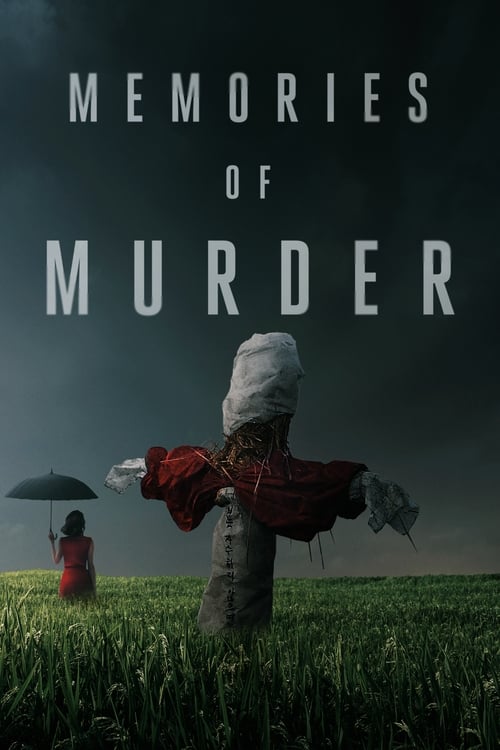
5. Memories of Murder
Before "Parasite," Bong Joon-ho delivered this stunning 2003 procedural, a chilling, darkly comedic, and ultimately tragic examination of an unsolved serial killer case in 1980s South Korea. Bong masterfully blends genre conventions with incisive social commentary, dissecting the nascent, often incompetent, police force and the broader anxieties of a nation in transition. Its ambiguous ending and haunting final shot cement its status as a profound and unforgettable exploration of futility and memory.
6. The Vanishing
George Sluizer's original 1988 Dutch-French thriller is a masterclass in psychological tension, a deeply unsettling exploration of obsession and the darkest corners of human curiosity. It meticulously builds dread not through jump scares, but through an existential quest for truth, culminating in one of cinema's most disturbing and unforgettable endings. This film delves into the profound terror of the unknown, forcing its protagonist, and audience, to confront the ultimate price of certainty.
7. Brazil
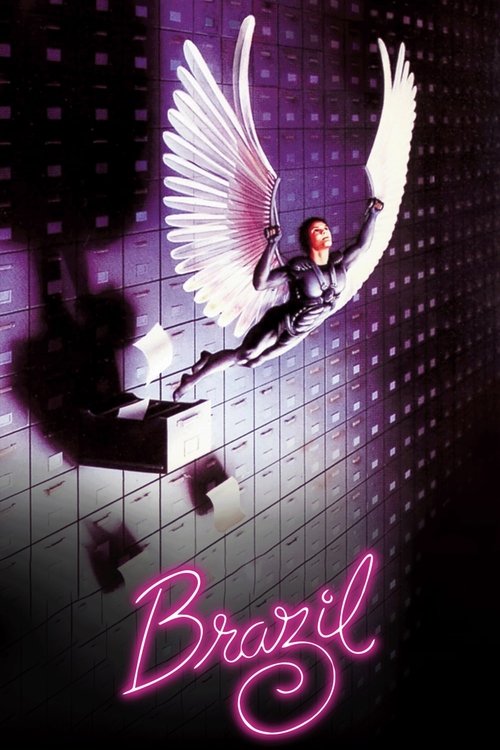
Terry Gilliam’s 1985 dystopian masterpiece remains a potent, chaotic satire of bureaucratic absurdities and oppressive consumerism. Its singular visual style, blending retro-futurism with nightmarish industrialism, creates a world both ridiculously funny and deeply terrifying. Gilliam’s struggle for final cut famously highlighted the film's own themes of individual rebellion against systemic control. It is a visionary, often melancholic, yet exhilarating cinematic experience, a testament to unchecked imagination and social critique.
8. Throne of Blood
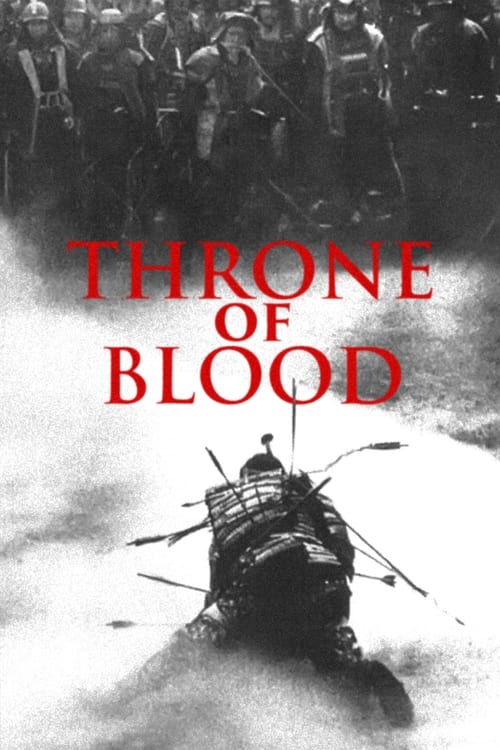
Akira Kurosawa’s 1957 reinterpretation of Shakespeare’s "Macbeth" transports the tragedy to feudal Japan with breathtaking cinematic power. Employing Noh theatre aesthetics and stark, atmospheric visuals, Kurosawa crafts a fable of ambition, fate, and moral decay. Toshiro Mifune’s performance as Washizu is volcanic, culminating in an iconic, arrow-filled climax. It is a testament to Kurosawa’s genius that this adaptation transcends its source, becoming a singular, unforgettable work of art.
9. The Cremator
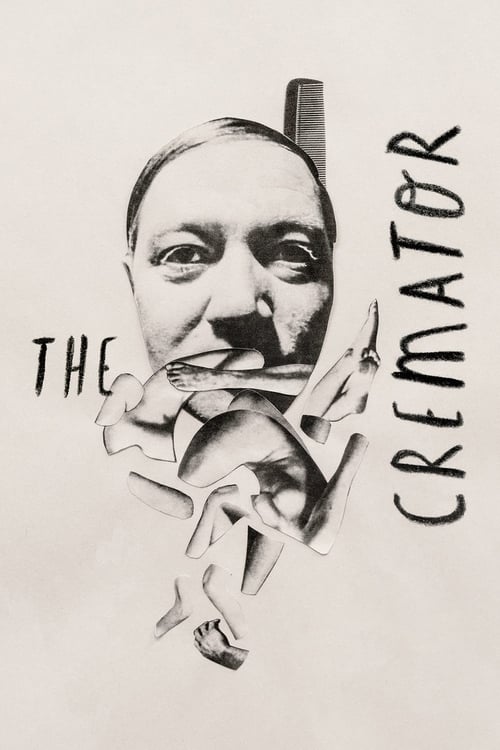
Juraj Herz’s 1969 Czechoslovak New Wave gem is a darkly comedic, genuinely unsettling descent into madness, set against the backdrop of rising fascism. Its protagonist, a meticulous cremator, rationalizes his burgeoning evil with chilling enthusiasm, transforming into a grotesque agent of oblivion. The film's macabre humor, surreal flourishes, and disorienting camera work create a unique, nightmarish vision, a potent and disturbing allegory for historical horrors that resonates profoundly.

10. Killer of Sheep
Charles Burnett's 1978 landmark of independent American cinema offers a tender, neorealist portrait of daily life in Watts, Los Angeles. Shot on weekends with non-professional actors, it captures the struggles and fleeting joys of working-class Black families with profound authenticity and poetic grace. Burnett’s intimate lens finds dignity and resilience amidst hardship, crafting a powerful, understated narrative that feels both deeply personal and universally resonant. It is an essential, often overlooked, humanistic masterpiece.
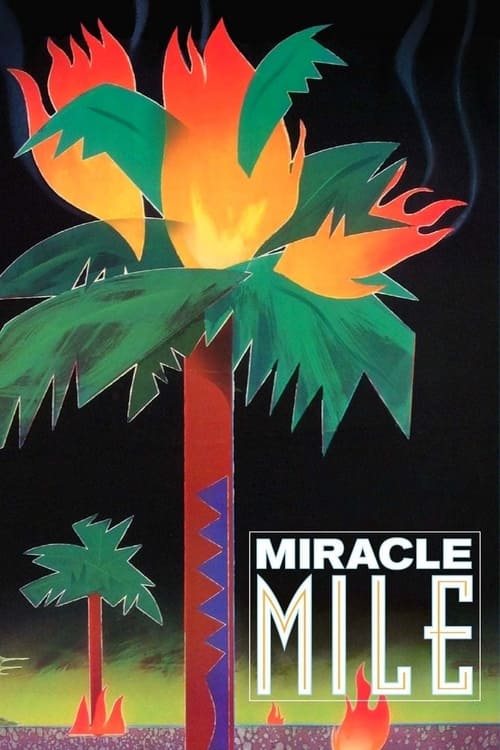
11. Miracle Mile
Steve De Jarnatt’s 1989 real-time thriller is a frantic, apocalyptic ride fueled by Cold War paranoia and existential dread. When a man accidentally intercepts a call signaling imminent nuclear attack, a romantic night turns into a terrifying race against the clock. This film masterfully balances dark humor with genuine suspense, capturing the chaotic panic of an impending doomsday scenario with relentless energy. It's a cult classic that deserves wider recognition for its unique, breathless vision.