

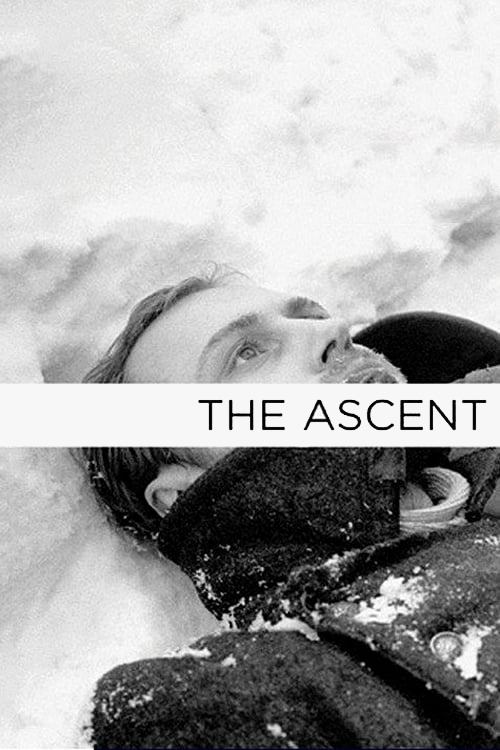
1. The Ascent
Larisa Shepitko’s final film is a harrowing, visually stark meditation on faith and humanity amidst the desolation of war. Set against a frozen Belarusian landscape, it transcends mere survival narrative, delving into profound spiritual and moral quandaries faced by two partisan soldiers. Shepitko’s masterful direction uses the unforgiving environment as a crucible, forging a narrative of immense power and deeply unsettling introspection, echoing the resilience and fragility of the human spirit.

2. Mikey and Nicky
Elaine May’s *Mikey and Nicky* is a brutal, unvarnished portrait of male friendship and betrayal, played out in the dark, desperate hours of a single night. May's semi-improvised approach grants the film a raw, unsettling authenticity, capturing the volatile dynamics between its two leads with uncomfortable intimacy. It's a masterclass in psychological realism, revealing the corrosive nature of loyalty and fear in a world where trust is a luxury.
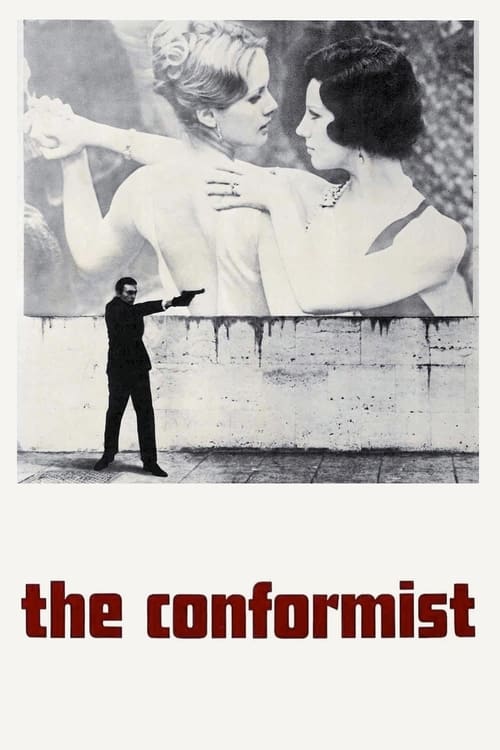
3. The Conformist
Bernardo Bertolucci’s *The Conformist* is a visually opulent and psychologically complex exploration of fascism's insidious allure. Its breathtaking cinematography, with its meticulous compositions and evocative use of light and shadow, crafts a world of moral ambiguity and political compromise. Marcello Clerici’s journey into complicity is not merely a political statement, but a deep dive into the seductions of conformity and the personal costs of ideological surrender. A true cinematic landmark.
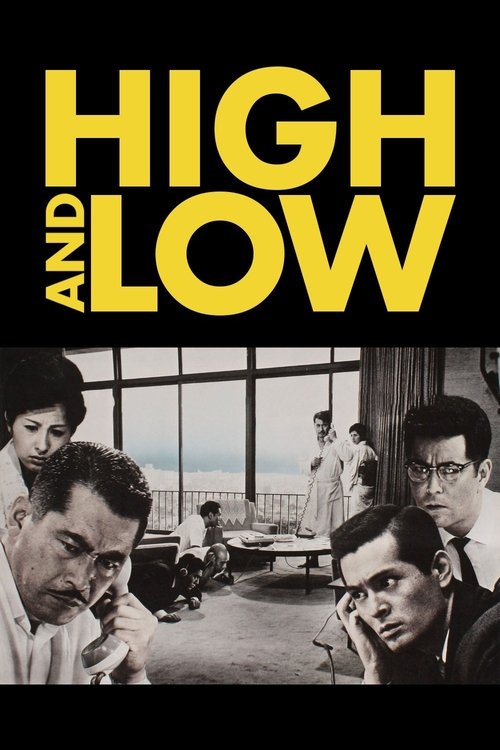
4. High and Low
Akira Kurosawa’s *High and Low* is a meticulously crafted thriller that doubles as incisive social commentary. A shoe executive faces a moral abyss when his chauffeur’s son is mistakenly kidnapped. Kurosawa masterfully builds tension, contrasting the opulent world of the rich with the desperate plight of the poor, forcing viewers to confront complex ethical questions about responsibility and justice. It’s a testament to his unparalleled narrative control and visual precision.
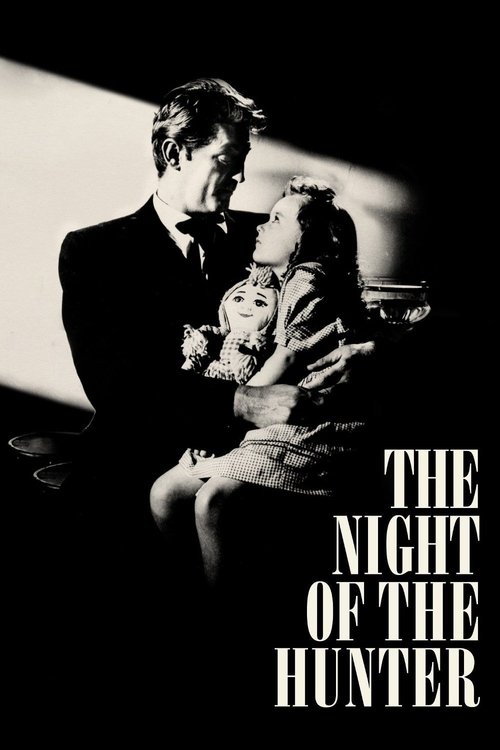
5. The Night of the Hunter
Charles Laughton's sole directorial effort, *The Night of the Hunter*, remains a singular, haunting masterpiece. Its striking German Expressionist aesthetic transforms a Depression-era tale into a terrifying, dreamlike fable of innocence pursued by pure evil. Robert Mitchum’s Reverend Harry Powell is an iconic, chilling figure, embodying the seductive danger of false piety, making this a timeless, nightmarish journey into the heart of darkness.
6. Céline and Julie Go Boating
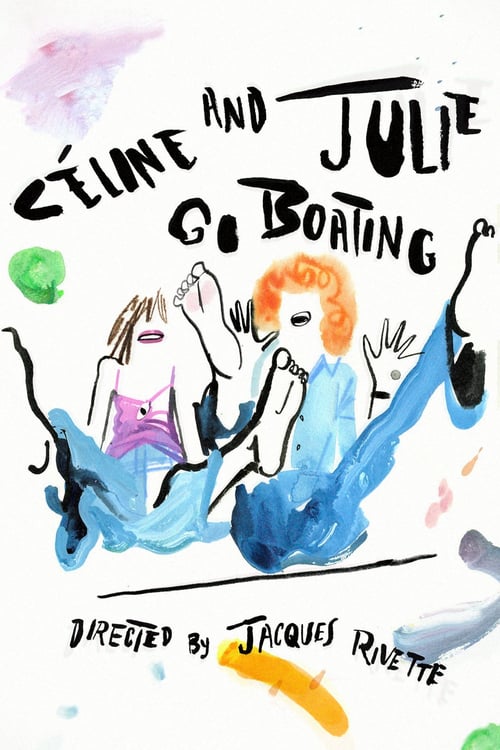
Jacques Rivette's *Céline and Julie Go Boating* is an enchanting, sprawling dive into narrative play and the magic of cinema itself. This French New Wave gem blurs reality and fantasy as two women become entangled in a mysterious, recurring drama. It’s a delightful, experimental work that celebrates female friendship, the power of storytelling, and the sheer joy of improvisational discovery, inviting viewers to lose themselves in its whimsical labyrinth.
7. Seconds
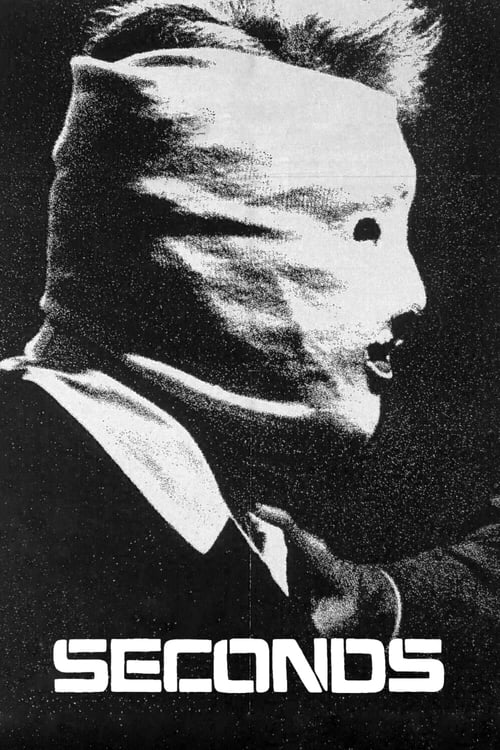
John Frankenheimer's *Seconds* is a chilling, existential nightmare that preys on anxieties about identity and the pursuit of a new life. Its audacious cinematography, particularly James Wong Howe’s distorted wide-angle lenses, mirrors the protagonist’s disorienting journey after undergoing a radical surgical transformation. This psychological thriller is a visceral, unsettling exploration of what it means to escape oneself, and whether true freedom is ever attainable.

8. Killer of Sheep
Charles Burnett’s *Killer of Sheep* is a seminal work of independent cinema, a poetic and unflinching look at working-class life in Watts, Los Angeles. Shot with a raw, neorealist sensibility, it captures the quiet dignity and daily struggles of its protagonist, Stan, a slaughterhouse worker. Burnett crafts an intimate, deeply human portrait of community and endurance, celebrating the ordinary while reflecting profound societal truths. A truly essential American film.
9. The Vanishing
George Sluizer’s original *The Vanishing* (Spoorloos) is a masterclass in psychological dread, a film that twists the conventional thriller into something far more insidious. A man’s obsessive search for his vanished girlfriend leads him into a chilling game with the abductor, culminating in one of cinema’s most disturbing and unforgettable endings. It’s a relentless, intelligent exploration of obsession and the depths of human cruelty, leaving a profound impact.
10. The Red Shoes
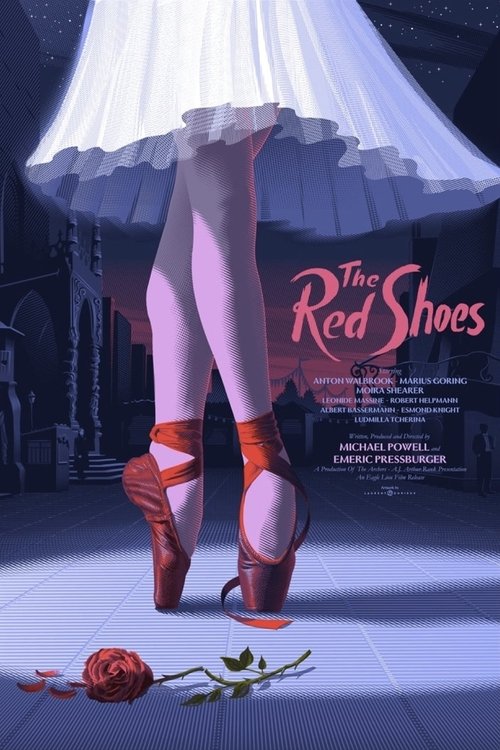
Powell and Pressburger’s *The Red Shoes* is a vibrant, opulent masterpiece that marries the intoxicating world of ballet with a tragic, romantic melodrama. Its groundbreaking Technicolor cinematography and innovative visual storytelling are simply breathtaking, creating a fantastical, almost hallucinatory experience. The film explores the consuming nature of artistic ambition and the sacrifices demanded by passion, remaining a testament to cinematic artistry and emotional depth.