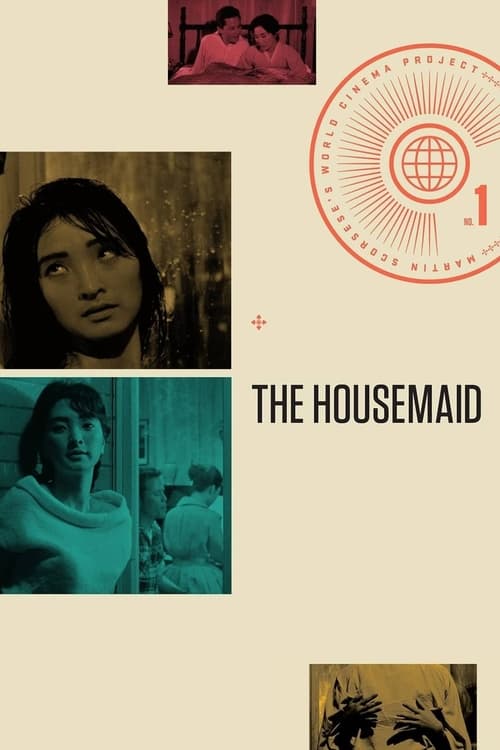
1. The Housemaid
Kim Ki-young's 1960 masterpiece, "The Housemaid," is a relentless descent into domestic horror, long before the term "elevated" became fashionable. Its claustrophobic tension and class commentary, driven by a disruptive live-in maid, reveal a director unafraid to push boundaries with audacious camera work and psychological depth. This film proves that true terror often resides in the crumbling foundations of the familiar. The 1960 version is a visceral, unforgettable experience, a testament to a singular vision.
2. Vampyr
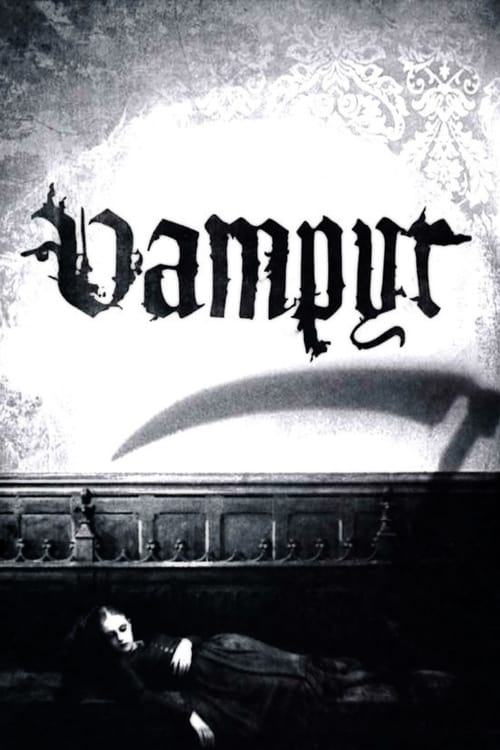
Carl Theodor Dreyer's "Vampyr" from 1932 is not merely a horror film; it's a waking nightmare committed to celluloid. Eschewing conventional narrative for an ethereal, dreamlike quality, Dreyer conjures dread through shadow, silence, and unsettling imagery. Its influence on subsequent genre films is undeniable, yet its unique, almost hallucinatory aesthetic remains untouched. Here, atmosphere and psychological terror transcend any budgetary constraints, crafting an experience that lingers long after the credits.
3. The Night of the Hunter
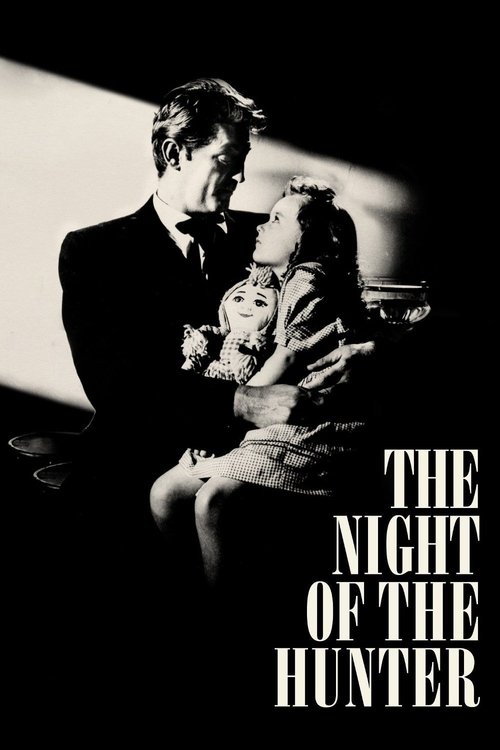
Charles Laughton's singular directorial triumph, "The Night of the Hunter" (1955), is a haunting, expressionistic fable. Robert Mitchum's Preacher Harry Powell, with "LOVE" and "HATE" tattooed on his knuckles, is a terrifying figure of corrupted faith, pursuing two children through a stylized American Gothic landscape. Laughton's vision, steeped in German Expressionism and Southern folklore, created a film ahead of its time, its stark black-and-white cinematography and chilling suspense cementing its place as a unique masterpiece.

4. Withnail & I
Bruce Robinson’s 1987 black comedy, "Withnail & I," is a masterclass in acerbic wit and glorious squalor. Following two unemployed actors escaping London for a disastrous country retreat, its indelible dialogue and pitch-perfect performances by Richard E. Grant and Paul McGann have cemented its cult status. Robinson's distinct voice crafts a deeply funny yet melancholic portrait of failure and friendship, proving that sharp writing and genuine character work can outshine any blockbuster budget.
5. The Conformist
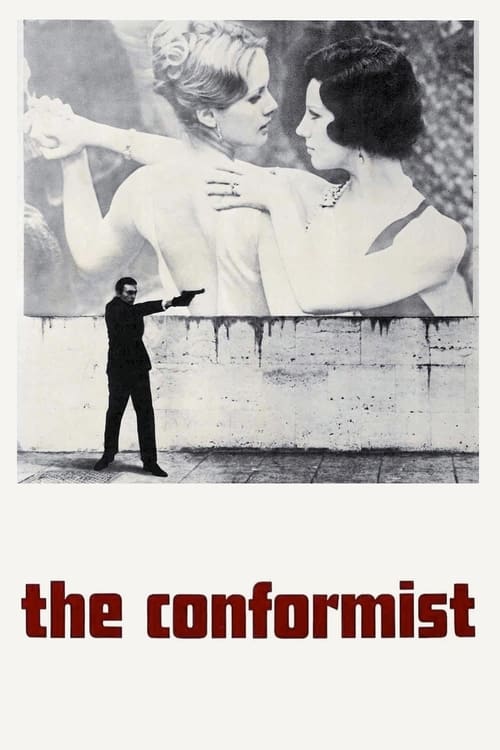
Bernardo Bertolucci's 1971 "The Conformist" is a breathtaking cinematic achievement, a sumptuous and unsettling exploration of fascism's allure through the eyes of Marcello Clerici. Its visual artistry, courtesy of Vittorio Storaro's legendary cinematography, transforms political ideology into a ballet of light and shadow, grand architecture and intimate betrayal. Bertolucci’s audacious style and thematic ambition demonstrate how a powerful, singular vision can elevate narrative into an unforgettable, operatic experience, even decades later.

6. Le Samouraï
Jean-Pierre Melville’s "Le Samouraï" (1967) defines cool with its minimalist aesthetic and stoic protagonist, Jef Costello. Alain Delon’s performance as the solitary hitman is a masterclass in understated intensity, inhabiting a world governed by ritual and betrayal. Melville’s precise direction and stark visual language transform a genre piece into an existential meditation on fate and isolation. It’s a testament to how a director’s unwavering stylistic control can create an iconic, universally admired work of art.
7. Come and See
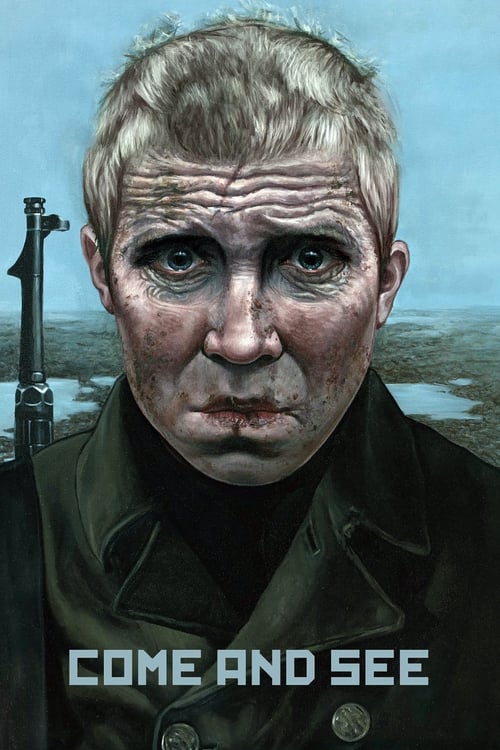
Elem Klimov’s 1985 "Come and See" is not merely an anti-war film; it’s an unforgiving descent into the visceral terror of human conflict. Seen through the eyes of a young boy, Flyora, joining the partisans in Belarus during WWII, Klimov eschews sentimentality for a brutal, hallucinatory realism. Its unflinching portrayal of atrocity and psychological devastation leaves an indelible mark, proving that true cinematic power often lies in confronting uncomfortable truths with uncompromising artistic integrity.
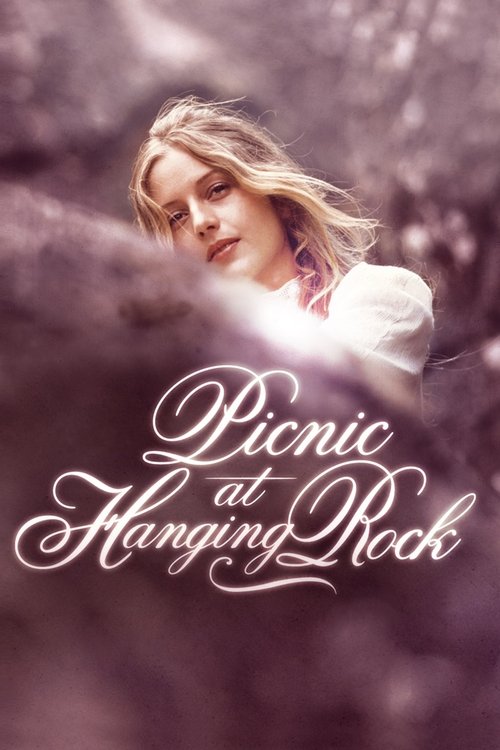
8. Picnic at Hanging Rock
Peter Weir’s 1975 "Picnic at Hanging Rock" is a hypnotic, enigmatic masterpiece, weaving an indelible spell of mystery and unease. The unexplained disappearance of schoolgirls in the Australian outback becomes a metaphor for colonial fragility and repressed desires. Weir's ethereal direction, coupled with Russell Boyd's luminous cinematography and Bruce Smeaton's haunting score, crafts an atmospheric tapestry that values mood over resolution. It's a film that proves mystery isn't always about answers, but the unsettling questions it leaves behind.