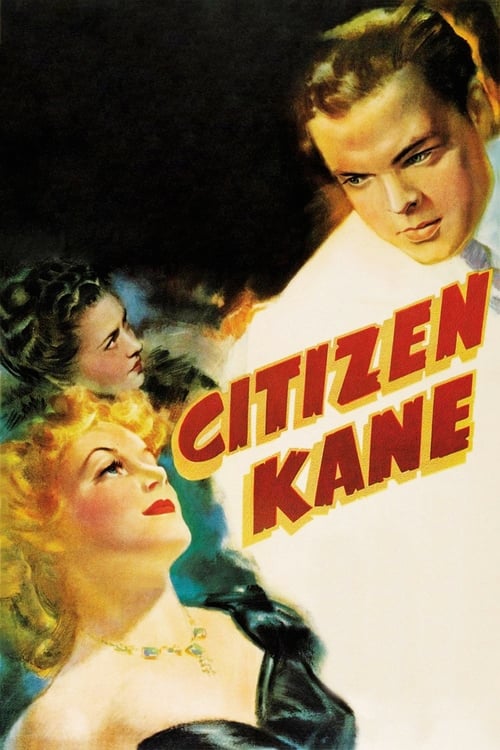
1. Citizen Kane
Orson Welles's singular vision, from 1941, remains a monumental achievement in cinematic form and narrative complexity. Its non-linear structure and innovative cinematography, particularly Gregg Toland’s deep focus, shattered conventional storytelling, forcing audiences to reconsider film's mechanics. Beyond a media magnate's biography, it’s a profound meditation on ambition, isolation, and the elusive nature of truth, reflecting a persistent American mythos. Its influence is indelible, a perpetual textbook for aspiring auteurs.
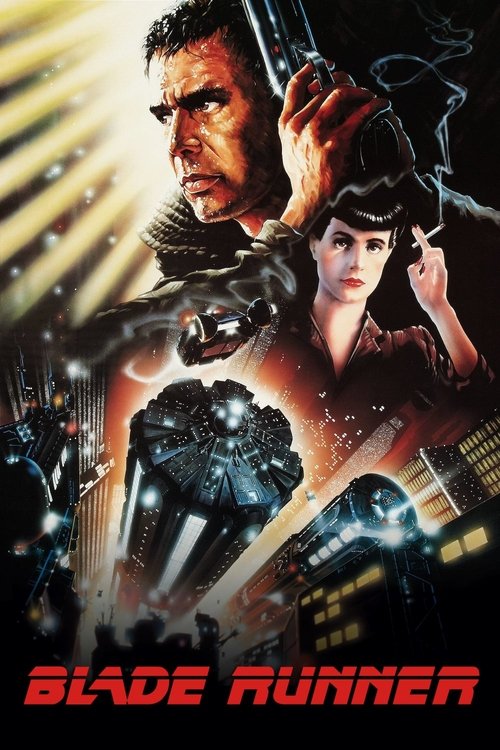
2. Blade Runner
Ridley Scott's 1982 neo-noir masterpiece wasn't immediately understood, yet its vision of a rain-slicked, dystopian Los Angeles, teeming with synthetic life, became a cornerstone of science fiction. Its profound philosophical questions about identity, humanity, and artificial intelligence resonate more deeply with each passing year, especially as technology blurs ethical lines. Moreover, its meticulous world-building and Vangelis's atmospheric score set a benchmark for immersive cinematic experiences, proving genre film could tackle existential quandaries with unparalleled style.
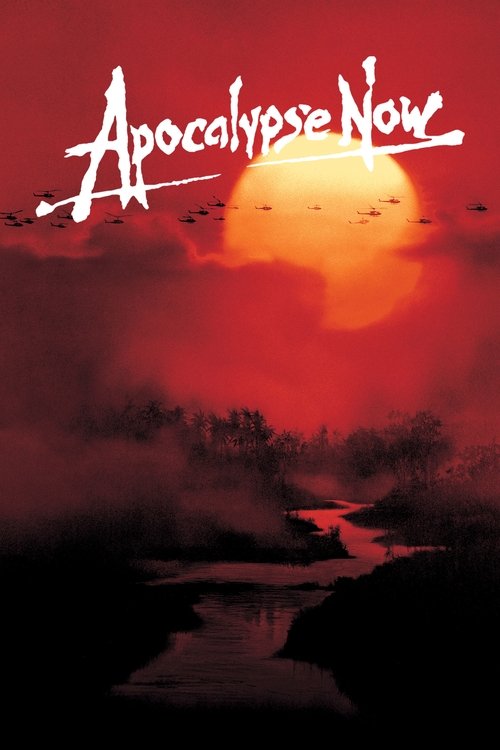
3. Apocalypse Now
Francis Ford Coppola’s audacious journey into the heart of darkness, set against the brutal backdrop of the Vietnam War, is less a war film and more a fever dream of psychological unraveling. The production itself was legendary for its chaotic intensity, mirroring the film’s themes of moral decay and the seductive madness of power. Coppola pushed cinematic boundaries, weaving surreal imagery with a visceral soundscape, creating an experience forcing viewers to confront humanity's darkest aspects and conflict's intoxicating, destructive nature.
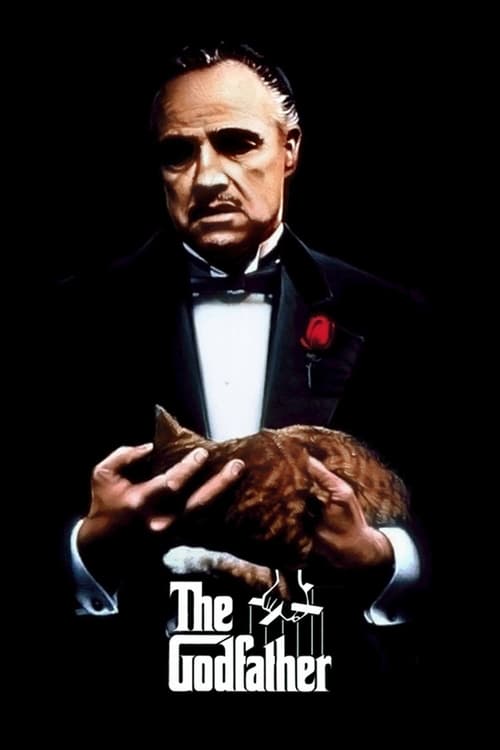
4. The Godfather
Francis Ford Coppola, again, crafted not just a gangster film, but an epic American saga about family, power, and the corrosive nature of the American Dream. Its meticulous character development and iconic performances established indelible archetypes. Coppola’s classical storytelling, infused with operatic grandeur and Shakespearean tragedy, elevated a genre often relegated to pulp. It’s a profound exploration of patriarchal structures and the difficult choices made in the pursuit of legacy, a timeless study of tradition clashing with modernity.
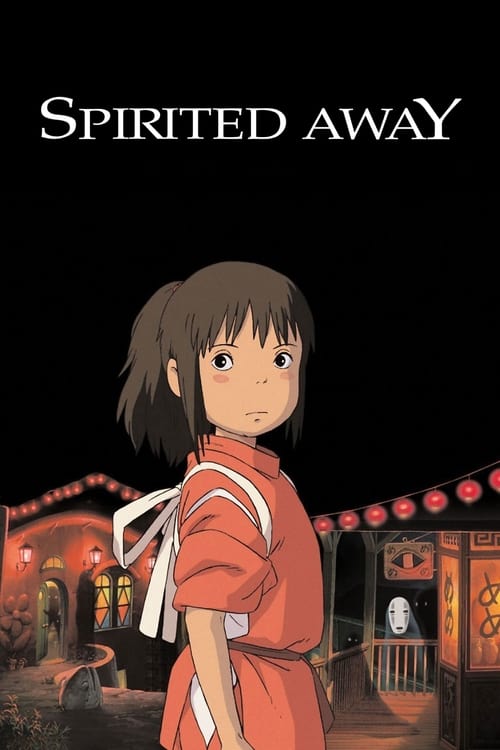
5. Spirited Away
Hayao Miyazaki’s animated masterpiece transcends cultural barriers, inviting audiences into a breathtaking, dreamlike world brimming with spirits and profound allegories. Its seemingly simple tale of a young girl navigating a fantastical bathhouse to save her parents offers deep reflections on consumerism, environmentalism, and the loss of innocence. Studio Ghibli’s unparalleled hand-drawn artistry, combined with Miyazaki's empathetic storytelling, creates a truly universal narrative speaking to the human spirit’s resilience and adaptability, cementing its place in global cinema.

6. Seven Samurai
Akira Kurosawa’s 1954 epic is more than just a historical action film; it’s a foundational text in cinematic narrative. Its intricate choreography of character and action, coupled with groundbreaking editing and multi-camera techniques, influenced countless filmmakers across genres and continents. The story of desperate villagers hiring masterless samurai for protection is a timeless tale of heroism, sacrifice, and the enduring struggle against oppression. Kurosawa’s meticulous attention to human drama within an expansive scope redefined epic storytelling.