
1 / 7
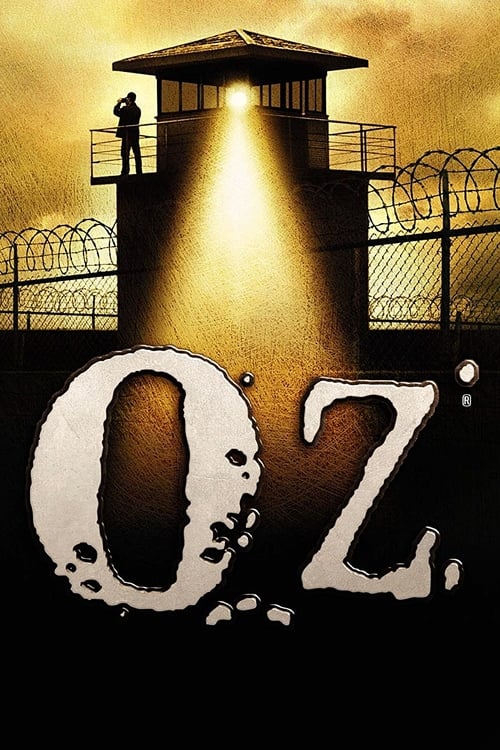
1. Oz
This HBO joint hit different. Before 'prestige TV' was even a buzzword, Oz plunged into serialized, morally gray storytelling with an ensemble cast you couldn't look away from. It was brutal, uncompromising, and showed everyone what cable could really do when it stopped playing nice. This wasn't just a prison drama; it was an experiment in narrative structure and character depth that paved the way for so much that came after.
2 / 7
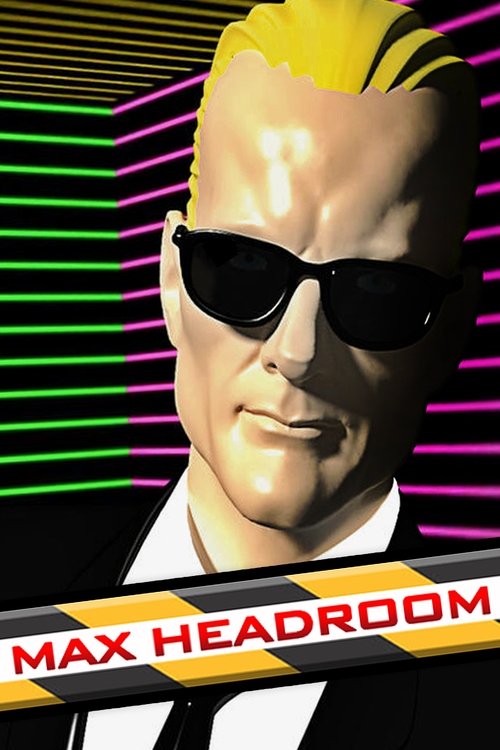
2. Max Headroom
Talk about looking into the future. This show, both its British TV movie and the US series, nailed the cyberpunk aesthetic and media saturation decades before it was our reality. The whole 'on-demand' concept, the data-driven world, even the glitchy digital persona – it was all there, a prescient, jarring vision of what was coming. It felt like watching a broadcast from tomorrow, showing us a world obsessed with screens and information overload long before the internet became ubiquitous.
3 / 7
3. The Chris Rock Show
Chris Rock brought an edge to late-night sketch comedy that felt completely fresh. His monologues were sharp, provocative, and tackled race and politics head-on without apology. It wasn't just funny; it was smart, insightful, and often uncomfortable, pushing boundaries in a way network TV rarely dared. He anticipated the more personal, socially conscious comedy that would dominate later, proving late-night could be more than just punchlines.
4 / 7
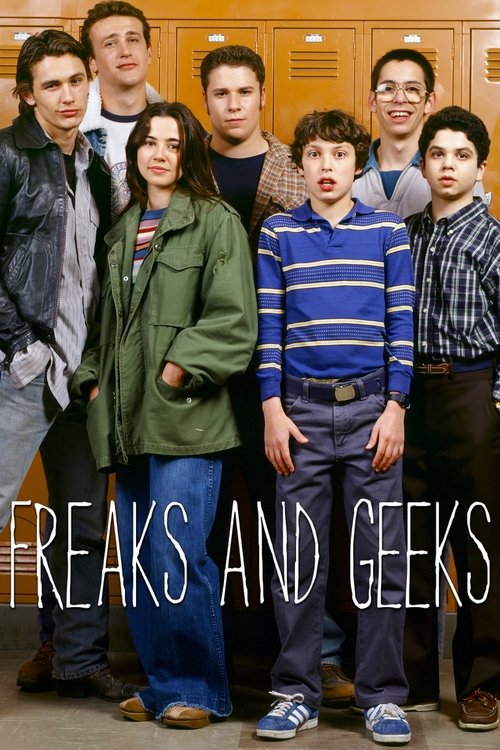
4. Freaks and Geeks
Man, this show got it right. It was a perfect snapshot of suburban adolescence, authentic and raw, without the usual sitcom gloss. The naturalistic dialogue, the unvarnished struggles of these kids, the genuine ensemble feel – it felt more like a movie than a TV show. It laid the groundwork for a whole generation of coming-of-age stories that dared to be less polished and more honest about growing up.
5 / 7
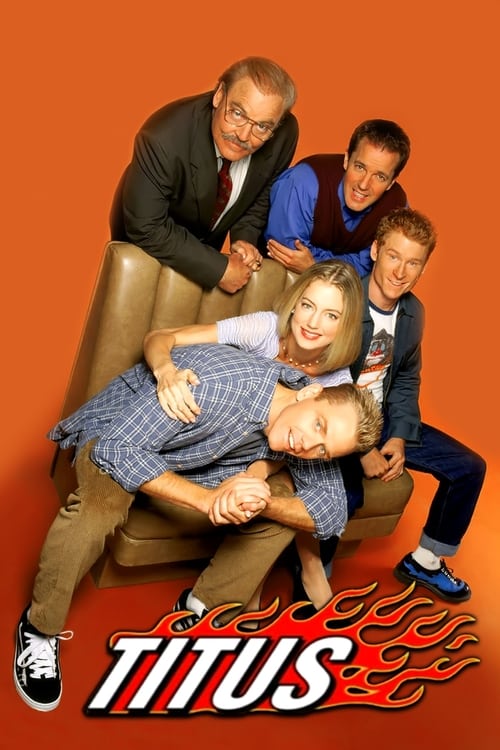
5. Titus
This sitcom was dark. Like, really dark. Christopher Titus took his messed-up family life and turned it into a surprisingly poignant, frequently hilarious, and utterly unconventional comedy. It broke the mold of the traditional multi-cam setup, weaving in monologues and a bleak worldview that was way ahead of its time for network TV. It showed you could find humor in real pain and that sitcoms didn't always need a happy ending.
6 / 7
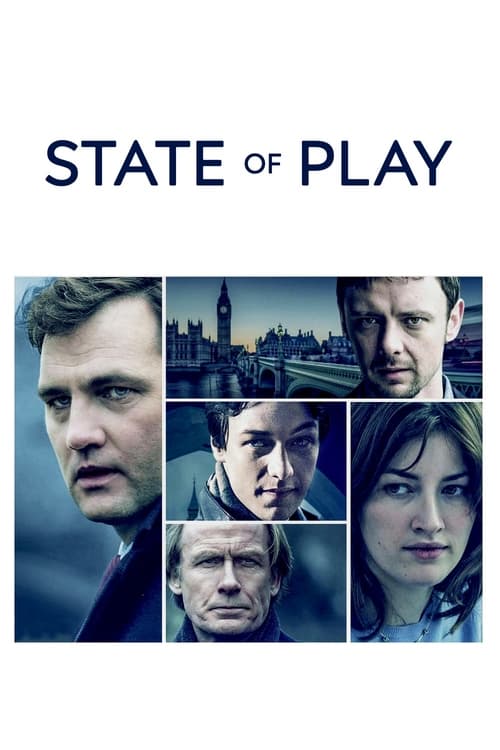
6. State of Play
Before everyone was raving about British thrillers, this miniseries set the bar for smart, serialized political drama. Its intricate plot, moral ambiguities, and cinematic pacing felt like a novel playing out on screen. It wasn't just a mystery; it was a deep dive into journalism and power, proving that television could deliver complex, high-stakes narratives with a proper ending. This felt like a movie spread across six hours.
7 / 7
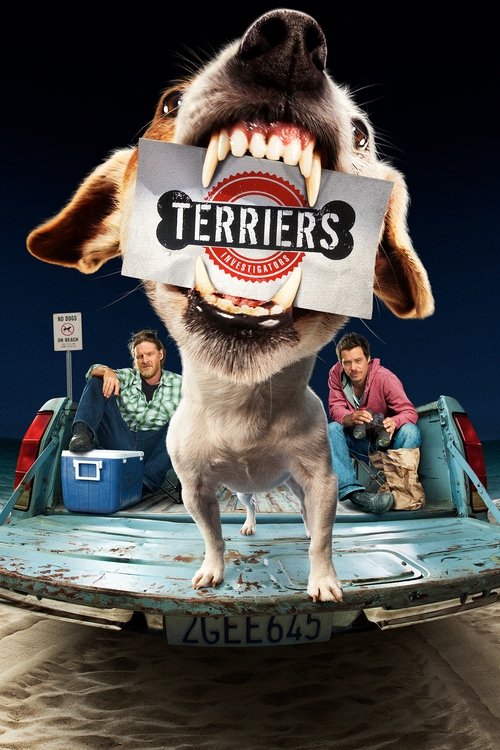
7. Terriers
This one got done dirty. A private eye dramedy with incredible character work and a distinct, sun-drenched Southern California vibe. It nailed that blend of humor and melancholy, showing flawed but lovable guys trying to do right. It was serialized, cinematic, and felt like something you'd binge-watch today, but it just hit too early for its own good on a network. A true cult classic that deserved more eyes.