1. Repo Man
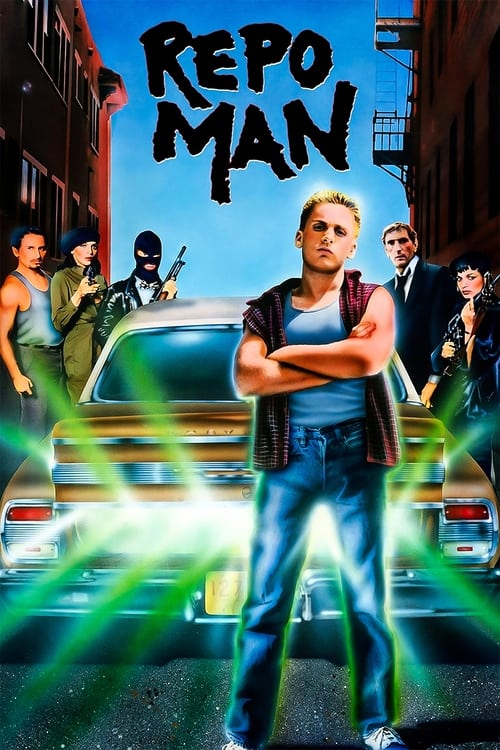
Alex Cox’s 1984 punk rock odyssey is a glorious, chaotic mess, blending sci-fi, dark comedy, and a scathing critique of American consumerism. Otto, a young punk, falls into the world of repo men, chasing down a mysterious Chevy Malibu with a trunk full of secrets. It’s hilariously absurd, deeply cynical, and utterly original. The film’s DIY aesthetic and anti-establishment spirit make it feel like a transmission from another dimension, a true gem that algorithms probably flag as "too niche."
2. Pi
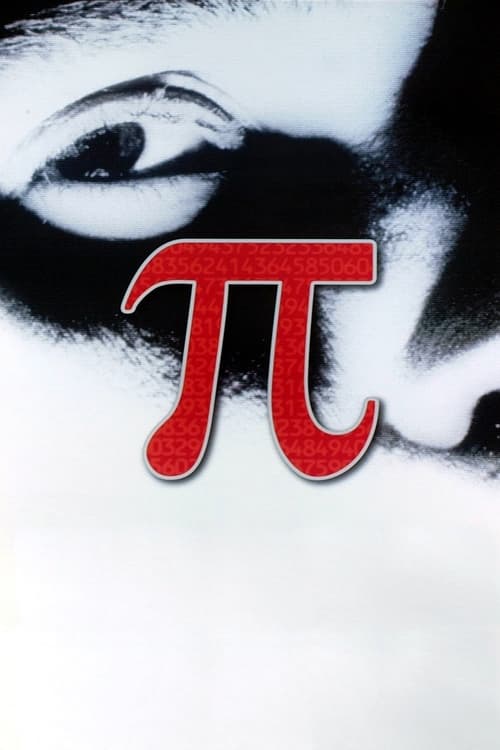
Darren Aronofsky’s 1998 debut, shot in stark black and white, is a relentless plunge into mathematical obsession and paranoia. Max Cohen, a brilliant but tormented mathematician, believes he can find universal patterns in the stock market, leading him down a rabbit hole of numerical mysticism and dangerous encounters. It’s a raw, intense, and deeply unsettling psychological thriller that pulsates with intellectual dread. This isn't background viewing; it demands your full, anxious attention.
3. The Vanishing
George Sluizer’s 1988 original Dutch/French version of *The Vanishing* is a masterclass in psychological dread, miles ahead of its American remake. A man’s girlfriend disappears at a gas station, and his desperate search turns into a terrifying obsession. The film isn't about the jump scares; it’s about the slow, agonizing descent into a mystery with an ending so chilling and nihilistic, it will haunt your thoughts for days. This movie proves true horror lies in the human mind.
4. Seconds
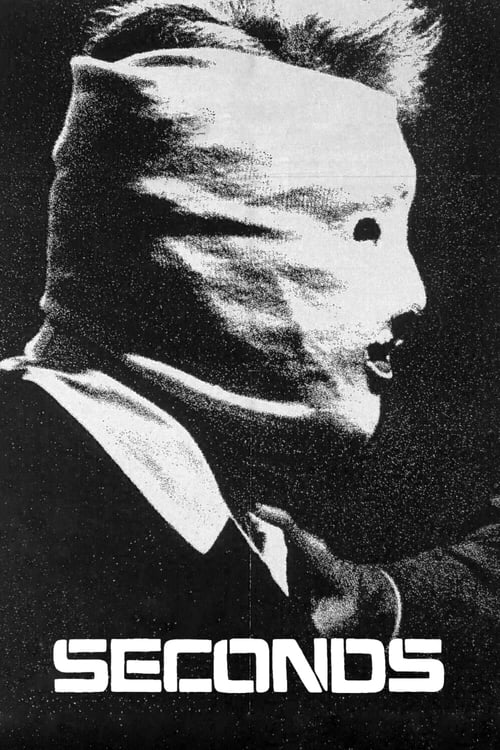
John Frankenheimer's 1966 *Seconds* is a chilling sci-fi thriller about identity and the terrifying pursuit of a second chance. An aging banker, unhappy with his life, undergoes a radical procedure to fake his death and receive a new body and identity. Rock Hudson delivers a career-defining performance as the man who soon discovers that escaping his past is far more complex and insidious than he imagined. It’s a profoundly unsettling commentary on conformity and existential dread, visually stunning and deeply disturbing.
5. Near Dark
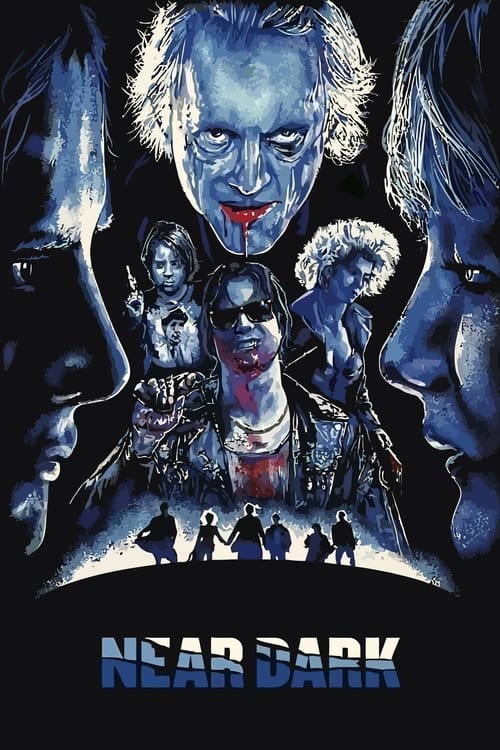
Before *Twilight* sanitized vampires, there was Kathryn Bigelow’s 1987 *Near Dark*, a gritty, sun-drenched, and blood-soaked vampire western. A young man is bitten by a drifter, forcing him into a nomadic family of vicious, old-school vampires. This isn’t gothic romance; it’s raw, visceral horror with phenomenal practical effects and a surprisingly melancholic heart. It redefined the vampire mythos with a punk rock attitude, proving Bigelow was a force long before Oscar wins.
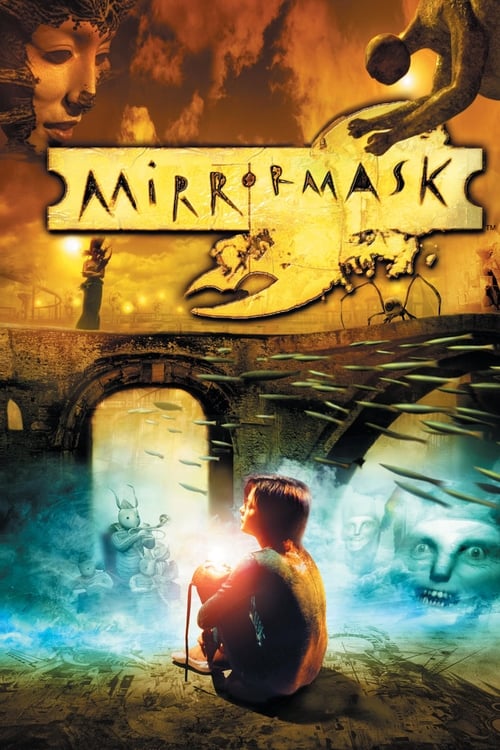
6. MirrorMask
From the minds of Neil Gaiman and Dave McKean, 2005’s *MirrorMask* is a visually stunning, deeply imaginative dark fantasy that feels like a fever dream. A young circus performer wishes she could escape her life and finds herself in a surreal, often unsettling dreamscape populated by bizarre creatures and shifting realities. It’s a truly unique, hand-crafted aesthetic, blending live-action with gorgeous, intricate animation. This film isn't for everyone, but for those who connect with its strange beauty, it’s unforgettable.

7. Primer
Shane Carruth’s 2004 *Primer* is the ultimate low-budget, high-concept indie film about time travel. Two engineers accidentally invent a device that allows them to manipulate time, leading to increasingly complex and dangerous ethical dilemmas. It’s notoriously dense, requiring multiple viewings and perhaps a flowchart to fully grasp, but that’s its genius. This film respects its audience’s intelligence and refuses to simplify its intricate narrative, making it a cerebral challenge algorithms don't know how to categorize.
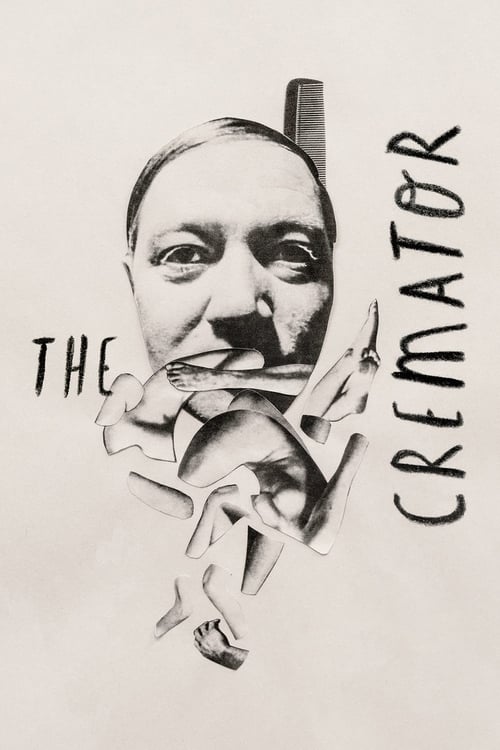
8. The Cremator
Juraj Herz’s 1969 *The Cremator* is a chilling, darkly comedic masterpiece from the Czech New Wave. Set in 1930s Czechoslovakia, it follows a meticulous, morbidly cheerful cremator whose fascination with death and cremation takes a sinister turn as Nazism rises. Shot with unsettling close-ups and surreal flourishes, it’s a terrifying portrait of a man’s descent into madness and complicity, wrapped in a veneer of bureaucratic politeness. This film is a truly disturbing, hypnotic experience.

9. Wake in Fright
Ted Kotcheff’s 1971 *Wake in Fright* is a brutal, sun-baked psychological thriller that plunges an English schoolteacher into the nightmare of the Australian outback. Stranded in a remote mining town, he encounters a toxic blend of hyper-masculinity, alcoholism, and primal savagery. It’s a relentlessly intense, viscerally disturbing descent into the heart of darkness, exploring themes of national identity and the thin veneer of civilization. This film was lost for decades, and its rediscovery was a revelation.

10. Coherence
James Ward Byrkit’s 2014 *Coherence* is a mind-bending sci-fi thriller shot almost entirely in one house during a dinner party. As a comet passes overhead, strange phenomena begin to unravel reality, forcing friends to confront unsettling possibilities about their identities and choices. It’s a masterclass in tension and intelligent storytelling, proving that you don’t need a massive budget for profound existential dread. This film is a tightly wound puzzle box that keeps you guessing until the very end.