
1 / 9
1. Homicide: Life on the Street
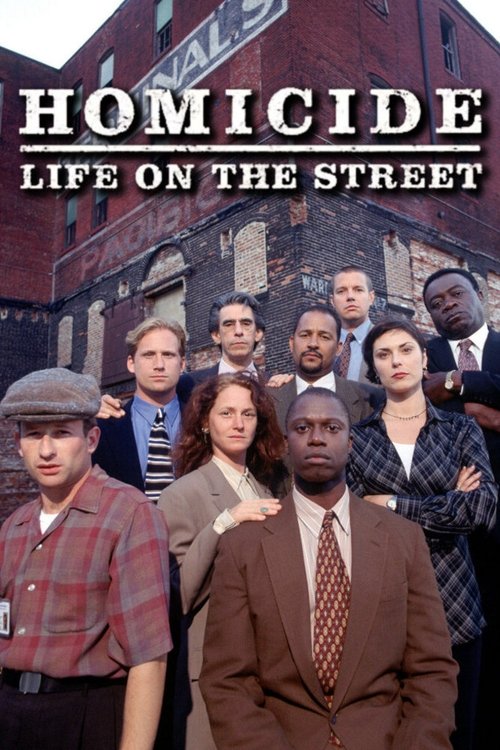
This show felt different from the jump, even on network TV. It was raw, unpolished, and the camera work was doing things nobody else dared. You got that ensemble grit, the real-time interrogation room tension, and storylines that weren't wrapped up neatly in an hour. It laid down a serious marker for what serialized crime drama could be, showing us that character and lingering consequences were where the real stories lived.
2 / 9

2. Sports Night
Before West Wing, there was Sports Night, Sorkin's rapid-fire dialogue masterclass. It was a half-hour dramedy that effortlessly blended razor-sharp wit with genuine emotional stakes. The ensemble cast was electric, navigating the chaos of live television while dealing with deeply personal arcs. It proved that smart writing and complex characters could thrive, even when disguised as a workplace comedy. It truly set the stage for serialized network storytelling.
3 / 9
3. Action
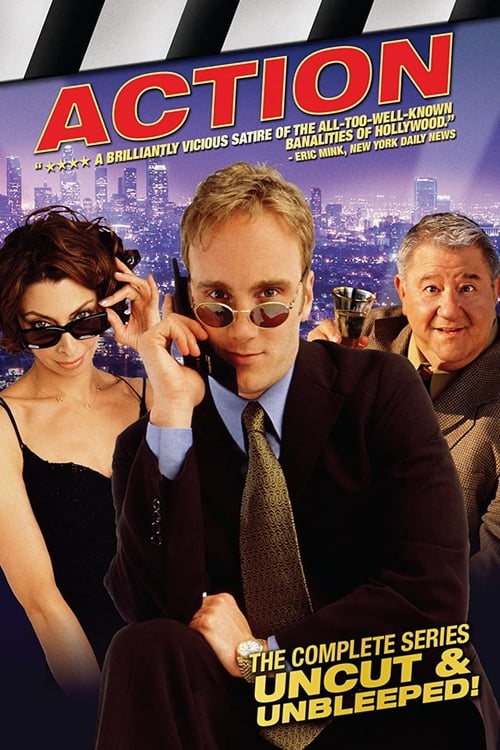
Fox tried something genuinely daring with "Action." It was this savage, no-holds-barred satire of Hollywood, dripping with cynicism and adult language that felt completely out of place on network television in '99. Jay Mohr played the morally bankrupt producer, and the show just reveled in its own bad behavior. It was short-lived because it was too much for the mainstream, but it foreshadowed the kind of boundary-pushing cable would later perfect.
4 / 9

4. The Office
The original UK "Office" was a revelation. Ricky Gervais and Stephen Merchant pioneered that painfully awkward mockumentary style, capturing the soul-crushing banality of office life with unflinching honesty. It was cringe comedy before we really had a name for it, building a world of subtle glances and unspoken despair. This wasn't just a sitcom; it was a character study wrapped in uncomfortable silence, forever changing how we laughed and squirmed.
5 / 9
5. The Shield
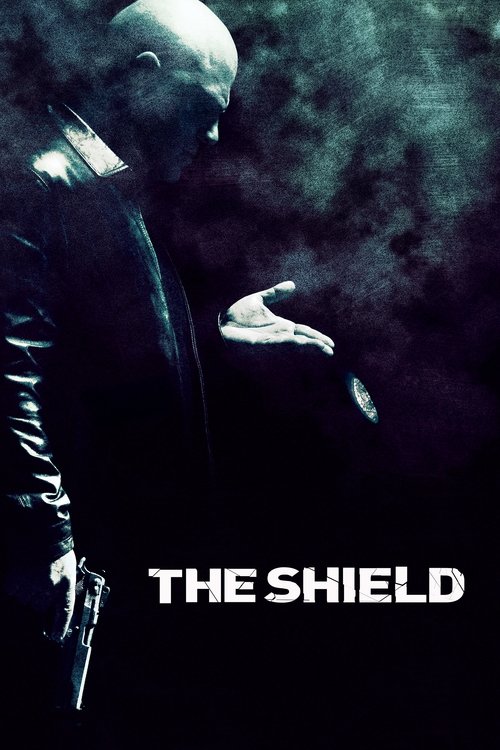
FX burst onto the scene with "The Shield," proving cable wasn't just for movies and reruns. Vic Mackey was the ultimate anti-hero, a corrupt cop you still found yourself rooting for, or at least understanding. This show was aggressive, morally ambiguous, and never pulled its punches. It pushed serialized storytelling into truly dark territory, forcing viewers to grapple with uncomfortable questions about justice and the grey areas between right and wrong.
6 / 9
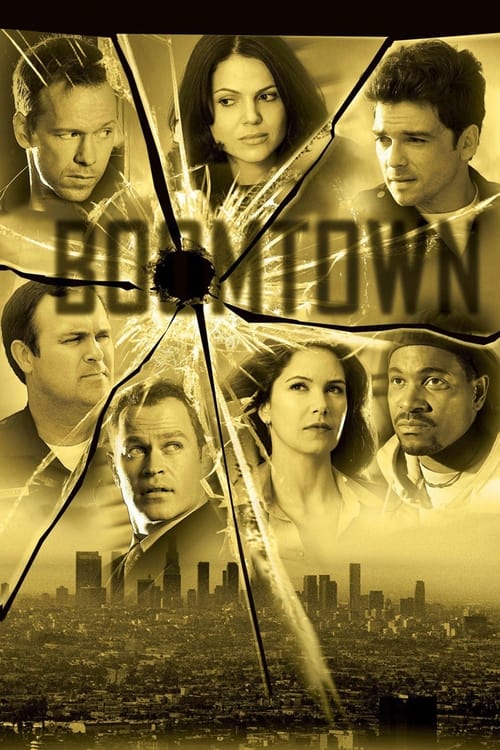
6. Boomtown
Boomtown was a procedural that dared to be ambitious, telling its stories from multiple perspectives – cops, criminals, victims – and often out of chronological order. This innovative, almost Rashomon-esque narrative structure gave every case a layered, cinematic feel. It demanded attention and rewarded it with a deeper understanding of its ensemble and their interconnected lives in Los Angeles. It was a complex, intelligent network drama ahead of its time.
7 / 9
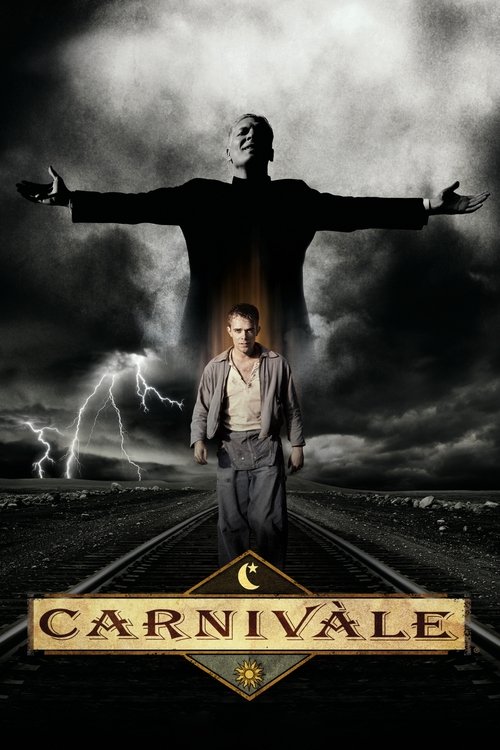
7. Carnivàle
HBO took a huge swing with "Carnivàle," delivering a Depression-era saga steeped in mysticism and biblical allegory. Its sprawling narrative, incredible production design, and deeply unsettling atmosphere were unlike anything else on TV. It was a slow burn, demanding commitment, and while it never quite finished its story, it remains a bold example of cable's willingness to invest in high-concept, deeply serialized, cinematic storytelling that few would even attempt.
8 / 9
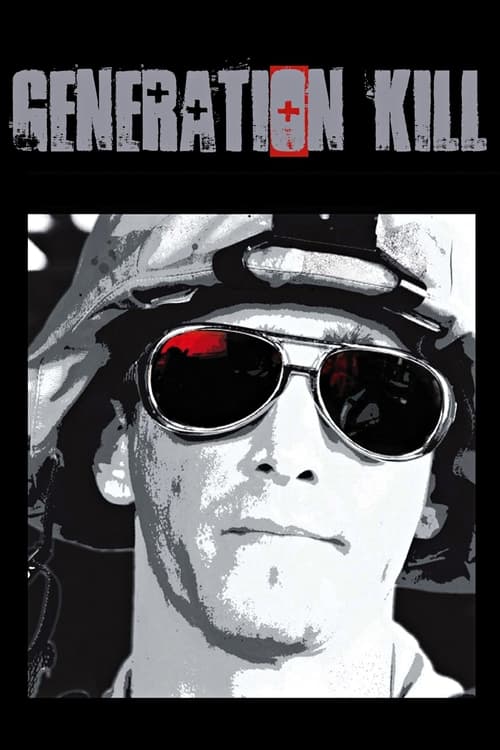
8. Generation Kill
Generation Kill was pure, unvarnished realism. HBO adapted Evan Wright’s book with unflinching detail, dropping us right into the chaotic, darkly humorous, and often mundane lives of Marines during the Iraq invasion. It felt like a documentary, showcasing the grunt's eye view without judgment or easy answers. This miniseries nailed the ensemble dynamics and the sheer absurdity of modern warfare, proving that television could tackle difficult history with cinematic precision.
9 / 9
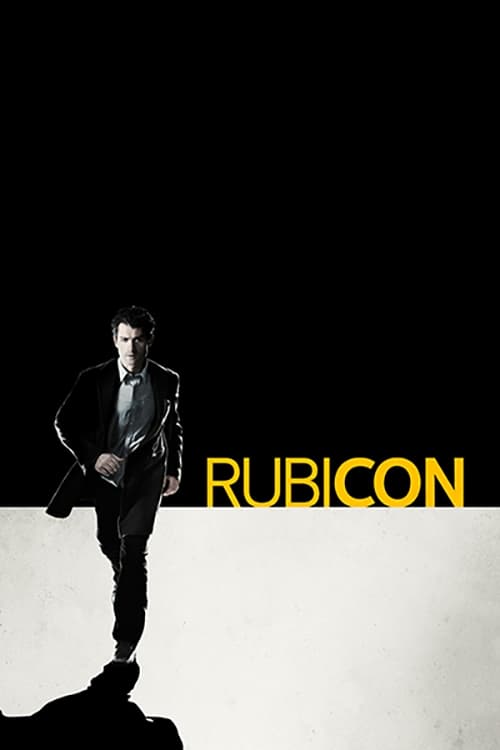
9. Rubicon
Rubicon was AMC's quiet, intellectual counterpoint to its flashier dramas. It was a slow-burn conspiracy thriller centered on a small team of intelligence analysts, focusing on the meticulous, often mundane work behind global secrets. The show reveled in its deliberate pace and intricate plotting, building tension through hushed conversations and subtle clues. It was a thinking person's spy drama, demonstrating cable's commitment to nuanced, serialized storytelling.