

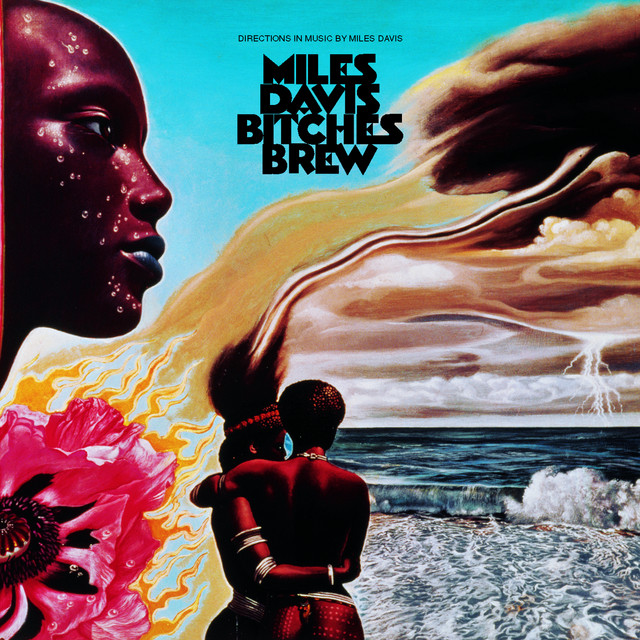
1. Bitches Brew
Bitches Brew isn't merely an album; it's a seismic event. Davis, armed with a wah-wah trumpet and a cadre of visionary musicians, shattered jazz conventions, forging a sound both primal and futuristic. The studio itself became an instrument, with Teo Macero's masterful edits weaving improvised chaos into a cohesive, sprawling tapestry. This was the raw, electric energy of jazz-fusion coalescing, pushing boundaries far beyond traditional structures, deeply influenced by rock's psychedelic currents while retaining an undeniable intellectual heft. It still sounds like the future.
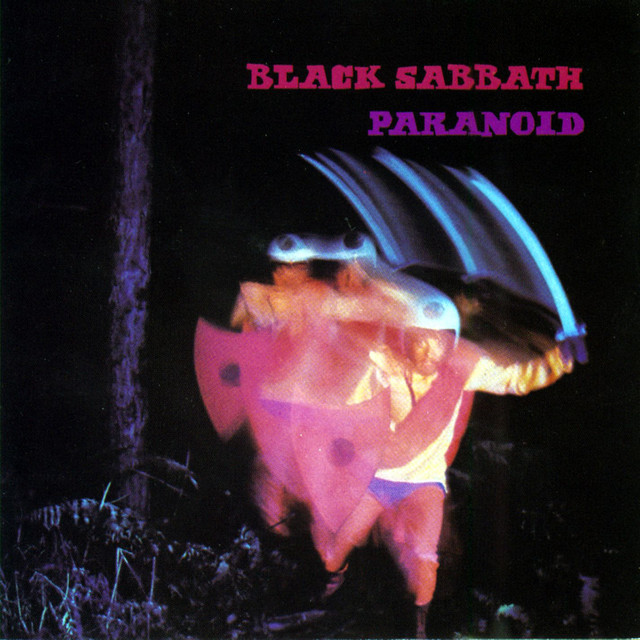
2. Paranoid (Remaster)
Forget the remaster for a moment; the original sonic blueprint of Paranoid remains a monolith. Here, Tony Iommi's downtuned, monstrous riffs, Geezer Butler's thundering bass, and Bill Ward's deceptively intricate drumming coalesce into the nascent form of heavy metal. Ozzy's plaintive wail draped over these dark, churning soundscapes was utterly revolutionary. It wasn't about studio polish; it was about capturing a visceral, almost terrifying energy that resonated with a generation, laying the grim groundwork for countless subgenres to follow.
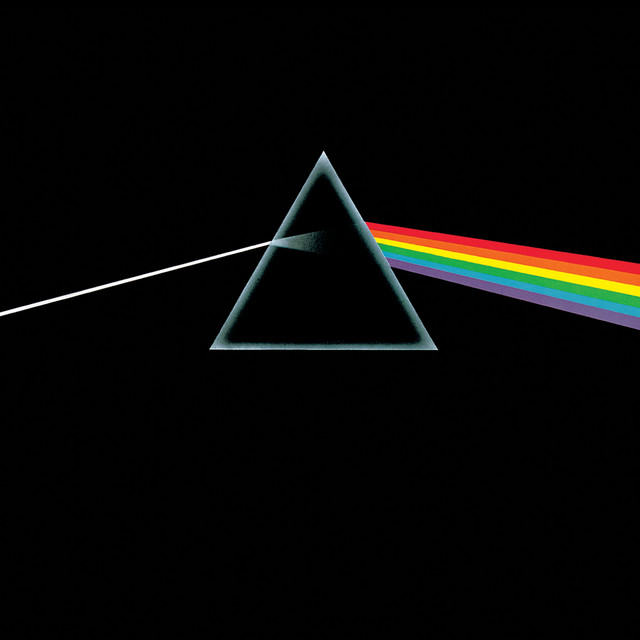
3. The Dark Side of the Moon
This album stands as a towering achievement in studio artistry. Pink Floyd, under Alan Parsons’ engineering guidance, utilized every available trick in the pre-digital book – tape loops, VCS3 synthesisers, spoken-word samples – to construct an immersive, almost cinematic experience. It’s an art-rock masterpiece, where thematic cohesion and sonic innovation are inextricably linked. The way each sound melts into the next, building a profound sense of atmosphere and introspection, defined a new standard for album-as-journey.
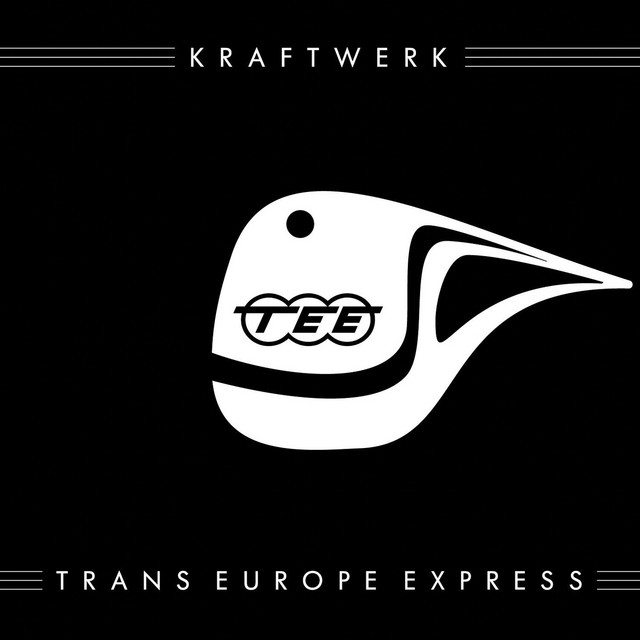
4. Trans-Europe Express (2009 Remaster)
Kraftwerk's Trans-Europe Express is a masterclass in minimalist electronic composition. Long before digital workstations, these German visionaries crafted sleek, propulsive rhythms and icy melodies using custom-built synthesizers and vocoders. This wasn't just synth-pop; it was a blueprint for nascent techno and hip-hop, particularly with its driving, repetitive grooves. The album's stark, mechanistic beauty painted a sonic landscape of futurism, proving that emotion could be conveyed through precision and repetition, fundamentally reshaping pop's rhythmic possibilities.
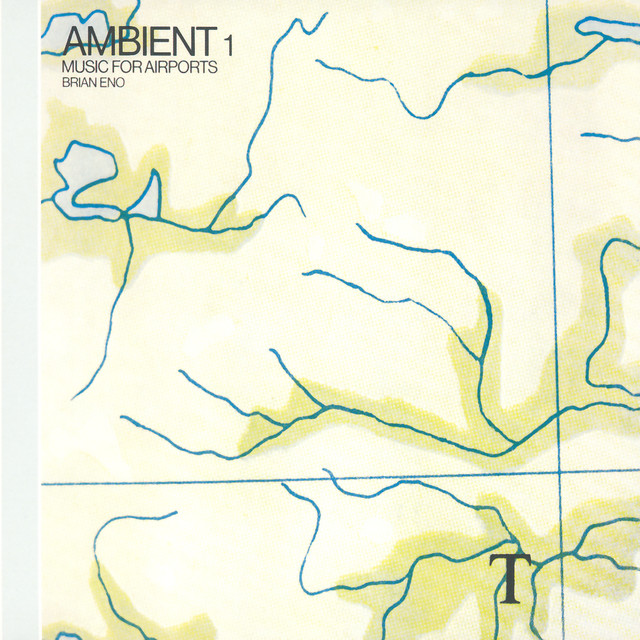
5. Ambient 1: Music For Airports (Remastered 2004)
Brian Eno, ever the sonic architect, didn't just invent a genre; he defined an entire philosophy with Ambient 1. This wasn't background music in the pejorative sense; it was music designed to influence mood without demanding explicit attention. Using tape loops and carefully selected piano and synthesizer tones, Eno crafted ethereal soundscapes that gently washed over the listener. It was a radical departure, proving that music could be structural without being intrusive, a calming balm in a rapidly accelerating world, all achieved with analog warmth.
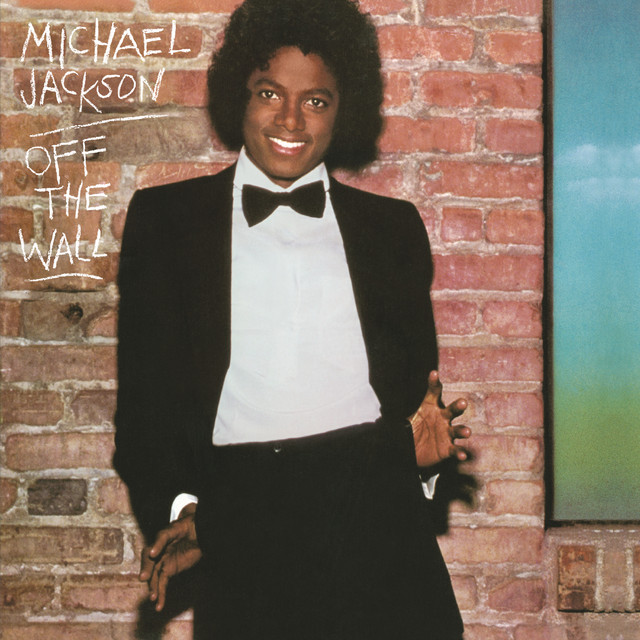
6. Off the Wall
Quincy Jones and Michael Jackson, together on Off the Wall, delivered a post-disco masterpiece brimming with irrepressible energy. This album transcended its disco roots, injecting sophisticated funk arrangements and R&B sensibilities into every track. The meticulous studio work, from those gleaming horns to the tight, elastic basslines, showcased a production ethos that maximized groove and melodic impact. Michael's vocal acrobatics, imbued with youthful exuberance, established him as an undeniable force, setting the stage for the pop dominance that would follow.
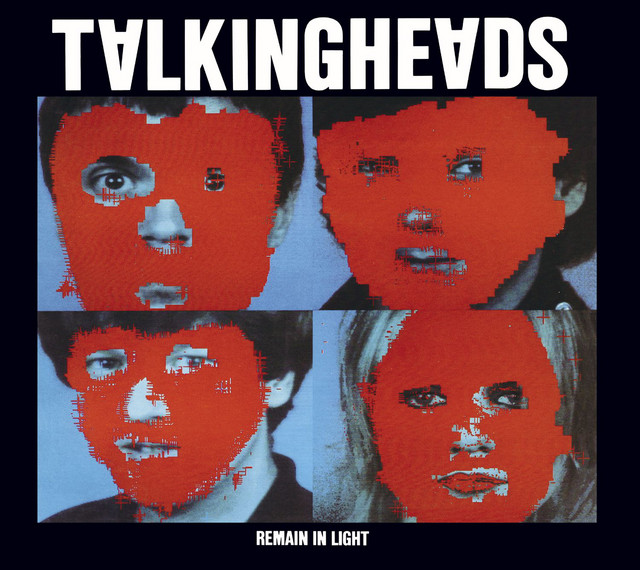
7. Remain in Light (Deluxe Version)
Remain in Light saw Talking Heads, aided by Brian Eno, deconstruct rock music into its fundamental rhythmic components, then rebuild it as something entirely new. Inspired by Fela Kuti's polyrhythms, they crafted dense, interlocking grooves that blurred the lines between funk, art-rock, and nascent hip-hop. The studio became a laboratory for sonic experimentation, layering parts recorded by different musicians at different times. It was a masterclass in abstract funk, laying groundwork for countless artists exploring rhythmic complexity and sonic collage.

8. Paid In Full Freestyle
Eric B. & Rakim’s “Paid in Full” was a revelation, particularly the titular track. Rakim's intricate, multi-syllabic rhymes, delivered with an unprecedented calm and complexity, redefined lyrical prowess in early rap. Eric B.'s production, anchored by iconic samples and those deep, insistent beats, laid down foundational rhythmic patterns that echoed through the burgeoning hip-hop landscape. This wasn't merely a record; it was a masterclass in flow and production, demonstrating the genre's intellectual and sonic depth, pushing the art form forward significantly.
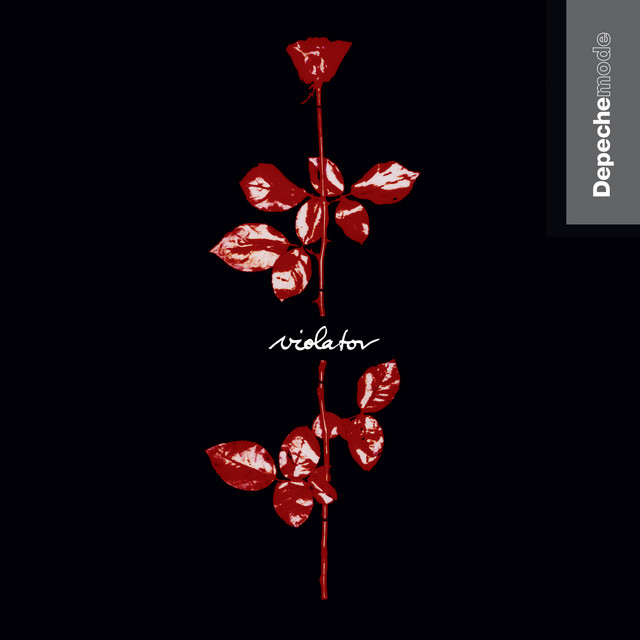
9. Violator
Depeche Mode’s Violator stands as a darkwave monument, marking a pinnacle of analog synthesis refined by emerging digital precision. Flood and François Kevorkian's production sculpted a soundscape of brooding intensity, where stark electronic textures met Gahan’s evocative vocals. The album’s atmospheric depth, from the industrial clang of 'Personal Jesus' to the melancholic sweep of 'Enjoy the Silence,' showcased a mastery of sonic layering. It cemented the band's status, pushing synth-driven music into more emotionally complex and commercially potent territory just as the 80s closed.