

1. Teardrop
Sarah Nelson's voice on "Teardrop" still feels like a digital ghost, haunting the track's skeletal rhythm. This wasn't just trip-hop; it sculpted an entire world out of bass, subtle scratches, and that instantly recognizable heartbeat drum. It permeated the late 90s, on TV, in films, yet never felt overplayed. Its dark, melancholic allure, laced with the burgeoning digital consciousness, kept it fresh. You could trace the internet's early murmurs in its profound, atmospheric depth.
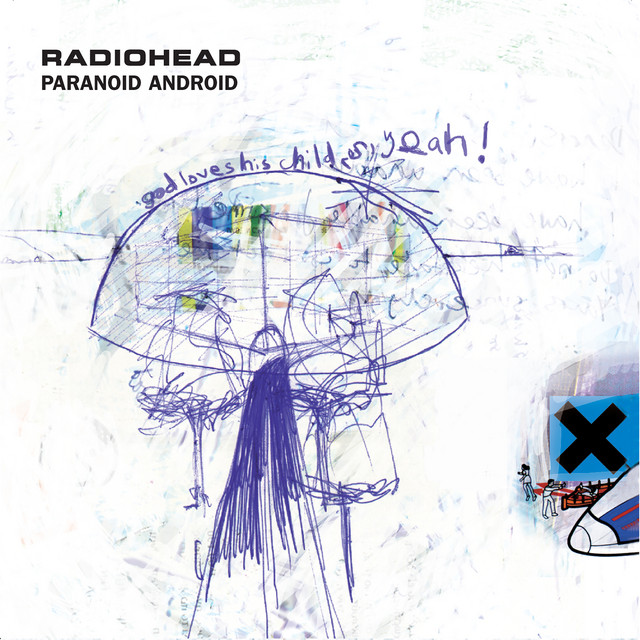
2. Paranoid Android
Radiohead dropped "Paranoid Android" and completely reshaped what alternative rock could be. It's a six-minute odyssey, shifting through distinct movements, each more disorienting and brilliant than the last. That raw, almost glitched-out guitar solo, the sudden shifts in tempo, the sheer ambition — it felt like the internet was finally catching up to their brain-bending ideas. Still a masterclass in controlled chaos, proving rock could be truly experimental.

3. Rhubarb
"Rhubarb" isn't just a track; it's a digital meditation. Aphex Twin, or rather Richard D. James, crafted something so fragile and beautiful here, it almost feels like a secret. It’s pure ambient IDM, stripped down to its essential, shimmering components. Listening to it now, you can feel the quiet hum of early internet connections, a sense of vast, unexplored digital space. It’s a sonic comfort blanket for the overloaded, 56k-modem brain.
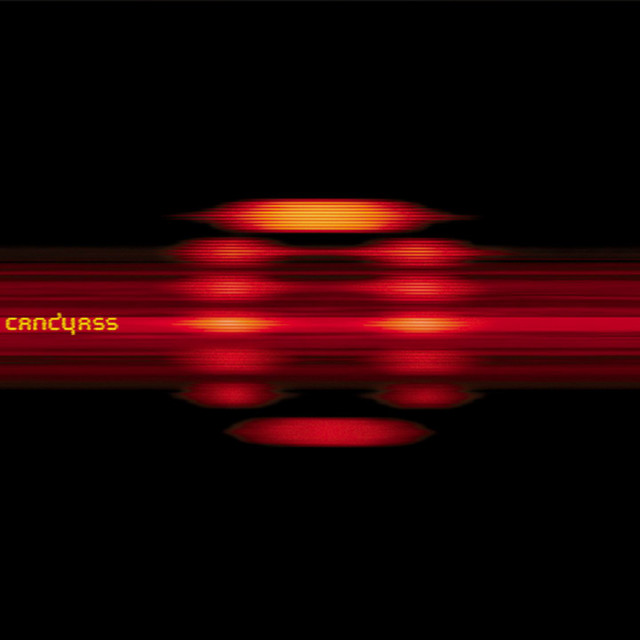
4. Candyass
Orgy’s "Candyass" was that specific strain of late-90s industrial-tinged alternative that just *felt* like the era. It was all sharp synths, driving guitars, and a slightly campy, yet undeniably cool, aggression. The album artwork, the aesthetic, the way it blended rock with electronic textures – it was a perfect snapshot of a moment when digital production was becoming a dominant force in heavier music. It still hits hard, a nostalgic punch.

5. Gold Soundz (triple j Like A Version)
Okay, so Pavement’s original "Gold Soundz" is legendary, but there's something about a "Like A Version" that captures a fleeting, raw energy. This particular live take, probably from some slightly grainy RealPlayer stream back in the day, has that unpolished charm. It's a reminder of how indie bands could just *play* and connect, even when technology was just beginning to allow widespread sharing of these moments. Pure, unadulterated slacker rock, live and unfettered.

6. Diamond Stitching
Mogwai's "Diamond Stitching" is a masterclass in post-rock tension and release. It slowly builds, layer upon layer, with those signature soaring guitars and understated drums, creating an almost cinematic soundscape. This was the kind of instrumental music that felt intellectually stimulating but also deeply emotional. It’s a track that demands your full attention, unfolding like a slow-motion digital dream, perfect for late-night coding or just staring at the ceiling, thinking.

7. Iambic 5 Poetry
Squarepusher’s "Iambic 5 Poetry" is pure, unadulterated brain-melter. It’s drum and bass, but stretched and contorted through an IDM lens, full of impossibly fast breaks and intricate, almost jazz-like basslines. Listening to this felt like your modem was having a seizure, in the best possible way. It was a glimpse into a future where rhythm could be infinitely complex, a digital maelstrom that still sounds alien and brilliantly challenging today.
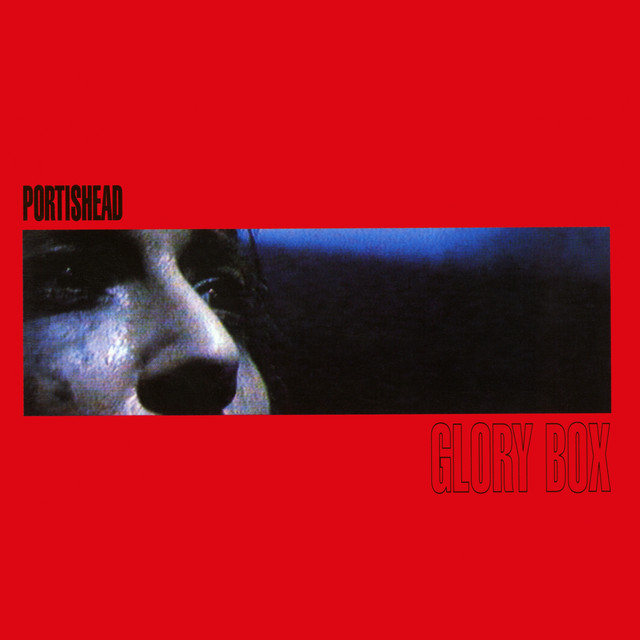
8. Glory Box
"Glory Box" is still the quintessential Portishead track, dripping with a smoky, melancholic allure. Beth Gibbons’ voice, that iconic guitar sample, the deep, resonant beat – it’s trip-hop at its most potent and evocative. It felt like the soundtrack to a rain-soaked urban night, full of existential longing. This track was everywhere, shaping the sound of countless downtempo compilations, yet it retains its original, dark magic. A timeless digital classic.

9. Breadcrumb Trail / Good Morning, Captain (Original Alternate “Dry” Mixes from 1990)
These "dry" mixes of Slint's pivotal tracks offer a fascinating peek behind the curtain. "Breadcrumb Trail" and "Good Morning, Captain" were already foundational for post-rock and math rock, but hearing them stripped back, sans the usual reverb, reveals their stark, angular genius even more clearly. It’s like hearing the blueprint for an entire genre, raw and unadorned. This isn’t just music; it’s an archaeological dig into the very foundations of sound.