

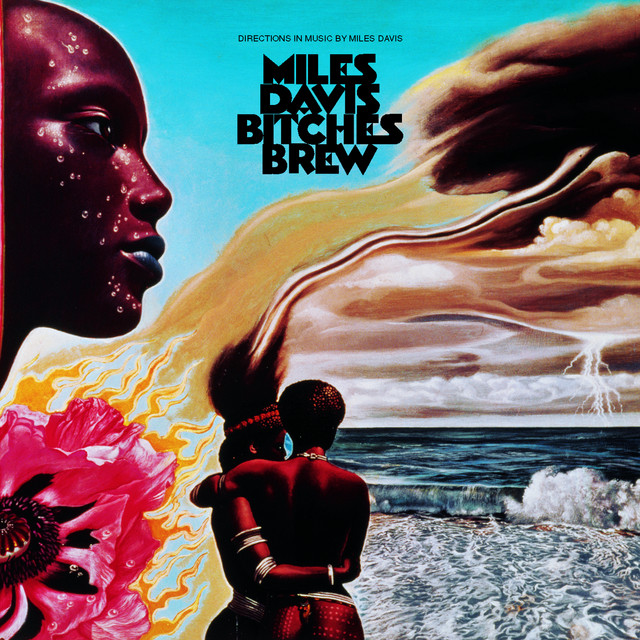
1. Bitches Brew
Miles Davis shattered the very notion of jazz with this. It wasn't just fusion; it was a sprawling, almost chaotic tapestry woven from tape splices, electric pianos, and a rhythm section that felt like a living, breathing organism. The studio itself became an instrument, bending and shaping those improvisations into something utterly alien, yet undeniably compelling. This record fundamentally redefined what "recording" could achieve, pushing the boundaries of sonic architecture without a single byte of digital code.
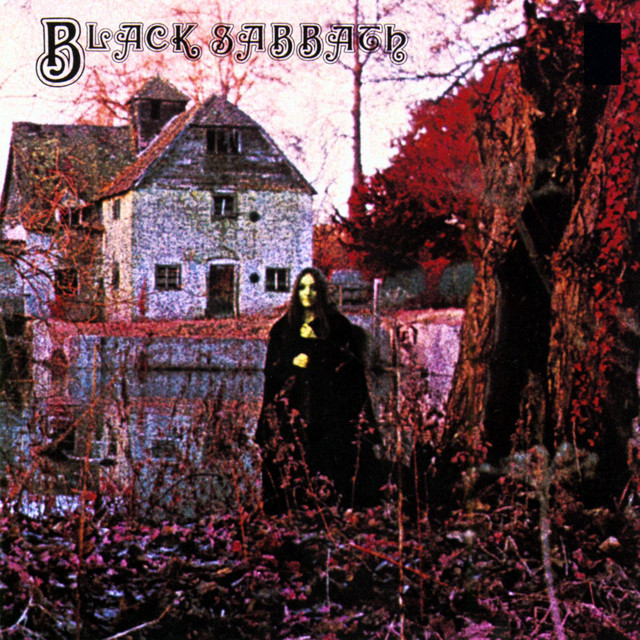
2. Black Sabbath (2014 Remaster)
The original Sabbath album, even remastered, still hits like a ton of bricks. It's the sound of four blokes in a Birmingham studio, capturing pure, unadulterated menace through valve amps and a minimum of fuss. That murky, oppressive atmosphere wasn't some digital trick; it was the natural resonance of heavy guitars, a thundering rhythm section, and Ozzy’s mournful wail, all committed to tape with an almost brutal honesty. This was the genesis of heavy, forged in analog fire.
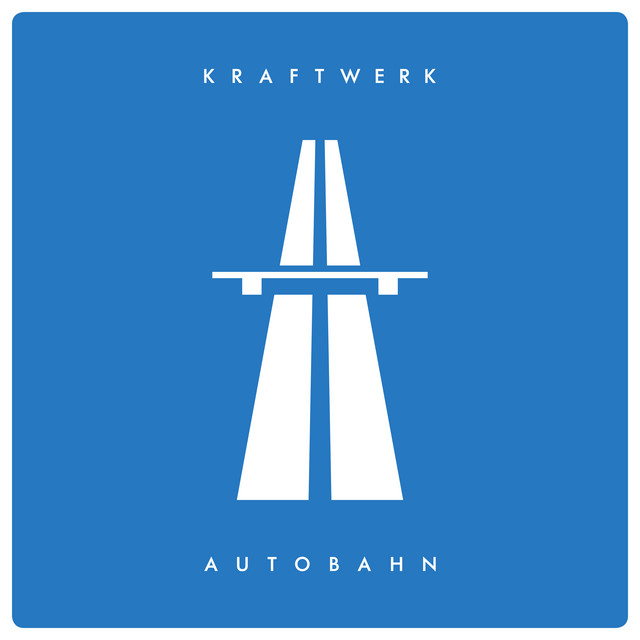
3. Autobahn (2009 Remaster)
Kraftwerk presented the future, meticulously crafted on analog synths, sequencers, and vocoders. "Autobahn" wasn't just a song; it was an entire sonic landscape, built from oscillations and filters, painstakingly arranged. The way they captured the mundane hum of travel and transformed it into something deeply hypnotic, all through manual manipulation and innovative studio techniques, remains staggering. It demonstrated that machines possessed a soul, if only human hands were deft enough to coax it out.
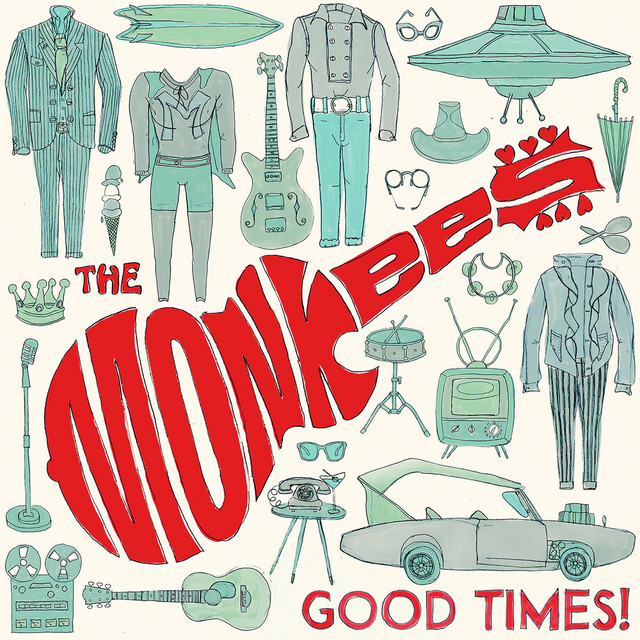
4. Good Times! (Deluxe Edition)
Chic's "Good Times" is the platonic ideal of the disco groove. That bassline, that guitar riff – it’s all about the interplay of live musicians locked into an almost impossibly tight rhythm. Nile Rodgers and Bernard Edwards didn't need digital trickery; they engineered perfection through impeccable arrangement, precise mic placement, and a studio environment that allowed every element to breathe. The track’s sheer propulsive energy, all analog, still commands bodies to move with an undeniable authority.

5. Metal Box
PiL’s "Metal Box" was a deliberate affront, a raw, uncompromising howl recorded with an almost contemptuous disregard for convention. It’s all about space and tension, built from jarring guitar tones, cavernous basslines, and Rotten’s sneering pronouncements. The dub influence is palpable, shaping these unsettling soundscapes through analog delays and reverbs. This was music as a weapon, crafted in a pre-digital studio where atmosphere was paramount, and polish was a dirty word.
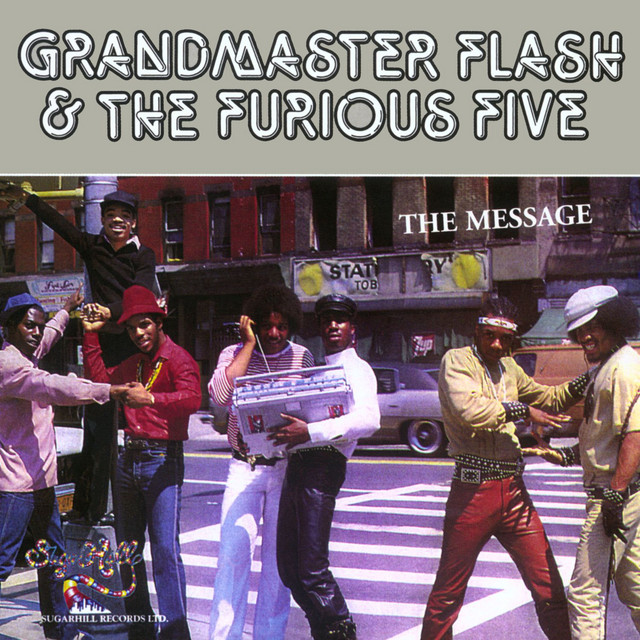
6. The Message
Grandmaster Flash and the Furious Five didn't just drop a track; they dropped a social commentary, backed by one of the most stark and effective analog productions of its era. The drum machine provided that relentless, almost mechanical pulse, while the sparse instrumentation allowed the raw power of the lyrics to cut through. This wasn't about lavish arrangements; it was about capturing a moment, a stark reality, using the rudimentary tools of early hip-hop to devastating effect.

7. Planet Rock
Afrika Bambaataa and the Soulsonic Force, with Arthur Baker, essentially invented electro with "Planet Rock." That iconic 808 beat, those arpeggiated synth lines, the vocoder — it was a declaration of sonic intent. This was machine music, yes, but imbued with incredible soul and funk, all painstakingly assembled on multi-track tape. It laid the groundwork for everything from techno to Miami bass, proving that electronic instruments, in the right analog hands, could forge entirely new genres.

8. Blue Monday (Slowed)
New Order's "Blue Monday" wasn't just a record; it was an analog masterpiece, a monumental slab of synth-driven melancholy and dance floor propulsion. The intricate sequencing of the drum machine and bass synth, the icy layers of melody—it was all meticulously programmed and recorded, piece by piece, before the digital era streamlined such efforts. Slowing it down only emphasizes the sheer depth of its pre-digital engineering, revealing the meticulous craft beneath its iconic groove.
9. Can You Feel It
Mr. Fingers, Larry Heard, delivered a foundational house track with "Can You Feel It" that still resonates with profound warmth. That iconic 909 beat, the ethereal pads, the soulful bassline – it’s a masterclass in analog synthesis and subtle arrangement. There's an organic, almost spiritual quality to its groove, achieved through careful manipulation of hardware and a deep understanding of sonic textures, all captured with the inherent depth and warmth of pre-digital recording.