

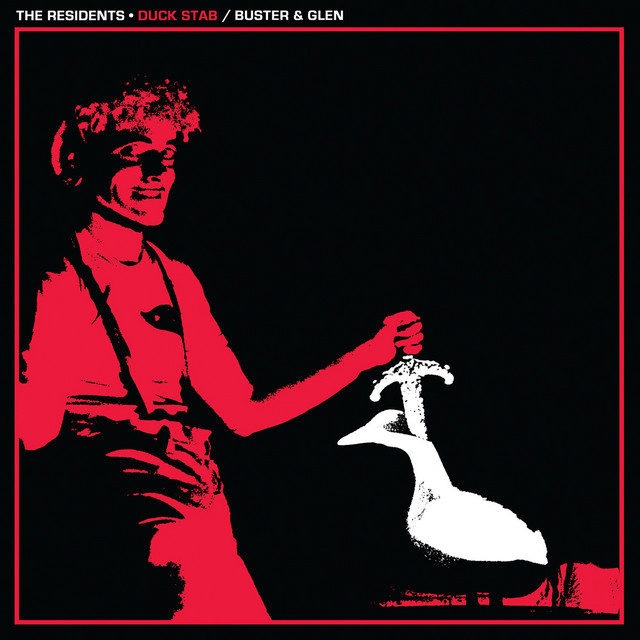
1. Duck Stab/Buster & Glen: 2CD pREServed Edition
This 2CD pREServed edition of *Duck Stab* and *Buster & Glen* lays bare the Residents' twisted genius. It's a carnival of the absurd, a musical vaudeville performed by masked provocateurs. The '78 originals, now meticulously unearthed, still buzz with that unsettling, almost industrial-grade experimentalism. It’s a primal scream theory filtered through a funhouse mirror, proving the avant-garde could be both terrifyingly strange and undeniably catchy. Pure, unadulterated musical rebellion.
2. NEU! 75
*NEU! 75* is a pivotal document, catching the Krautrock pioneers at a crossroads. On one side, the hypnotic, motorik pulse pushing toward the future. On the other, Michael Rother's soaring guitar work and Klaus Dinger’s proto-punk snarl, raw and untamed. This record isn't just a collection of tracks; it's a dynamic tension, a living argument between ambient exploration and raw, driving energy that still resonates in post-punk and electronic forms. A foundational text for sonic adventurers.
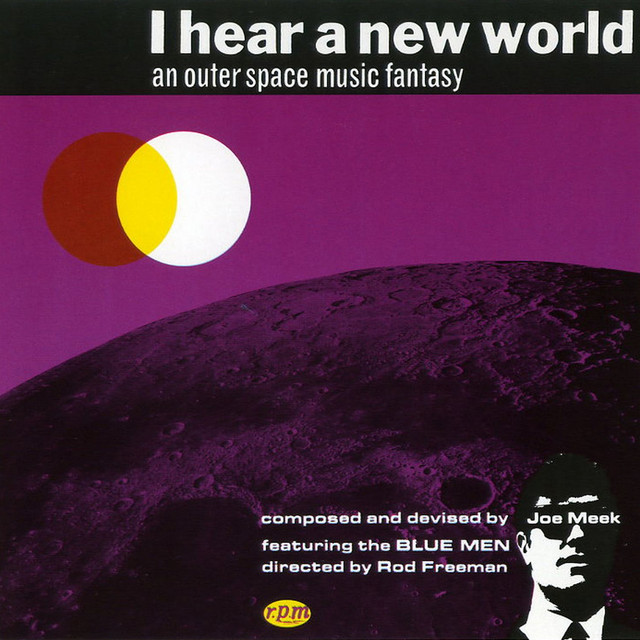
3. I Hear a New World: An Outer Space Music Fantasy
Joe Meek’s *I Hear a New World* from '60 is a proto-electronic masterpiece, a low-budget sci-fi epic conjured in a small flat above a shop. Its whimsical yet eerie soundscapes, full of tape manipulation and homemade effects, predate entire genres. This isn't just pop; it's a visionary's fever dream, a sonic blueprint for alien visitation and cosmic wonder. It’s a testament to raw imagination, proving true innovation thrives outside the established studios. A genuinely weird, wonderful relic.
4. The Modern Lovers (Expanded Version)
Jonathan Richman and The Modern Lovers’ *Expanded Version* of their '72-recorded, '76-released debut is a revelation. This isn't polished pop; it's stripped-down, nervous energy, a direct lineage from the Velvet Underground to punk's first stirrings. Richman’s earnest, often awkward delivery over those insistent, minimalist grooves feels both innocent and incredibly subversive. It’s a raw blueprint for indie rock, proving you didn't need virtuosity, just ideas and conviction. Essential, unvarnished truth.
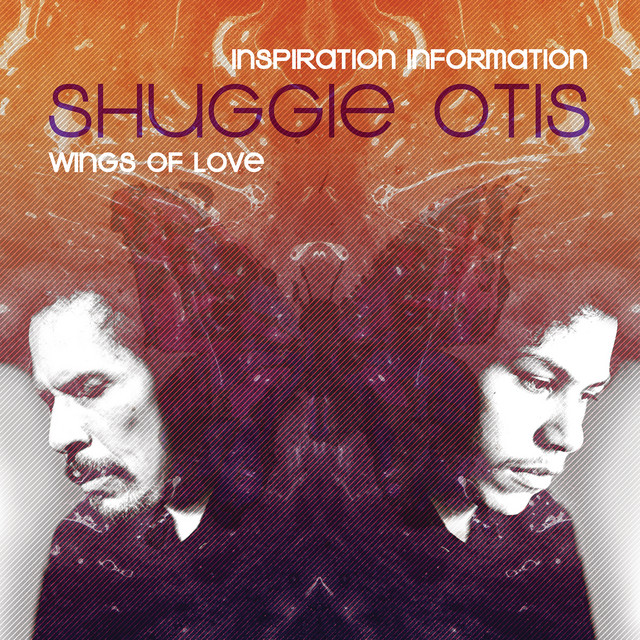
5. Inspiration Information/ Wings Of Love
Shuggie Otis's *Inspiration Information* (1974) paired with *Wings of Love* offers a singular vision of psychedelic soul. Otis crafted these intricate, deeply personal grooves, layering instruments with a precision that belied their warm, organic feel. It’s not just funk; it's a spiritual journey, a blues-inflected odyssey through a landscape of shimmering strings and languid rhythms. A true unsung hero, whose meticulous, introspective sound was too ahead for its time. Deep, soulful, and visionary.
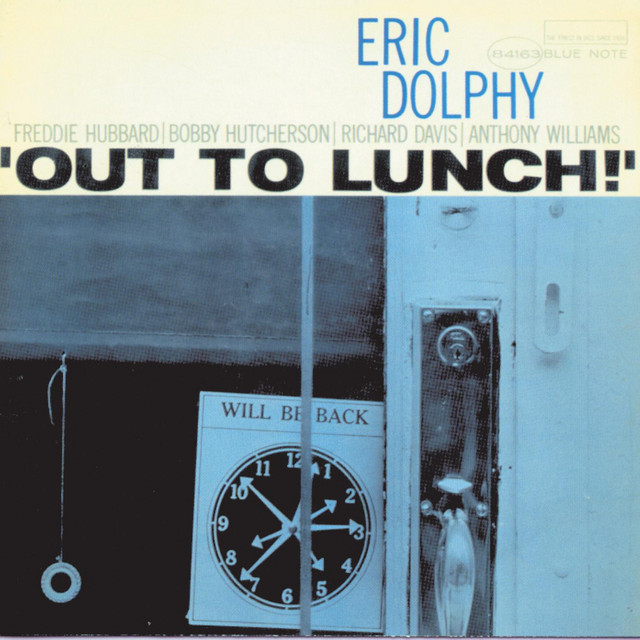
6. Out To Lunch (The Rudy Van Gelder Edition)
Eric Dolphy’s *Out To Lunch*, specifically the Rudy Van Gelder Edition, is a seismic event in '64 avant-garde jazz. This isn't just bebop pushed to its limits; it’s a full-on deconstruction, with Dolphy's alto, bass clarinet, and flute leading a band of visionaries into uncharted harmonic and rhythmic territory. Van Gelder's remastering brings out the stark clarity of its complex interplay, revealing every angular melody and explosive improvisation. A challenging, yet ultimately rewarding, dive into pure sonic freedom.
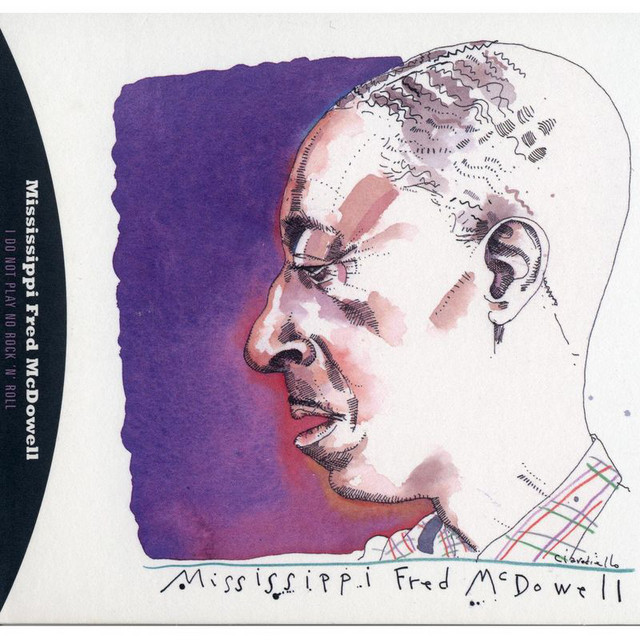
7. I Do Not Play No Rock 'N' Roll: The Complete Sessions
Mississippi Fred McDowell’s *I Do Not Play No Rock 'N' Roll: The Complete Sessions* (1969) is a masterclass in raw, unadulterated Delta blues. His finger-picked slide guitar and gruff vocals cut through the noise, delivering a visceral truth. This isn't about virtuosity for its own sake; it’s about feeling, about a lifetime poured into every note. The "Complete Sessions" format just amplifies that direct connection, a stark reminder of blues' enduring power before it got watered down. Pure, essential grit.
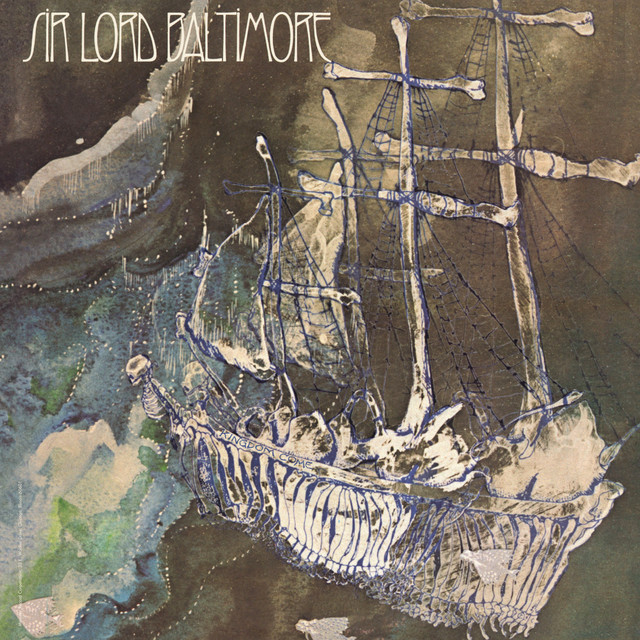
8. Kingdom Come
Sir Lord Baltimore’s *Kingdom Come* (1970) was a thunderbolt, a true precursor to metal’s formative structures. This isn't just hard rock; it’s a full-throttle assault of crushing riffs and primal drumming, a raw, untamed beast unleashed. Their sound was heavier and more aggressive than almost anything else at the time, laying down a blueprint for what would become heavy metal. They didn't just turn it up to eleven; they started at twelve. Undeniably influential, relentlessly powerful.
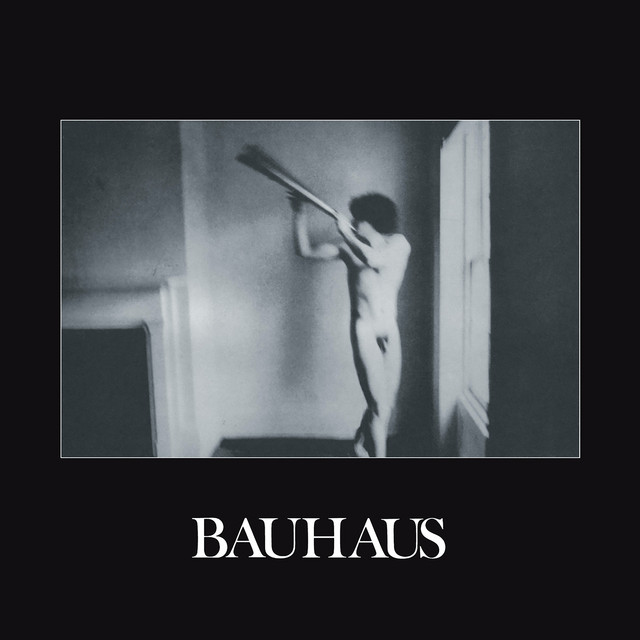
9. In the Flat Field
Bauhaus’s *In the Flat Field* (1980) is the definitive statement of post-punk’s darker, more theatrical side. It’s a stark, skeletal landscape of jagged guitars, propulsive basslines, and Peter Murphy's commanding, almost ritualistic vocals. This isn't just rock; it’s a brooding, atmospheric descent into melancholic beauty and stark aggression, laying the groundwork for an entire subculture. The album’s stark minimalism and dramatic flair still resonate, a chilling testament to its enduring power.