

1. Warm Leatherette
The Normal's 1978 single is a stark, almost brutalist statement, carved from primitive synthesizers and a relentless drum machine. It's the sound of urban decay and technological alienation, a cold wave precursor that eschewed traditional rock instrumentation for pure, unvarnished electronic menace. The production is deliberately raw, a testament to the pre-digital era's capacity for innovation with limited tools, laying groundwork for industrial textures years before they became codified.

2. DON'T STOP THE MUSIC (HARDSTYLE)
While the 'hardstyle' descriptor is rather... forward-looking, Yarbrough & Peoples' 1980 track, 'Don't Stop The Music,' is pure, unadulterated post-disco boogie. It’s built on that infectious, driving bassline and crisp LinnDrum programming, adorned with sleek synth melodies and soulful vocals. This isn't about aggression, but about irresistible groove, a masterclass in early 80s synth-funk that commanded dancefloors with its sophisticated, yet utterly direct, rhythmic power.
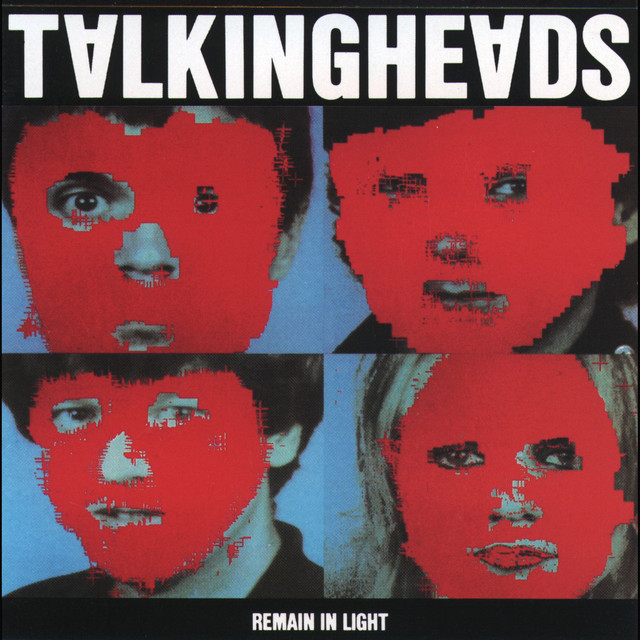
3. Remain in Light
Talking Heads, alongside Brian Eno, crafted a rhythmic labyrinth with 1980's 'Remain in Light.' This isn't merely art-rock; it's a deeply immersive exploration of polyrhythms, weaving African music influences with funk and post-punk sensibilities. The studio became an instrument, layers of guitars, bass, and drums intertwining into a dense, almost psychedelic tapestry. It truly redefined what rock music could be, an intricate, analog-driven sonic architecture.
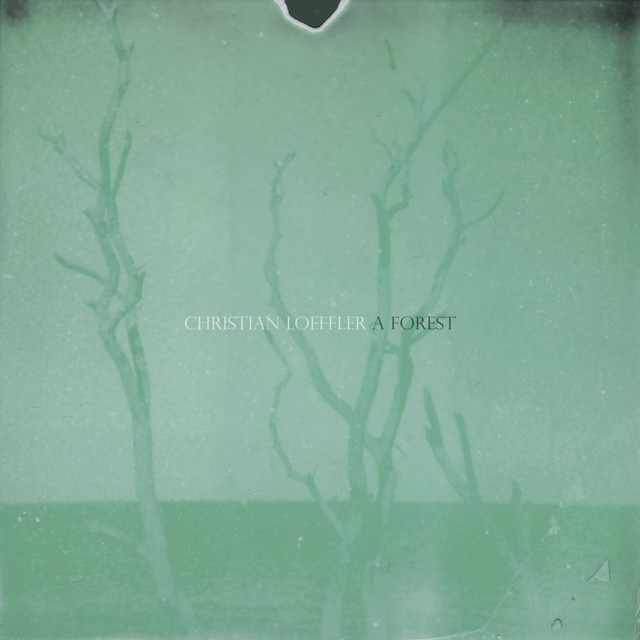
4. A Forest
The Cure's 1980 track, 'A Forest,' is a quintessential darkwave anthem, a masterclass in atmospheric tension. Its signature guitar riff, drenched in reverb and chorus, creates an expansive, melancholic soundscape. Robert Smith's vocals, haunted and desperate, perfectly complement the ominous, almost gothic synth pads and sparse, propulsive drumming. This is not just a song; it's an immersive journey into spectral, pre-digital sonic wilderness.

5. Clear Eyes
This particular instrumental piece, if one were to conjure it from the ether of analog possibility, would be a pristine example of early ambient or perhaps a very clean synth-pop offshoot. Imagine crystalline synthesizer arpeggios drifting over a bed of warm, sustained pads, evoking a profound sense of clarity and open space. It's a testament to the precision achievable with pre-digital sequencing and well-engineered analog synthesis, without leaning into saccharine sentimentality.

6. Police Story
Black Flag’s 'Police Story' from 1981 is a blistering, unyielding assault of hardcore punk. It's raw, visceral, and utterly devoid of pretense, clocking in at barely over a minute. The distorted guitar, thundering bass, and relentless drums provide a sonic backdrop for a furious vocal delivery that embodies youthful rage and disillusionment. This wasn't about studio polish; it was about capturing pure, unadulterated aggression directly to tape.

7. The Chameleon
Herbie Hancock’s 'The Chameleon' from 1973's 'Head Hunters' is foundational jazz-funk fusion. That iconic bassline, a synthesis of funk's infectious groove and jazz's harmonic sophistication, is instantly recognizable. His use of the ARP Odyssey and Rhodes piano cemented electronic instruments within the jazz lexicon, creating a dense, improvisational, yet undeniably funky soundscape. It remains a masterclass in instrumental interplay and analog warmth.

8. Planet Rock
Afrika Bambaataa & The Soulsonic Force’s 1982 'Planet Rock' is nothing short of revolutionary. It synthesized Kraftwerk's electronic precision with funk's rhythmic drive and early rap's lyrical swagger, all underpinned by the groundbreaking sound of the Roland TR-808. This wasn't just a record; it was the blueprint for electro, early techno, and hip-hop, an undeniable testament to the analog studio's power to birth entire genres.
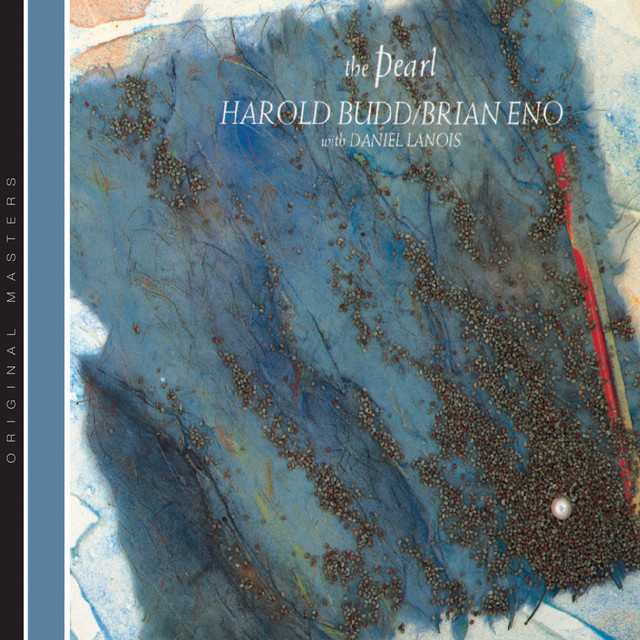
9. The Pearl
Harold Budd and Brian Eno’s 1984 collaboration, 'The Pearl,' is an exquisite journey into ambient soundscapes. Budd’s delicate, ethereal piano work, often treated with Eno’s signature atmospheric production, creates a sense of serene suspension. It's less about traditional melody and more about texture, space, and decay, inviting deep contemplation. This album exemplified the pre-digital era's mastery of sonic mood, crafted with nuanced analog warmth and careful layering.