

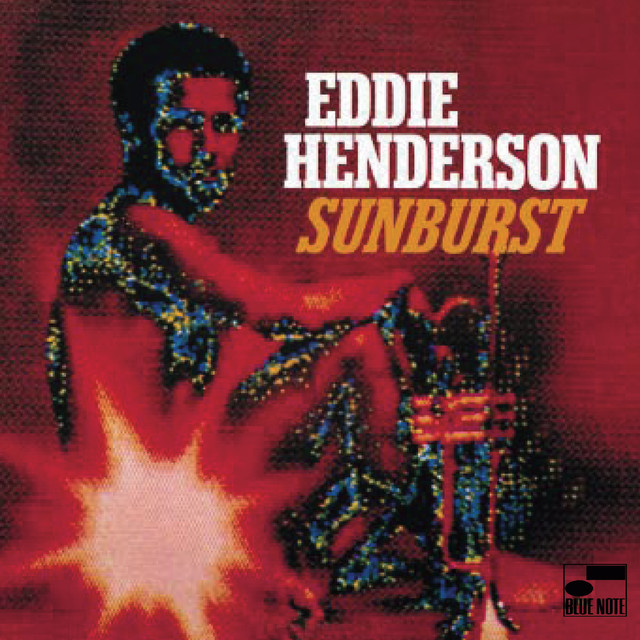
1. Sunburst
The intricate drumming on "Sunburst" from 1978 demands attention, a complex tapestry woven around Chris Slade's propulsive yet nuanced work. It's a prime example of late '70s progressive rock marrying jazz-fusion sensibilities with a rock edge. The arrangement, with its layered synthesizers and guitar work, builds a dynamic, pre-digital sonic landscape. This isn't merely a groove; it's a meticulously constructed rhythmic journey that unfolds with compelling precision.

2. Hérésie
Magma's "Hérésie" from 1979 isn't merely music; it's an experience in rhythmic extremism. The Zeuhl style, with its often-dissonant vocalizations and complex, interlocking percussion, defies easy categorization. Its polyrhythmic foundation, captured with raw ferocity in the pre-digital studio, creates an almost ritualistic, hypnotic drive. This is art-rock pushed to its avant-garde limits, where the rhythm section acts as the primary, unrelenting narrative force.
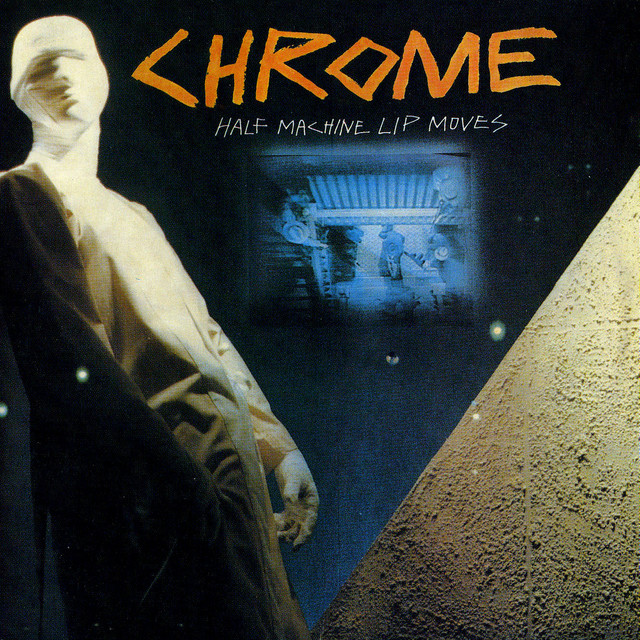
3. Half Machine Lip Moves / Alien Soundtracks
The rhythmic assault of Chrome's late '70s output, particularly tracks from "Half Machine Lip Moves" or "Alien Soundtracks," redefined what "punk" could mean. Their drums, often heavily processed and drenched in tape delay, established a proto-industrial pulse. This wasn't about precision; it was about raw, abrasive energy, a deliberate sonic grime. The studio was a laboratory for chaos, forging distorted, repetitive patterns that burrowed deep into the subconscious.
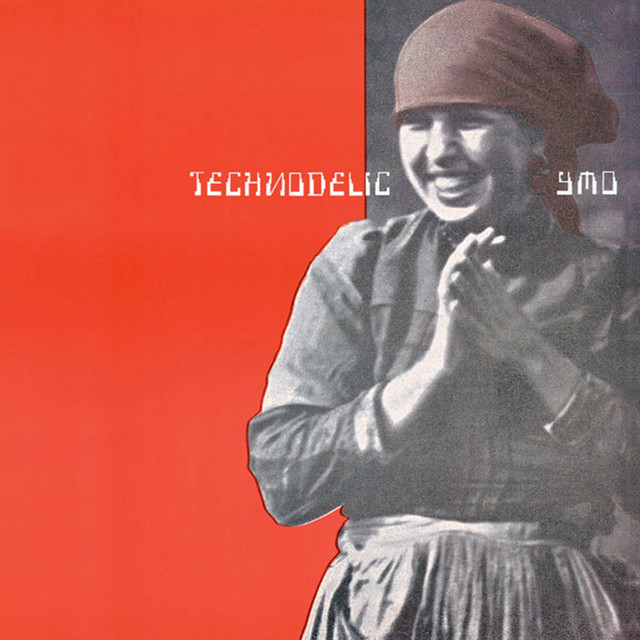
4. Technodelic
YMO’s "Technodelic" from 1981 stands as a landmark in early electronic rhythm. The use of the then-revolutionary LinnDrum machine, coupled with early sampling techniques, created a precise, almost mechanical funk. Its global influences were clear, yet the execution was distinctly Japanese in its meticulousness. This album demonstrated how digital tools, even in their infancy, could craft grooves that felt both utterly human and eerily futuristic, a true bridge to nascent techno.

5. Mis Ojos Lloran Por Ti
While this track arrived after my primary observing years, the syncopated energy of its foundational merengue rhythm, blended with the emerging hip-hop influence, clearly evolved from earlier '90s Latin dance trends. The driving pulse, designed for immediate floor-filling impact, showcases a continuation of the post-disco emphasis on infectious, repetitive grooves. It's a testament to how established rhythmic patterns found new life through different vocal deliveries and cultural fusions.

6. Wild Style (Original Motion Picture Soundtrack - 25th Anniversary Edition)
The "Wild Style" soundtrack from 1983 is nothing short of foundational. Its raw breakbeats and DJ scratching captured the nascent energy of early hip-hop, documenting a street sound that redefined rhythm. This was pure, unadulterated funk, recontextualized. The tracks, recorded with an immediacy that prioritized groove over polish, showcased the rhythmic innovation born from existing records, proving the turntable was a legitimate instrument for crafting entirely new percussive landscapes.

7. Changing Places
Art of Noise, with tracks like "Changing Places" from 1986, proved the Fairlight CMI wasn't just a synth; it was a rhythmic architect. Their approach to sampling, chopping, and reassembling sounds into angular, often abstract patterns, created a unique form of electronic rhythm. It was a constructed groove, precise and almost industrial in its cold, calculated nature, yet undeniably compelling. This was the sound of the digital era truly beginning to carve out its own rhythmic identity.

8. Intimate Connection
Kleeer’s "Intimate Connection" from 1984 epitomizes that smooth, undeniable boogie groove. The bassline is paramount here, a fluid, melodic anchor supporting crisp drum machine patterns and shimmering synthesizers. This is post-disco at its most refined, designed for the dancefloor but executed with a sophisticated musicality. It’s a masterclass in establishing a deep, hypnotic pocket, proving that rhythmic complexity can reside within seemingly simple, infectious structures.