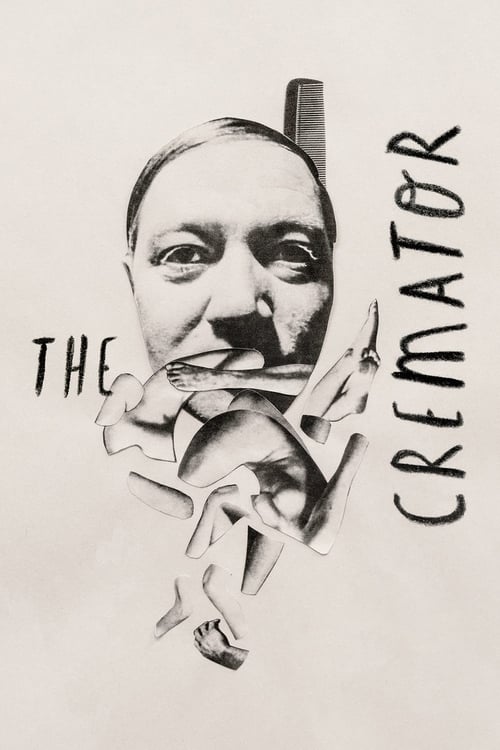
1. The Cremator
This Czech New Wave gem is a darkly comedic, deeply unsettling psychological horror. It follows a cremator in 1930s Czechoslovakia, whose philosophy of painless "liberation" spirals into chilling fanaticism as war approaches. The film’s surreal visuals and Karel Kopfrkingl's unnervingly polite demeanor make for an unforgettable, disturbing character study that subtly critiques the rise of totalitarian ideologies. It’s a macabre masterpiece that sticks with you.

2. Cure
Kiyoshi Kurosawa’s J-horror classic is a masterclass in atmospheric dread. A detective investigates a series of bizarre, violent murders where each perpetrator confesses but has no memory of the act or motive. The film slowly unravels a hypnotic, psychological mystery, building an oppressive sense of unease through its minimalist aesthetic and chilling ambiguity. It's less about jump scares and more about the insidious corruption of the mind.
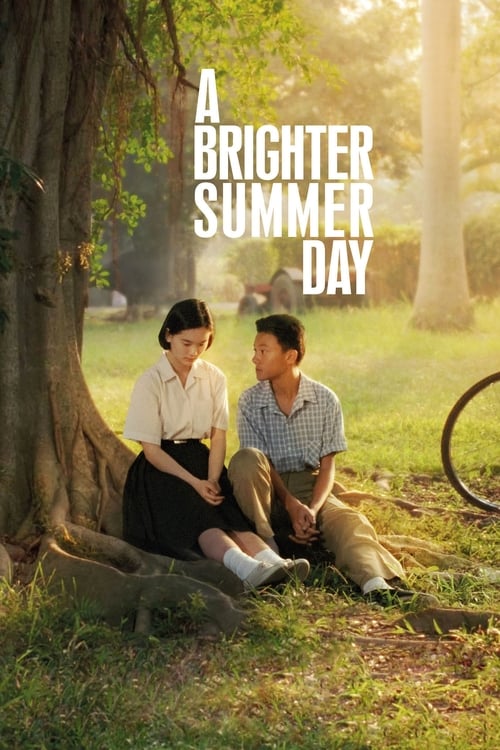
3. A Brighter Summer Day
Edward Yang's four-hour epic is a sprawling, intimate portrait of 1960s Taipei youth. It follows a teenager navigating gang life, school, and first love against the backdrop of political tension and cultural shifts in post-Civil War Taiwan. This isn't just a coming-of-age story; it's a meticulously crafted historical tapestry, capturing a generation's anxieties and hopes with profound emotional resonance and cinematic grandeur.

4. Street of Shame
Kenji Mizoguchi's final film offers a poignant, unflinching look into the lives of women working at a Tokyo brothel on the cusp of Japan's anti-prostitution law. It presents a sympathetic yet unsentimental view of their struggles, hopes, and betrayals, exposing the systemic exploitation and societal hypocrisy. Mizoguchi’s masterful direction ensures a powerful, humanistic drama that resonates with timeless social commentary.
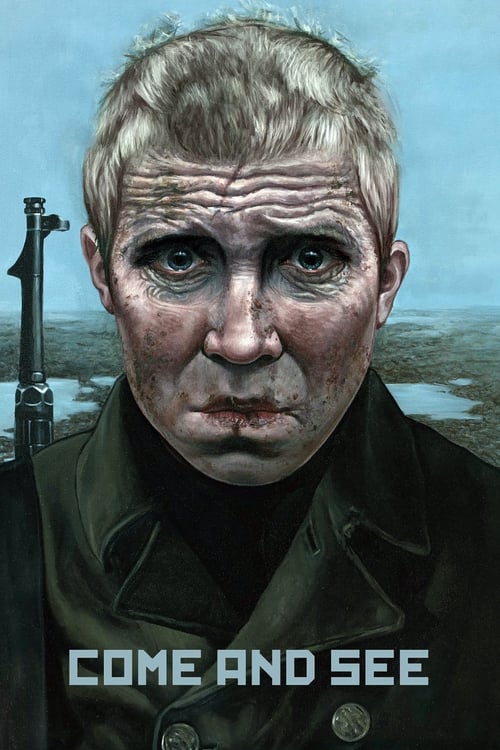
5. Come and See
This Soviet anti-war film is an utterly relentless, harrowing descent into the horrors of World War II's Eastern Front. Seen through the eyes of a young Belarusian boy who joins the partisans, the film doesn't shy away from the brutal, dehumanizing impact of conflict. Its unflinching realism and disturbing imagery create an immersive, psychological nightmare that profoundly challenges and scars the viewer. It's unforgettable cinema.
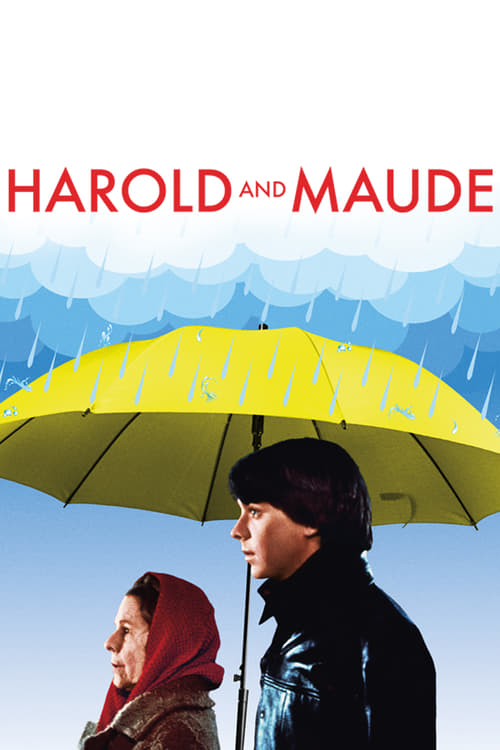
6. Harold and Maude
This darkly comedic, profoundly eccentric romance defies categorization. It chronicles the unlikely bond between Harold, a death-obsessed young man, and Maude, a life-affirming, octogenarian free spirit. Their unconventional relationship celebrates individuality, challenges societal norms, and finds beauty in the macabre. It’s a whimsical, yet deeply moving, testament to finding joy and connection in the most unexpected places.
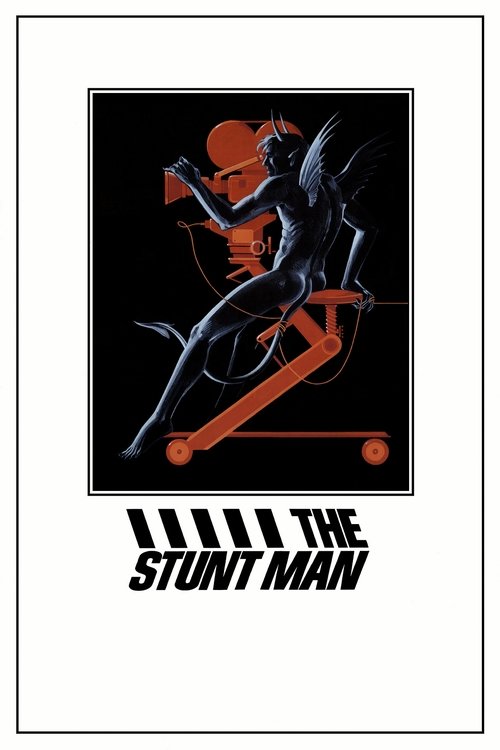
7. The Stunt Man
This wildly inventive, meta-cinematic thrill ride blurs the lines between reality and illusion. A fugitive stumbles onto a film set and is recruited by its megalomaniacal director, played by the magnificent Peter O'Toole. The film constantly plays with audience perception, questioning storytelling, heroism, and identity. It's a clever, exhilarating, and often hilarious dissection of filmmaking and the roles we play.
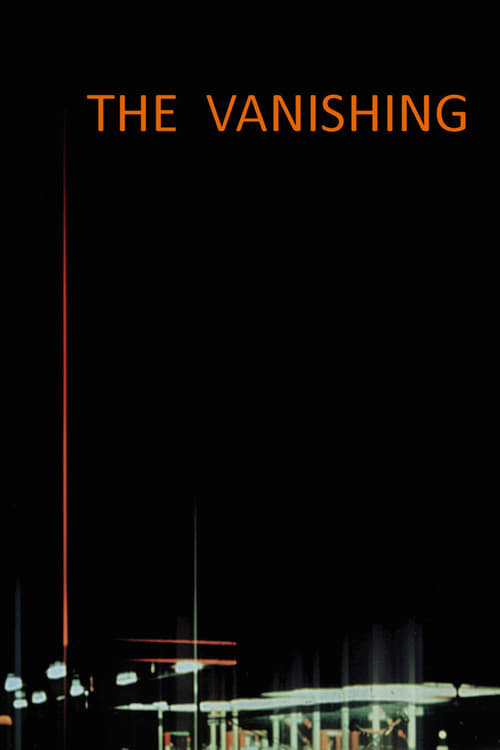
8. The Vanishing
The original Dutch version of this psychological thriller is a slow-burn masterpiece of dread. A man's girlfriend inexplicably disappears at a gas station, leading him on an obsessive, years-long quest to discover her fate. The film's true terror lies in its relentless exploration of obsession and its chilling, inevitable conclusion. It's a uniquely unnerving experience that will burrow into your mind.
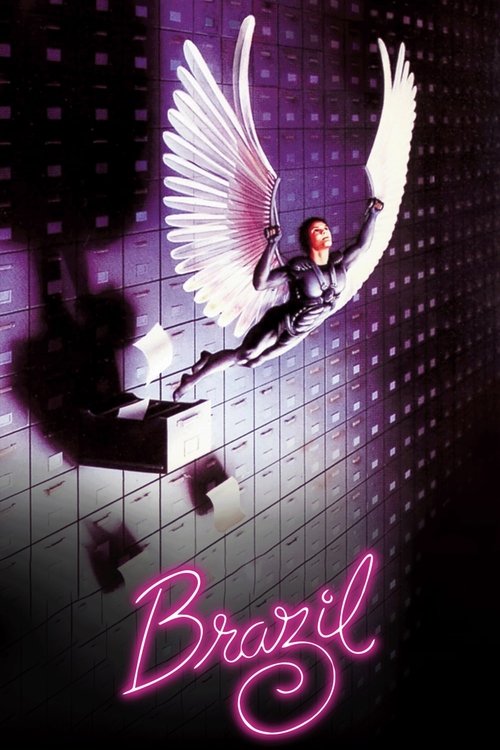
9. Brazil
Terry Gilliam's dystopian masterpiece is a surreal, darkly comedic vision of a bureaucratic nightmare. Sam Lowry, a low-level government employee, dreams of escape while navigating an absurd, highly inefficient world. Visually stunning and endlessly inventive, it's a biting satire on consumerism, technology, and conformity, proving that even in the bleakest future, the human spirit still yearns to break free.