
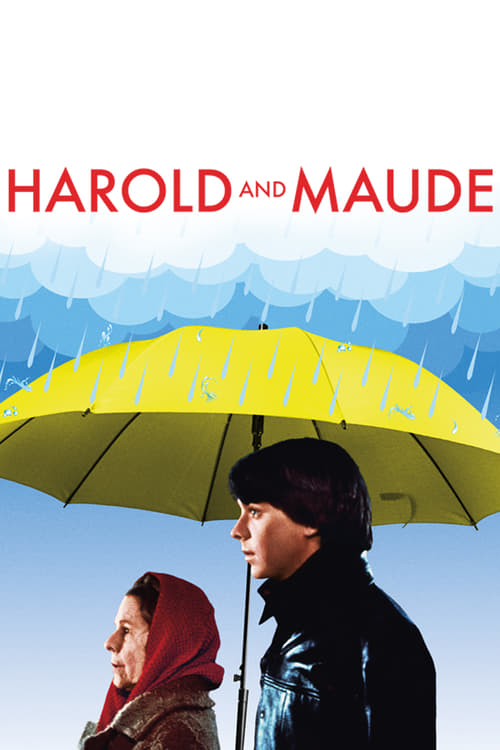
1. Harold and Maude
This 1971 dark comedy is a masterclass in unconventional romance, proving love exists beyond societal expectations. A young death-obsessed man finds unexpected joy and wisdom with an octogenarian woman who truly lives life. It’s subversive, morbidly funny, and profoundly heartwarming, challenging viewers to embrace individuality and find beauty in the unconventional. Streaming platforms are missing a trick by not foregrounding this enduring, quirky gem more often. It’s pure, unadulterated cinematic soul-food.
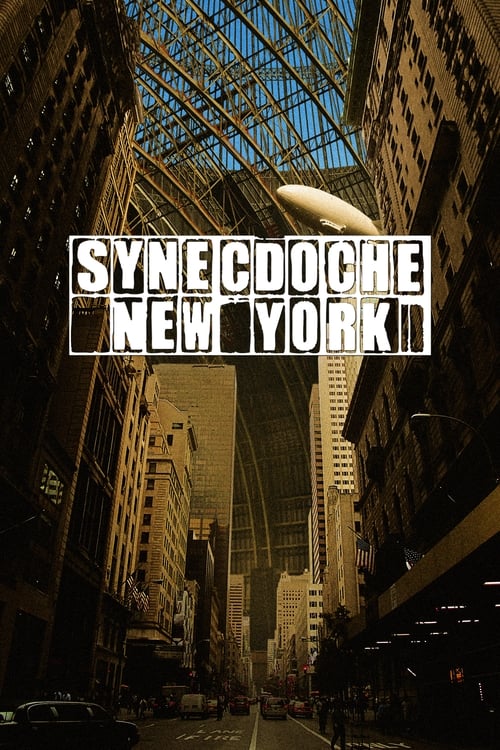
2. Synecdoche, New York
Charlie Kaufman’s 2008 directorial debut is a sprawling, existential masterpiece that feels less like a movie and more like a fever dream of consciousness. It follows a theater director building an increasingly elaborate, life-sized replica of New York. This film wrestles with mortality, the meaning of art, and the self in a way few others dare. It’s challenging, yes, but profoundly rewarding for those willing to engage with its intricate layers. A pure artistic statement.
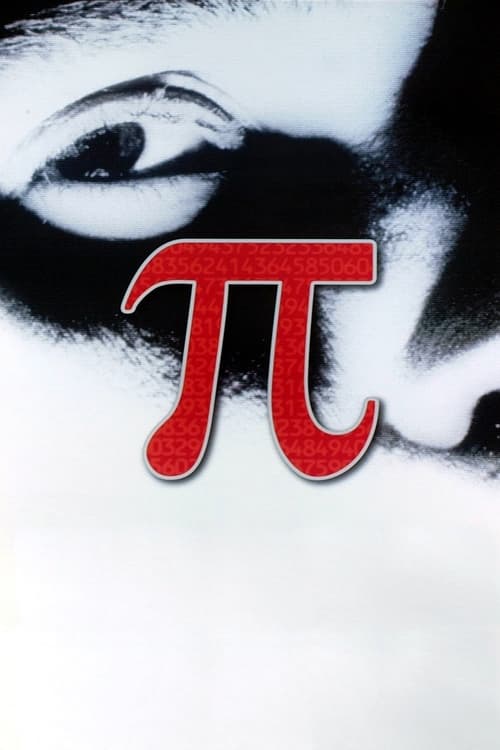
3. Pi
Darren Aronofsky's jarring 1998 debut is a raw, black-and-white dive into the mind of a reclusive mathematician obsessed with finding a universal number pattern. It’s a claustrophobic, paranoid thriller that uses minimalist aesthetics to maximum effect, pulling you into its protagonist's spiraling madness. This film proved Aronofsky's singular vision early on, demonstrating that a shoestring budget can still deliver an incredibly intense, thought-provoking, and deeply unsettling cinematic experience.

4. Primer
Shane Carruth's 2004 indie darling redefines low-budget science fiction and time travel. Shot for just $7,000, it’s an incredibly dense, intellectually demanding film about two engineers who accidentally discover time manipulation. And because of its intricate, non-linear narrative and scientific rigor, it practically demands multiple viewings to unravel its genius. Streamers should champion these cerebral puzzles, proving smart, challenging sci-fi doesn't need blockbuster budgets to utterly captivate.
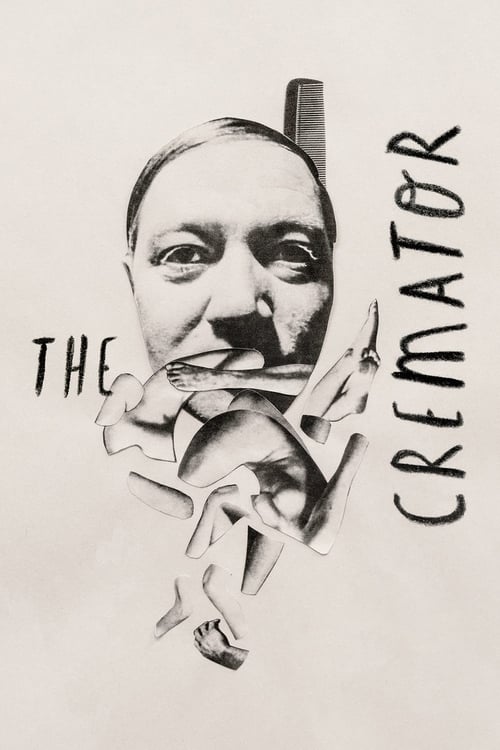
5. The Cremator
This chilling 1969 Czech New Wave masterpiece is a darkly comedic, psychological horror examining the descent of a cremator into Nazism. It’s visually striking, with unsettling camera work and a truly unforgettable central performance. And its satirical edge, combined with its increasingly disturbing narrative, makes it a potent exploration of evil and complicity. This film’s unique blend of horror and dark humor, alongside its historical context, deserves far more exposure than it currently receives.
6. The Vanishing
Forget the 1993 American remake; the original 1988 Dutch-French "The Vanishing" is a masterclass in relentless psychological dread. When a woman mysteriously disappears, her boyfriend's obsessive search consumes him, leading to one of cinema's most chilling and unforgettable endings. And because it meticulously builds tension without resorting to jump scares, it’s a pure, gut-wrenching exploration of obsession and evil. This film’s slow-burn terror is a perfect antithesis to today’s jump-scare culture.
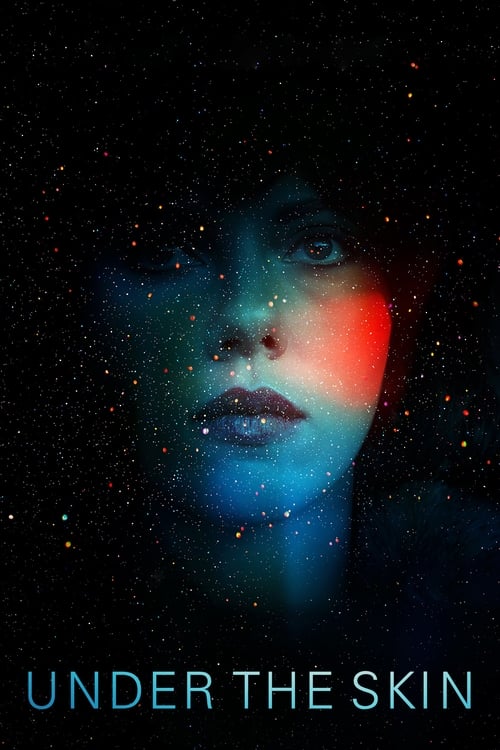
7. Under the Skin
Jonathan Glazer’s 2014 sci-fi art film is a haunting, atmospheric trip into the uncanny. Scarlett Johansson plays an alien predator harvesting men in Scotland, offering a detached, chilling perspective on humanity. Its minimalist approach, combined with striking cinematography and Mica Levi’s unforgettable score, creates a deeply unsettling, almost hypnotic experience. And it’s a brilliant example of how genre conventions can be twisted into something profoundly artistic and thought-provoking. This is mood cinema at its peak.

8. Once Were Warriors
This powerful 1994 New Zealand drama is an unflinching, raw portrayal of a Māori family grappling with poverty, domestic violence, and cultural alienation. It doesn't shy away from the brutal realities, yet it also celebrates resilience and the enduring spirit of community. And because it offers such a visceral, authentic look into a specific cultural experience, it remains incredibly impactful. This film is a potent, vital piece of social realism that deserves a wider global audience.
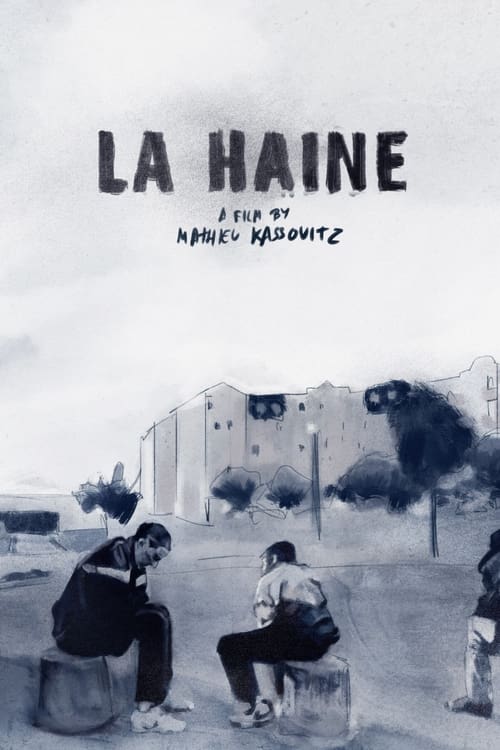
9. La Haine
Mathieu Kassovitz’s 1995 French masterpiece is a raw, black-and-white snapshot of three young men navigating the tense banlieues of Paris after a riot. It’s an electrifying, stylish, and unfortunately, perpetually relevant commentary on police brutality, social inequality, and systemic frustration. And its kinetic energy, sharp dialogue, and iconic hip-hop soundtrack make it an immersive experience. Streamers could introduce a new generation to this crucial piece of international cinema, sparking vital conversations.