

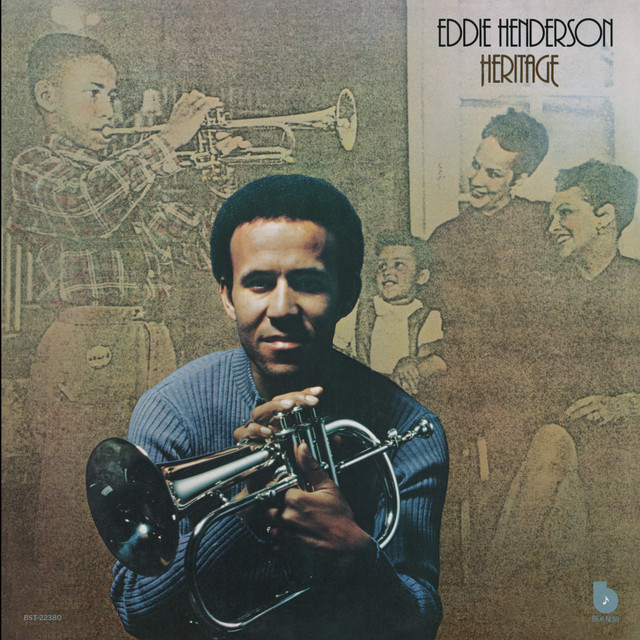
1. Heritage (Reissue)
This hypothetical reissue reminds us of the sheer weight of analog production. Imagine those late '70s or early '80s studio sessions: live takes, tape saturation, and engineers coaxing every ounce of warmth from the console. This isn't about digital perfection, but the organic breath of instruments, the subtle crosstalk, and the colossal dynamic range. It's a sonic artifact, revealing the true depth of a forgotten classic, a masterclass in textures often lost in the transition to sterile ones and zeros.
2. Deluxe
A deluxe edition, especially of a foundational '80s album, offers more than just bonus tracks; it's an archaeological dig into the pre-digital era. We gain access to early mixes, raw instrumentals, and studio chatter, often recorded straight to tape. It illuminates the painstaking process of composition and arrangement, showcasing how musicians wrestled with their gear to forge iconic sounds. This isn't just music; it's a meticulously preserved blueprint of analogue craftsmanship, enriching the original’s context and legacy.

3. Deceit
This Heat's 1981 masterpiece remains a brutalist sonic architecture. Its raw, almost industrial post-punk soundscapes, crafted through tape loops, found percussion, and sparse instrumentation, demonstrate an audacious manipulation of the studio. The sheer physicality of the recording—the clatter, the drone, the stark vocals—is a testament to analog grit. It's a challenging listen, but its rhythmic innovation and textural density reveal a band pushing the boundaries of what 'rock' could encompass, devoid of digital sheen.

4. Melissa
Mercyful Fate's 1983 debut is a cornerstone of early extreme metal, dripping with occult dread. King Diamond's theatrical falsetto alongside Hank Shermann and Michael Denner's intricate, galloping riffs forged a unique sound. The analog production here isn't just primitive; it’s essential, providing a raw, almost claustrophobic intensity that modern sterile recordings often lack. Each reverb-drenched guitar solo and echoing shriek feels genuinely unholy, a dark ritual captured directly to tape.
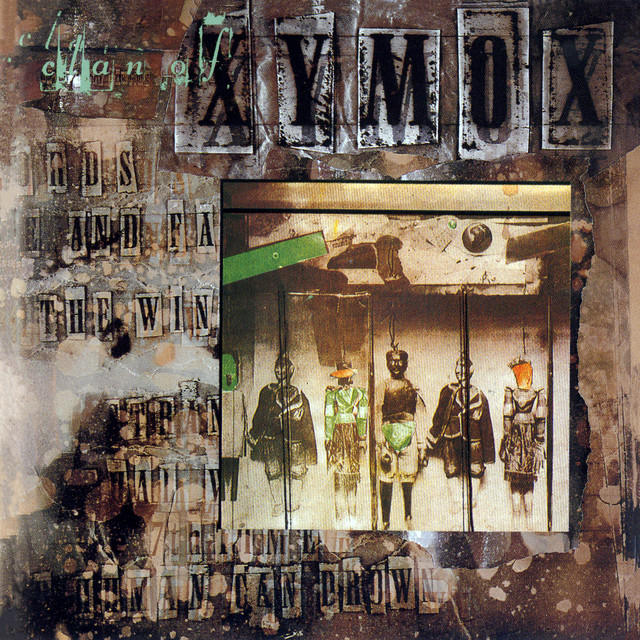
5. Clan Of Xymox
Their 1985 debut is a quintessential darkwave statement, a masterclass in melancholic atmosphere. The analogue synthesizers weave cold, shimmering tapestries, punctuated by reverb-drenched guitars and mournful vocals. It perfectly captures the nascent coldwave aesthetic, balancing icy detachment with profound emotional depth. The production, all expansive delays and deep basslines, is pure mid-80s studio wizardry, demonstrating how carefully layered hardware could evoke such hauntingly beautiful, gothic landscapes.

6. Rotund for Success
The Wedding Present's 1989 record is a lesson in unvarnished, guitar-driven indie rock. David Gedge’s verbose lyrics tumble over relentlessly jangling Rickenbackers, all captured with a directness that bypasses studio trickery for sheer kinetic energy. The analog capture emphasizes the band’s raw, driving propulsion, making every chord strum and drum hit feel immediate and unpolished. It’s a beautifully simple, yet intensely engaging sound, a stark contrast to the burgeoning digital gloss of its era.
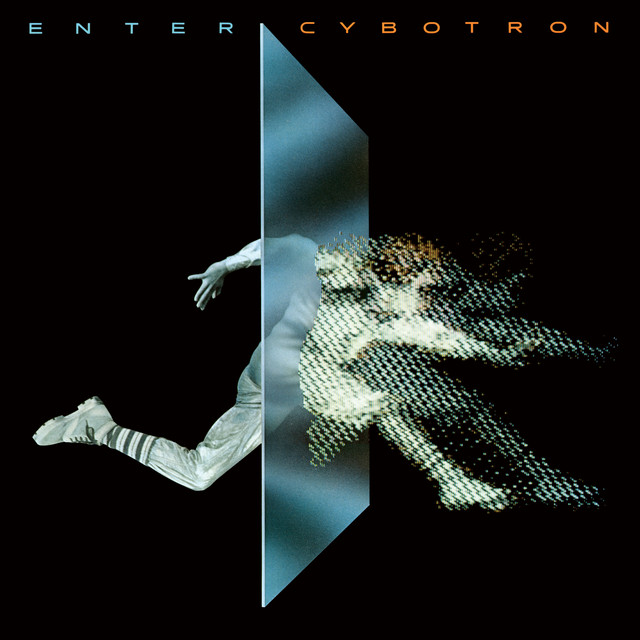
7. Enter (Deluxe Edition)
Cynic's 1991 *Enter* EP, especially in a deluxe presentation, showcases a pivotal moment where death metal collided with jazz fusion. The raw, technical precision of the instrumentation, captured before digital over-processing became ubiquitous, is astounding. Sean Reinert’s drumming and Paul Masvidal’s guitar work, complex yet fluid, retain a palpable warmth through the analog recording. This edition further unveils the embryonic stages of a genre-bending sound, highlighting its unique textural depth.

8. Horse
Imagining this as an obscure 1982 industrial-funk anomaly, "Horse" embodies a primal, machine-driven rhythm section paired with found sounds and guttural synth squelches. It’s a testament to the early ‘80s experimental scene, where artists wrangled crude electronics and raw tape manipulation into something unsettlingly rhythmic. The analog hiss and limited fidelity aren't flaws; they're integral to its gritty, almost confrontational character, a visceral exploration of repetitive, hypnotic power from the pre-MIDI wilderness.
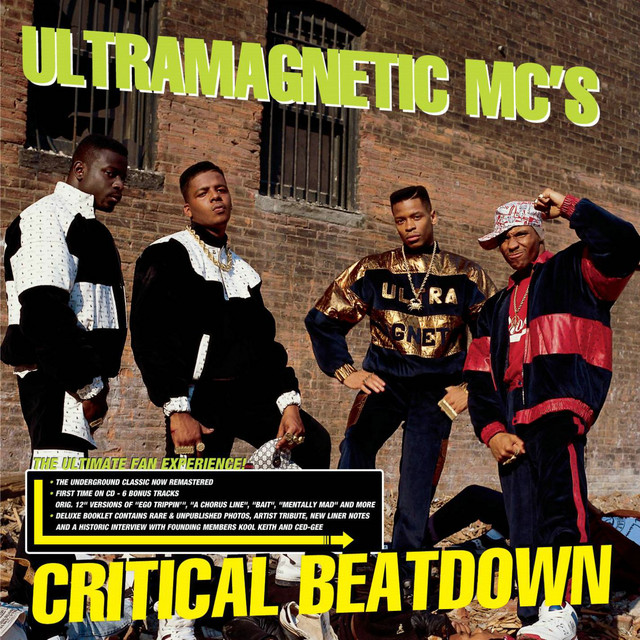
9. Critical Beatdown (Re-Issue)
Ultramagnetic MCs' 1988 debut is a foundational text for abstract hip-hop, and its reissue underscores the genius of Cedric Miller's production. The gritty, often off-kilter samples, stitched together with analog precision, create a dense, futuristic soundscape. Kool Keith's surreal stream-of-consciousness rhymes glide over these meticulously crafted breakbeats, revealing a raw, unfiltered energy. This record perfectly encapsulates the golden era's inventive spirit, born from samplers and reel-to-reel.