
1 / 9
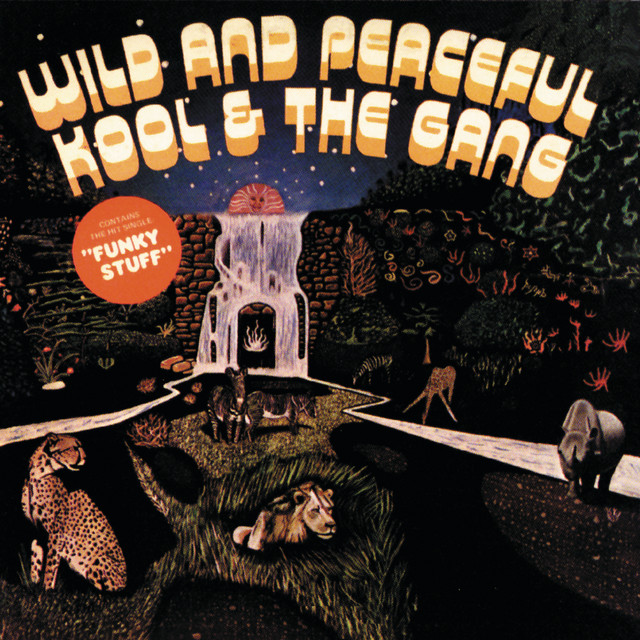
1. Wild And Peaceful
This 1973 outing from Kool & The Gang is a masterclass in tight, groove-centric funk. The horn arrangements are precise, yet retain a raw, visceral energy that defines the era. Basslines, laid down by Robert "Kool" Bell, are not just rhythmic anchors but melodic forces, driving tracks like "Jungle Boogie" and "Hollywood Swinging." It's a testament to ensemble playing, where every instrument contributes to a larger, organic whole, captured with that distinct early-70s warmth. This isn't just dance music; it's a meticulously crafted rhythmic machine.
2 / 9
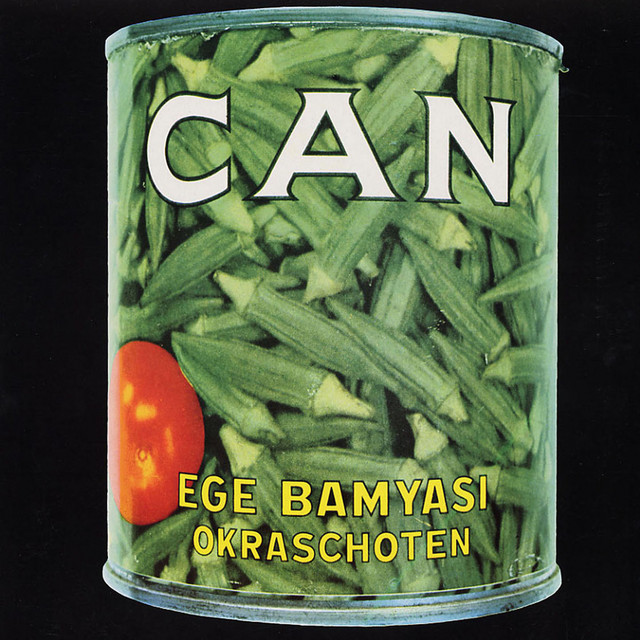
2. Ege Bamyasi (Remastered Version)
Even in its remastered iteration, Can's 1972 "Ege Bamyasi" remains an unyielding, hypnotic journey into the avant-garde. The rhythm section, particularly Jaki Liebezeit's metronomic precision, forms the bedrock for Damo Suzuki's improvisational vocalizations and Michael Karoli’s angular guitar work. This wasn't merely rock; it was a rhythmic experiment, stretching compositions into trance-inducing loops, often employing tape splices and early sampling techniques. It's an unparalleled example of how analog studios could conjure entirely new sonic landscapes.
3 / 9
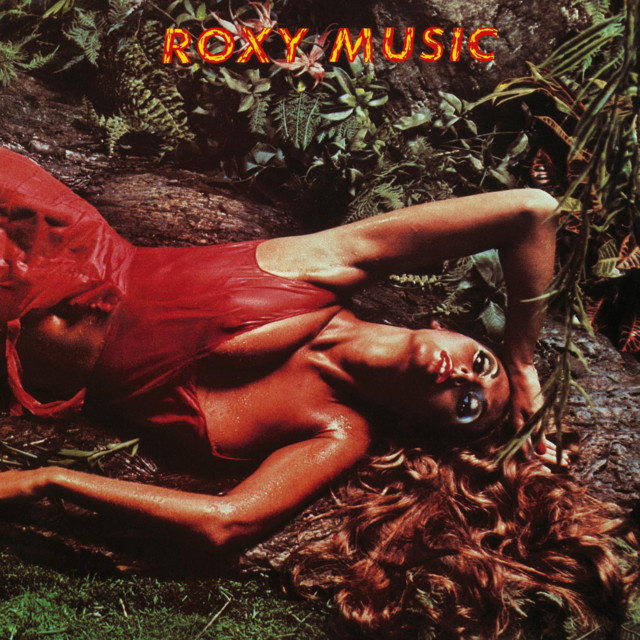
3. Stranded
Stranded, from 1973, is Roxy Music's definitive statement of art-rock opulence. Bryan Ferry's theatricality, combined with Phil Manzanera’s distinctive guitar textures and Eddie Jobson’s violin and synth work, creates a rich, dramatic tapestry. It's a record that revels in its own sophisticated melancholy and intellectual glamour, far removed from punk's coming rebellion. The analog production here is crucial, lending a lush, almost orchestral quality to tracks like "Street Life" and "Mother of Pearl," showcasing meticulous arrangement and studio craft.
4 / 9
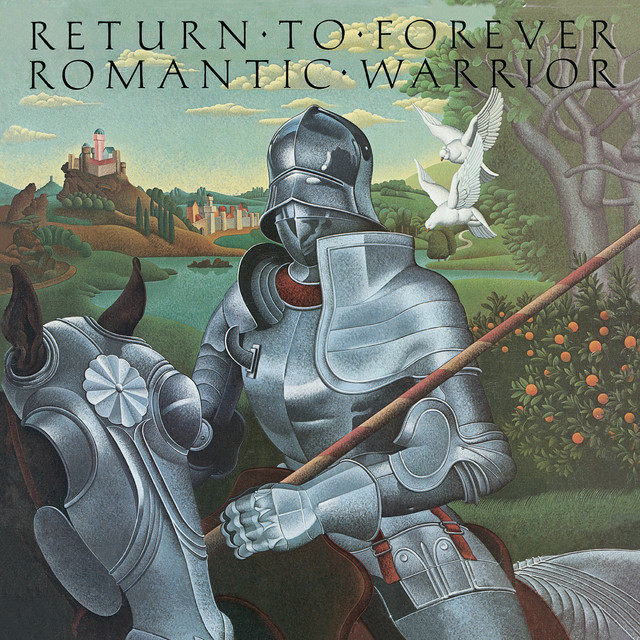
4. Romantic Warrior
Return to Forever's 1976 "Romantic Warrior" stands as a monumental work of jazz-fusion. This album is a testament to the sheer technical virtuosity of Chick Corea, Al Di Meola, Stanley Clarke, and Lenny White. The compositions are intricate, weaving complex time signatures and blistering solos into a cohesive, often breathtaking narrative. It's a prime example of how pre-MIDI synthesizers, particularly Corea's arsenal of Fender Rhodes and Moog, were integrated into a live, organic, yet highly structured musical framework, pushing instrumental boundaries.
5 / 9
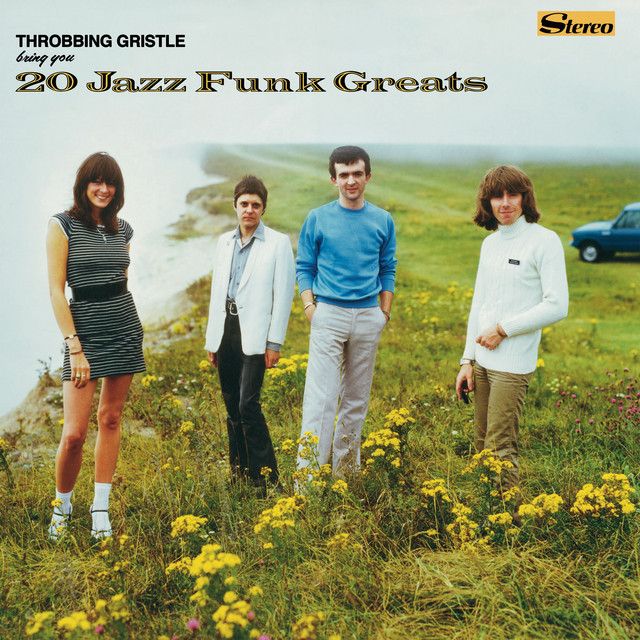
5. 20 Jazz Funk Greats (Remastered)
20 Jazz Funk Greats, even remastered, remains Throbbing Gristle's 1979 declaration of anti-music, a stark, unsettling work that birthed industrial. The title itself is an act of subversion, masking the bleak, often disturbing soundscapes within. Genesis P-Orridge and Cosey Fanni Tutti, with Chris Carter and Peter Christopherson, crafted textures from tape loops, primitive synthesizers, and found sounds, pushing boundaries of what could be considered music. It's a masterclass in analog manipulation, conjuring dread from the machine age.
6 / 9
6. Rock for Light
Bad Brains' 1982 "Rock for Light" is an unrelenting assault, a cornerstone of hardcore punk, yet infused with unexpected reggae excursions. H.R.’s explosive vocals, Dr. Know’s blistering guitar, and the incredibly tight rhythm section of Darryl Jenifer and Earl Hudson created a sound of unparalleled speed and precision. Recorded by Ric Ocasek, it captures the raw, kinetic energy of a band pushing the limits of punk’s aggression while demonstrating incredible musicianship, all within the warm, punchy confines of an analog studio.
7 / 9
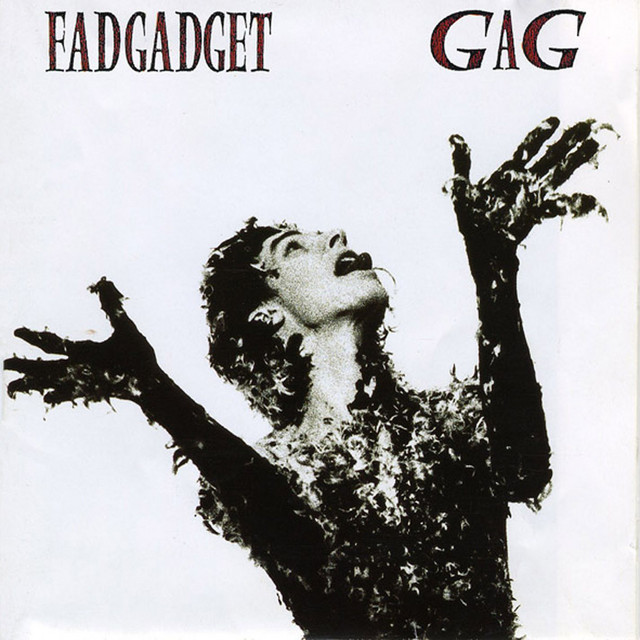
7. Gag
Frank Tovey’s 1984 "Gag," as Fad Gadget, is a bleak, sardonic plunge into early industrial electronics and post-punk bleakness. It’s a record that revels in its discomfort, utilizing stark, percussive rhythms and Tovey's distinctive, often unsettling vocal delivery. The analog synthesis here isn't about pop gloss; it's about generating alien soundscapes and mechanical menace. Tracks like "Collapsing New People" are a testament to how stripped-down, yet sonically rich, a production could be, creating a truly dark, cold atmosphere.
8 / 9
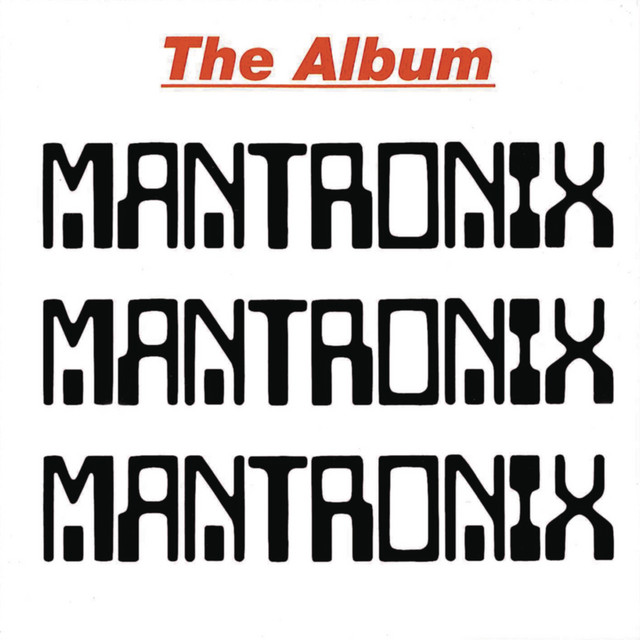
8. The Album
PiL’s 1986 record, known colloquially as "Album," was a hard-hitting, almost metallic evolution for John Lydon. With session heavyweights like Steve Vai, Tony Williams, and Bill Laswell, it's a surprising, muscular beast. Lydon’s sneering delivery meets powerful, often industrial-tinged rhythms and sharp guitar riffs. It showcased an embrace of heavier sounds while maintaining his caustic lyrical edge. This was a direct, aggressive statement, recorded with an analog heft that gave its impactful, almost confrontational sound a tangible weight.
9 / 9
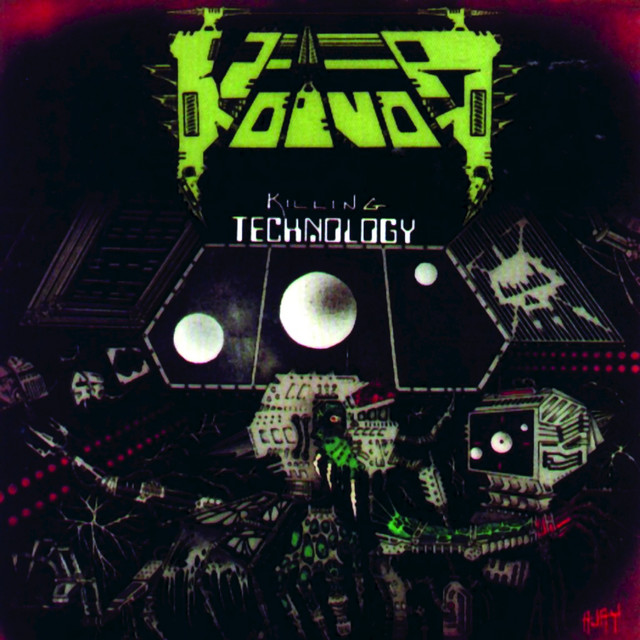
9. Killing Technology
Voivod’s 1987 "Killing Technology" was a pivotal moment, fusing thrash metal aggression with progressive, sci-fi-infused artistry. Piggy’s dissonant, angular riffing and Snake’s distinctive vocals carved out a unique sonic identity. This wasn't just speed; it was intelligent, intricate metal, exploring themes of technological dystopia with an almost avant-garde approach to song structure. The analog recording captured its raw power and complex layers, giving it a depth that later digital productions often struggled to replicate, a true testament to its era.