

1. The Funkytown 15
The snare drum on "Funkytown" was a declaration, a metronomic pulse that dragged disco from its glitter-ball past into a sleek, synth-driven future. Its bassline, a simple but undeniable groove, locked into a rhythm section that felt less organic, more manufactured for maximum dancefloor efficiency. The vocoder-laced vocals, a nascent digital intervention, draped over a pristine, multi-tracked arrangement, cementing its status as an early template for studio-crafted pop perfection. It simply *moved* you.
2. Birdland
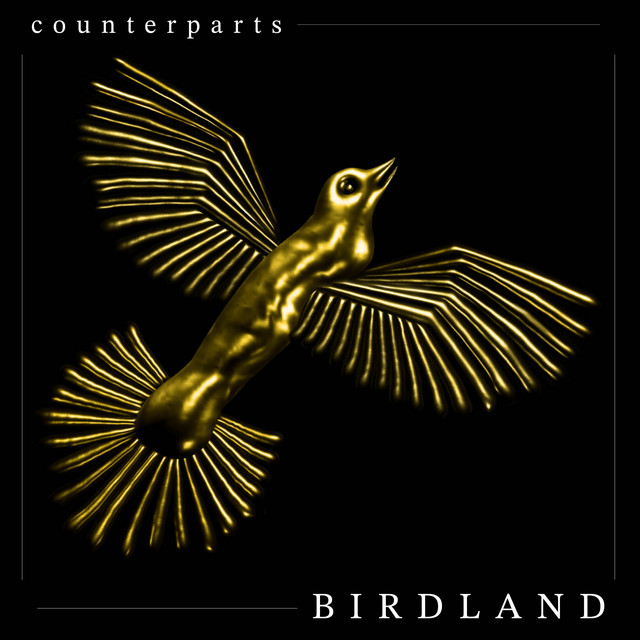
"Birdland" wasn't just jazz-fusion; it was a masterclass in rhythmic architecture. Zawinul's synth textures, often mimicking orchestral sweeps, were underpinned by Pastorius's blistering, melodic basslines and Erskine's precise, driving drums. The piece built on interlocking polyrhythms, each instrument contributing to a dense, yet incredibly cohesive sonic tapestry. It proved that complexity could be utterly accessible, defining an era where virtuosity met pop sensibility without compromise.

3. Blue Monday
The LinnDrum on "Blue Monday" was not merely a drum machine; it was a statement. Its programmed precision, coupled with that iconic, relentless bassline, forged a sound both mechanical and utterly compelling. It channeled post-punk angst into an electronic dance anthem, a cold, dark wave that swept through clubs and changed expectations of what a band could be. This was the future of rhythm, distilled into stark, hypnotic repetition.
4. Remain in Light
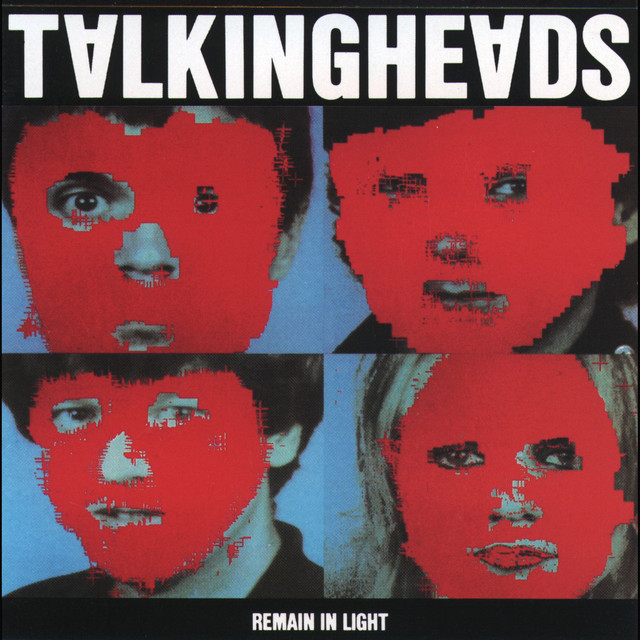
The rhythmic core of "Remain in Light" was a revelation, a deliberate deconstruction of funk and Afrobeat into something wholly new. Byrne, Eno, and Frantz crafted interlocking, almost trance-inducing grooves that felt both organic and meticulously assembled. The album's dense sonic layering and often-chanted vocal patterns hinted at nascent rap aesthetics, demonstrating a profound understanding of rhythm as a primary compositional element, not just accompaniment. It truly made the beat the star.

5. Thieves Haven
Ministry's "Thieves Haven" assaulted the listener with a relentless, punishing rhythm track, a brutalist monument of sampled drums and metallic percussion. It was the sound of machines having a nervous breakdown, yet somehow maintaining a grotesque, undeniable groove. This wasn't merely aggressive; it was industrial-strength rhythm, designed to bludgeon and provoke, forging a template for the fusion of mechanical precision and raw, unbridled fury that defined early industrial metal.

6. Bela Lugosi's Dead (The Hunger Mix)
While the original "Bela Lugosi's Dead" was already a post-punk cornerstone, *The Hunger* mix stretched its skeletal rhythm into an even more expansive, unsettling landscape. That sparse, echoing drumbeat, paired with David J's hypnotic, almost predatory bassline, created an atmosphere of dread and allure. It wasn't about speed or complexity; it was about the chilling power of restraint, the space between the notes, crafting a truly *dark* rhythmic pulse.
7. Can You Feel It
"Can You Feel It" was a maximalist statement, a sprawling, orchestral funk epic that still prioritized the groove. The rhythm section, tight and impeccably produced, laid down a sophisticated foundation for the sweeping strings and powerful vocal harmonies. It showcased the pre-digital studio's ability to create immense sonic landscapes, where every element contributed to an uplifting, almost spiritual rhythmic propulsion. This track was pure, unadulterated musical ambition.
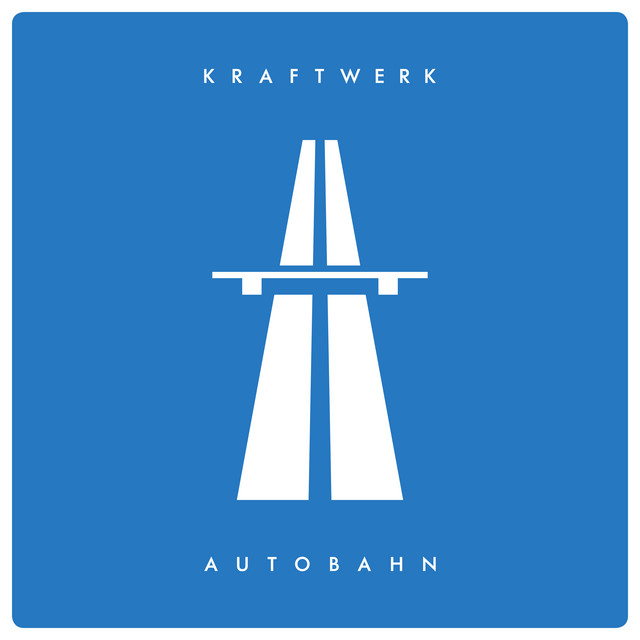
8. Autobahn (2009 Remaster)
The original "Autobahn," even before the '09 remaster, was a groundbreaking rhythmic experiment. Its motorik beat, a steady, hypnotic pulse emulating a long drive, laid the groundwork for electronic music's future. Kraftwerk meticulously constructed repetitive patterns with synthesizers and early drum machines, proving that rhythm didn't need traditional instrumentation to be compelling. It was a rhythmic meditation, a conceptual blueprint for the electronic age's relentless forward motion.