
1 / 8
1. The Corner
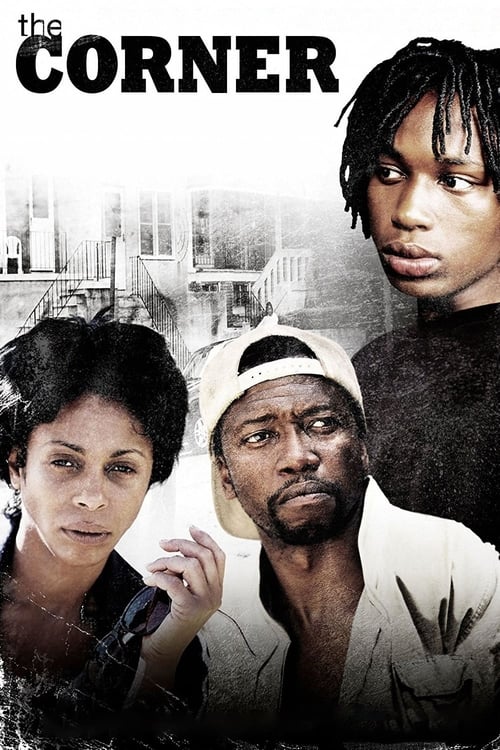
Before *The Wire* was a household name, David Simon and Ed Burns delivered *The Corner*. This HBO miniseries wasn't just gritty; it was an unflinching, serialized look at a West Baltimore drug corner through the eyes of its residents. It laid groundwork for prestige TV, proving that long-form, ensemble-driven storytelling could tackle social realities with cinematic scope and a documentary-like feel. This was raw, essential viewing that never got its full due.
2 / 8
2. Boomtown
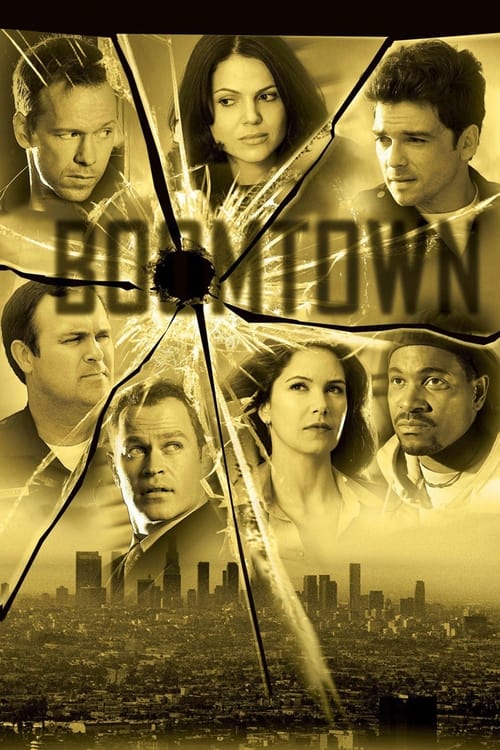
On network TV, *Boomtown* was an anomaly. It took the procedural format and twisted it, showing crimes from multiple, often conflicting, perspectives – cops, victims, perps. That Rashomon-style narrative was ambitious for broadcast in 2002, building a complex ensemble puzzle each week. It was a bold, cinematic swing that dared to treat its audience like grown-ups, showcasing what serialized storytelling could be even outside cable's burgeoning risk-taking.
3 / 8
3. Action
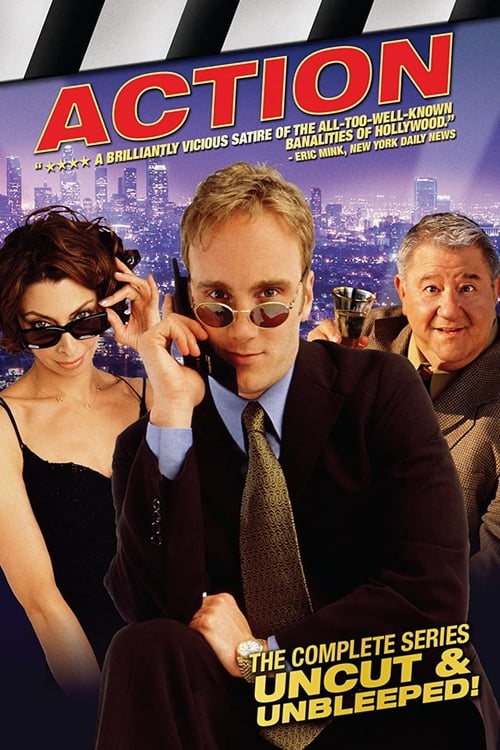
*Action* was a dark, cynical, and utterly hilarious take on Hollywood's underbelly, starring Jay Mohr as a sleazy producer. This FOX show was probably too ahead of its time, pushing cable-level risk and language onto broadcast in '99. It was raw, unapologetic, and skewered the industry with sharp, relentless wit. A true precursor to the kind of edgy, no-holds-barred comedy that would later thrive on premium channels, it was a brave, doomed experiment.
4 / 8
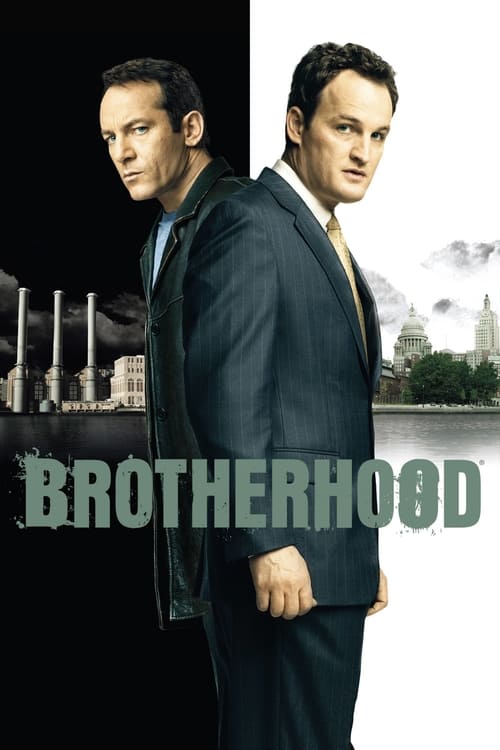
4. Brotherhood
Showtime's *Brotherhood* dug deep into the complicated lives of two Irish-American brothers in Providence – one a politician, the other a gangster. It was raw, morally ambiguous, and embraced that serialized cable drama model, exploring family, loyalty, and corruption over multiple seasons. The ensemble cast was phenomenal, delivering performances that felt deeply lived-in, proving Showtime could go toe-to-toe with HBO's grittiest offerings with its own brand of prestige.
5 / 8
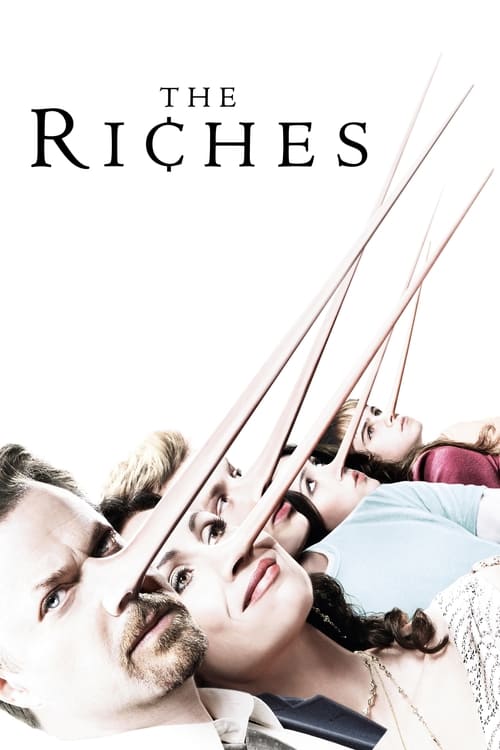
5. The Riches
Before FX was a prestige powerhouse, *The Riches* offered a unique blend of dark comedy and drama. Eddie Izzard and Minnie Driver played con artists who steal an identity and try to live the suburban dream. It was a wild premise, exploring class and identity with a cynical charm. This show was a perfect example of cable-era risk-taking, allowing for complex characters and morally grey narratives that network television simply couldn't touch.
6 / 8
6. K Street
Talk about experimental. *K Street* was a bold, quasi-mockumentary from Soderbergh and Clooney, blending real political figures and events with fictional narratives about D.C. consultants. Shot almost in real-time, it was a meta-commentary on media and politics, blurring lines before that was commonplace. It was niche, sure, but a fascinating early example of television pushing formal boundaries, anticipating today's hybrid storytelling and embracing cable's freedom.
7 / 8
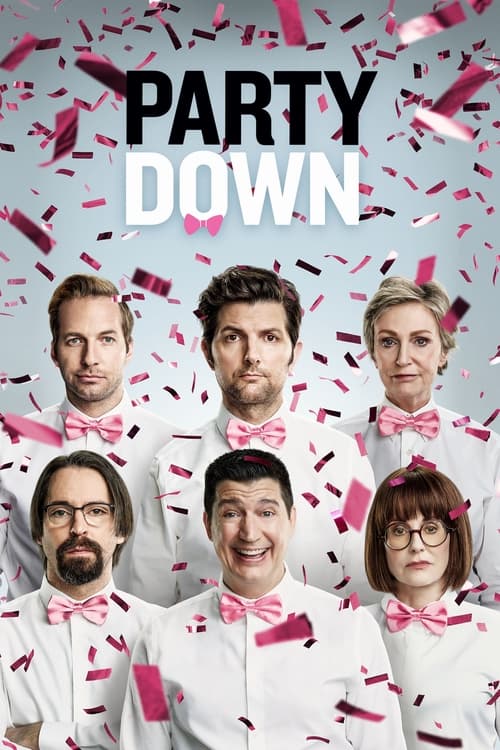
7. Party Down
*Party Down* took the single-camera, ensemble workplace comedy and perfected it, even if few watched it initially on Starz. Following a catering crew of Hollywood dreamers, it was hilariously bleak and painfully real, a precursor to many beloved mockumentary-style shows. The dialogue was sharp, the characters were tragicomic, and it was the kind of cult hit that thrived on early on-demand viewing, building its legend long after cancellation.
8 / 8

8. Tremors
Who knew a show based on a cult monster movie could be this charming? *Tremors: The Series* on the Sci-Fi Channel continued the B-movie fun, bringing back Burt Gummer to battle Graboids. It was pure creature-feature comfort, embracing its campy roots with genuine affection and surprisingly clever writing. For early 2000s cable, it was a solid, serialized genre entry that delivered exactly what fans wanted, proving niche audiences could be served.