
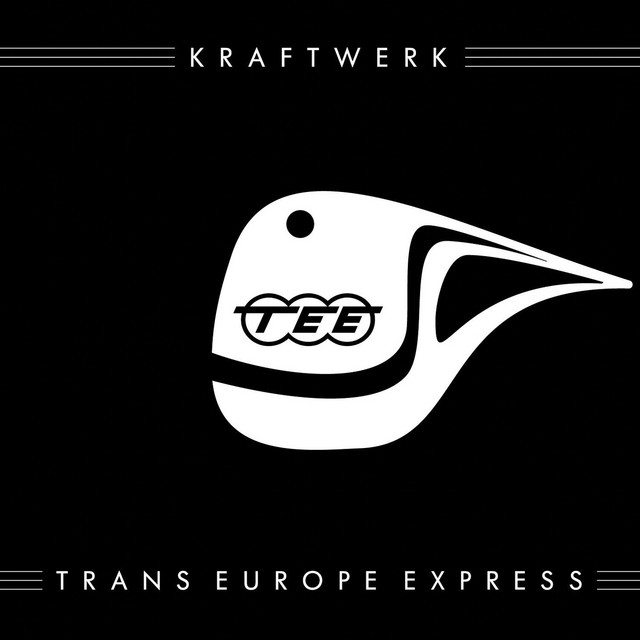
1. Trans-Europe Express (2009 Remaster)
Kraftwerk’s 1977 opus was a stark, almost alien transmission, detailing a metallic future long before microprocessors were commonplace. On its original vinyl, those analog synthesizers and rudimentary sequencers forged pristine, mechanical rhythms. It wasn't just music; it was architectural sound design, a cold, elegant blueprint for techno and hip-hop. The 2009 presentation simply reasserts its timeless, precise engineering, proving that the digital promise was first whispered through analog circuitry.
2. Billie Jean (Hoodtrap)
Forget the latter-day trappings; the sheer rhythmic propulsion of Michael Jackson's 1982 masterpiece was a marvel. That LinnDrum machine, meticulously programmed, laid down a groove simultaneously human and utterly precise. And that bassline, played on a Moog Prodigy, was pure analog swagger. It was a perfectly polished, post-disco funk machine, demonstrating how tightly arranged electronic elements could elevate pop to art, creating an undeniable, timeless pulse ripe for future interpretations.

3. Blue Monday
New Order’s 1983 behemoth was a revelation. Its thumping Oberheim DMX drums, sequenced bass, and shimmering synth pads represented a decisive break from guitar-driven post-punk, yet retained the genre’s melancholic introspection. It wasn’t merely electronic; it was a carefully constructed, sprawling soundscape, blending the raw energy of the club with art-rock sophistication. This track wasn't just a hit; it was a manifesto for a new era of hybrid digital-analog music.
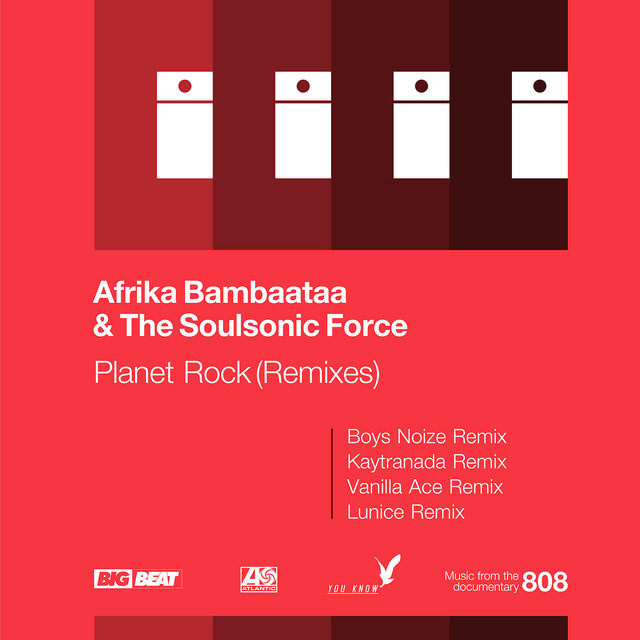
4. Planet Rock (Remixes)
When Afrika Bambaataa and Soulsonic Force unleashed this in 1982, it was pure alchemy. The Roland TR-808 kicked like a mule, its distinct thud and snap forming the backbone of what would become electro and hip-hop. Layered with Kraftwerkian synth lines and vocoder chants, it was a mechanical funk organism, bridging European electronic precision with Bronx street swagger. The raw, primal energy, cut with digital-age aspirations, was undeniably revolutionary.
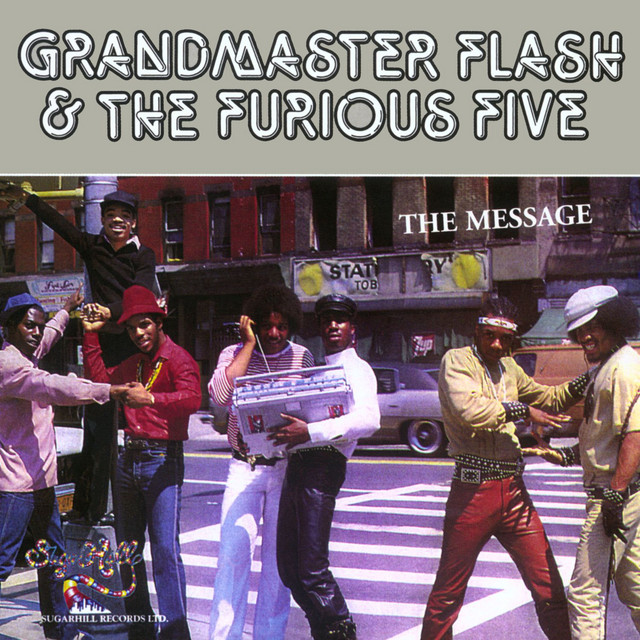
5. The Message
Grandmaster Flash & The Furious Five’s 1982 social commentary arrived like a gut punch. Its sparse, almost menacing production, driven by a simple yet effective drum machine and a haunting synth riff, underscored the lyrical gravitas. This wasn’t about flashy solos; it was about the power of the stark beat and the spoken word. It demonstrated how early electronic textures could amplify raw, urgent narratives, moving rap beyond party anthems to profound social statements.

6. Warm Leatherette
The Normal’s 1978 single was a chilling harbinger. Daniel Miller, armed with a Korg MS-20 and a rudimentary drum machine, crafted an unsettling, minimalist soundscape. Its cold, repetitive beat and stark analog synth line were a defiant rejection of rock bombast, instead embracing mechanical precision and psychological tension. This was industrial music in its infancy, a blueprint for darkwave and electronic experimentation, proving less could be intensely more.
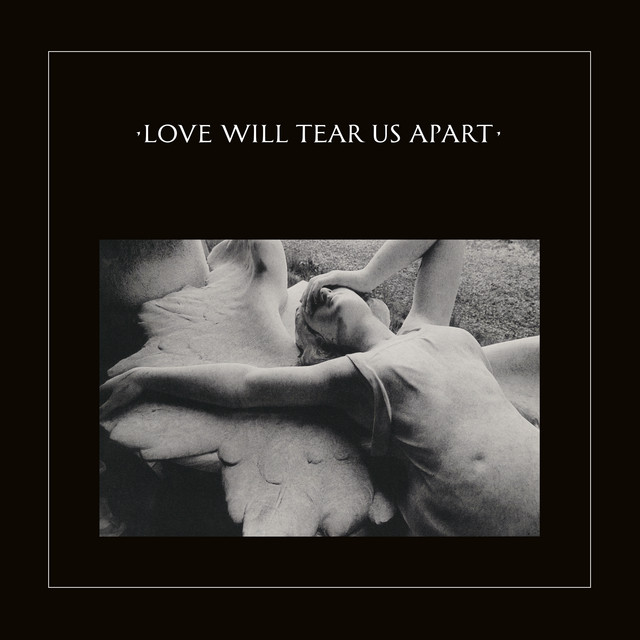
7. Love Will Tear Us Apart
Joy Division’s 1980 classic, while steeped in post-punk guitar textures, cleverly integrated a prominent synthesizer melody that added a vital, almost spectral layer to its profound melancholy. The track's stark, almost clinical precision, even in its raw analog recording, hinted at the coming era of hybrid sounds. It wasn't just a rock song; it was a deeply atmospheric piece, where electronic nuances amplified human despair, a bridge to darker synth-pop.
8. Da Fonk (feat. Joni)
This track, whatever its specific vintage, exemplifies the transition. Imagine a raw, uncompromising analog funk groove, thick with live bass and punchy drums, then overlaid with the nascent sheen of early digital synthesis or vocoded vocals. It’s that moment where the organic swagger of the dancefloor met the rhythmic possibilities of machines. The "Joni" element, perhaps a unique vocal treatment or an unusual synth voice, adds an unexpected, almost avant-garde texture to the familiar funk template, pushing boundaries.