
1 / 8

1. Pong (1972)
Before Pong, video games were curiosities, laboratory experiments. This simple, two-paddle tennis simulation wasn't just a game; it was a phenomenon that dragged digital entertainment out of the shadows and into arcades and homes. It proved that interactive pixels could be compelling, competitive, and universally understood. Pong didn't just kickstart an industry; it laid the fundamental groundwork for digital interaction, showing us the primal thrill of competitive play on a screen.
2 / 8
2. Space Invaders (1978)
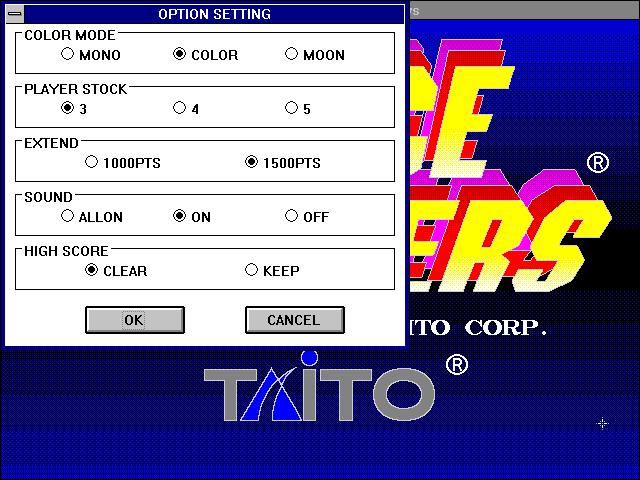
Space Invaders refined the arcade experience, turning fleeting amusement into an obsession. The cascading aliens, the escalating tension, and that iconic march—it taught us about pattern recognition, persistence, and the relentless pursuit of a high score. It wasn't just about winning; it was about lasting longer, proving skill, and etching your initials onto a digital leaderboard. This game cemented the arcade as a social hub and a proving ground for digital dexterity.
3 / 8
3. Super Mario Bros.
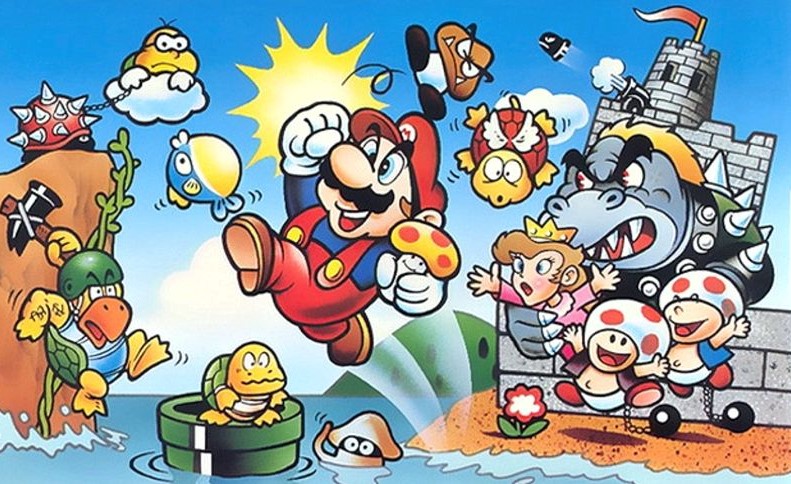
Super Mario Bros. was a masterclass in elegant design, setting the blueprint for platformers and, frankly, most games that followed. Its ingenious level design, secret passages, and responsive controls taught us how to explore, how to jump with precision, and how a hero's quest could be both challenging and endlessly charming. Mario's journey defined the very essence of digital adventure for a generation, proving that a well-crafted world could feel boundless.
4 / 8
4. The Legend of Zelda: Ocarina of Time
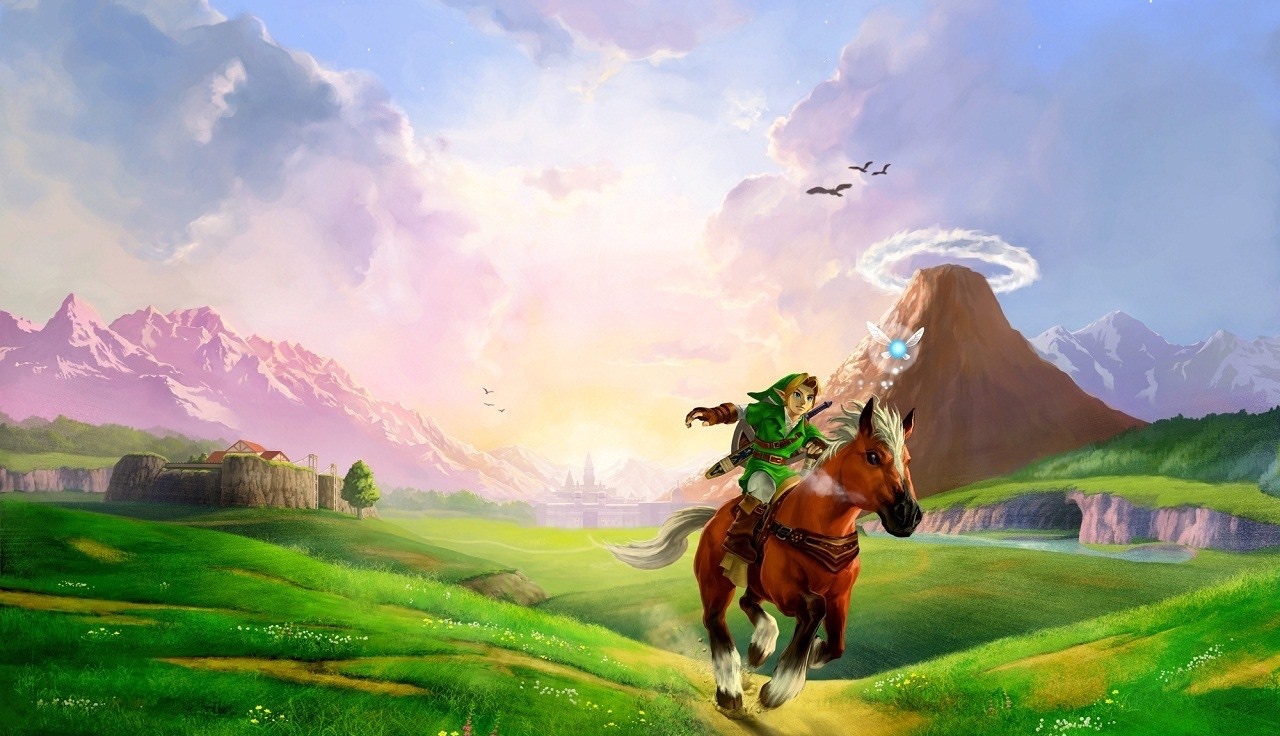
Ocarina of Time didn't just transition a beloved series into 3D; it redefined what a 3D adventure could be. Its innovative Z-targeting, vast Hyrule field, and complex dungeons offered a sense of epic scale and interactive storytelling previously unimaginable. It taught us about intricate world-building, non-linear progression within a grand narrative, and how environmental puzzles could be woven seamlessly into exploration. This was a foundational text for modern action-adventure.
5 / 8
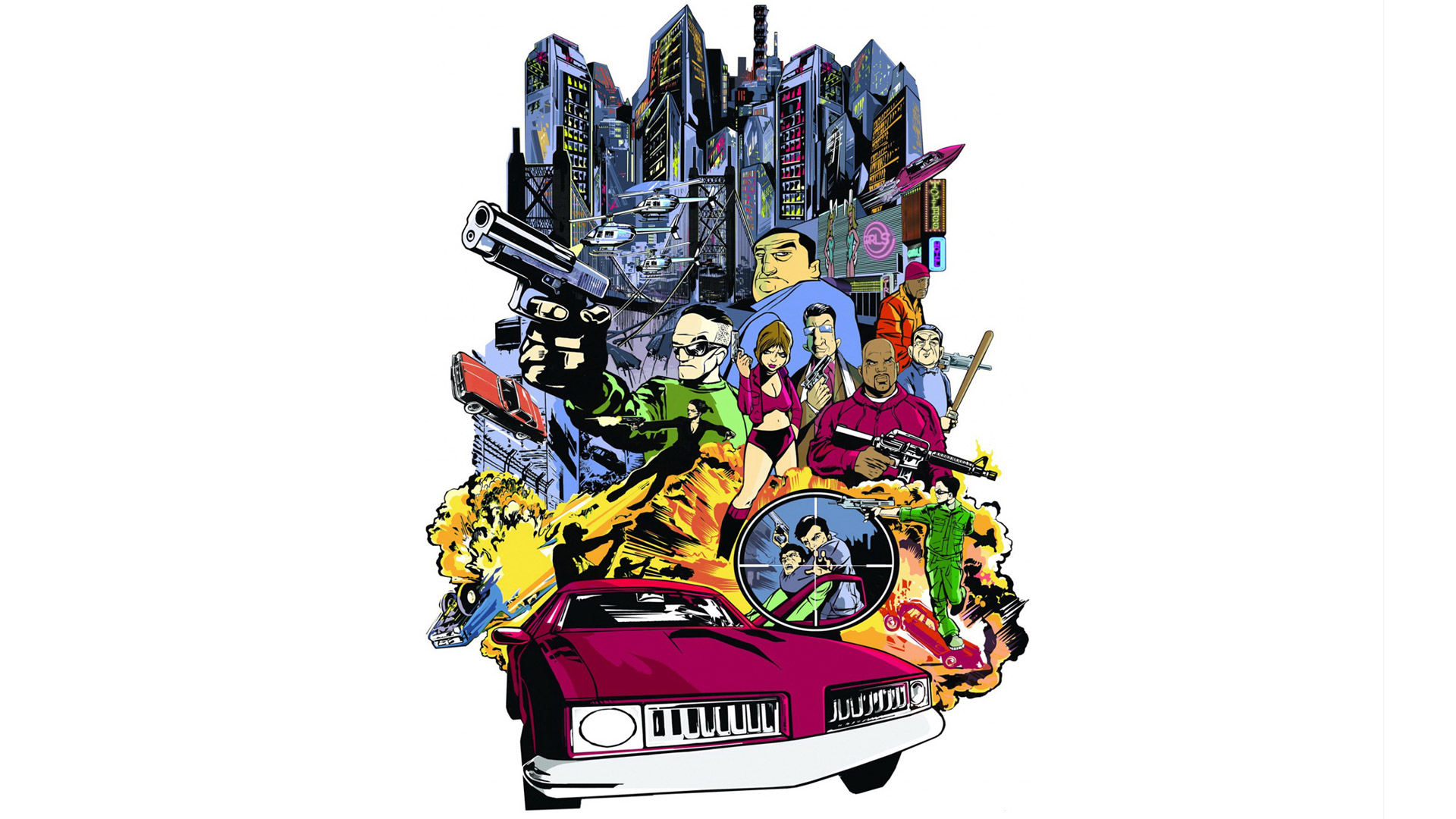
5. Grand Theft Auto III
Grand Theft Auto III blew the doors off conventional game design, offering an unprecedented level of freedom in a fully realized 3D city. It wasn't just about missions; it was about emergent narratives, about simply existing and experimenting within a living, breathing, and often chaotic world. This game normalized mature themes in mainstream gaming and showed developers the immense potential of sandbox design, where player choice truly dictated the experience.
6 / 8

6. World of Warcraft
World of Warcraft wasn't the first MMO, but it became the most influential, fundamentally changing how we understood digital communities. It built a persistent, evolving world that fostered unprecedented levels of social interaction, cooperation, and even conflict. For millions, Azeroth wasn't just a game; it was a second home, a social network, and a place where friendships and rivalries were forged. It proved the power of shared digital experiences on an epic scale.
7 / 8
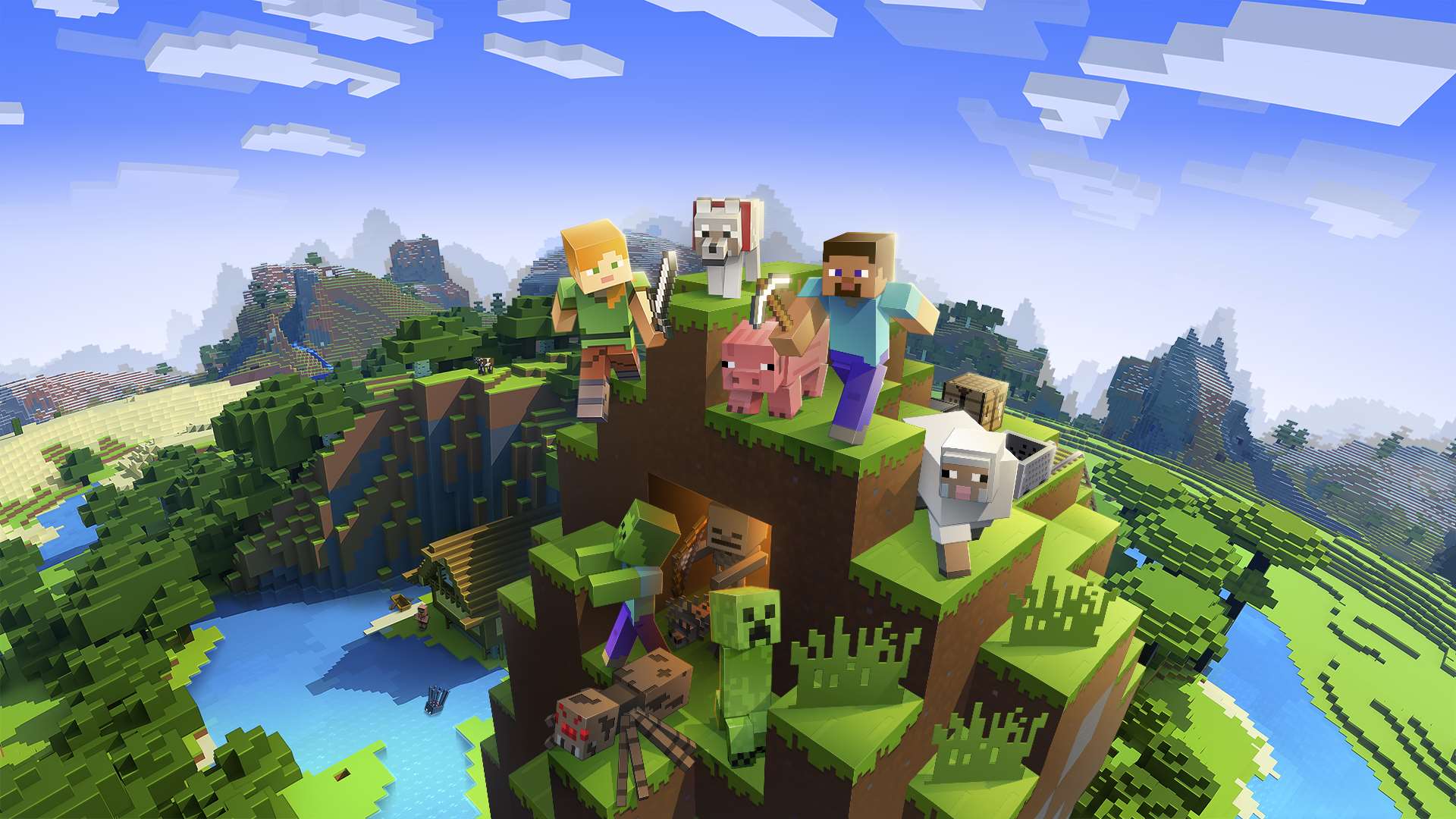
7. Minecraft
Minecraft turned the very concept of play on its head, proving that unstructured creativity could be infinitely more compelling than directed narratives for many. Its blocky aesthetic belied a profound freedom, allowing players to build, explore, and shape their own worlds. It championed emergent gameplay and user-generated content, demonstrating that the tools for creation could be as engaging as the creations themselves. Minecraft showed us the true power of digital sandboxes.
8 / 8
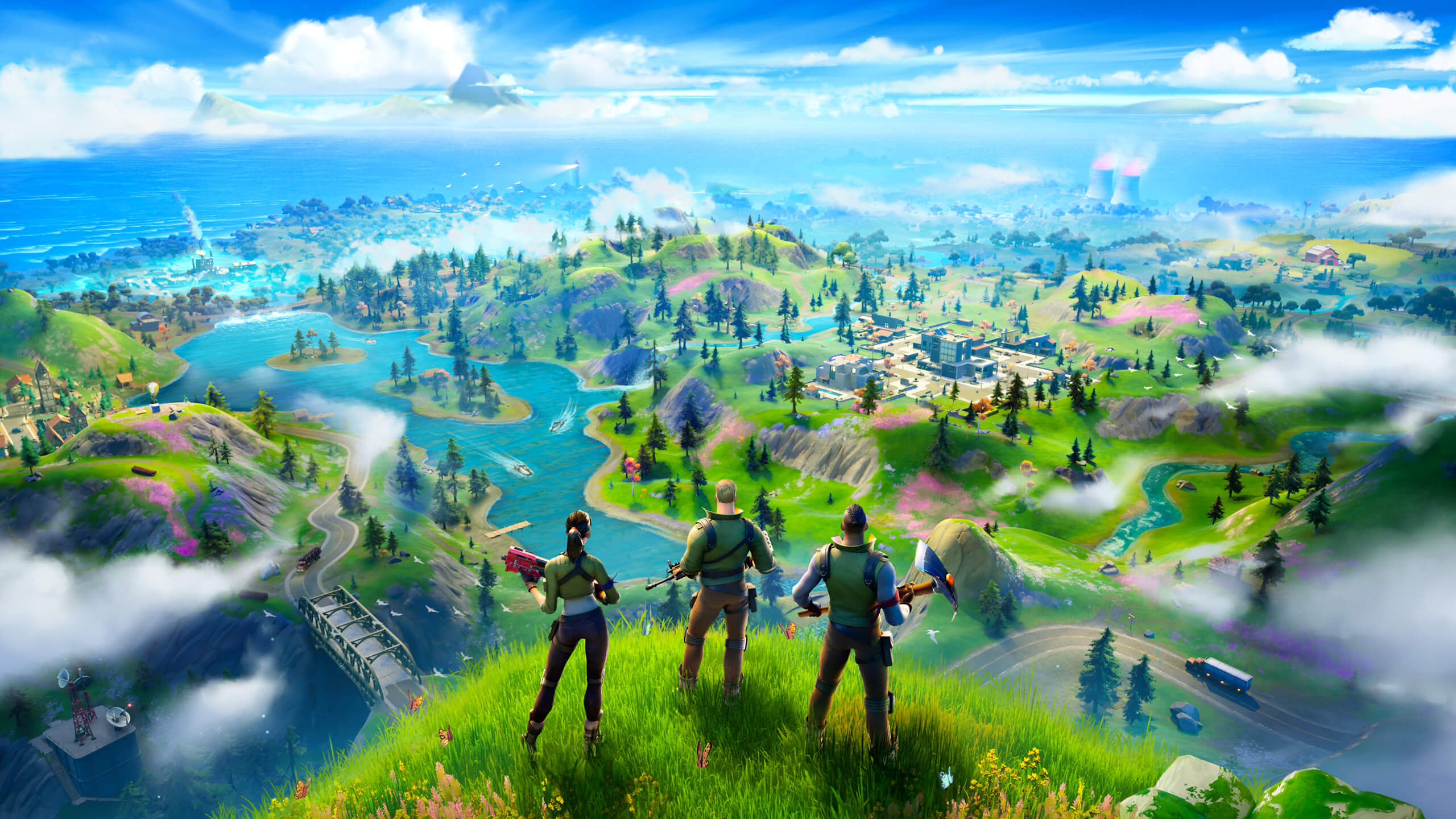
8. Fortnite Battle Royale
Fortnite Battle Royale didn't invent the genre, but it perfected the free-to-play, live-service model with unprecedented reach. Its constant updates, seasonal content, and distinct building mechanics created a dynamic, ever-evolving experience. More than just a game, it became a cultural touchstone, blurring lines between entertainment, fashion, and social interaction. Fortnite demonstrated the immense power of accessible, constantly refreshed competitive play that transcends traditional gaming demographics.