
1. Chameleon
Herbie's "Chameleon" from *Head Hunters* epitomizes the apex of jazz-funk fusion. That iconic bassline, crafted with an Arp Odyssey or similar, slithers through the polyrhythmic landscape, anchoring the Rhodes and Clavinet's intricate interplay. It’s a masterclass in organic groove synthesis, where every instrument, from the brass stabs to the tight drums, locks into a singular, undeniable pulse. This wasn't just music; it was a rhythmic machine, built from pure analog electricity and human precision.
2. Bohemian Rhapsody (The Original Soundtrack)
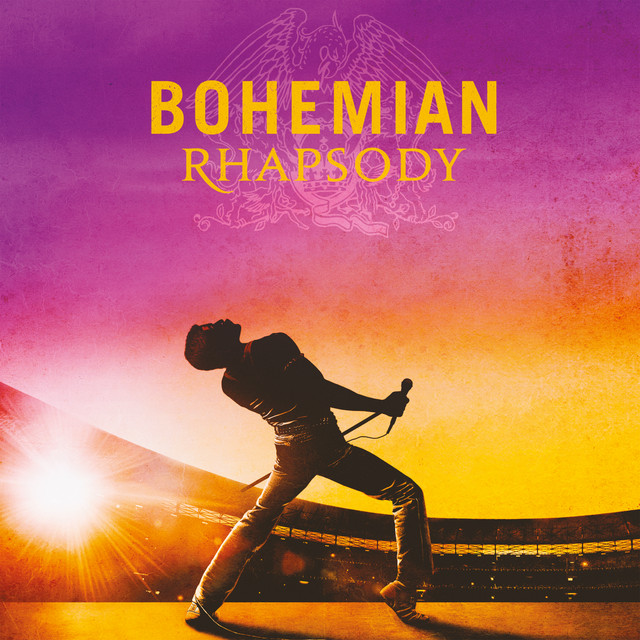
Forget the film, the original "Bohemian Rhapsody" is a monumental achievement in studio craft. This wasn't just a song; it was a meticulously constructed operatic suite, pieced together from countless vocal overdubs and guitar textures on analog tape. The way it pivots from mournful balladry to hard rock bombast, then into that iconic, almost comical, operatic interlude, showcases a band pushing the boundaries of what a single track could contain, all without a single computer in sight. Pure, unadulterated art-rock ambition.
3. Electric Eyes
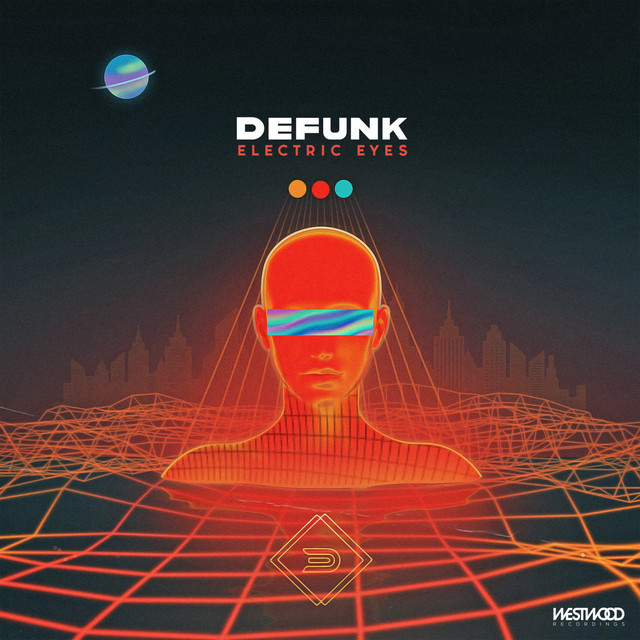
Judas Priest’s "Electric Eye" is a precision-engineered piece of early 80s metal. That twin-guitar attack, a hallmark of Tipton and Downing, cuts through with surgical riffs, bolstered by a rhythm section that drives with relentless, almost mechanical, intensity. The production, typical of the era, emphasizes clarity and punch, allowing every searing lead and propulsive drum hit to register. It’s a testament to how raw power and intricate arrangement could coalesce into something truly formidable on magnetic tape.

4. Blue Monday
"Blue Monday" wasn't just a song; it was a blueprint for the future. That relentless Oberheim DMX drum machine, paired with the iconic sequential bassline from the Moog Source, created a stark, mechanistic groove that was utterly revolutionary. The track’s sheer length, its almost cold, detached vocal delivery, and the layers of synthesized textures pushed beyond traditional pop, laying foundational stone for darkwave and nascent techno. This was the sound of the analog synth embracing the dancefloor's stark futurism.
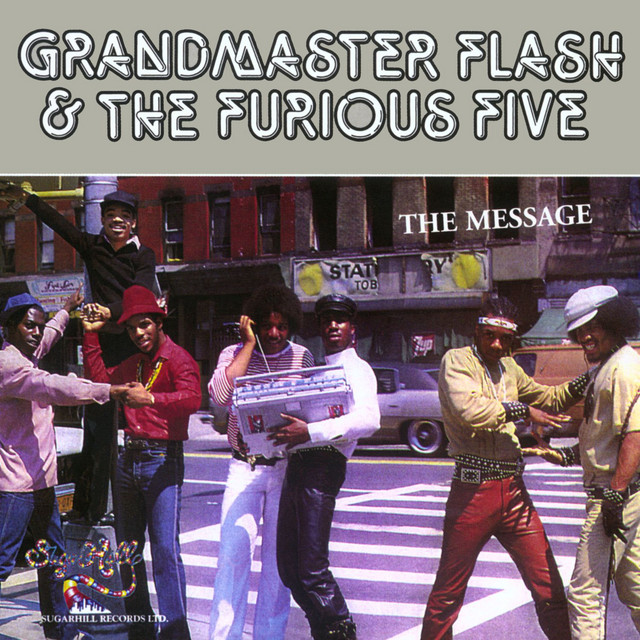
5. The Message
"The Message" was a stark, unflinching declaration from the concrete jungle. While not built on complex sampling, its sparse, urgent funk beat, often generated by drum machines and live instrumentation, provided the perfect canvas for Melle Mel’s raw, observational rhymes. It wasn't about party anthems; this was reportage, delivered with a cadence that redefined vocal rhythm. The track’s analog grit captured the palpable desperation and simmering anger of the streets, giving voice to a new urban narrative.

6. Don't Stop 'til You Get Enough
Michael Jackson’s "Don't Stop 'til You Get Enough" is a masterclass in post-disco euphoria, a vibrant, meticulously constructed funk machine. Quincy Jones's production, layered with live instrumentation—those tight horns, the elastic bassline, the crisp drums—created an irresistible, propulsive groove. Jackson’s vocal performance, full of acrobatic runs and infectious energy, soared over the arrangement. It’s a perfect example of analog recording capturing pure, unadulterated joy, pushing disco’s boundaries into a new, more expansive R&B.
7. Can You Feel It
"Can You Feel It" is an epic, almost symphonic, declaration of unity from The Jacksons. The sheer scale of the production, with its soaring strings, brass fanfares, and multi-layered vocal harmonies, speaks to a maximalist approach to post-disco. It’s an expansive, uplifting track that builds majestically, propelled by a steady, insistent groove. This wasn't just a song; it was an experience, meticulously engineered in the analog domain to evoke communal transcendence, a truly ambitious piece of studio artistry.
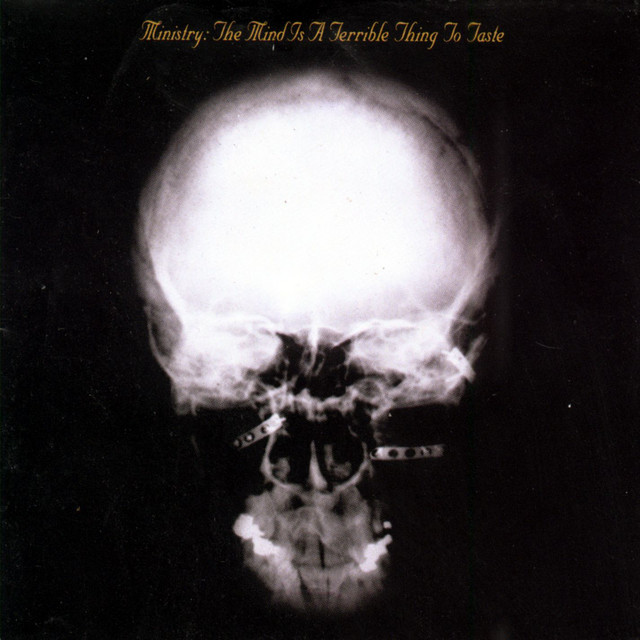
8. The Mind Is a Terrible Thing to Taste
Ministry’s *The Mind Is a Terrible Thing to Taste* is a visceral assault, a grinding industrial behemoth. Al Jourgensen’s vision was to fuse relentless EBM rhythms with metallic guitars, creating a sound both machine-like and utterly ferocious. The track's sampled dialogue, processed vocals, and a barrage of distorted guitars over relentless LinnDrum programming forged a bleak, aggressive soundscape. This was analog brute force, recorded hot and heavy, pushing the boundaries of sonic discomfort into a new, terrifyingly effective art form.