


1. Gospel Train (Expanded Edition)
Sister Rosetta Tharpe was already laying down the blueprint for rock and roll before most folks even knew what it was. This expanded collection highlights her electrifying guitar work and unshakeable vocal conviction, blending the sacred with a raw, secular swagger. She didn't just sing gospel; she injected it with a proto-punk energy that would fuel generations. It's the sound of the future, delivered on a prayer and a Fender.

2. Link, Vernon and Doug
Forget your refined blues. This is Link Wray, his brothers, and a sound that scraped the bottom of the barrel and found gold. Raw, guttural, and drenched in primal distortion, this 1971 album is a masterclass in garage-rock minimalism. It’s less about technique and more about pure, unadulterated menace, carving out space for every loud, nasty guitar riff that followed. A true sonic blueprint for punk and proto-metal, long before the terms existed.

3. Silhouettes in Blue
Shirley Scott’s 1966 "Silhouettes in Blue" might glide by on a cool, organ-driven groove, but don't mistake its sophistication for passivity. This is soul jazz laying down deep, hypnotic rhythms that subtly push boundaries. Scott’s B3 work weaves a tapestry that's both intellectual and deeply visceral, a sound too refined for the mainstream but infinitely influential on those who understood the power of a sustained vibe. It's elegant experimentation.
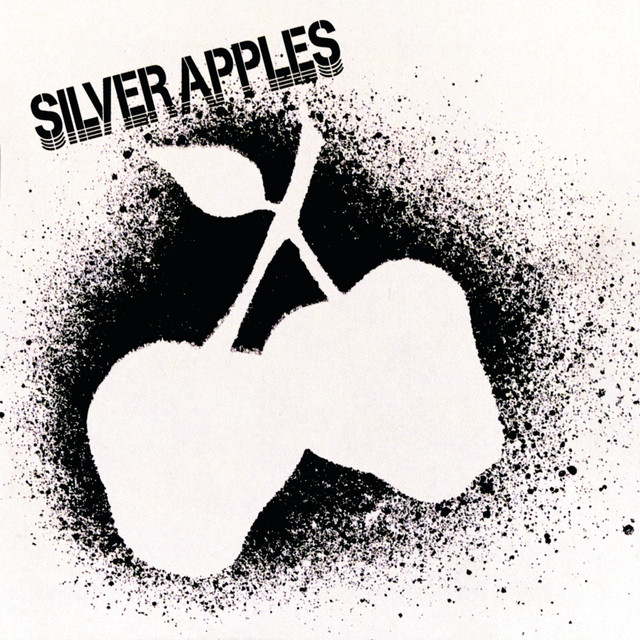
4. Silver Apples
In 1968, Silver Apples cooked up something utterly alien. With just oscillators, crude drums, and Simeon Coxe III’s deadpan vocals, they conjured a psychedelic, electronic minimalism that was decades ahead. This debut wasn't just experimental; it was a revelation, crafting hypnotic loops and pulsing rhythms with equipment others dismissed as noise. It’s the sound of the future arriving in a cardboard box, waiting for the rest of the world to catch up.
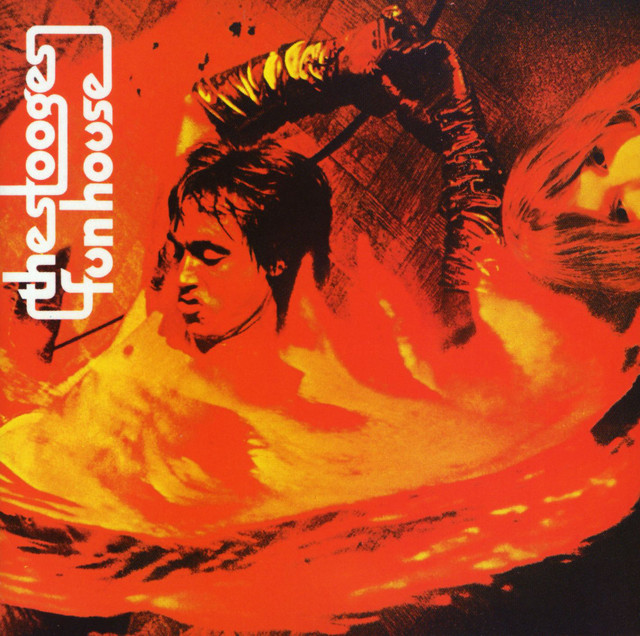
5. Funhouse
The Stooges' "Funhouse" from 1970 remains a relentless, unfiltered blast of pure id. Iggy Pop's primal screams and the band's bludgeoning, raw-power assault tore down every convention. It’s not just proto-punk; it’s a blueprint for industrial noise, a celebration of chaos that few bands have ever matched. This record didn't ask for permission; it simply manifested, a visceral, glorious mess that still feels dangerous.

6. NEU!
Neu!'s 1972 debut simply redefined what a rock band could be. Their "motorik" beat wasn't just a rhythm; it was a hypnotic, propulsive engine driving minimalist, yet utterly compelling sonic landscapes. Michael Rother's guitar lines soared over the steady pulse, creating a sense of infinite forward motion. It carved a path for post-punk, ambient, and the entire krautrock scene, proving that repetition could be liberation.
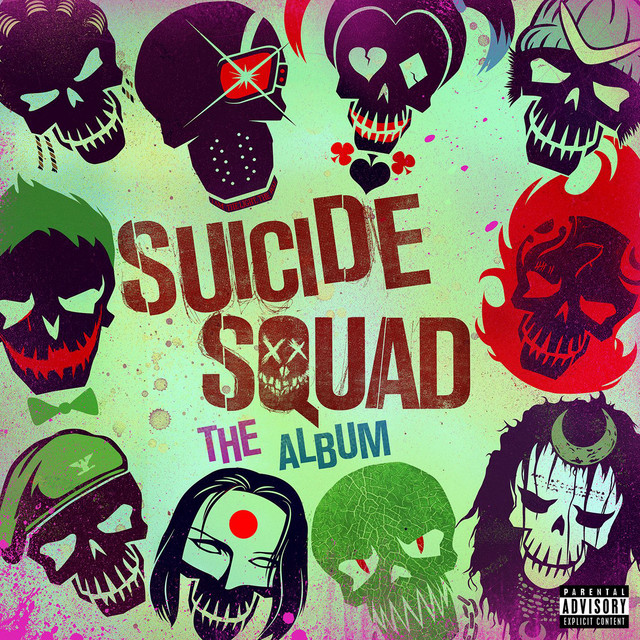
7. Suicide Squad: The Album
Look, some albums aim for the future by pushing boundaries. Others just chase trends. This 2016 "soundtrack" felt less like a cohesive artistic statement and more like a corporate playlist, a hodgepodge of contemporary pop and rock without genuine grit or lasting impact. While the world moved on, this collection just reiterated what was already happening, offering little in the way of true innovation or foundational rebellion. A missed memo indeed.