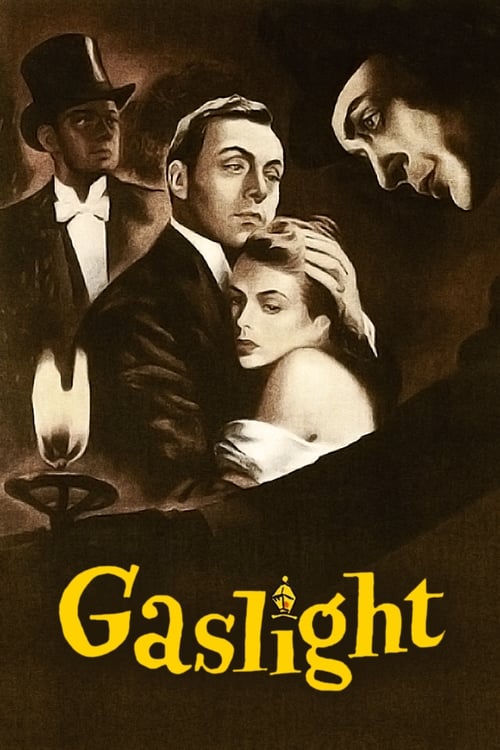
1. Gaslight
George Cukor's 1944 psychological thriller "Gaslight" gave us a chilling term for manipulative psychological abuse. Ingrid Bergman's performance as a woman driven to question her own sanity by her husband, played by Charles Boyer, solidified the film's impact. It's a foundational text for understanding insidious control, reflecting anxieties about truth and perception within domestic spaces, and how trust can be systematically eroded. A truly dark portrayal of psychological warfare.
2. Groundhog Day
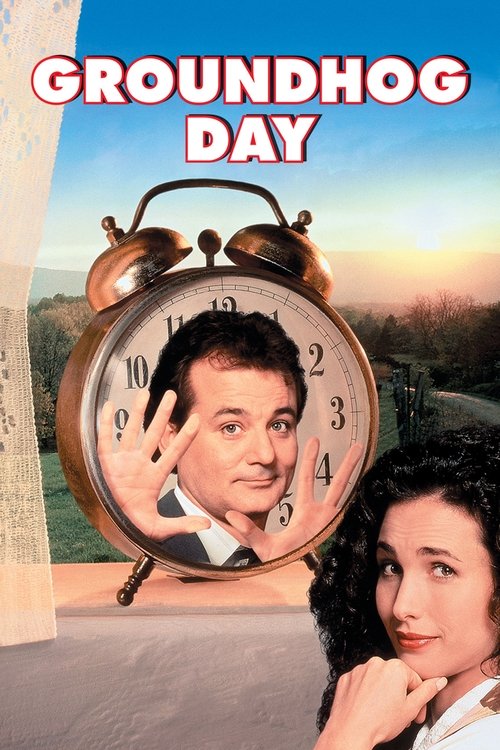
Harold Ramis' 1993 comedic masterpiece, "Groundhog Day," transcended its genre to become synonymous with endless, repetitive cycles. Bill Murray’s cynical weatherman, Phil Connors, trapped in a temporal loop, learns profound lessons about empathy and self-improvement. The film's ingenious premise, a narrative device for existential exploration, offers a surprisingly deep commentary on how we perceive and utilize time, ultimately illustrating the human capacity for change.
3. Catch-22
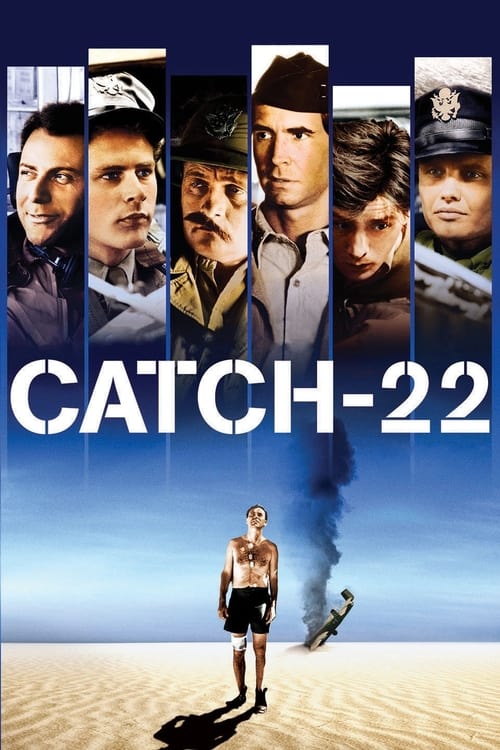
Joseph Heller's seminal 1961 novel, adapted into a 1970 Mike Nichols film, gifted us "Catch-22," a term for a paradoxical no-win situation. The narrative brilliantly dissects the absurdities of war and bureaucracy through the eyes of Yossarian, an American bombardier. It’s a biting critique of institutional logic, where the rules designed to protect inevitably ensnare, offering a timeless reflection on sanity amidst madness and systemic irrationality.
4. GATAO: Big Brothers
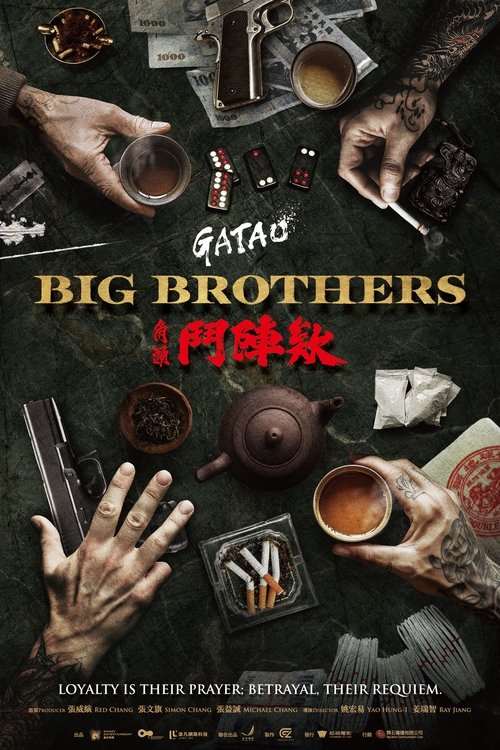
The Taiwanese gangster film "GATAO: Big Brothers," and its preceding entries, cemented the term 'Gatao' within its cultural sphere as a descriptor for triad enforcers and their intricate honor codes. While perhaps not globally idiomatic like other entries here, it exemplifies how specific cinematic narratives—in this case, from director Cheng Wei-hao—can elevate a cultural term, defining an entire subgenre's essence and reflecting societal perceptions of loyalty and power.
5. Frankenstein
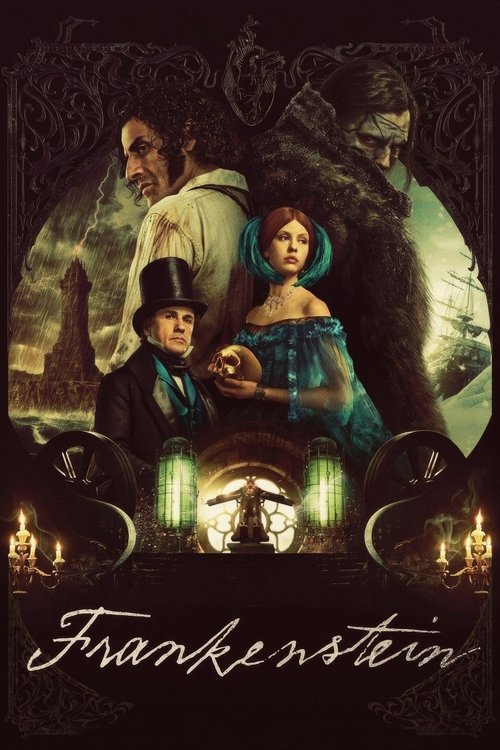
James Whale's iconic 1931 adaptation of Mary Shelley's novel indelibly etched "Frankenstein" into our lexicon, often mistakenly identifying the creature rather than its creator. This horror classic, a stark meditation on scientific hubris and the consequences of playing God, explores themes of isolation and societal rejection. And so, the name now universally signifies a monstrous creation that turns against its maker, a timeless parable about unintended outcomes.

6. National Theatre Live: Dr. Strangelove
Stanley Kubrick's 1964 satirical masterpiece, "Dr. Strangelove or: How I Learned to Stop Worrying and Love the Bomb," lent its titular character's name to our vocabulary. A "Dr. Strangelove" now signifies a chillingly detached, amoral expert whose brilliant intellect serves destructive ends. This film, a dark comedy on nuclear brinkmanship, brilliantly captured Cold War anxieties, and its genius remains undiminished, even inspiring subsequent stage adaptations like the National Theatre Live version.
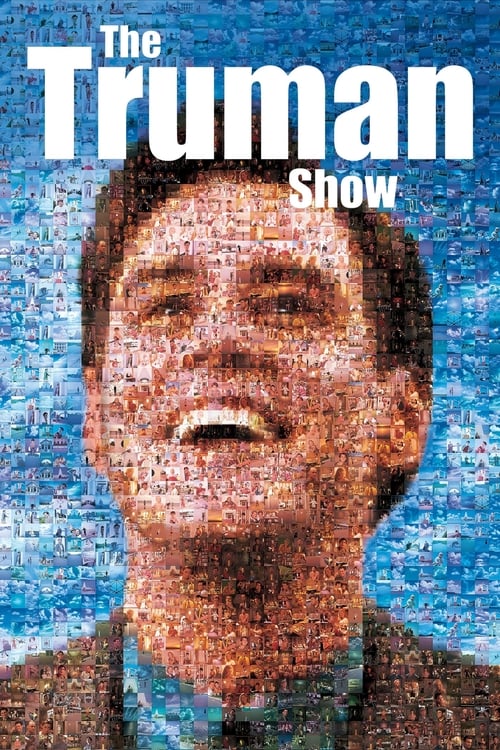
7. The Truman Show
Peter Weir's prophetic 1998 film, "The Truman Show," introduced a chilling concept into the public consciousness: the unwitting subject of an elaborate, televised reality. "Truman Show delusion" describes the psychological condition of believing one is secretly filmed. This poignant narrative, starring Jim Carrey, explored profound questions about authenticity, surveillance, and manufactured reality, predating and perhaps even shaping our contemporary anxieties about privacy and mediated existence.