
1 / 7

1. Pong (1972)
Pong wasn't just a game; it was a digital spark in a nascent industry. Its minimalist design, two paddles and a bouncing square, transcended mere novelty, introducing millions to the concept of interactive electronic entertainment. This arcade staple, released in '72, established fundamental principles of competitive play and immediate feedback. It proved that simple, engaging digital experiences could captivate an audience, effectively laying the groundwork for everything that followed, defining the very idea of a "video game."
2 / 7
2. Space Invaders (1978)
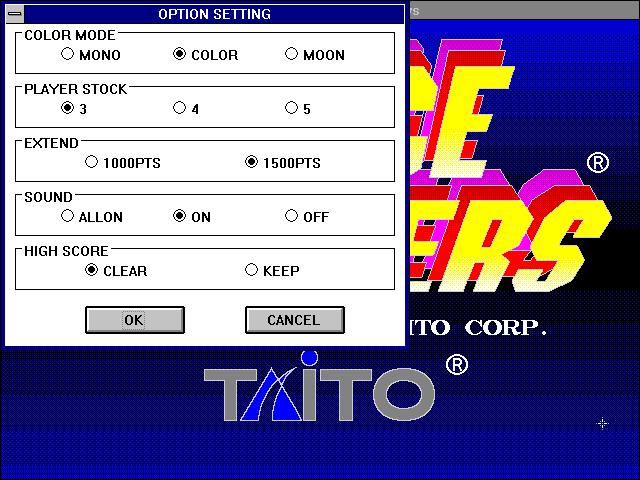
Before Space Invaders, arcades were loud. After, they were utterly consumed. This 1978 Taito classic didn't just introduce a generation to pixelated aliens descending menacingly; it codified the high score as a social currency. Its relentless, escalating challenge, coupled with its distinctive soundscape, created a powerful feedback loop. People lined up, quarters in hand, chasing digital glory, establishing the arcade as a central hub of youth culture and proving that digital threats could be universally compelling.
3 / 7
3. Super Mario Bros.
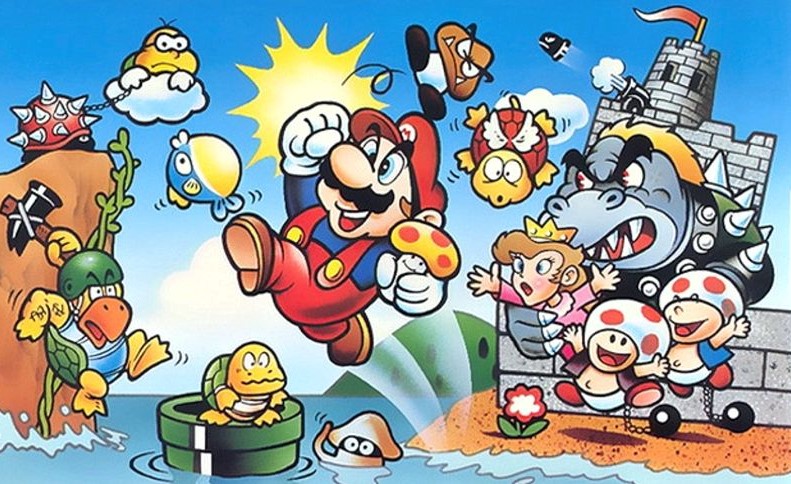
Super Mario Bros. didn't just save the video game industry after the '83 crash; it redefined what a console game could be. Shigeru Miyamoto's masterpiece, released in 1985, introduced precision platforming, secret passages, and an instantly iconic character. Mario's adventures laid down the grammar for countless future titles, establishing a language of movement and discovery. It transformed home gaming from a niche hobby into a mainstream obsession, proving that joy and challenge could coexist in vibrant digital worlds.
4 / 7

4. Tetris (1984)
Tetris, a game born in the Soviet Union, proved that brilliant design needed no language. Its simple, endlessly addictive premise—rotating and dropping falling blocks—transcended cultural barriers, becoming a global phenomenon. From arcade machines to the Game Boy, this 1984 puzzle sensation demonstrated the power of pure, elegant mechanics. It captivated players of all ages, showcasing how abstract concepts could translate into compelling, timeless entertainment, a true testament to universal game design principles.
5 / 7

5. DOOM (2016)
The 2016 iteration of DOOM wasn't just a reboot; it was a visceral roar. It unapologetically brought back the brutal, fast-paced, demon-slaying action that defined its lineage, but with a modern polish. This game proved that a franchise could reclaim its core identity, eschewing trends for pure, aggressive satisfaction. Its "push-forward combat" philosophy and incredible soundtrack redefined modern FPS expectations, showing that sometimes, the best way forward is a furious, blood-soaked sprint backwards to foundational principles.
6 / 7

6. The Sims
The Sims wasn't about saving the princess or vanquishing evil; it was about living. Will Wright’s life simulator, released in 2000, gave players unprecedented control over virtual lives, houses, and relationships. It fostered creativity and storytelling, moving beyond conventional victory conditions to embrace emergent narratives. This game tapped into a fundamental human desire for creation and control, establishing a genre where players could explore identity, design, and social dynamics in a uniquely personal, digital sandbox.
7 / 7

7. World of Warcraft
World of Warcraft didn't just popularize the MMORPG; it built digital civilizations. Launched in 2004, its persistent, expansive world fostered unprecedented community and complex social dynamics. Millions converged, forming guilds, forging friendships, and battling epic foes together. WoW proved the immense power of shared online experiences, demonstrating how digital spaces could become genuine extensions of social life, influencing real-world language, memes, and even academic study of virtual economies.