

1. Flashback
Wally Badarou's "Flashback" epitomizes pre-MIDI electronic music's soulful precision. Its interlocking synthetic grooves, meticulously crafted with analog gear, build an almost architectural sonic space. The track’s understated elegance and hypnotic pulse were a blueprint for sophisticated boogie and early house, demonstrating how minimal elements, expertly arranged, could evoke profound emotional depth. This wasn't just programming; it was compositional brilliance.
2. Birdland
Weather Report's "Birdland" remains a beacon of jazz-fusion, a masterclass in ensemble interplay and melodic invention. Joe Zawinul’s Rhodes and synthesizer textures, along with Jaco Pastorius’s groundbreaking fretless bass lines, sculpted an accessible yet complex soundscape. This was a studio triumph, capturing a live band's energy while showcasing the era's cutting-edge electronic instrumentation, bridging jazz tradition with audacious sonic futurism.

3. Goggins, Tyson discipline Gym
While the other entries explore specific auditory innovations, "Goggins, Tyson discipline Gym" represents a different kind of disruption entirely. It's a phrase, not a pre-digital cut of sound. My purview concerns the meticulously engineered sounds from studios before widespread digital manipulation. This, however, points to the cacophony of modern information streams, a conceptual noise far removed from crafted musical frequencies.

4. Breaking the Law
Judas Priest’s "Breaking the Law" is pure, unadulterated heavy metal distilled to its essential, rebellious core. The tandem guitar attack, powered by Tipton and Downing, delivers iconic riffs, while Rob Halford’s soaring, defiant vocals cement its status as an anthem. This track, recorded with analog grit, captures a potent, visceral energy that defined a genre, proving that sometimes, simplicity and sheer force are all you need.

5. Blue Monday (Slowed)
The original "Blue Monday" was a monumental studio achievement, a propulsive, cold-wave dance track crafted with pioneering digital drum machines and analog synthesizers. Its rhythmic complexity and atmospheric depth were revolutionary. The notion of a "slowed" version, however, speaks to a post-digital era's tendency to alter sonic artifacts; the true disruption lies in the original's meticulously programmed, driving force, untouched by later-day digital tampering.
6. A Forest
“A Forest” by The Cure is a masterclass in atmospheric gloom, a cornerstone of darkwave. Robert Smith's distinctive flanged guitar, the insistent, almost tribal drum pattern, and the deep, resonant bass coalesce into a chilling, immersive soundscape. It perfectly encapsulates existential dread, demonstrating how meticulous analog production could forge such an emotionally resonant, subtly psychedelic auditory experience. The studio's reverb chambers were working overtime here.

7. Don't Stop 'til You Get Enough
Michael Jackson's "Don't Stop 'til You Get Enough" is a joyous explosion of post-disco funk, meticulously orchestrated by Quincy Jones. Every instrument, from the crisp horn section to the driving bassline and Michael's infectious falsetto, interlocks with precision. This track showcases the zenith of multi-track analog recording, creating a layered, dynamic sound that simply radiated kinetic energy and pure, unadulterated groove.
8. Can You Feel It
“Can You Feel It” is an epic, almost cinematic piece of post-disco grandeur. The Jacksons, with its sweeping orchestral arrangements and powerful vocal harmonies, built a track of immense scale and emotional uplift. It’s a testament to the analog studio's ability to combine live instrumentation with meticulous arrangement, foreshadowing the expansive, spiritual feel that would later inform early house music. Pure sonic exhilaration.

9. TOP ITALIAN TRADITIONAL SONGS
This entry, like its predecessor, deviates from the specific "pre-digital cuts" I generally dissect. "TOP ITALIAN TRADITIONAL SONGS" is a descriptor, a playlist title perhaps, rather than a singular, audibly disruptive recording. My focus lies on the tangible sonic artifacts, the carefully engineered grooves and textures from analog tape, not on generic categorizations or curated collections. It offers no distinct waveform to analyze.
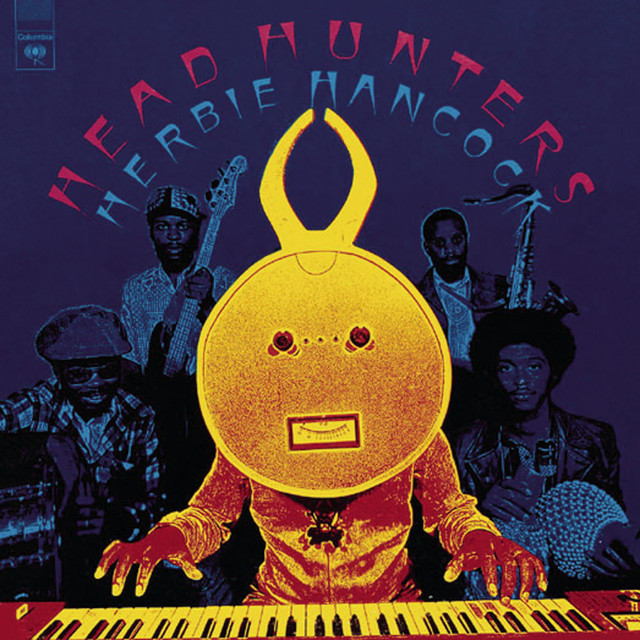
10. Head Hunters
Herbie Hancock's "Head Hunters" redefined jazz-funk, a seismic shift blending sophisticated improvisation with irresistible rhythmic foundations. The album's iconic grooves, particularly "Chameleon," were built from a deep understanding of funk’s visceral power, augmented by Hancock’s pioneering synthesizer work. This was a masterclass in crafting accessible yet incredibly complex music, showcasing how electronic instruments could seamlessly integrate into a live, organic sound.
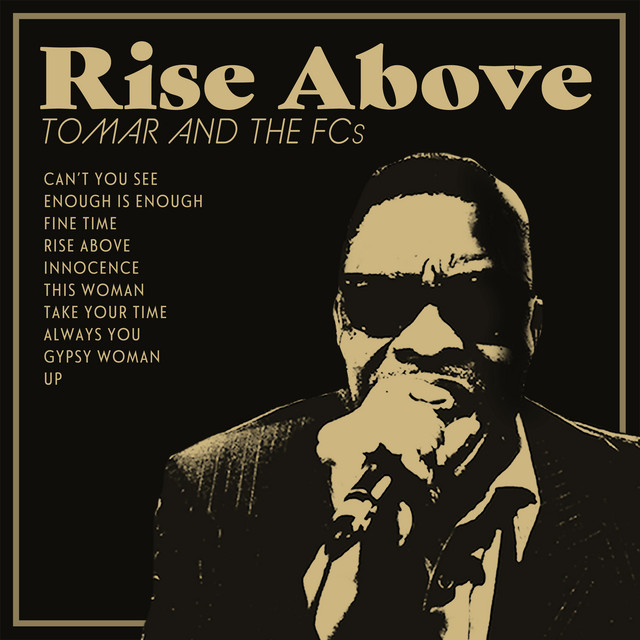
11. Rise Above
Black Flag's "Rise Above" is a raw, uncompromising blast of hardcore punk. Its furious tempo, Greg Ginn's angular, discordant guitar, and Henry Rollins's snarling vocals embody pure, unadulterated aggression and defiance. Recorded with stark, almost brutalist analog fidelity, it strips music down to its most essential, urgent elements, a sonic declaration of war against complacency. This track simply *hits* you.
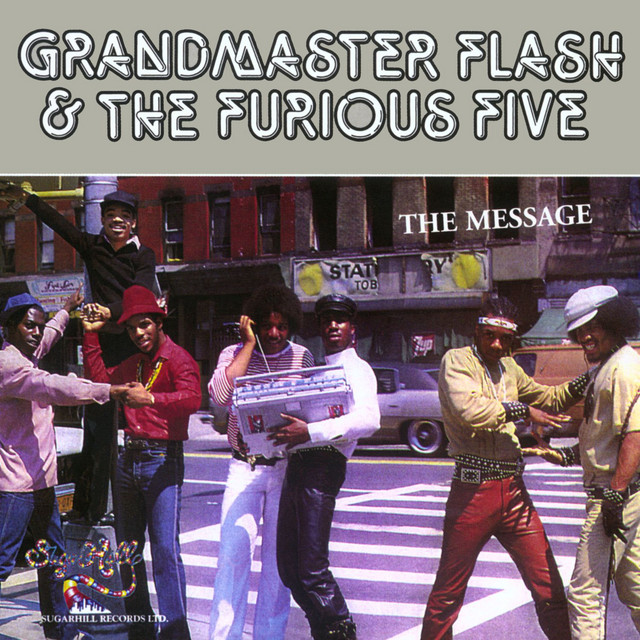
12. The Message
Grandmaster Flash & The Furious Five's "The Message" was a groundbreaking moment, transforming early rap from party anthems into potent social commentary. Its stark, minimalist electro-funk beat, crafted with analog drum machines, provided an urgent backdrop for Melle Mel's incisive lyrics. This was raw, urban poetry set to a disruptive, unforgettable groove, proving that powerful narratives could emerge from synthesized rhythms and spoken word.