

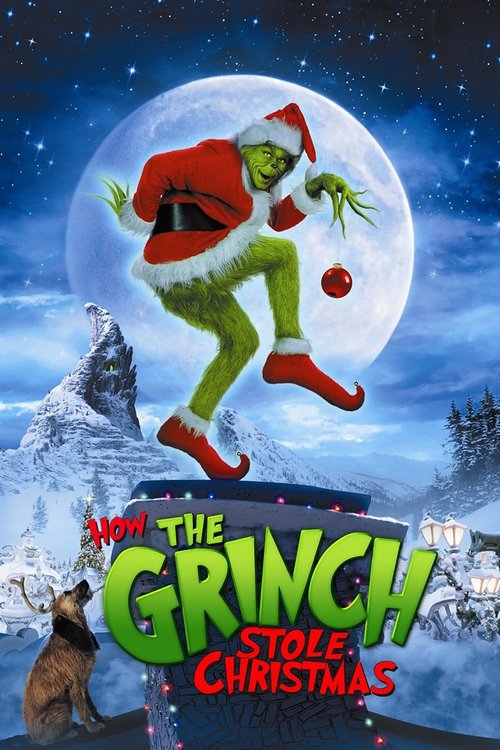
1. How the Grinch Stole Christmas
Jim Carrey's manic interpretation of Dr. Seuss's classic character faced a critical drubbing for its perceived excess and departure from the source material's charm. Yet, Ron Howard's live-action spectacle, with its elaborate Whoville and Carrey's committed performance, found a loyal audience, particularly among families. It became a holiday staple, proving that sheer theatricality can often trump critical consensus for popular appeal.

2. Waterworld
A notorious production saga overshadowed its release, leading critics to largely dismiss Kevin Costner's post-apocalyptic epic as bloated and derivative. Despite the initial backlash and box-office underperformance, audiences rediscovered its unique vision of a flooded Earth. It offers a surprisingly engaging, if imperfect, adventure, solidifying its place as a quintessential 90s blockbuster with a dedicated, if somewhat ironic, fanbase.
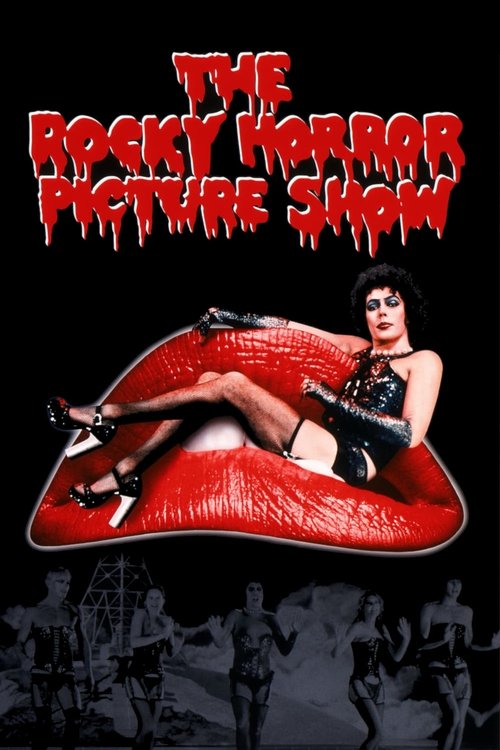
3. The Rocky Horror Picture Show
Initially a critical and commercial flop, this musical fantasia defied all odds to become the ultimate midnight movie. Critics were bewildered by its transgressive narrative and camp aesthetic. However, its audience participation rituals and unwavering celebration of individuality transformed it into a cultural phenomenon, cementing its legacy not just as a film, but as a vibrant, communal experience unlike any other.
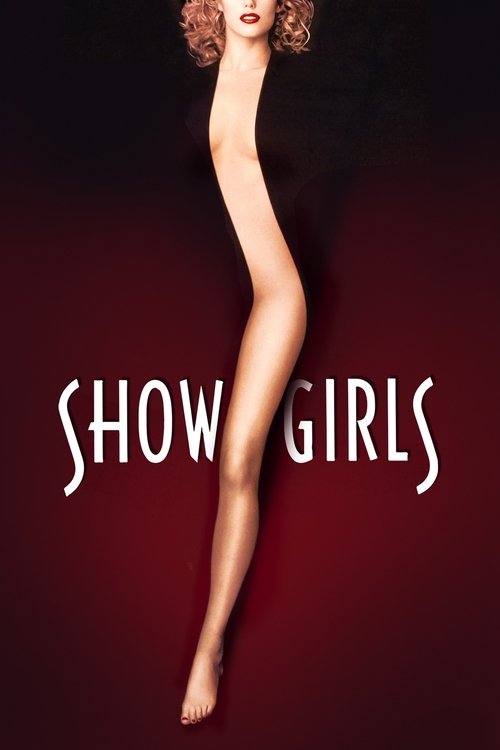
4. Showgirls
Paul Verhoeven’s brazen, satirical look at Las Vegas ambition was savaged by critics, who saw only vulgarity and incompetence. Dismissed as one of the worst films ever made, its initial reception was brutal. Yet, over time, a passionate cult following emerged, appreciating its audacious camp, over-the-top performances, and surprisingly sharp, albeit unintentional, critique of American dreams. It’s now celebrated for its glorious excess.
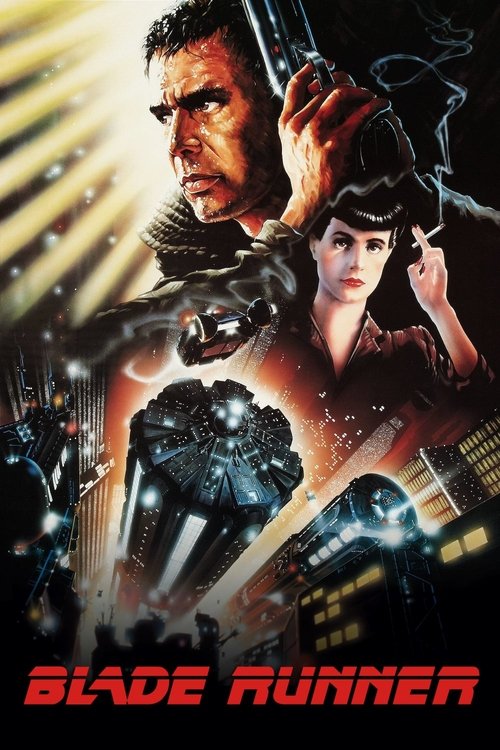
5. Blade Runner
Ridley Scott's dystopian masterpiece was initially met with a lukewarm critical reception and struggled commercially. Its ambiguous narrative and somber tone were jarring for audiences accustomed to more straightforward science fiction. However, through subsequent re-edits and a burgeoning appreciation for its groundbreaking production design and philosophical depth, it slowly ascended to its rightful place as a monumental, influential work of cinema.

6. Fight Club
David Fincher's incendiary adaptation of Chuck Palahniuk’s novel left critics deeply divided, some praising its daring, others condemning its perceived nihilism and glorification of violence. Despite the contentious reviews, its provocative anti-consumerist message and raw energy resonated profoundly with a younger generation. It quickly became a cultural touchstone, sparking endless debate and inspiring a devoted, almost evangelical, following.

7. Ishtar
Elaine May's infamous desert comedy became synonymous with Hollywood excess and critical scorn, universally panned as an unfunny, disastrous flop. It practically ended careers. Yet, a persistent chorus of revisionist critics and devoted cinephiles has argued for its misunderstood brilliance, praising its surreal, absurdist humor and surprisingly intelligent deconstruction of stardom. It remains a fascinating, polarizing curio deserving of re-evaluation.