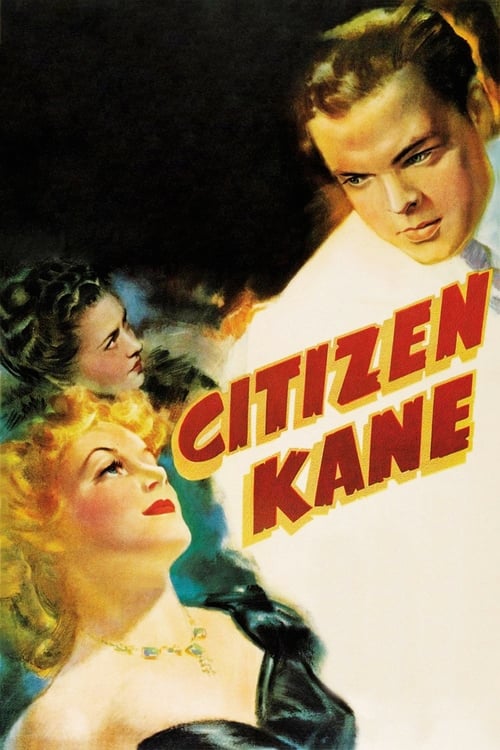
1. Citizen Kane
Orson Welles's audacious debut exploded conventional cinema, shattering linear narrative and pioneering deep-focus cinematography. Its innovative structure, revealing Charles Foster Kane through fragmented perspectives, forced audiences to actively piece together a complex character. The film remains a masterclass in visual storytelling and a foundational text for understanding film as an art form capable of profound psychological depth and societal critique.
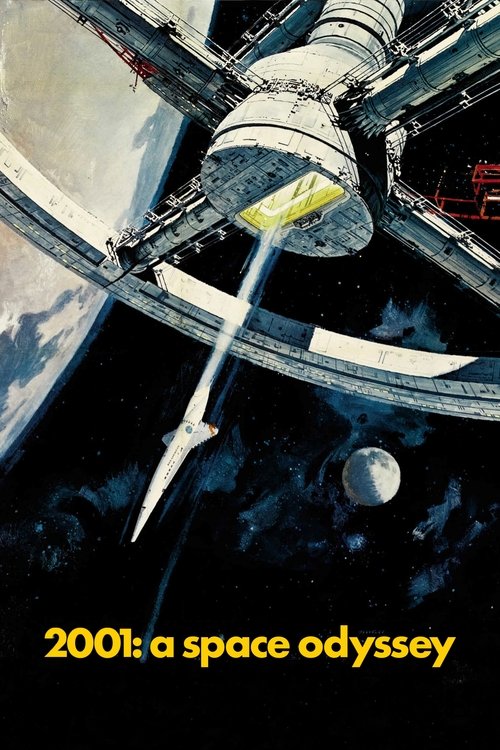
2. 2001: A Space Odyssey
Stanley Kubrick’s monumental work transcends traditional sci-fi, offering an elliptical, philosophical journey through human evolution and artificial intelligence. Its groundbreaking visual effects and deliberate pacing demand intellectual engagement, inviting contemplation on humanity’s place in the cosmos. More than a story, it's an immersive, almost spiritual experience that redefined cinematic ambition and storytelling possibilities.
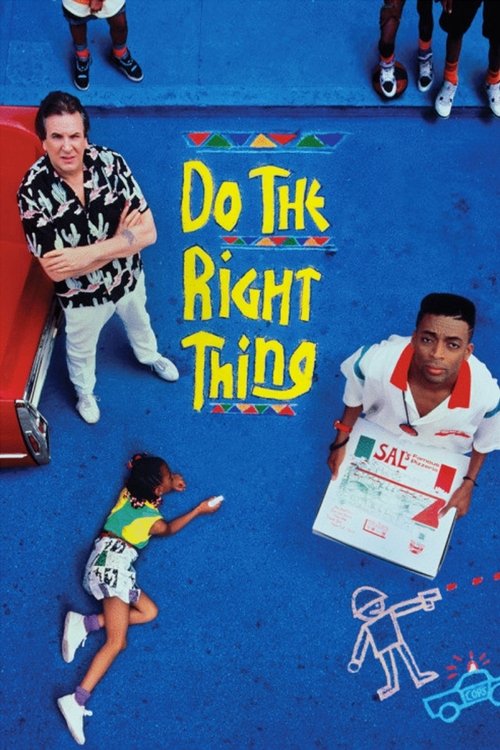
3. Do the Right Thing
Spike Lee's searing examination of racial tension in a Brooklyn neighborhood on the hottest day of summer remains as potent and relevant as ever. Through vibrant, often confrontational, cinematography and a cast of indelible characters, Lee masterfully explores the complexities of prejudice, moral ambiguity, and the spark that ignites conflict. It’s a vital, uncomfortable reflection on societal fault lines.
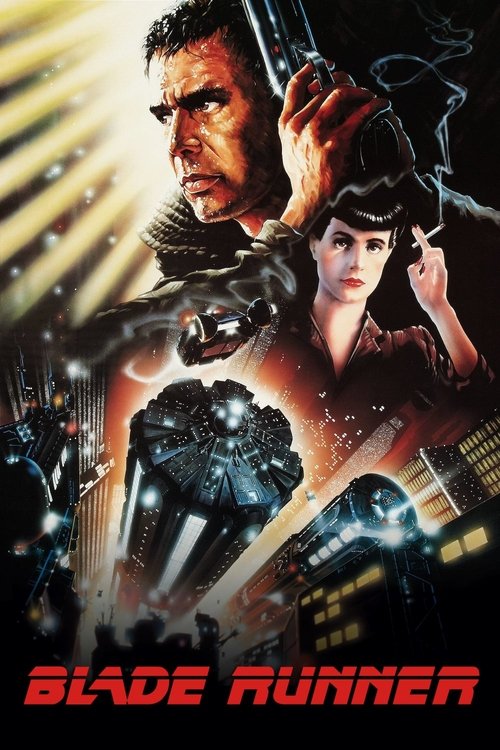
4. Blade Runner
Ridley Scott's neo-noir vision of a dystopian Los Angeles forged the cyberpunk aesthetic and profoundly influenced subsequent science fiction. Its rain-soaked, perpetually dark future and the existential plight of replicants questioning their humanity challenged viewers to consider identity, memory, and what it truly means to be alive. Visually stunning, it’s a melancholic, intellectual puzzle.
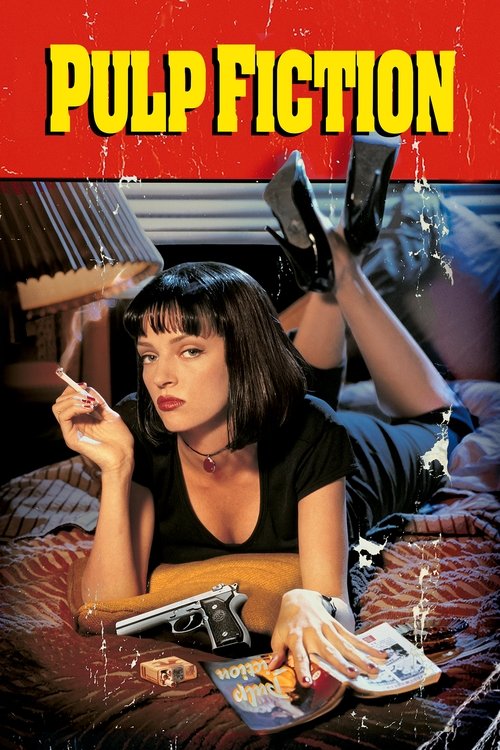
5. Pulp Fiction
Quentin Tarantino's genre-bending masterpiece exploded onto screens, redefining cool with its non-linear narrative, razor-sharp dialogue, and unapologetic pop culture references. It meticulously weaves together seemingly disparate criminal vignettes, creating a unique tapestry of American underworld life. The film's audacious style and irreverent tone irrevocably altered the landscape of independent cinema and mainstream storytelling alike.

6. Parasite
Bong Joon-ho’s masterful blend of social satire, psychological thriller, and black comedy exposed the brutal realities of class disparity with unsettling precision. Its meticulously crafted narrative escalates from dark humor to shocking tragedy, holding a mirror to capitalist society's inherent inequalities. This film didn't just win accolades; it provocatively shifted global conversations about systemic injustice through cinema.

7. Seven Samurai
Akira Kurosawa’s epic stands as a towering achievement in global cinema, influencing countless action films and Westerns. Its meticulous character development, dynamic action choreography, and exploration of honor, duty, and sacrifice against overwhelming odds set new standards. This foundational work demonstrates how compelling storytelling, even at immense length, can resonate universally across cultures and generations.