1 / 12

1. Pong (1972)
The genesis. Simple, yet it proved electronic interaction could be compelling. It wasn't just a game; it was a demonstration of a new medium's potential. This two-paddle, bouncing dot phenomenon laid the groundwork for an entire industry, showing that digital entertainment could captivate audiences and become a commercial success. It introduced the concept of competitive digital play to the masses.
2 / 12
2. Space Invaders (1978)
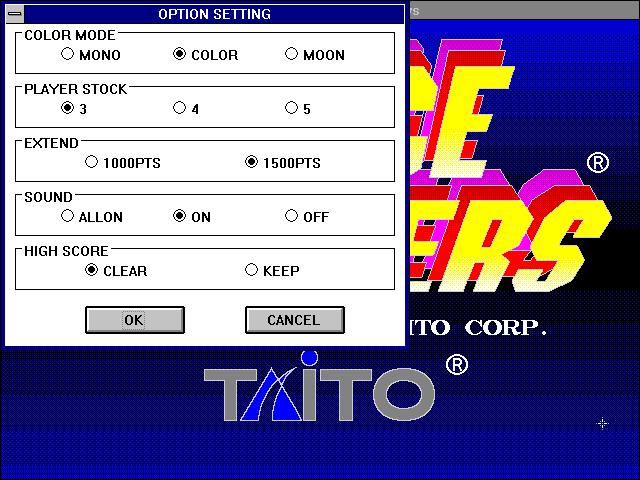
Arcades exploded because of this. Its relentless march of aliens and escalating difficulty created a fever pitch, demanding quick reflexes and strategic thinking. This game popularized high scores, turning individual play into a communal spectacle and solidifying the arcade as a cultural hub. It was a masterclass in addictive, accessible design, making it a ubiquitous presence.
3 / 12
3. Super Mario Bros.
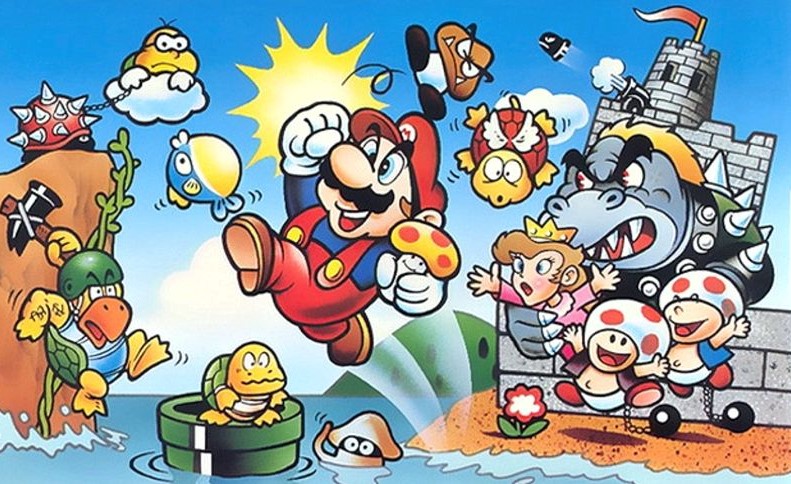
It didn't just save the video game industry after the '83 crash; it defined platforming. Shigeru Miyamoto's genius crafted a world brimming with secrets, intuitive controls, and joyous movement. Mario became a global icon, proving that games could offer sophisticated, expansive adventures beyond simple high-score chasing. It established Nintendo's dominance and set benchmarks for level design.
4 / 12
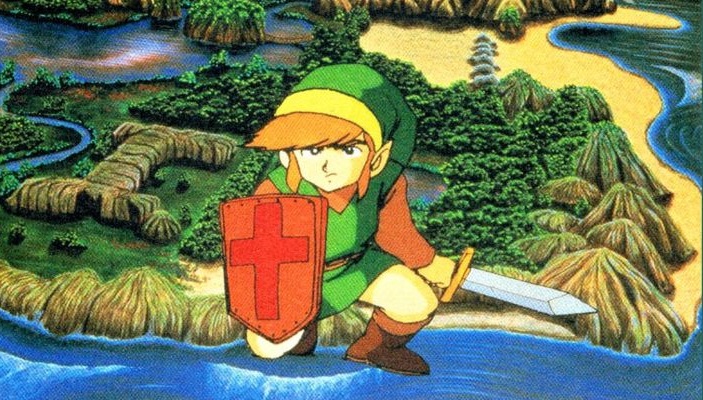
4. The Legend of Zelda
This game offered unparalleled freedom and a sense of grand adventure. It blended exploration, puzzle-solving, and combat into an epic quest that felt deeply personal. Link's journey through Hyrule established a blueprint for action-adventure RPGs, emphasizing discovery and non-linear progression. It proved games could tell enduring, sweeping tales without relying solely on text.
5 / 12

5. Tetris (1984)
A perfect puzzle game, born from Soviet ingenuity. Its elegant simplicity and endless replayability transcended language barriers and hardware limitations, appearing on virtually every device imaginable. Tetris isn't just about clearing lines; it's about managing chaos, a meditative yet intensely engaging experience that proved games didn't need complex narratives to be universally captivating.
6 / 12
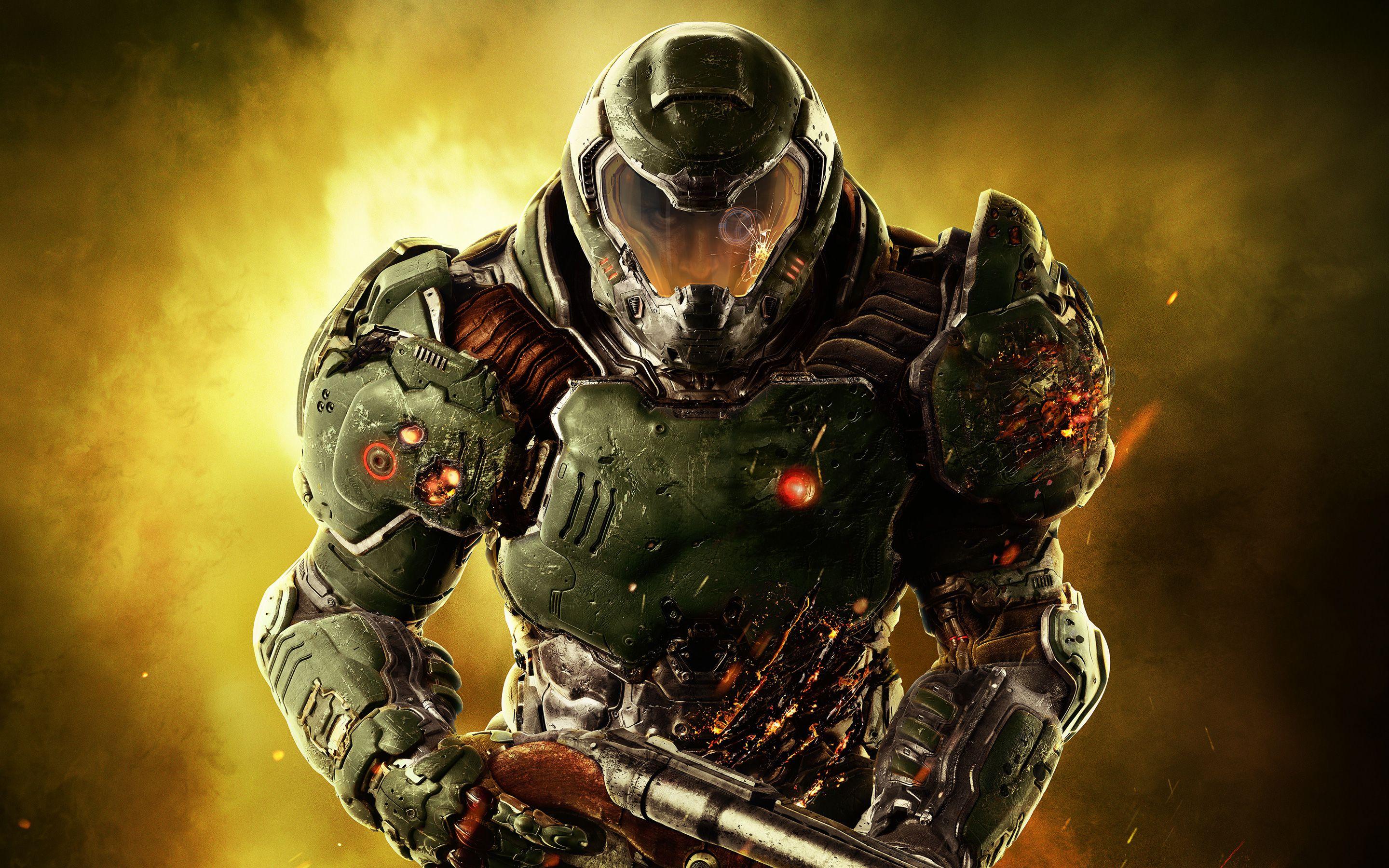
6. DOOM (2016)
While the original defined the FPS, the 2016 reboot resurrected its spirit for a new generation. It was a visceral, no-nonsense return to form, emphasizing aggressive, fast-paced combat over cover-shooting. This game reminded everyone what a modern single-player shooter could be: a brutal, satisfying power fantasy that prioritizes player agency and intense action. It carved its own path.
7 / 12
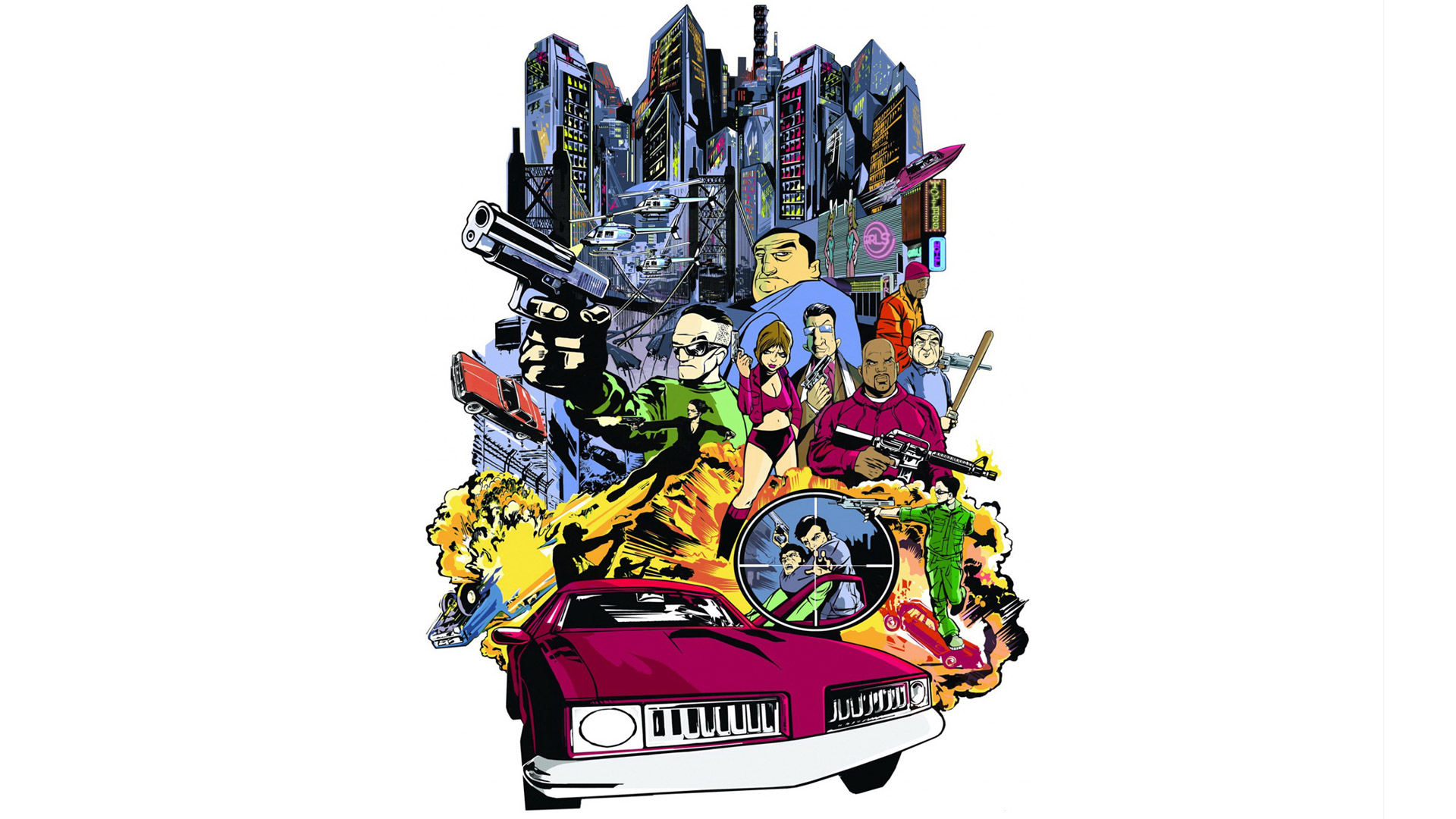
7. Grand Theft Auto III
The moment games truly went open-world, in 3D. Its sprawling, crime-ridden city was a playground for digital anarchy and emergent storytelling. GTA III wasn't just a game; it was a cultural phenomenon, pushing boundaries with its mature themes and unprecedented freedom. It fundamentally reshaped how developers conceived of scale and player agency in virtual environments.
8 / 12
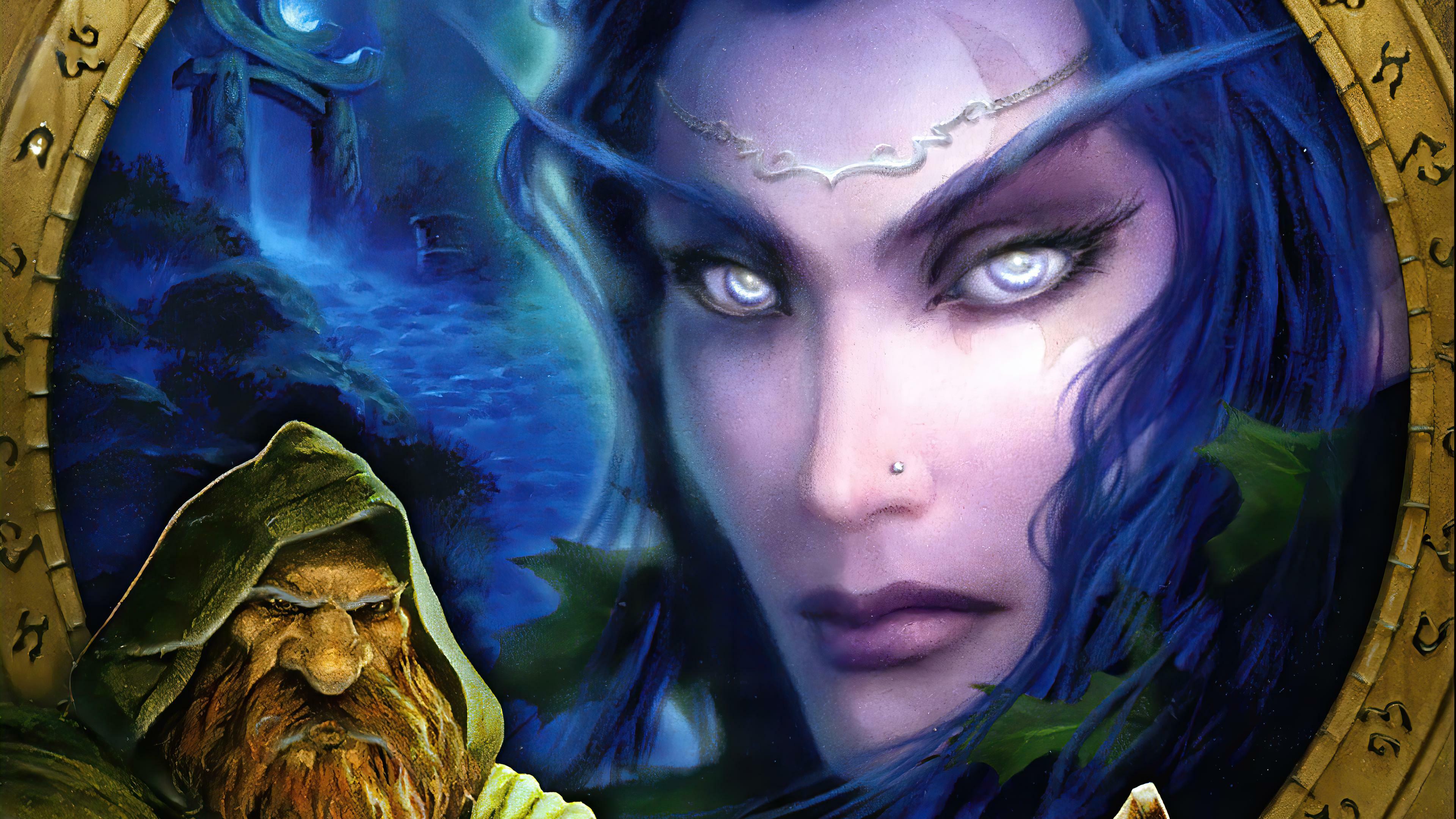
8. World of Warcraft
This wasn't just an MMO; it was a second life for millions. Its vast, persistent world, intricate lore, and social dynamics fostered communities unlike anything seen before. WoW proved that subscription-based online worlds could thrive, creating a cultural touchstone where friendships, rivalries, and epic tales unfolded daily. It set the standard for online social interaction in gaming.
9 / 12
9. The Sims
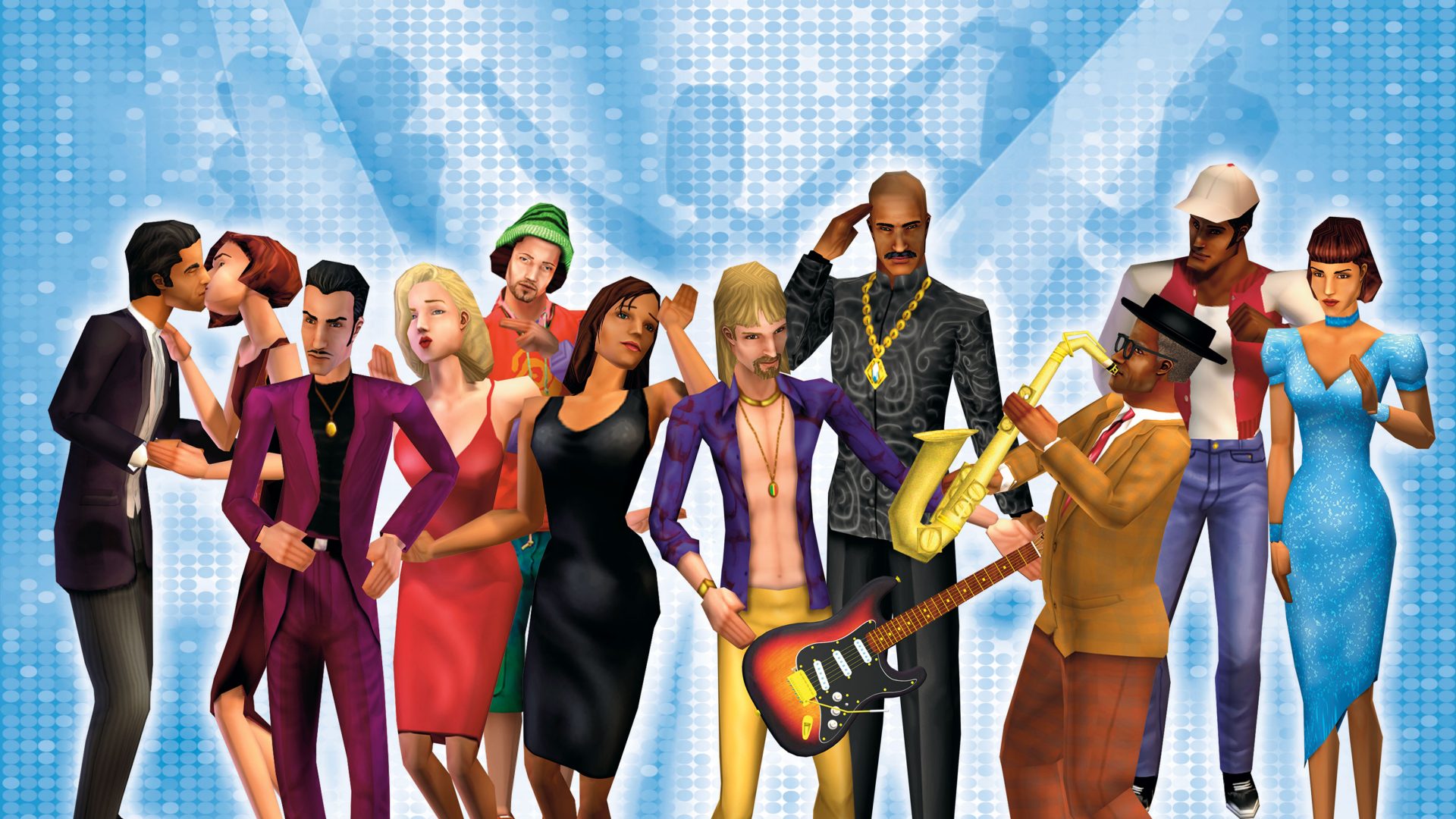
A life simulator that allowed players to create and control virtual people, building houses and guiding their destinies. It wasn't about winning; it was about storytelling and creativity. The Sims democratized game design, turning players into architects and directors of their own digital dramas, proving that casual, sandbox experiences could attract an incredibly broad audience.
10 / 12
10. Minecraft
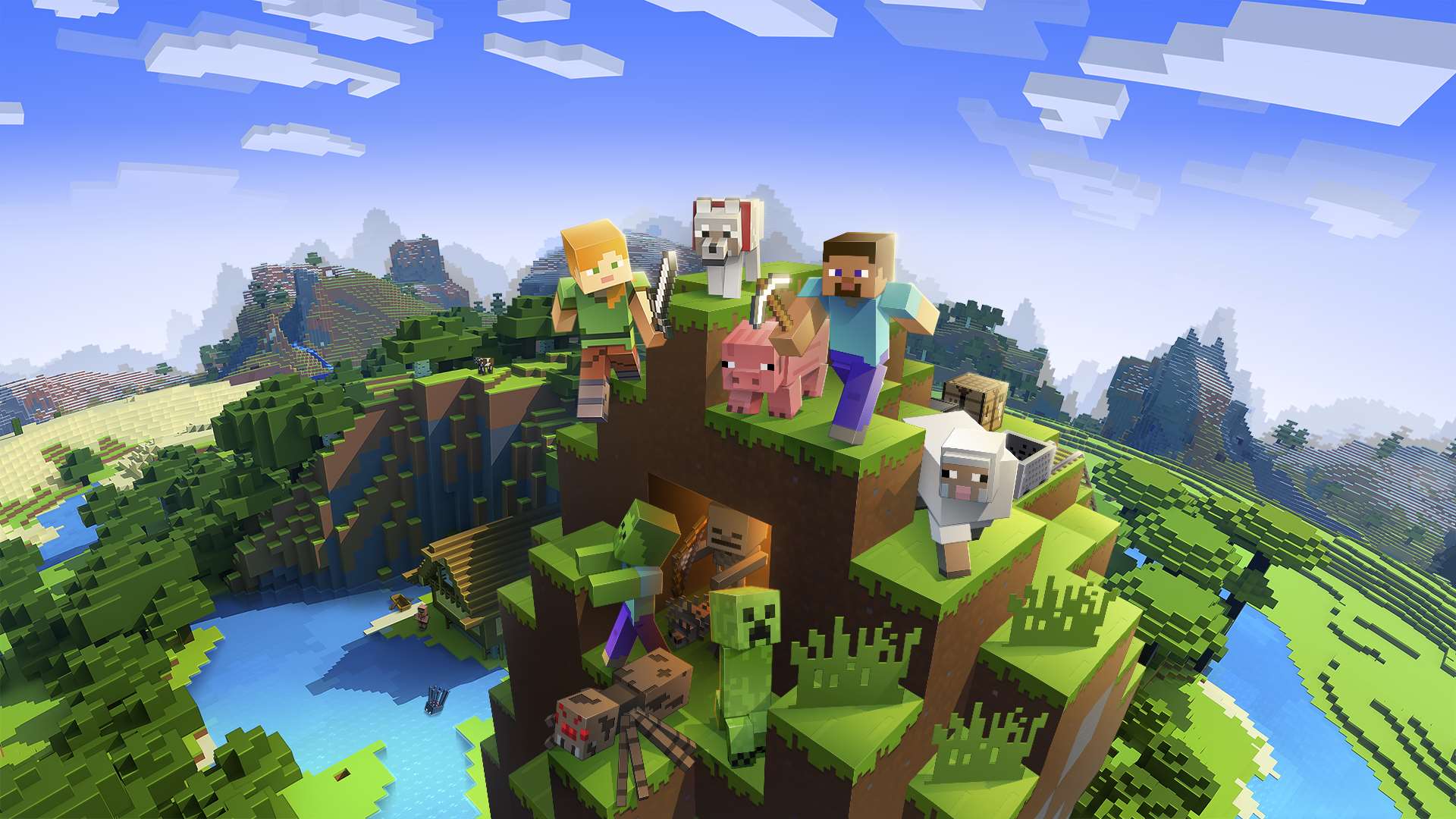
A global phenomenon that redefined creativity in gaming. Its blocky, procedurally generated worlds offered infinite possibilities for building, exploration, and survival. Minecraft transcended age groups and platforms, becoming a cultural sandbox where millions learned to code, design, and collaborate. It showed the power of player-driven content and emergent gameplay on an unprecedented scale.
11 / 12

11. Pokémon Red, Blue, Yellow
These games weren't just about collecting monsters; they fostered a global obsession with exploration, strategy, and social connection. The 'Gotta Catch 'Em All' mantra became an international rallying cry, inspiring trading, battling, and a massive media franchise. Pokémon proved the enduring appeal of collectible RPGs and the power of a simple, compelling loop.
12 / 12
12. Fortnite Battle Royale
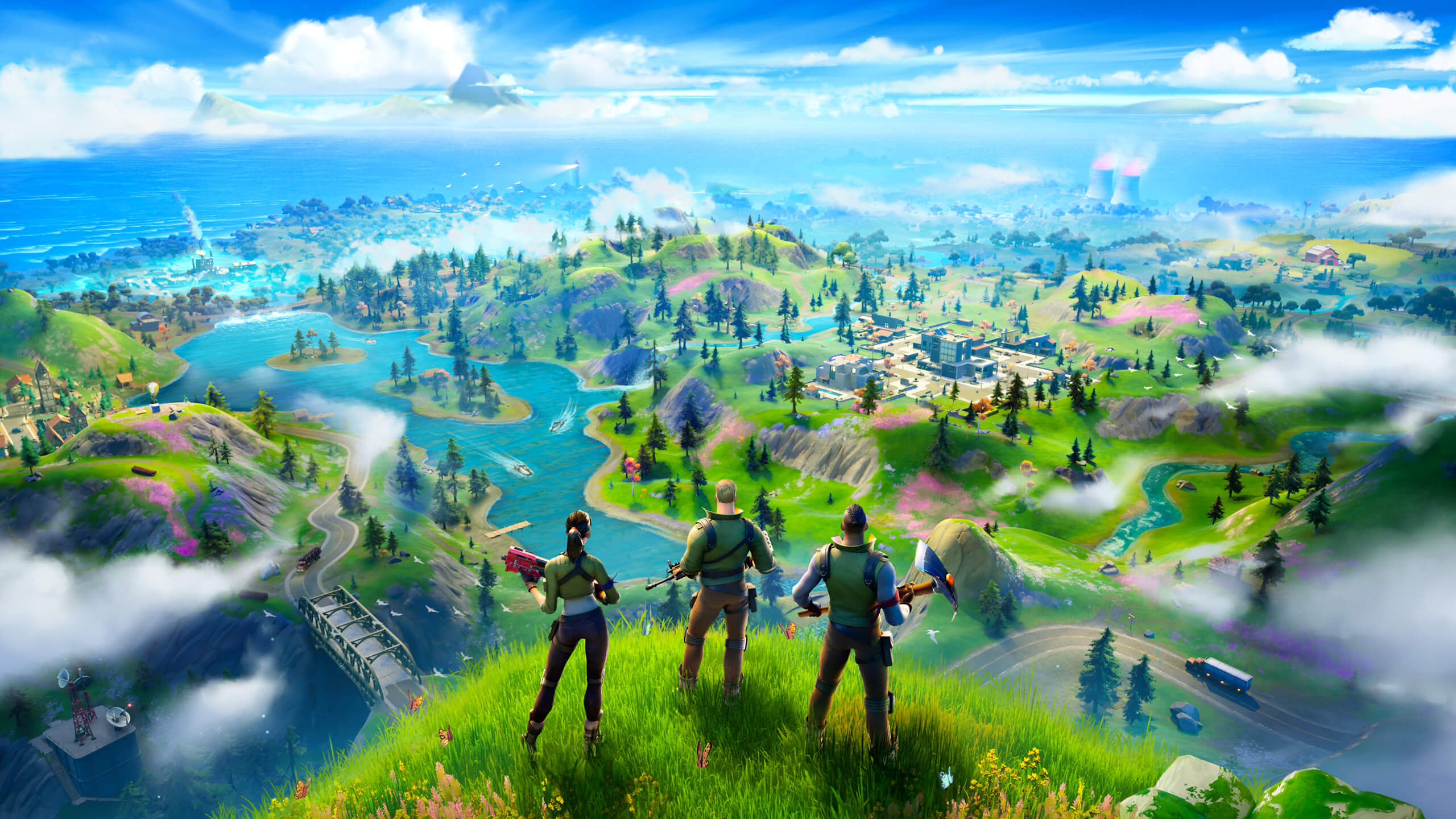
It democratized the battle royale genre, making it accessible to everyone with its free-to-play model and vibrant aesthetic. Fortnite became a social hub, blending gaming with pop culture, music events, and creative modes. It demonstrated the immense power of live-service games and cross-platform play, becoming a phenomenon that transcended traditional gaming boundaries.