


1. Head Like a Hole
This track, a foundational slab of early industrial, perfectly encapsulates the primal scream of the late '80s. Its stark, synthesized percussion and heavily processed guitar feedback, recorded with a visceral, almost tangible grit, showcased a new frontier for electronic aggression. The layering of distorted basslines against Trent Reznor's anguished vocals created a dense, almost claustrophobic sonic environment, a testament to meticulous analog production shaping raw, digital-age anxieties.
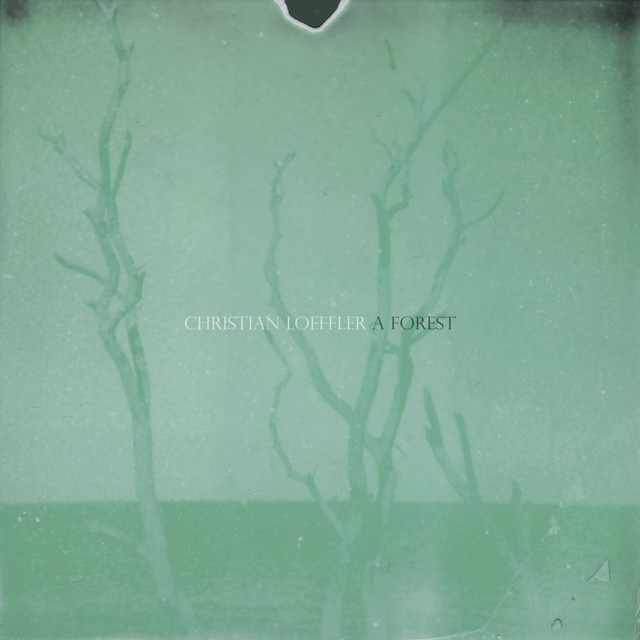
2. A Forest
Robert Smith’s guitar work here, drenched in chorus and delay, evokes a truly melancholic landscape. The sparse, almost skeletal drum machine pulse, anchored by Simon Gallup’s driving bass, builds an atmosphere of gothic dread, a hallmark of early '80s coldwave. This isn't just a song; it's a meticulously crafted soundscape, demonstrating how limited studio technology, when wielded by visionaries, could conjure such profound emotional depth without succumbing to excessive ornamentation.
3. Enjoy the Silence (Lunar Lo-Fi Version)
While this "lo-fi" rendition is a contemporary construct, the original "Enjoy the Silence" was a masterclass in '80s synth-pop minimalism, often misinterpreted as simple. Its genius lay in the precise arrangement of synthesized textures, the interplay of arpeggiated sequences and Martin Gore's plaintive guitar. A truly lo-fi approach would strip back the pristine, multi-tracked studio sheen, revealing the song's fundamental melodic strength, a testament to composition over excessive production wizardry.

4. God Loves Ugly
This title immediately pulls one away from the era. My purview concludes before much of this sound coalesced. However, early hip-hop's foundational beats, often sampled from '70s funk and soul, laid the groundwork for such narrative-driven rap. The emphasis then was on raw breaks and lyrical dexterity over complex digital production, using drum machines like the 808 or SP-1200 to craft compelling, stripped-down rhythms that allowed the MC's voice to truly resonate.

5. 300: Rise of an Empire (Original Motion Picture Soundtrack)
Film scores, even from later periods, often draw upon the orchestral and electronic synthesis techniques honed in the '70s and '80s. Think Vangelis or Tangerine Dream; their cinematic soundscapes, built from analog synthesizers and sometimes live instrumentation, demonstrated how to craft epic, immersive moods without resorting to massive, digitally sampled orchestras. The true artistry lay in the textural interplay and harmonic tension, a direct lineage to the dramatic sound design of earlier decades.
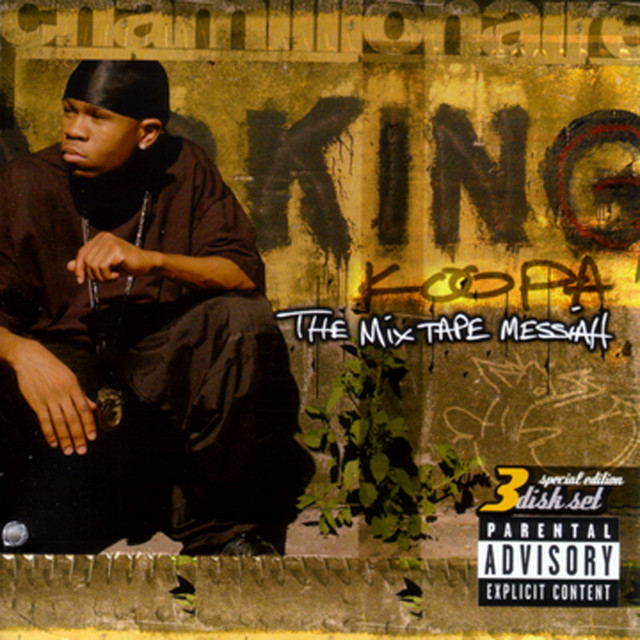
6. The Mixtape Messiah
This title also falls outside the primary scope. However, the genesis of the mixtape culture, in its rawest form, emerged from early hip-hop's street-level distribution. DJs like Afrika Bambaataa and Grandmaster Flash, manipulating two turntables and a mixer, forged entirely new sonic collages. This was pre-digital sampling's true artistry: live, visceral manipulation of existing grooves, creating a dynamic, evolving soundscape long before widespread studio production techniques codified the process.
![An Ending (Ascent) [Guitar Version]](https://i.scdn.co/image/ab67616d0000b273da6b7e0f9776dedda91a2250)
7. An Ending (Ascent) [Guitar Version]
Eno’s original "An Ending (Ascent)" from "Apollo" is a landmark in ambient music, a testament to pre-MIDI synthesis and careful textural manipulation. This "guitar version," while a modern reinterpretation, attempts to capture that same ethereal quality through a different sonic palette. Yet, the original's genius lay in its synthesized swells and sustained tones, carefully treated with delay and reverb, creating spaces of profound quietude and contemplation, a truly foundational work of sonic architecture.
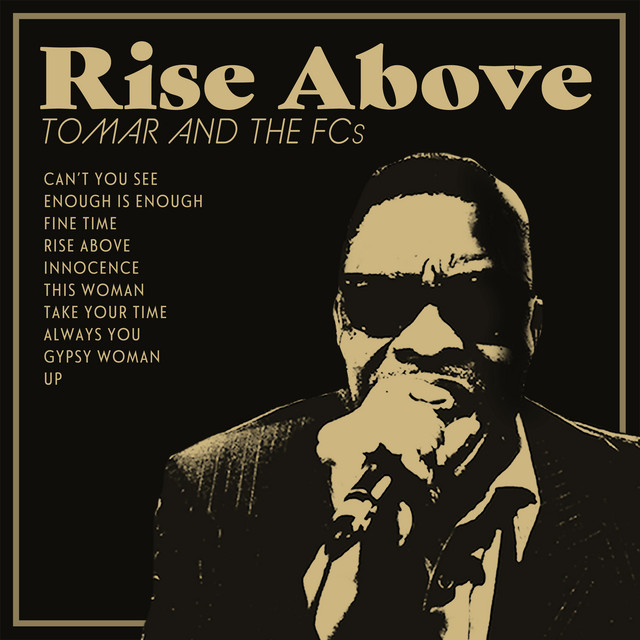
8. Rise Above
This track is pure, unadulterated hardcore punk, a furious explosion of raw energy from the early '80s. The production, deliberately abrasive and minimally polished, perfectly captured the band's confrontational ethos. Greg Ginn's angular guitar riffs, the relentless, driving rhythm section, and Henry Rollins's primal scream coalesced into a sound that was both cathartic and utterly uncompromising, a direct sonic assault that eschewed any studio embellishment for sheer, unbridled force.
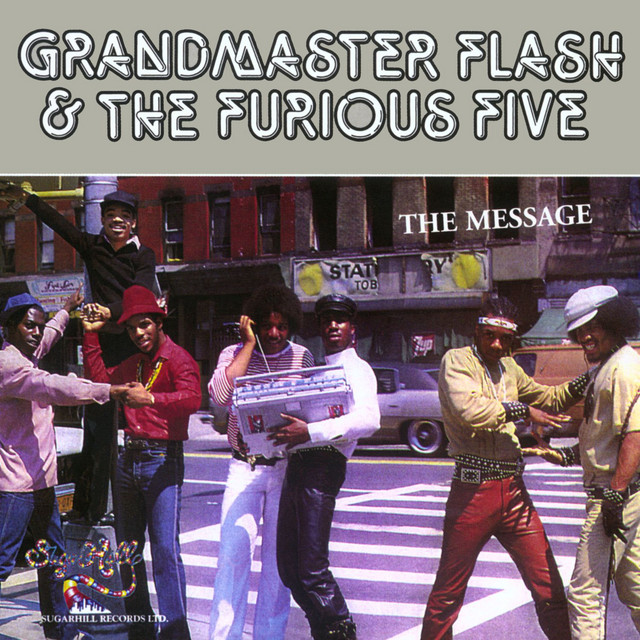
9. The Message
A seismic shift in early hip-hop, "The Message" transcended party anthems to deliver poignant social commentary. Its stark, synthesized bassline and the sparse, almost clinical drum machine pattern – likely an 808 or LinnDrum – provided a bleak, urban soundscape. This was a triumph of minimalist production, proving that a powerful narrative, coupled with expertly chosen, atmospheric rhythmic elements, could create a timeless, impactful piece of music, defining a new lyrical and sonic paradigm.

10. Don’t Leave Me This Way
This track is a masterclass in '70s Philadelphia soul, a sophisticated blend of lush orchestration, driving rhythm, and powerful vocal delivery. The arrangements, featuring sweeping strings and punchy brass sections, were meticulously crafted in an analog studio environment, emphasizing warmth and depth. The interplay between the foundational funk groove and the soaring, emotional vocals, underpinned by a relentless beat, created an irresistible energy, a true hallmark of disco's more opulent, pre-electronic forms.

11. Flashing Lightz
While this track is far beyond my temporal scope, its essence, particularly the use of shimmering synth pads and a prominent, almost classical string arrangement, harks back to the '80s. Artists like Prince and Giorgio Moroder pioneered the integration of synthesized textures with more traditional instrumentation. The ambition to create a grand, cinematic sound, even in a hip-hop context, draws a clear line to those earlier explorations of electronic-acoustic fusion and expansive sonic design.

12. Kashmir
This is a monumental piece of '70s rock, a true epic that defies simple categorization. Its colossal, almost hypnotic riff, augmented by a distinctive string and brass arrangement, created an exotic, cinematic soundscape. The rhythmic foundation, laid down by John Bonham's thunderous drumming, provided a primal power, while Robert Plant's vocals soared over the dense, multi-layered production. It's a testament to studio craft, leveraging analog tape and innovative mic techniques to build immense sonic scale.