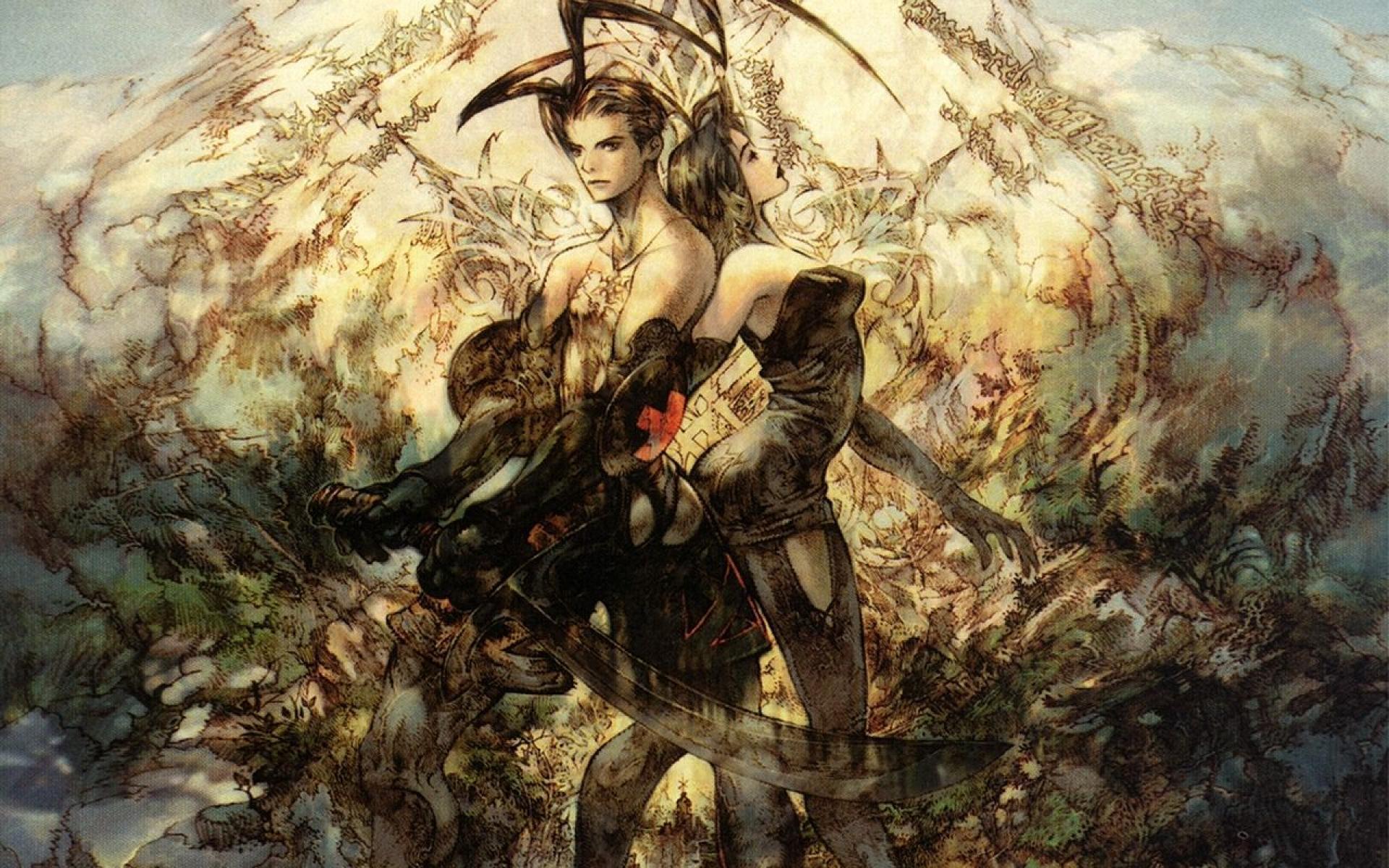
1. Vagrant Story (2000)
This PlayStation classic from Square was a masterclass in atmosphere and complex mechanics. Its unique risk/chain combat system, weapon crafting, and dark, intricate narrative about Ashley Riot felt more like a hardcore ARPG than anything else on the console. It was grim, demanding, and utterly brilliant, but maybe too niche for mainstream marketing to grasp. Seriously, the sheer depth here puts many modern "RPGs" to shame.
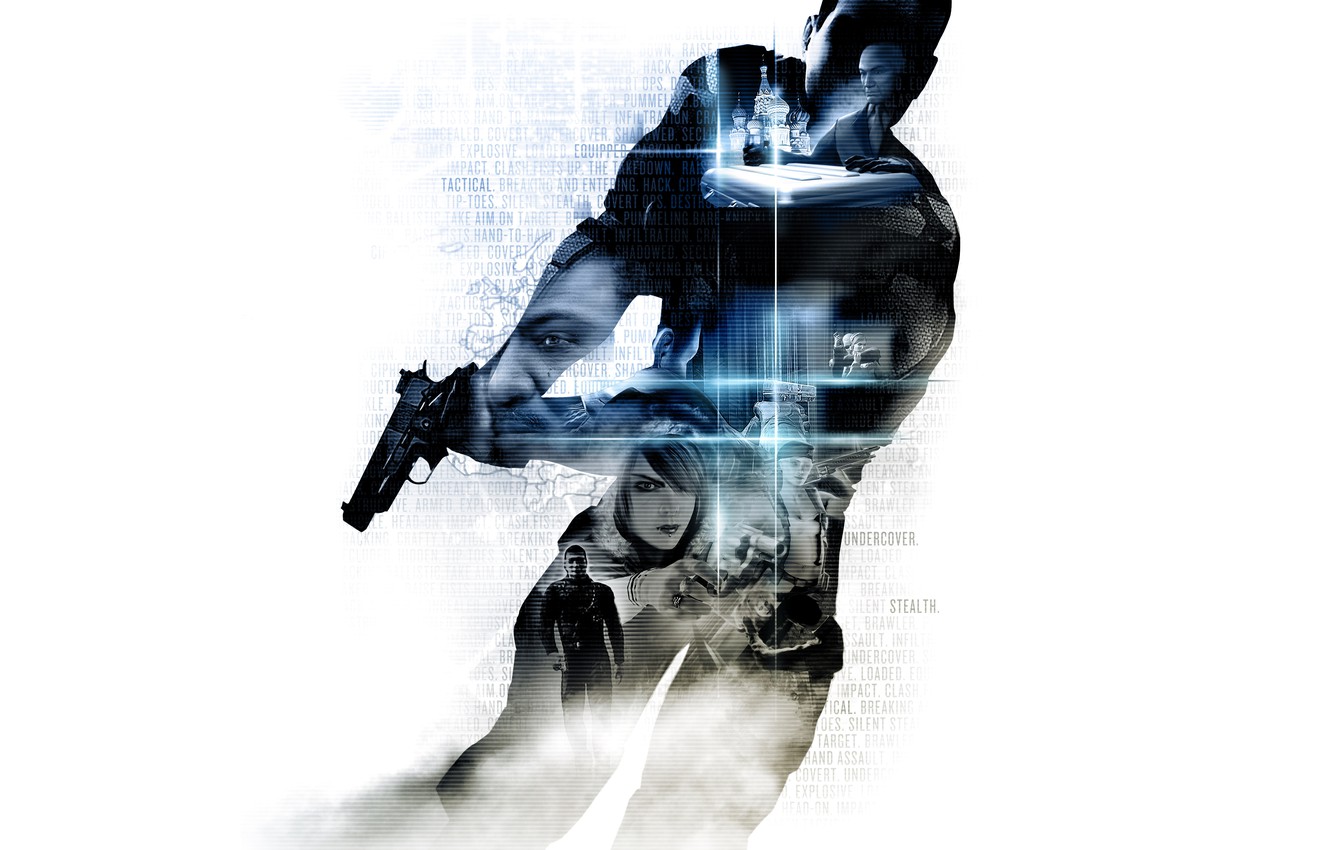
2. Alpha Protocol
Obsidian tried something truly different with this spy RPG. Your choices here *actually* mattered, twisting the narrative in ways few games manage. Sure, the combat was janky as hell, and the visuals weren't top-tier even then. But the character interactions, the moral ambiguity, and the sheer audacity of its design made it a cult classic that deserved far more polish and a sequel.
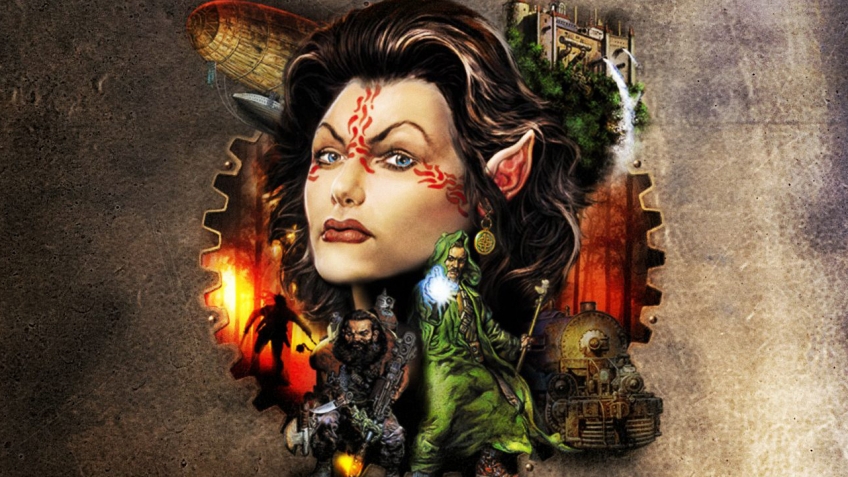
3. Arcanum: Of Steamworks and Magick Obscura
Troika's debut was an absolute mess, but a beautiful, sprawling mess. Imagine a truly open-ended RPG where magic and technology clash, and your character build radically changes how the world reacts to you. It was buggy, unbalanced, and had a UI from hell, yet its world-building, deep lore, and choice-driven quests made it an unforgettable, if frustrating, experience for those who stuck with it.
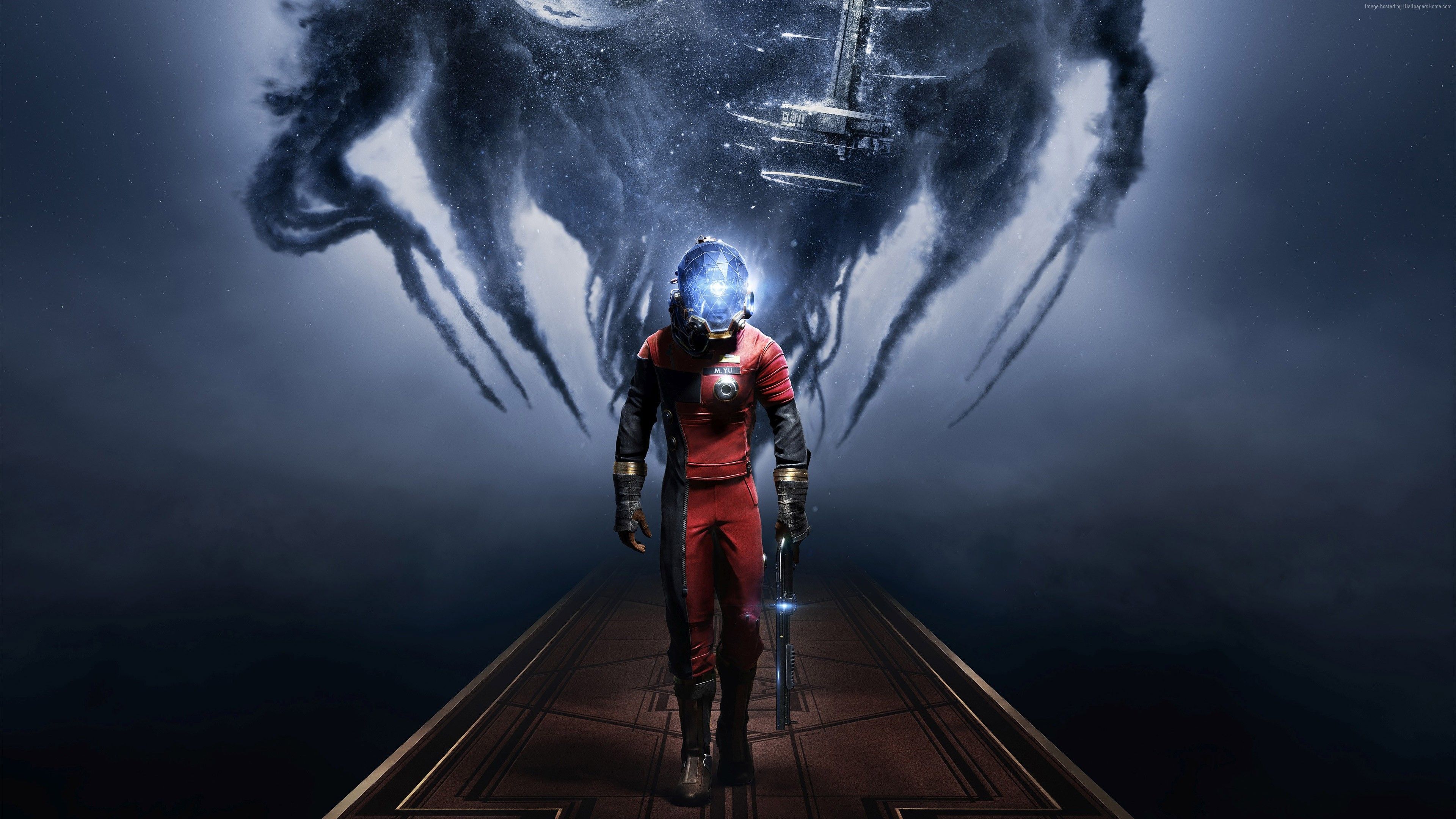
4. Prey
Arkane delivered an absolute masterclass in immersive sim design with this one. Trapped on Talos I, fighting shape-shifting aliens while piecing together a chilling narrative, it was smart, unsettling, and incredibly rewarding. The sheer freedom to approach objectives, combined with clever level design and unique powers, should have been a bigger deal. But maybe its complex nature, or the name confusion, kept it from hitting mainstream success.

5. SOMA
Frictional Games proved horror doesn't need jump scares to be terrifying. SOMA plunged players into a deep, philosophical sci-fi narrative beneath the ocean, exploring consciousness and identity. It wasn't just scary; it was profoundly unsettling and thought-provoking. The marketing probably struggled to convey its unique blend of existential dread and environmental storytelling, leading it to fly under the radar for many.
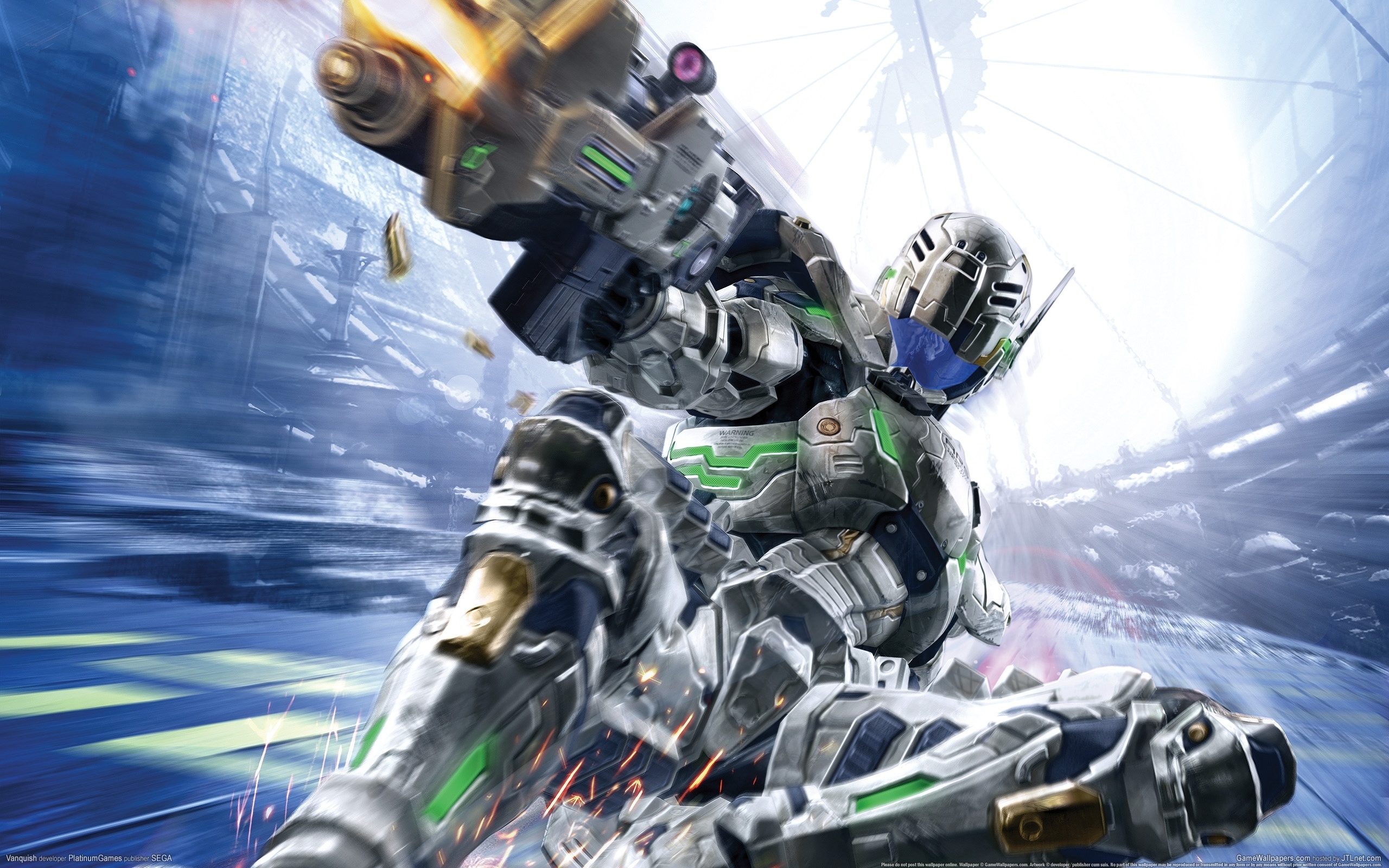
6. Vanquish
PlatinumGames at their most stylish and explosive. This isn't just a third-person shooter; it's a hyper-kinetic ballet of boost-sliding, slow-motion gunplay, and giant robots. Its sheer speed and over-the-top action made every encounter a thrill. It was short, sweet, and ridiculously fun, but maybe its arcade-like focus on pure gameplay over a sprawling narrative meant it never quite found the audience it deserved.
7. Binary Domain
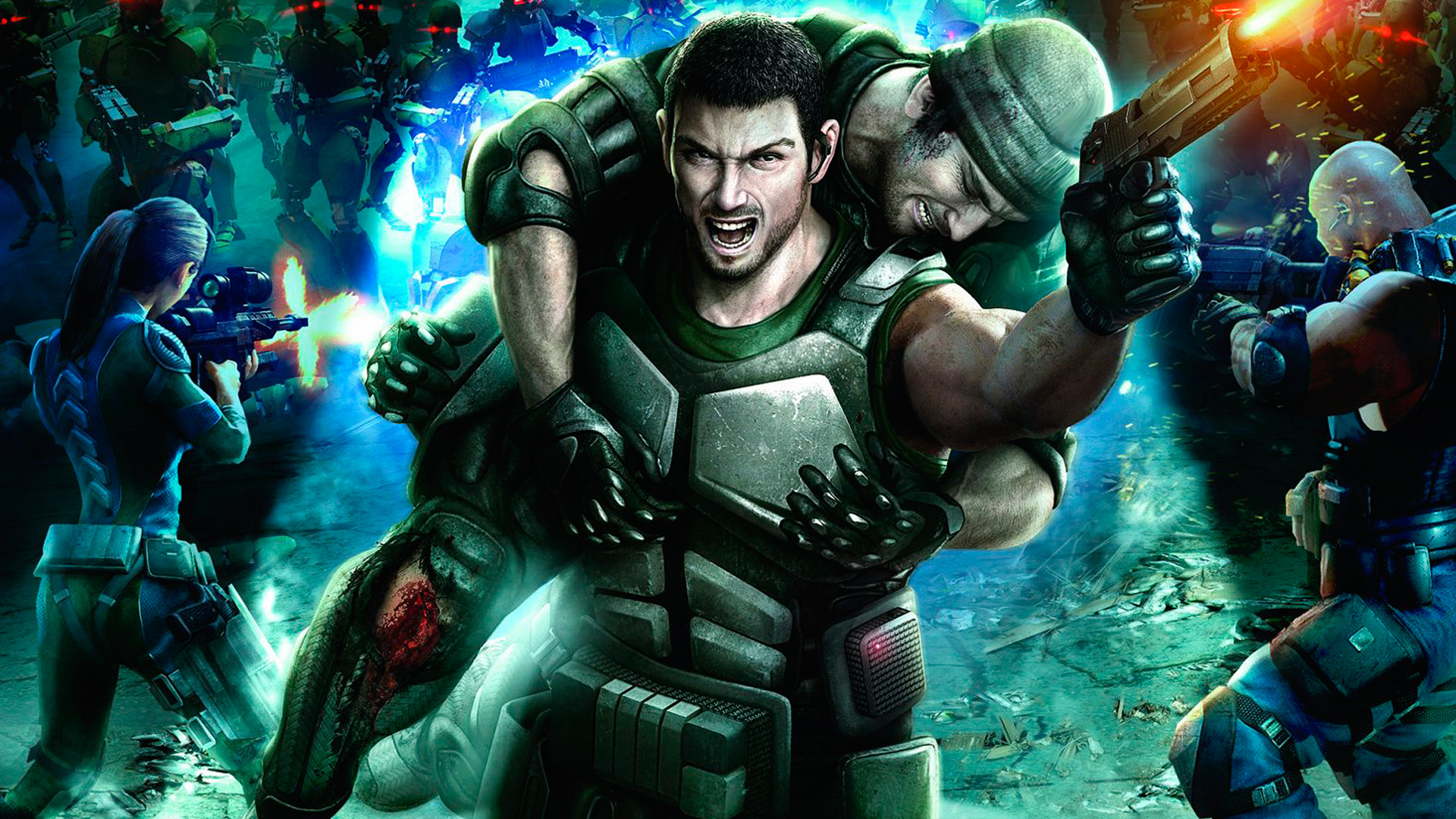
Sega's attempt at a character-driven third-person shooter against rogue robots. What made it special was the "trust" system, where your squadmates reacted to your decisions and combat performance, genuinely impacting gameplay. It had surprisingly deep characters, a compelling story, and solid robot-dismembering action. It tried to do a lot, and mostly succeeded, but felt like it got lost in the shuffle of bigger titles.
8. Sleeping Dogs
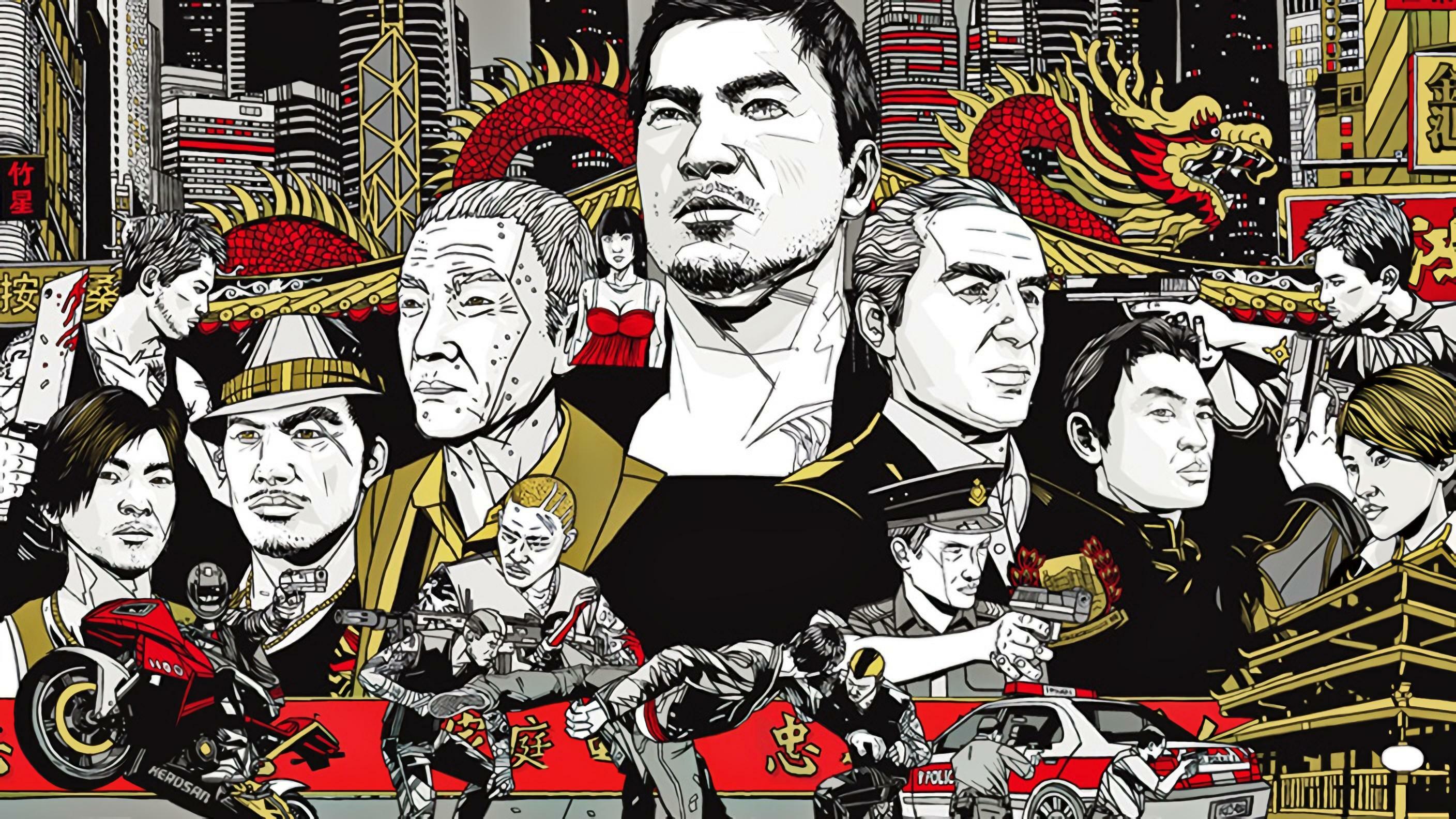
An open-world gem that truly captured the vibe of Hong Kong action cinema. Forget GTA clones; this was its own beast with brutal, fluid martial arts combat, satisfying gunplay, and a compelling undercover cop narrative. The city felt alive, the side activities were fun, and the story hooks were genuinely engaging. It proved you don't need a massive franchise name to deliver a top-tier open-world experience.
9. Sunset Overdrive
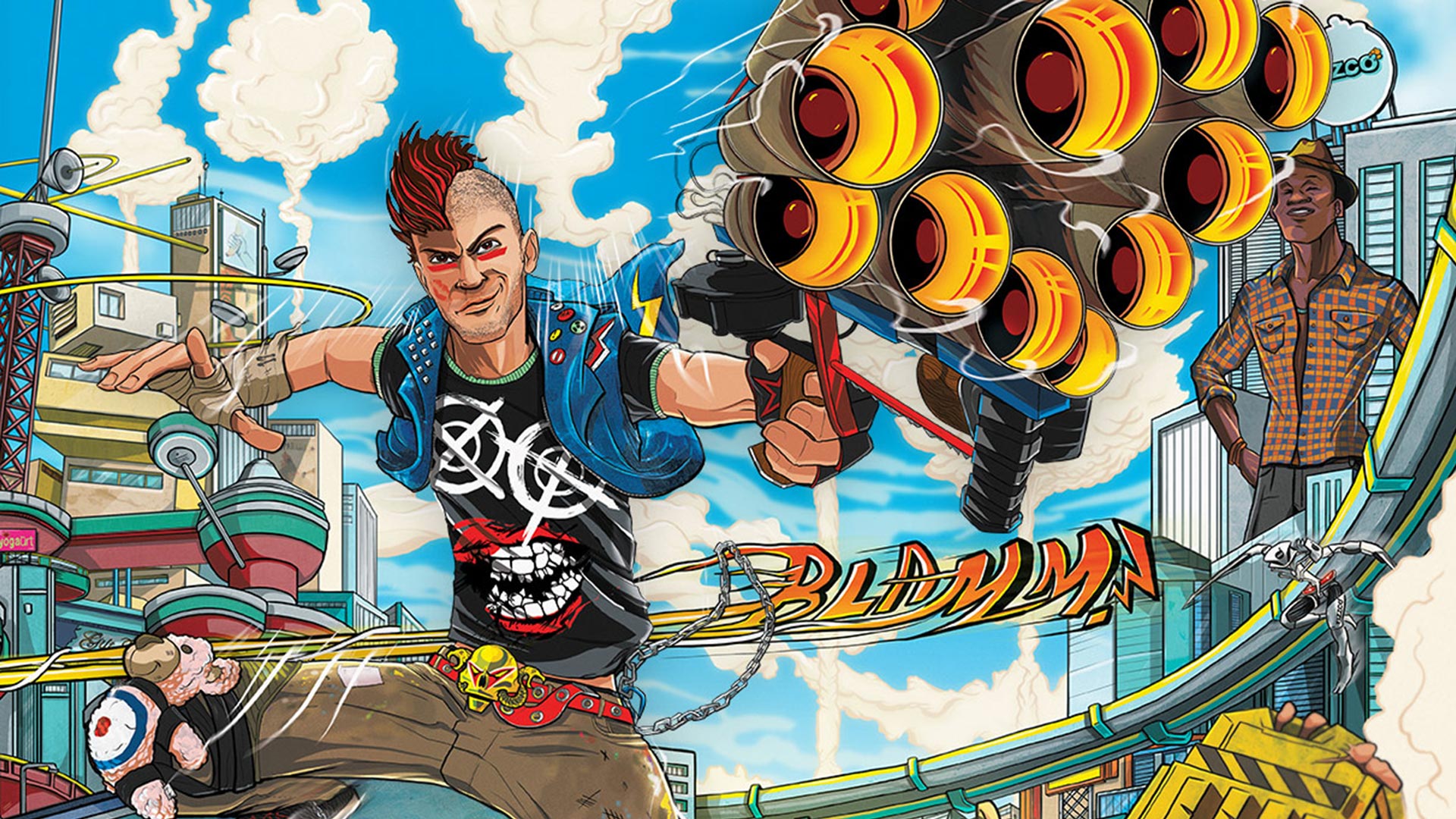
Insomniac delivered a vibrant, chaotic, and genuinely funny open-world experience. Traversal was king, with grinding, bouncing, and wall-running as core mechanics, all while fighting mutant hordes. Its self-aware humor, punk-rock aesthetic, and refusal to take itself seriously made it a breath of fresh air. It was pure joy, but maybe its Xbox exclusivity and quirky style limited its reach.
10. Grim Fandango
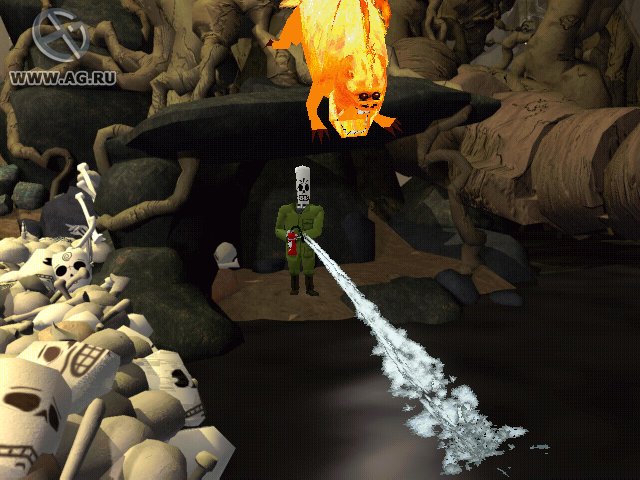
LucasArts' swan song to the golden age of point-and-clicks, and what a way to go out. A dark, witty noir adventure set in the Land of the Dead, with an incredible art style inspired by Día de Muertos. The puzzles were tough, the dialogue was sharp, and the story was unforgettable. It was a masterpiece, but the adventure game genre was already fading, making it a critical darling that struggled commercially.
11. Psychonauts
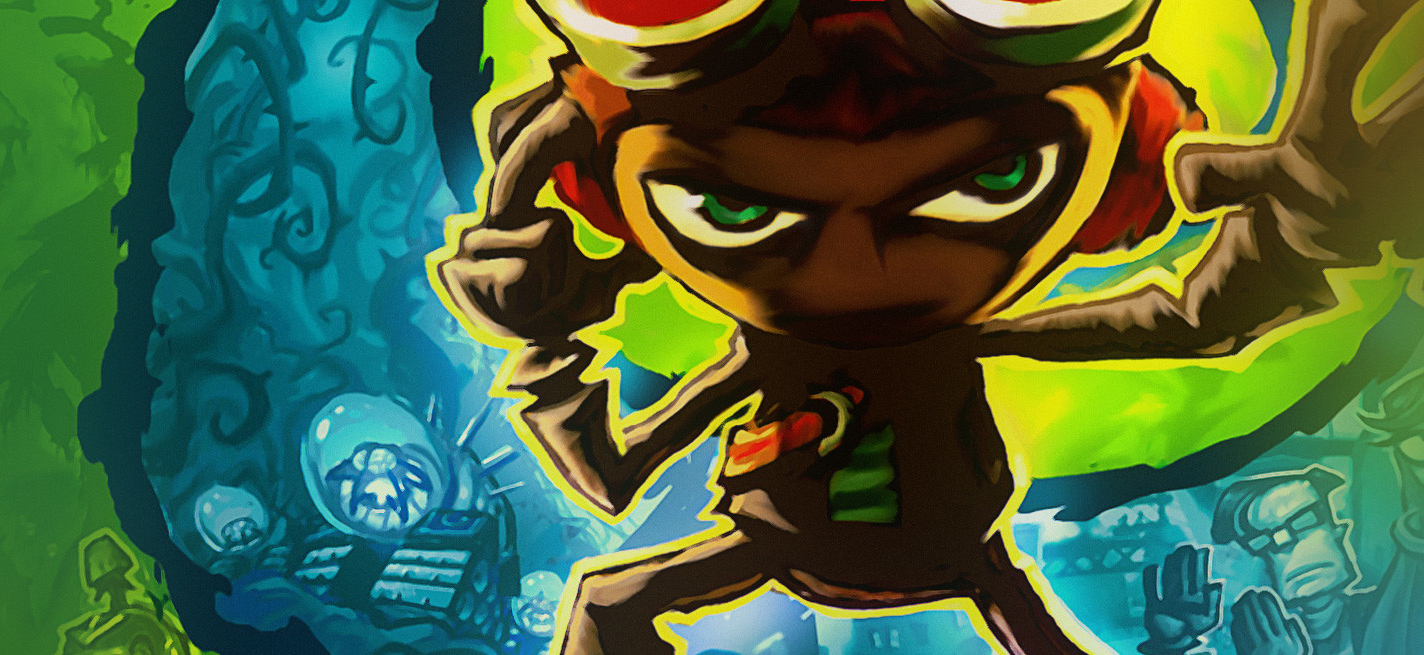
Tim Schafer's genius really shone in this platformer. Exploring the minds of various characters, each world was a wildly imaginative, surreal landscape reflecting their psychological issues. It was funny, heartfelt, and incredibly creative, but its initial release was a commercial flop. Years later, its unique charm and brilliant design cemented its status as a cult classic.
12. Titanfall 2
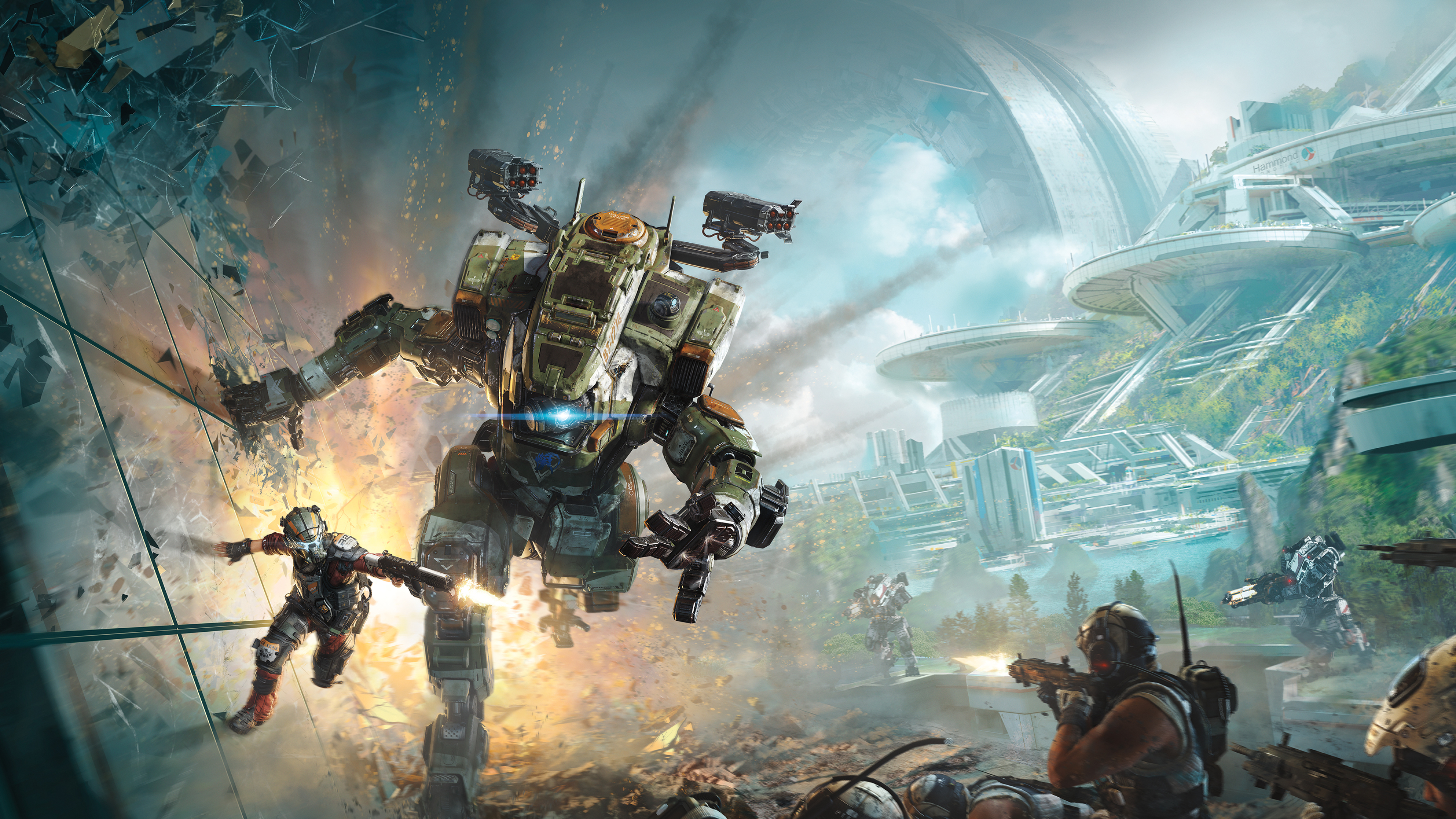
This FPS campaign is legendary for a reason. Respawn crafted some of the most innovative and constantly evolving level design ever seen in the genre, seamlessly blending parkour movement with giant robot combat. Its single-player was a masterclass in pacing and creativity, and the multiplayer was fast and fluid. It was critically acclaimed but got sandwiched between *Battlefield 1* and *Call of Duty*, a brutal marketing misstep.