

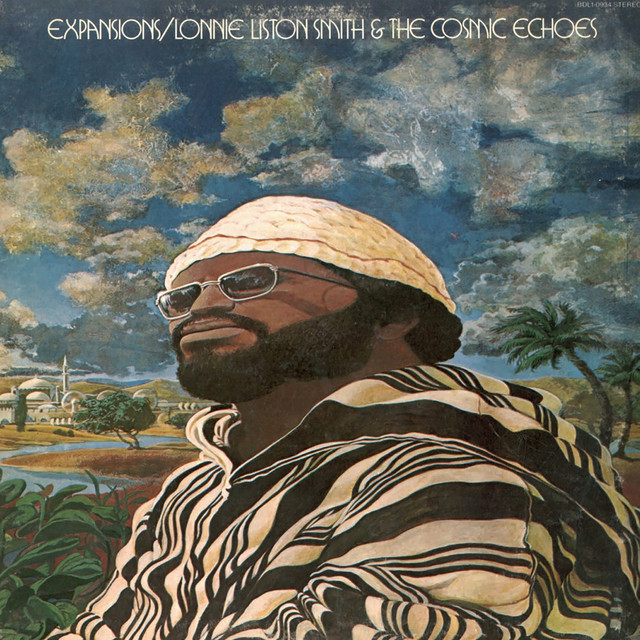
1. Expansions
Lonnie Liston Smith's 1975 opus still resonates, a definitive statement in spiritual jazz-funk. Its shimmering Rhodes, propulsive basslines, and celestial vocals forged an organic, expansive sound. This wasn't merely fusion; it was an astral journey, meticulously crafted in an era when tape hiss was character, not flaw. The arrangements, particularly those layered horns and synthesizers, demonstrate a mastery of analog warmth, creating a truly immersive, almost psychedelic experience.
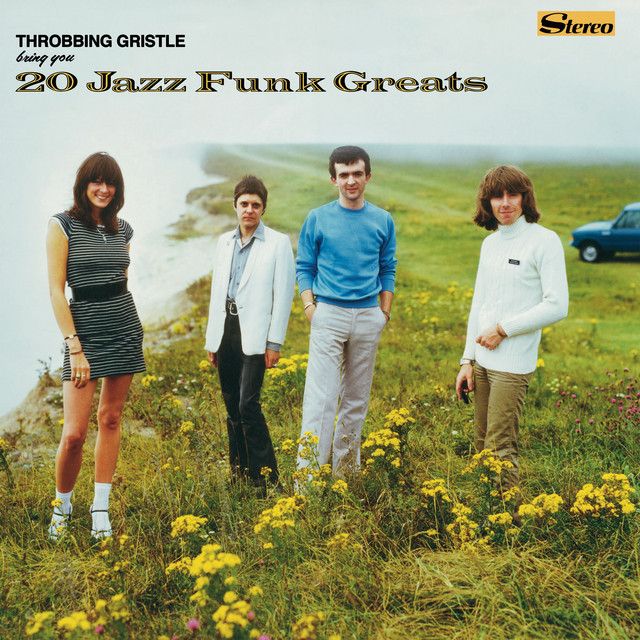
2. 20 Jazz Funk Greats (Remastered)
Throbbing Gristle’s 1979 statement, even remastered, maintains its unsettling, industrial-strength bleakness. This wasn't about conventional rhythm; it was about sonic abrasion and calculated discomfort, redefining what music could be. The original’s raw, analog grit, born from early synths and tape manipulation, is now presented with a disturbing clarity. It’s a chilling document of noise as art, a profound, almost philosophical exploration of anti-music that still feels disturbingly current.
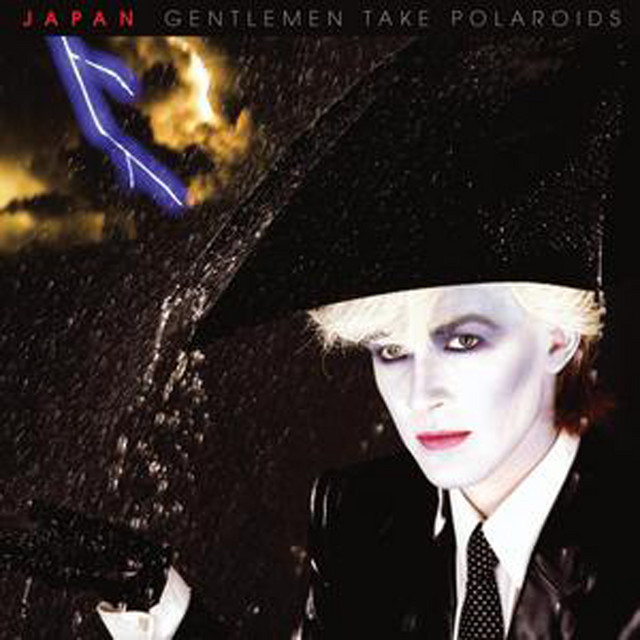
3. Gentlemen Take Polaroids
Japan's 1980 release, 'Gentlemen Take Polaroids,' is a testament to sophisticated synth-pop and art-rock. David Sylvian's enigmatic croon glides over Fretwell's fluid bass and Barbieri's atmospheric synthesizers. This album, captured in an era of burgeoning analog electronics, perfected a sleek, melancholic sound. It's a precise, almost clinical beauty, where every instrument, from the rhythmic percussion to the shimmering keys, contributes to an elegant, often haunting, sonic tapestry.

4. Neurovision (Remastered)
Space's 1977 "Neurovision," even in its remastered form, retains that quintessential cosmic synth-pop shimmer. This was pure space-age escapism, built on infectious, arpeggiated basslines and soaring, analog synth melodies. The production, originally a marvel of pre-digital studio wizardry, now boasts an enhanced clarity without losing its retro-futuristic charm. It's a masterclass in crafting accessible electronic music that still feels adventurous, a prime example of French disco's innovative spirit.
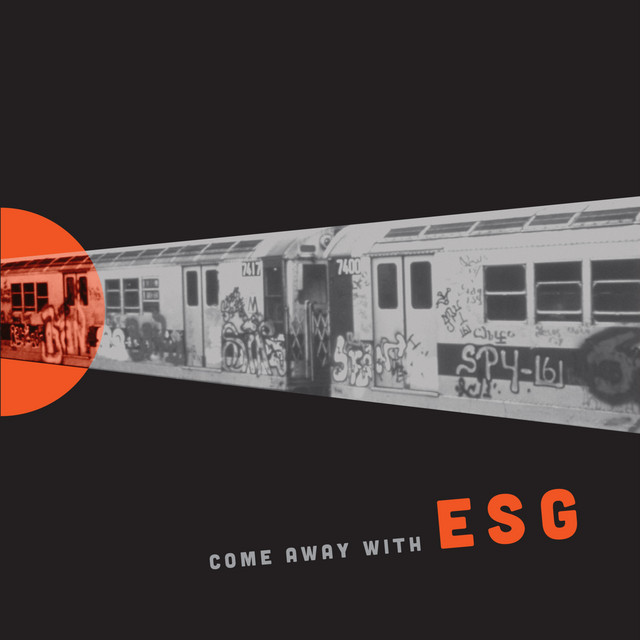
5. Come Away with ESG
ESG's 1983 debut, 'Come Away with ESG,' is a masterclass in minimalist funk and post-punk economy. Its raw, unadorned grooves, built on sharp basslines, sparse percussion, and chanted vocals, were utterly distinctive. This album, recorded with a refreshing lack of studio embellishment, showcased a pure, unadulterated rhythm-first approach. It’s a foundational text for anyone understanding the bridge between no-wave and early hip-hop's stripped-down aesthetic, a truly original sonic blueprint.
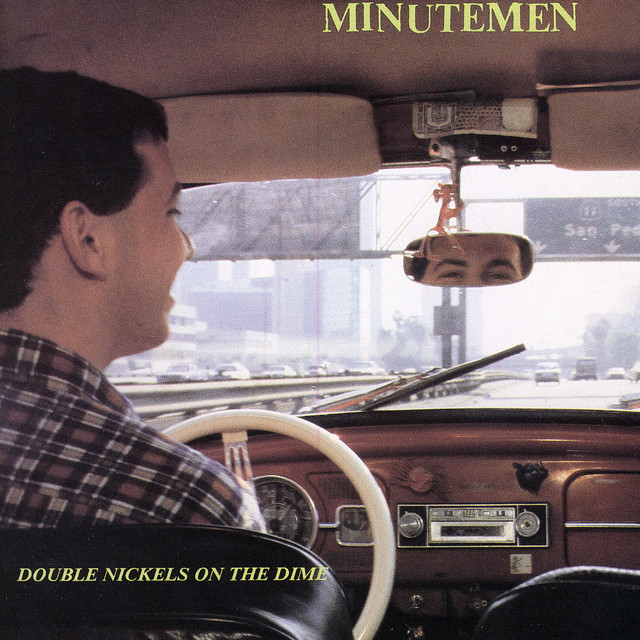
6. Double Nickels on the Dime
Minutemen's 1984 sprawling opus, 'Double Nickels on the Dime,' defied categorization with its raw, intelligent punk-funk. D. Boon's jagged guitar, Watt's lyrical bass, and Hurley's precise drumming created a sound both cerebral and visceral. This double album, recorded with an urgent, no-frills sensibility, showcased their incredible musicianship and eclectic influences. It was a defiant statement against rock clichés, a sprawling, unfiltered snapshot of American independent music at its most inventive and uncompromised.
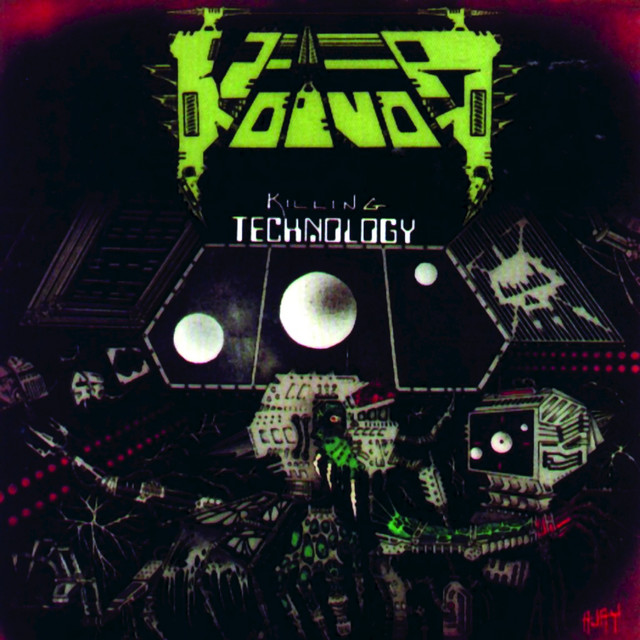
7. Killing Technology
Voivod's 1987 'Killing Technology' was a seismic shift in metal, fusing thrash aggression with a nascent progressive sensibility. Their dissonant chords, complex time signatures, and sci-fi narratives created a soundscape unlike anything before it. The analog production, while raw, perfectly captured their mechanical, futuristic aesthetic. It was a challenging, intellectually stimulating album that pushed the boundaries of early metal, proving that brutality could coexist with intricate, artful composition.
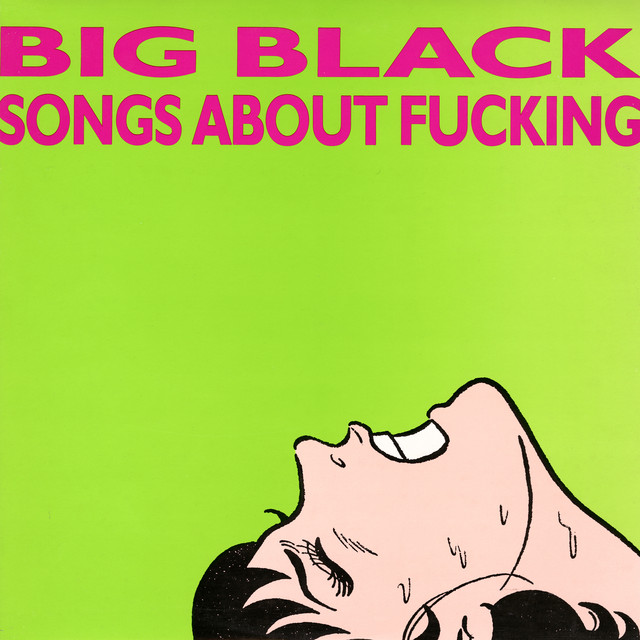
8. Songs About Fucking (Remastered)
Big Black’s 1987 'Songs About Fucking,' even remastered, remains a brutal, unrelenting sonic assault. Steve Albini’s signature guitar tone, combined with the infamous drum machine "Roland," created a sound both mechanical and terrifyingly human. The original production’s abrasive, clinical edge is now delivered with heightened clarity, emphasizing its stark, industrial precision. It’s a confrontational, visceral experience, pushing hardcore and noise rock into a disturbing new territory with uncompromising force.
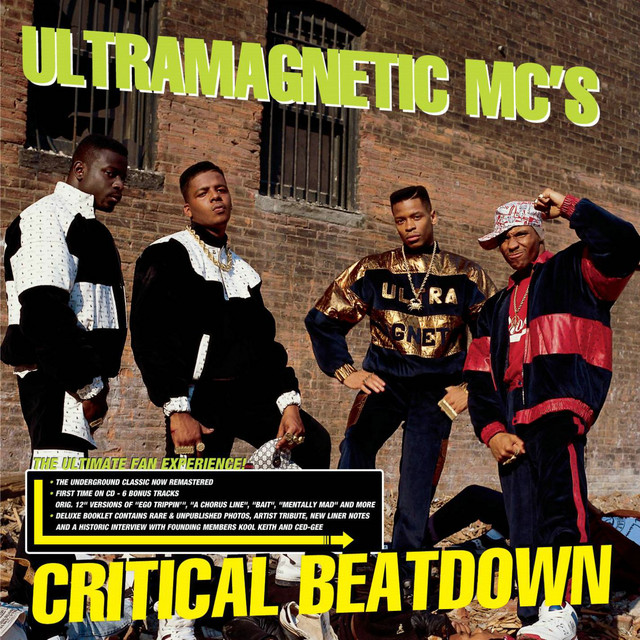
9. Critical Beatdown (Re-Issue)
Ultramagnetic MCs' 1988 'Critical Beatdown,' even re-issued, remains a cornerstone of abstract, sample-heavy hip-hop. Kool Keith’s surreal lyricism over Ced Gee’s intricate, often jarring, sample collages was revolutionary. This album, a product of pre-digital sampling techniques, layered obscure breaks and bizarre loops into a dense, futuristic sound. It shattered conventional rap structures, demonstrating a fearless approach to production that still sounds audacious and incredibly influential, a true analog marvel.

10. Spirit of Eden
Talk Talk's 1988 'Spirit of Eden' was a profound, almost spiritual departure, transcending its synth-pop origins into something vast and atmospheric. Its patient, improvisational compositions, recorded over months with meticulous analog detail, created an immersive, almost ambient soundscape. Mark Hollis's hushed vocals and sparse instrumentation evoke a deep, melancholic beauty. It’s a masterpiece of texture and space, a testament to the power of the pre-digital studio as an instrument for emotional depth and subtle grandeur.