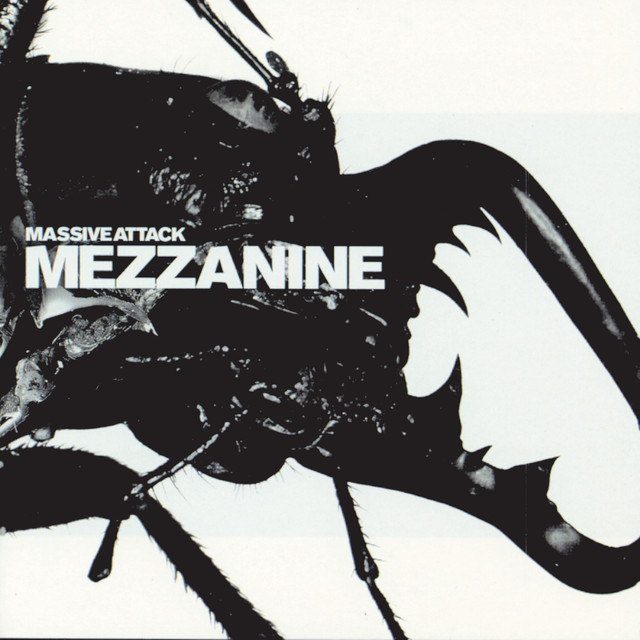
1. Mezzanine
Trip-hop's dark heart, this record felt like the internet's shadowy underbelly before we fully grasped its scope. The beats were relentless, the atmosphere suffocatingly cool, a digital dread that permeated everything. Liz Fraser's voice on "Teardrop" still gives me shivers, a perfect blend of synthesized sheen and raw human melancholy. It was the sound of late-night digital introspection, heavy and utterly essential, mapping out emotional landscapes in binary code.
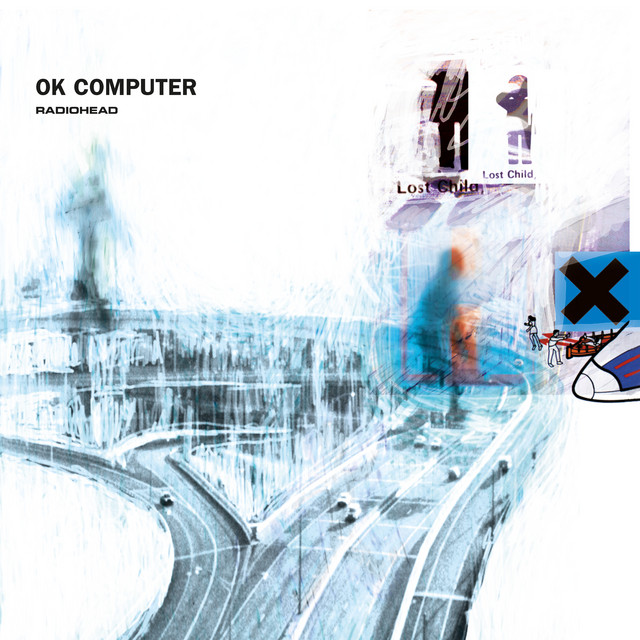
2. OK Computer
When this dropped, it was a sonic prophecy, capturing the anxieties of a world accelerating beyond human control. Those guitars felt like the last vestiges of rock trying to make sense of a digital future, while the arrangements hinted at something glitchy and profound. It wasn't just anthemic; it was a deeply unsettling, yet strangely comforting, soundtrack to the approaching millennium's existential dread, a masterpiece of intelligent rock navigating the unknown.
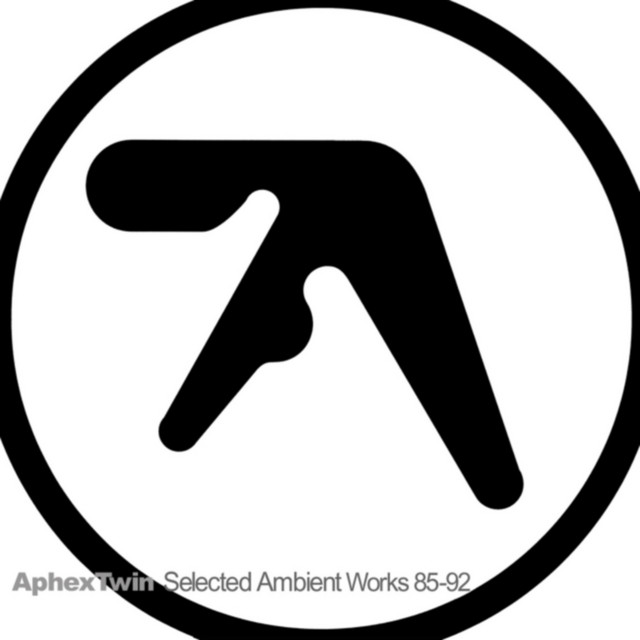
3. Selected Ambient Works 85-92
This was pure code poetry, a warm bath of algorithmic beauty that stretched the very definition of electronic music. It felt less like traditional songs and more like expansive, evolving environments, crafted with a precision that was both clinical and deeply emotive. Even then, it showcased how digital tools could build entire sonic worlds, proving that ambient wasn't just background noise but a profound, immersive, and strangely nostalgic experience.
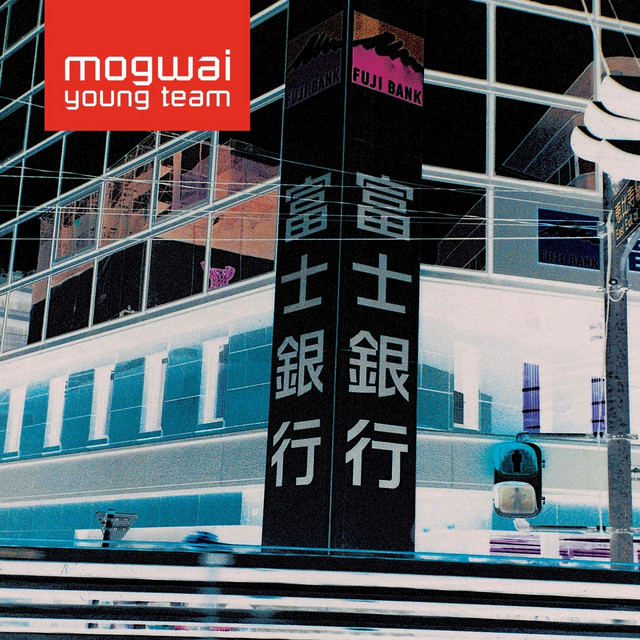
4. Young Team
Post-rock's emotional core, this album taught me that quiet tension could explode into cathartic noise, and vice versa. It was all about dynamics, those slow builds feeling like data packets accumulating before a massive download, culminating in glorious sonic feedback. The guitars were instruments of both delicate beauty and brutal force, creating soundscapes that felt utterly vast, a definitive blueprint for instrumental rock’s future.
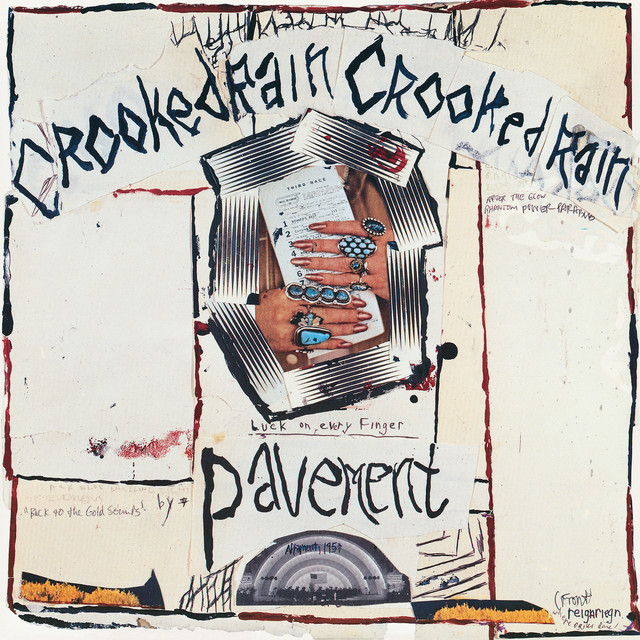
5. Crooked Rain, Crooked Rain
Pavement's slacker genius was never more apparent than here. It felt like stumbling upon a perfectly imperfect webpage, full of lo-fi charm and wry observations that still resonate. The guitars were jangly, the vocals almost conversational, but underneath that laid-back veneer was a sharp intellect. It celebrated the beautiful messiness of indie rock, a reminder that not everything needed digital polish to be brilliant, just raw, honest vibes.

6. Dummy
This album was the sound of an analogue heart breaking in a digital world. Beth Gibbons’ voice, a fragile thread over trip-hop’s meticulously crafted beats and vintage samples, created an atmosphere of profound sadness and undeniable cool. It felt like a late-night dial-up connection to someone else's sorrow, a perfectly engineered melancholy that still grips me, every haunting echo a profound digital memory.
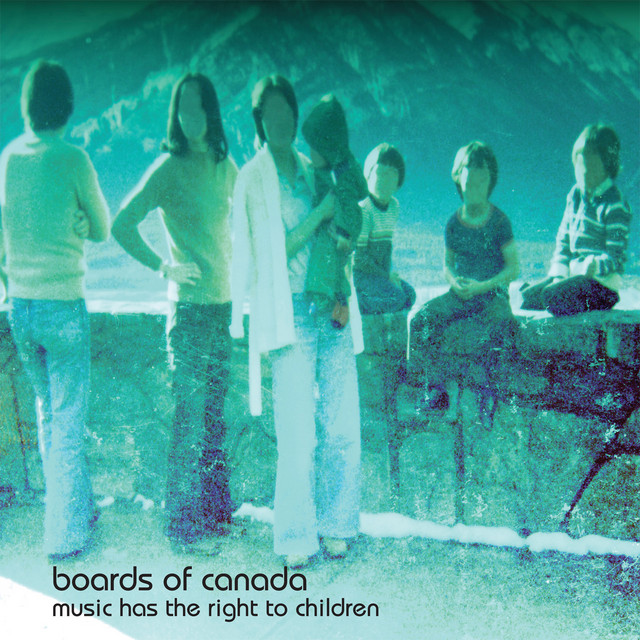
7. Music Has The Right To Children
Listening to this felt like digging through forgotten VHS tapes of childhood, processed through a worn-out sampler. It’s an electronic dreamscape, full of hazy nostalgia and subtly unsettling undertones. Their distinct sonic signature, blending organic sounds with dusty synths and hypnotic beats, created a world that was both innocent and deeply mysterious, a digital memory palace I return to often for its unique warmth.
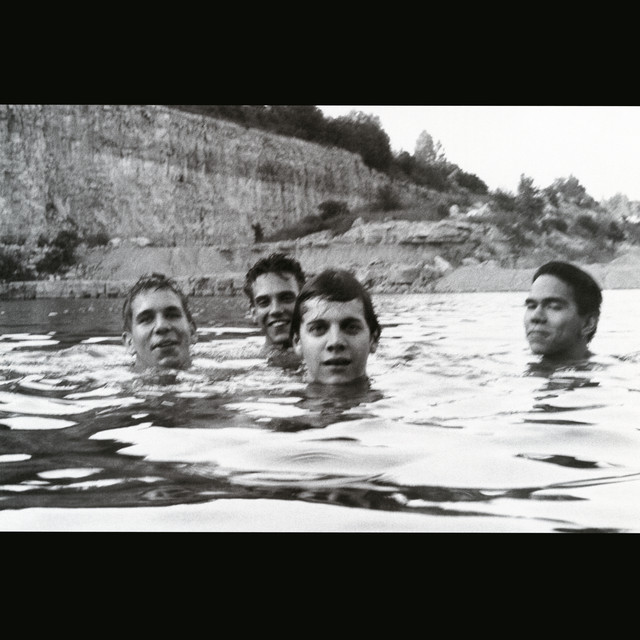
8. Spiderland
This one felt like a whispered secret, slowly unfolding into something immense and unsettling. Its math-rock sensibilities, those intricate, almost architectural guitar lines, redefined what rock could be, pushing boundaries with quiet force. The tension was palpable, building with a slow-burn intensity that few albums manage. It was dark, complex, and utterly captivating, a masterpiece of calculated dread and instrumental storytelling.
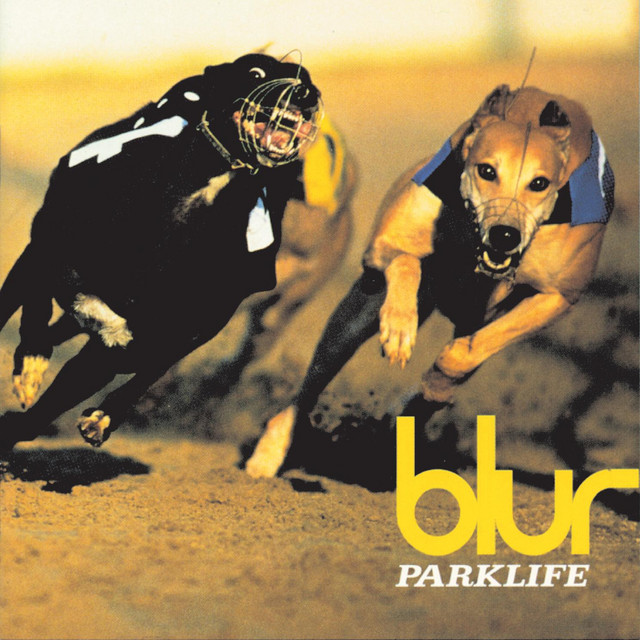
9. Parklife (Special Edition)
Britpop's definitive statement, this album was a vibrant, sardonic snapshot of Nineties Britain, brimming with character and playful experimentation. Damon Albarn's observational lyrics and Graham Coxon's inventive guitar work made every track a distinct vignette. The special edition just enhanced the era's digital presence, cementing its legacy as a cultural touchstone that still feels incredibly fresh, a perfect time capsule.

10. Bells of the Season
This specific sonic texture, perhaps a collection or a standout track, really nailed the atmospheric potential of early digital synthesis. Those bell-like tones, often layered with subtle glitches and expansive ambient pads, conjured a unique sense of contemplative wonder. It was music for cold, digital mornings, demonstrating how simple, shimmering sounds could build profound emotional depth in the electronic landscape, shaping a distinct micro-genre of digital warmth.
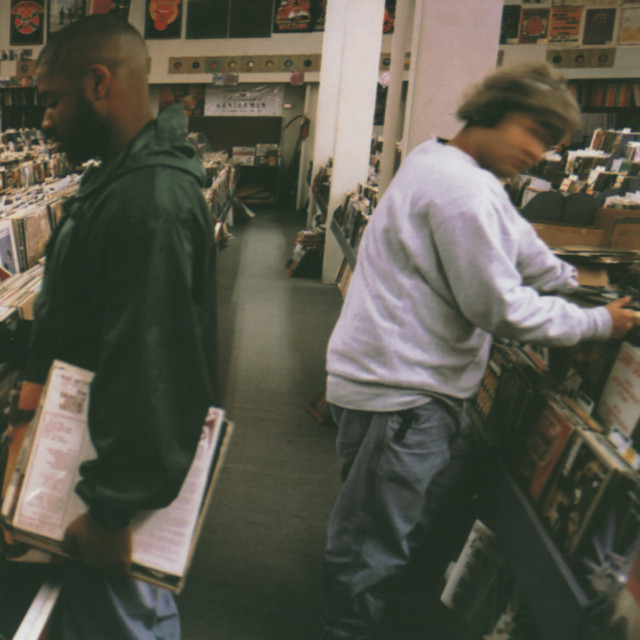
11. Endtroducing.....
This wasn't just an album; it was a masterclass in digital archaeology. DJ Shadow meticulously pieced together forgotten breaks and samples, creating an entirely new narrative from fragments of the past. It felt like hacking into a universal sound library and re-arranging history. The sheer depth and texture of the beats were mind-blowing, a foundational text for instrumental hip-hop and electronic sampling techniques that still influences today.
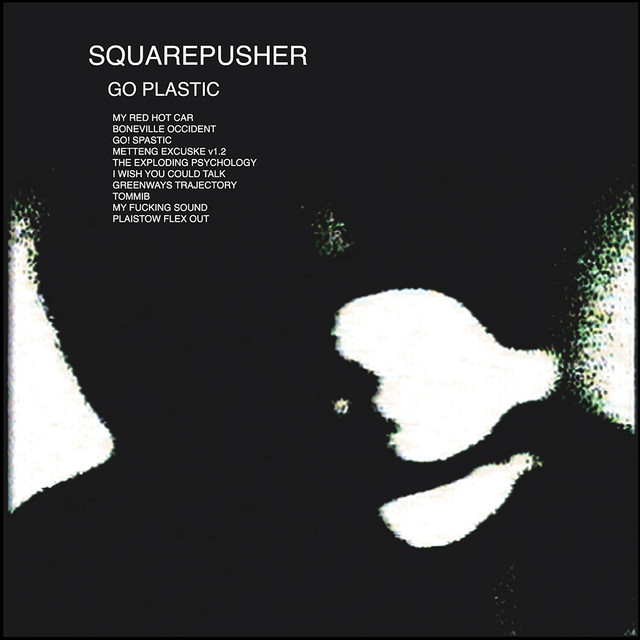
12. Go Plastic
Squarepusher pushed the boundaries of drum and bass and IDM into glitchy, hyper-speed territory that still sounds utterly alien and exhilarating. It was like listening to a machine having a joyful, chaotic meltdown. The intricate, almost impossibly fast drum programming and warped basslines created a frantic energy that was both challenging and incredibly rewarding, proving digital music's limitless potential for innovation.