

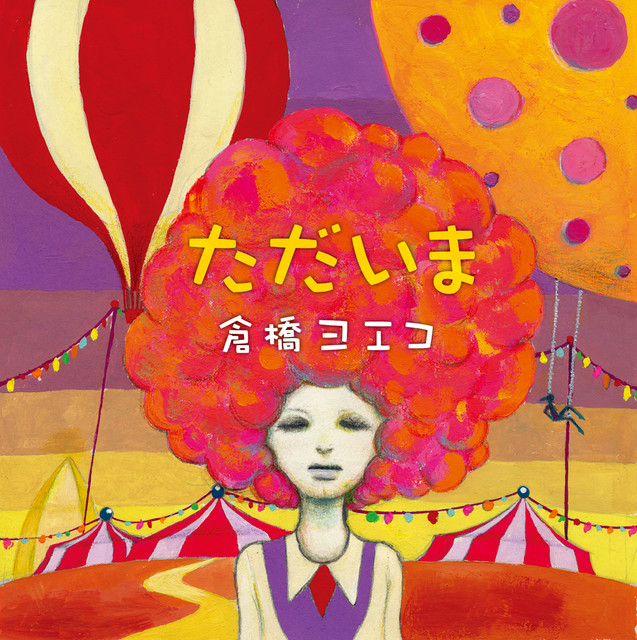
1. ただいま
Mariya Takeuchi's 'Tadaima' isn't just City Pop; it's the foundational algorithm for that smooth, aspirational Tokyo sound. The rhythm section here? Pure genius. It’s got this subtle, almost imperceptible swing that pulls you in, making it instantly iconic. It’s like the blueprint for every chill J-pop track that followed, proving you don't need a huge beat drop to command attention. This track became a global mood, a quiet viral moment for its era.
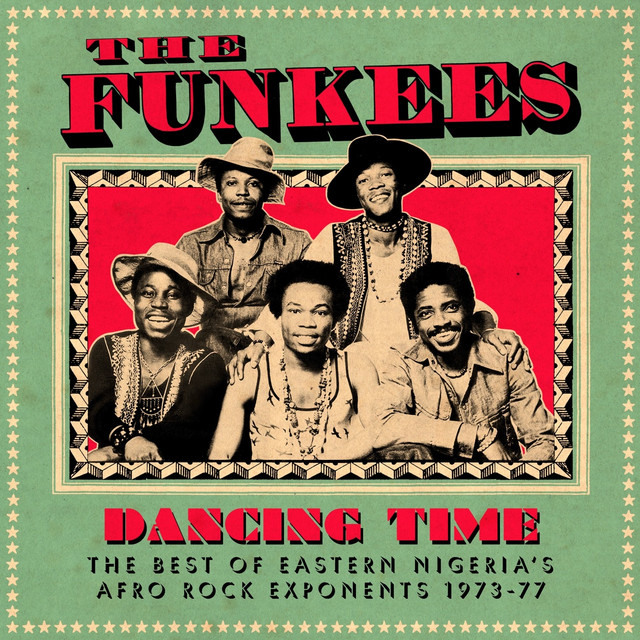
2. Dancing Time: The Best of Eastern Nigeria's Afro Rock Exponents 1973-77
This '73-77 compilation is the core algorithm for understanding raw Afro-rock power. It’s not just beats; it’s a living, breathing rhythmic organism. The way those guitars interlock with the drums, the sheer unbridled energy—this is where future Afrobeats stars found their DNA. It’s the sound of local Nigerian heroes crafting global-level funk before the internet made it easy. Pure rhythmic innovation, no skips.
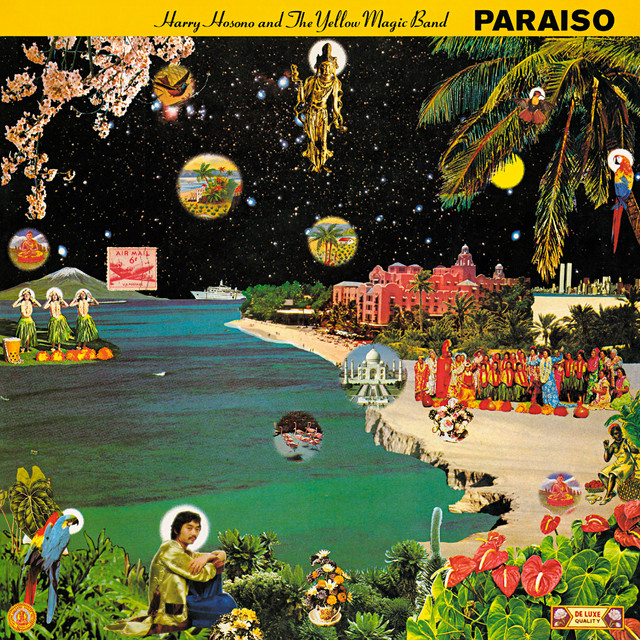
3. Paraiso
Los Jaivas’ 'Paraíso' is a rhythmic masterclass, blending Andean folk with progressive rock. It’s like a sonic journey where the time signatures shift with the mountain winds. This wasn’t just music; it was a cultural statement, making them local idols who redefined what South American rock could be. The percussion isn't just accompaniment; it's the narrative, complex yet totally immersive, proving rhythm itself can tell a story.
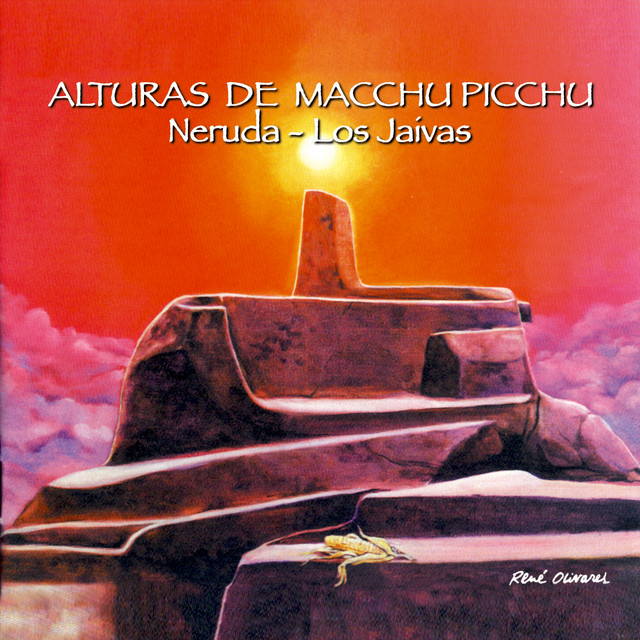
4. Alturas de Macchu Picchu
Los Jaivas again, with 'Alturas de Macchu Picchu', an epic that basically wrote the book on Andean symphonic rock. The rhythmic interplay between traditional instruments and a full rock band is mind-bending. It’s a sonic pilgrimage, each drum beat and charango strum building this massive, spiritual soundscape. This album is a cultural touchstone, a blueprint for how to elevate local folk into a global, progressive statement.

5. Deli Spice
Deli Spice laid down some serious rhythmic algorithms for Korean indie rock. While K-Pop went global with polished beats, these guys were crafting intricate, sometimes post-rock influenced grooves that felt both raw and incredibly smart. Their drumming isn't about flash; it's about foundation, creating a propulsive, almost hypnotic drive that solidified their status as underground legends. Essential for understanding Korea's deeper musical currents.

6. Jangan Ganggu Dulu
Koes Plus’ 'Jangan Ganggu Dulu' is a masterclass in Indonesian pop-rock rhythm from the 70s. It's got this garage-rock immediacy mixed with a distinct local flair. The drumming is deceptively simple but incredibly tight, driving the melodies with an infectious energy that made them absolute superstars in their home country. It’s the kind of groove that transcends language, a pure, unadulterated rhythmic joy.

7. Hosianna Mantra
Popol Vuh’s 'Hosianna Mantra' reimagines rhythm as a spiritual, almost minimalist texture. Far from typical krautrock propulsion, the percussion here is ambient, a gentle pulse that guides you through transcendental soundscapes. It’s a rhythmic algorithm for inner space, where beats aren't for dancing but for deep introspection. This album is a sonic prayer, demonstrating how rhythm can be profoundly meditative and atmospheric.
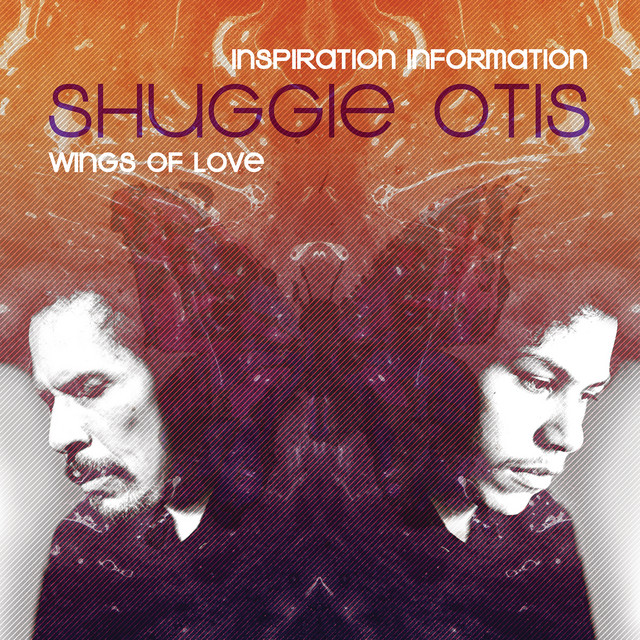
8. Inspiration Information/ Wings Of Love
Shuggie Otis' 'Inspiration Information' is a rhythmic blueprint for psychedelic soul-funk that was decades ahead. His multi-instrumental genius meant he built these grooves from the ground up, making them loose, deeply funky, and incredibly detailed. It’s the kind of rhythm that feels effortless but is packed with subtle complexity. No wonder it became a go-to for samples, a true foundational text for modern beat-makers.

9. Seven Waves
Ashra's 'Seven Waves' by Manuel Göttsching is pure electronic rhythm alchemy. Forget drums; this is about synthesizers creating hypnotic, evolving patterns that act as the pulse. It's foundational for ambient techno, a masterclass in how repetition and subtle shifts can build immense rhythmic tension. It’s not a beat you dance to; it’s a flow you surrender to, showcasing rhythm as pure sonic architecture.
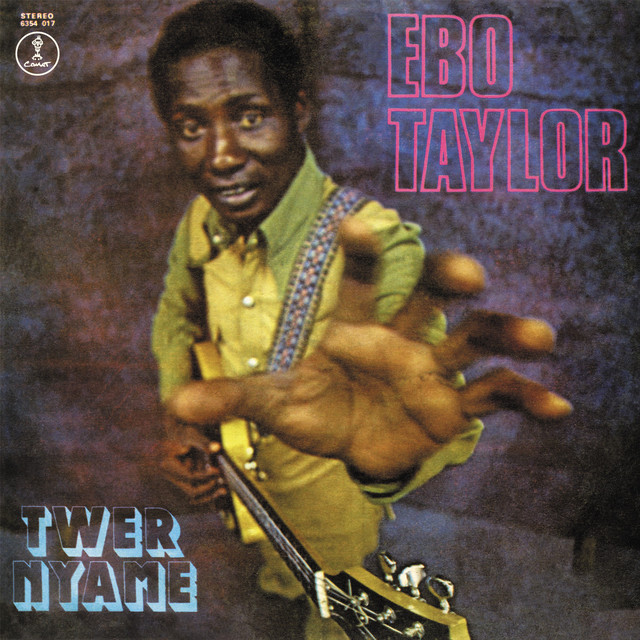
10. Twer Nyame
Ebo Taylor's 'Twer Nyame' is a deep dive into Ghanaian highlife rhythm, a vibrant, interlocking masterpiece. The way the guitars, horns, and percussion weave together creates an irresistible, complex groove that's purely West African. It’s a rhythmic algorithm that's both deeply traditional and endlessly innovative, proving why Taylor is a global icon for true groove enthusiasts. This track isn't just danceable; it's alive.
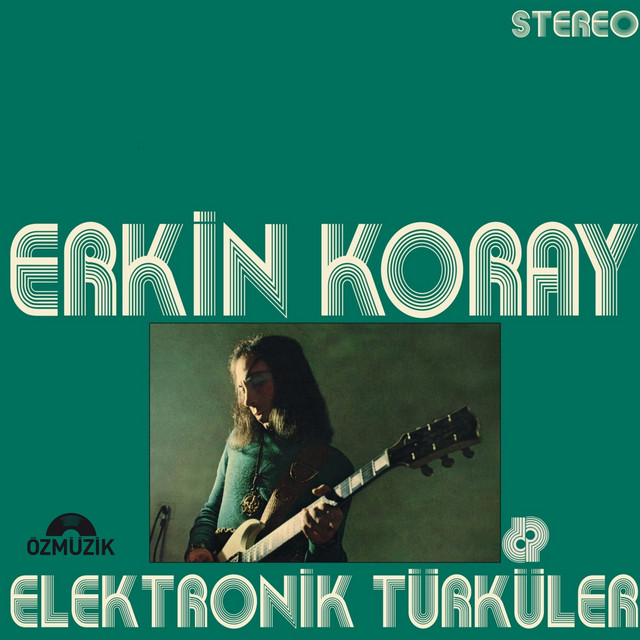
11. Elektronik Türküler
Erkin Koray's 'Elektronik Türküler' showcases the rhythmic genius of Anatolian rock. He takes traditional Turkish folk melodies and injects them with fuzzed-out guitars and a driving, often psychedelic rock rhythm section. The drumming here isn't just keeping time; it's pushing boundaries, creating a unique fusion that’s both familiar and wildly experimental. He essentially charted the course for an entire genre, a true local star with global impact.
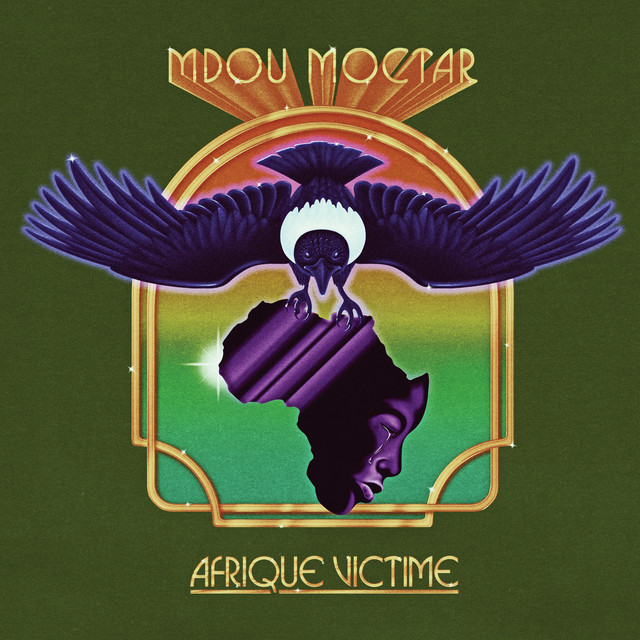
12. Afrique Victime
Mdou Moctar's 'Afrique Victime' is a masterclass in modern desert blues rhythm. It’s raw, driving, and relentlessly energetic. The handclaps and percussion lay down a propulsive foundation for his blistering guitar work, creating a sound that feels ancient and utterly contemporary. He’s taking traditional Tuareg rhythms and blasting them into the global rock arena, proving that a deep understanding of local groove can translate anywhere.