

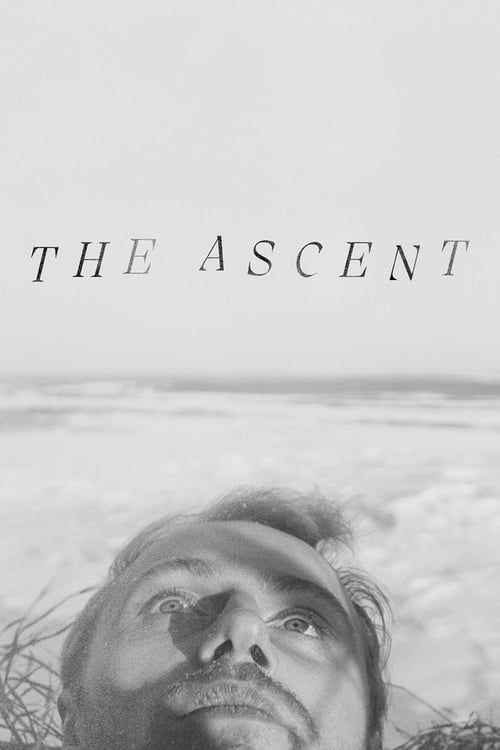
1. The Ascent
Larisa Shepitko’s final film, *The Ascent (1977)*, is a devastating masterpiece of wartime cinema. Set during the brutal winter of WWII, it follows two Soviet partisans captured by the Nazis, forcing them to confront their convictions and humanity. Shot with stark, almost religious intensity, it’s a profound exploration of faith, betrayal, and sacrifice under unimaginable duress. The film’s quiet power and unflinching gaze at moral choices make it an essential, though emotionally taxing, experience.
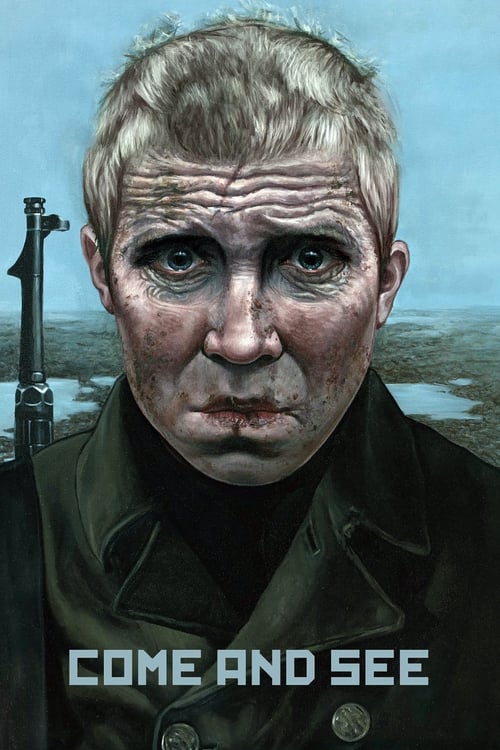
2. Come and See
Elem Klimov’s *Come and See (1985)* isn't merely a war film; it’s a descent into the hellish reality of WWII’s Eastern Front, particularly the Nazi atrocities in Belarus. Seen through the eyes of a young boy, Flyora, whose innocence is systematically stripped away, the film is a relentless, visceral, and deeply traumatizing experience. Its unflinching depiction of human cruelty and the psychological toll of genocide is perhaps unparalleled, leaving an indelible mark on anyone who witnesses it.
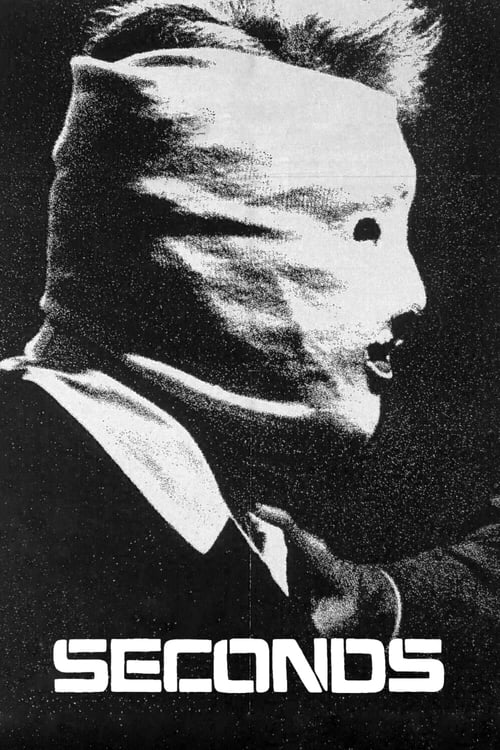
3. Seconds
John Frankenheimer’s *Seconds (1966)* is a chilling, paranoid sci-fi thriller about a disillusioned banker offered a new life through surgical transformation. But the fresh start quickly devolves into a nightmarish loss of identity, a stark critique of consumerism and corporate control, and a profound meditation on the futility of escaping oneself. Its stark black-and-white cinematography and Rock Hudson’s unsettling performance create a truly unsettling, existential experience that lingers long after the credits.

4. Wake in Fright
Ted Kotcheff’s *Wake in Fright (1971)* is a searing, sun-baked journey into the heart of Australian darkness. A schoolteacher, stranded in a remote outback town, succumbs to its boozy, violent, and deeply unsettling culture. This isn’t a monster movie; it’s a psychological horror where human degradation and toxic masculinity are the true beasts. Restored and rediscovered, its raw intensity and unflinching portrayal of societal decay make it a disturbing, yet essential, piece of cinema.

5. Memories of Murder
Before *Parasite*, Bong Joon-ho delivered *Memories of Murder (2003)*, a masterclass in true crime and character study. Set in 1980s South Korea, it follows two detectives investigating a series of brutal, unsolved murders, capturing the era's nascent investigative techniques and political turbulence. Bong meticulously crafts a tense, darkly humorous, and ultimately devastating narrative that grapples with incompetence, desperation, and the enduring frustration of injustice, culminating in one of cinema’s most haunting final shots.
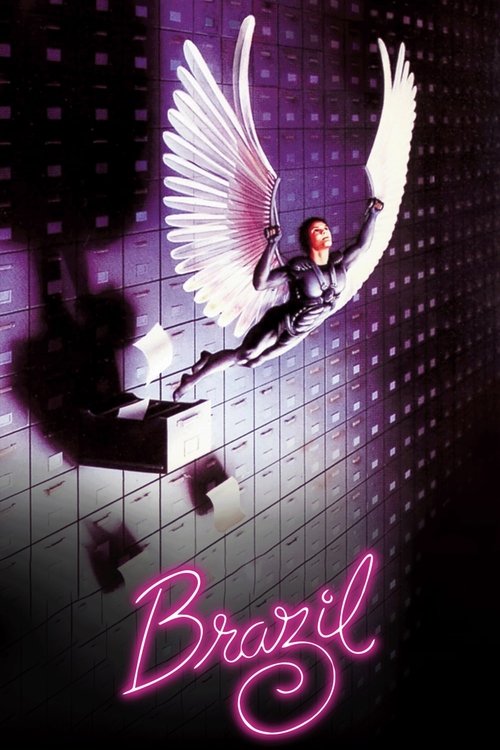
6. Brazil
Terry Gilliam’s *Brazil (1985)* is a visual and narrative marvel, a darkly comedic dystopian odyssey through a hopelessly bureaucratic future. Architect Sam Lowry attempts to correct an administrative error, only to find himself entangled in a surreal, suffocating world of ducts, paperwork, and oppressive systems. Gilliam's singular vision, blending elaborate set pieces with biting satire and moments of pure dream logic, creates an unforgettable, often maddening, but ultimately exhilarating critique of modern society.

7. Daisies
Věra Chytilová’s *Daisies (1966)* is a riotous, anarchic explosion of Czech New Wave cinema. Following two mischievous young women, Marie I and Marie II, who decide the world is spoiled, so they might as well be too, it’s a visually audacious, delightfully surreal, and defiantly feminist film. Its playful destruction of convention and patriarchal norms, through rapid-fire editing and vibrant color, remains as invigoratingly subversive and joyously chaotic today as it was half a century ago.
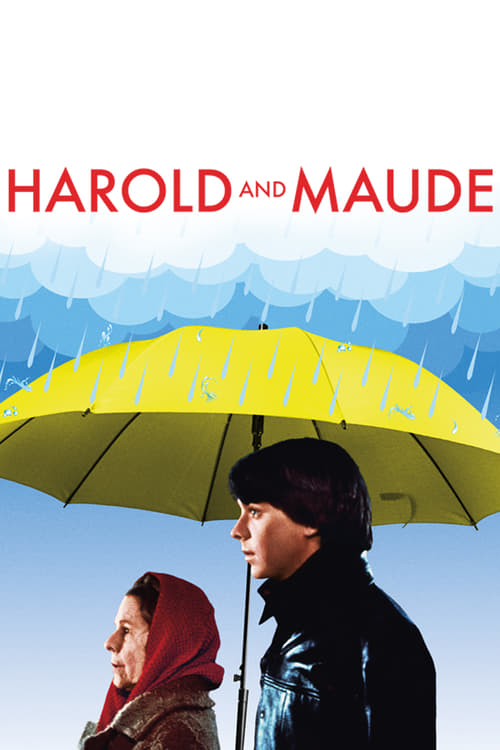
8. Harold and Maude
Hal Ashby’s *Harold and Maude (1971)* is a truly singular black comedy, a morbidly humorous romance between a death-obsessed young man and a life-affirming octogenarian. Their unconventional bond blossoms amidst funerals and mock suicides, challenging societal norms with disarming charm and wit. It’s a beautifully eccentric celebration of individuality, finding joy in unexpected places, and embracing life’s absurdities, all underscored by Cat Stevens’ iconic soundtrack. A deeply quirky, yet profoundly moving, experience.
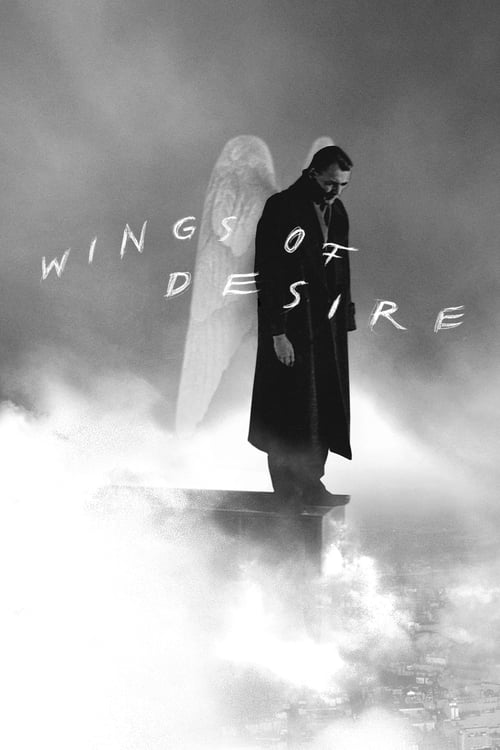
9. Wings of Desire
Wim Wenders’ *Wings of Desire (1987)* is a poetic, ethereal masterpiece set in a divided Berlin. Two angels, Damiel and Cassiel, observe humanity, listening to their thoughts and yearnings, invisible to all but children. One angel yearns for mortal experience—for taste, touch, and earthly love. Its breathtaking black-and-white cinematography, punctuated by bursts of color, and its profound meditation on human connection and existence, make it a uniquely contemplative and deeply moving film.
10. The Vanishing
George Sluizer’s *The Vanishing (1988)* is arguably one of the most unsettling psychological thrillers ever made, precisely because it isn't about *what* happened, but *how* and *why*. A man's girlfriend inexplicably disappears at a gas station, leading him on an obsessive, years-long quest to discover her fate. The film masterfully builds unbearable tension and dread, culminating in a shocking, unforgettable ending that truly preys on the audience’s deepest fears about human malevolence and obsessive curiosity.
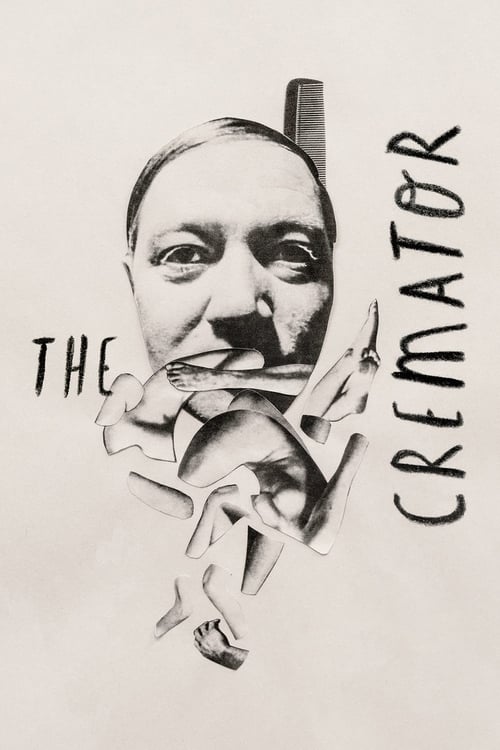
11. The Cremator
Juraj Herz's *The Cremator (1969)* is a chillingly unique Czech New Wave horror-comedy, following a seemingly genial cremator in 1930s Czechoslovakia whose descent into madness mirrors the rise of fascism. Karel Kopfrkingl, obsessed with death and purification, becomes increasingly twisted, rationalizing his horrifying actions with bizarre, pseudo-philosophical musings. Its grotesque humor, expressionistic visuals, and unsettling portrayal of complicity in atrocity make it a truly disturbing and unforgettable satire on totalitarianism.