
1 / 11
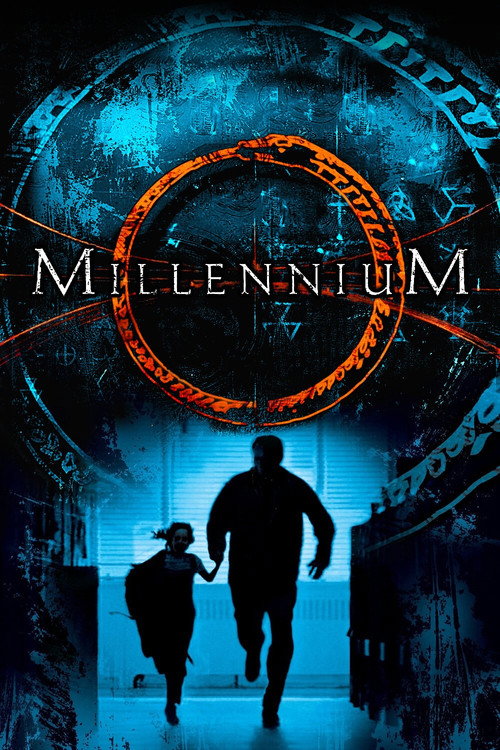
1. Millennium
This was *The X-Files'* darker, more disturbing cousin. Frank Black, a profiler seeing the world through the eyes of serial killers, brought a relentless, serialized grimness that felt genuinely adult. It pushed boundaries on network TV, digging into the psychological horror, and showed how deeply character-driven a procedural could get, laying groundwork for shows that weren't afraid to get seriously unsettling. This wasn't just monsters; it was the monster inside.
2 / 11
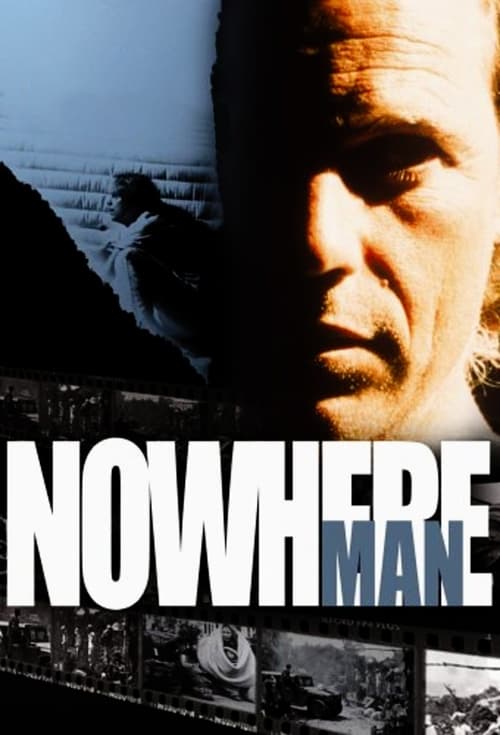
2. Nowhere Man
Talk about high-concept paranoia. A photographer wakes up to find his identity erased, his life stolen. This show leaned hard into serialized mystery when standalone episodes were still the norm, demanding viewers commit to a long-form puzzle. It was a cult favorite, a precursor to the 'what's really going on?' serialized thrillers that would dominate later cable schedules. Ahead of its time in its commitment to a central, baffling enigma.
3 / 11
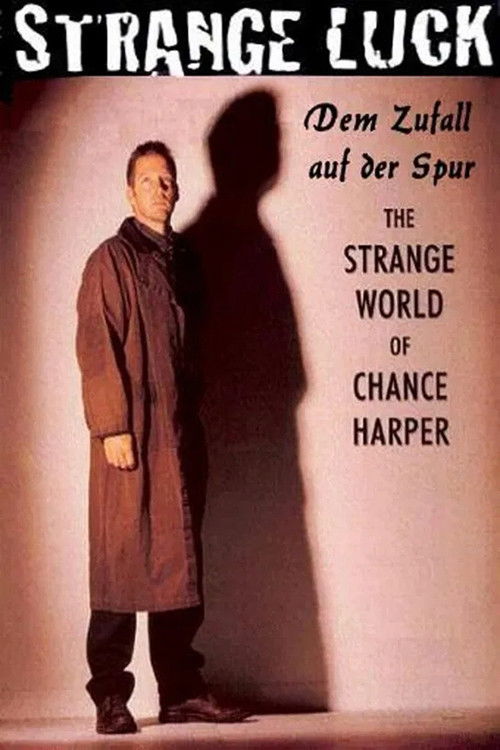
3. Strange Luck
A guy who experiences bizarre coincidences, always at the center of some larger, unseen pattern. This show had a philosophical bent, exploring fate and chance with an episodic yet interconnected feel. It dabbled in the idea of a grand design, offering a unique blend of procedural and existential drama. It was one of those shows that asked you to think a bit, not just consume, foreshadowing more cerebral network fare.
4 / 11
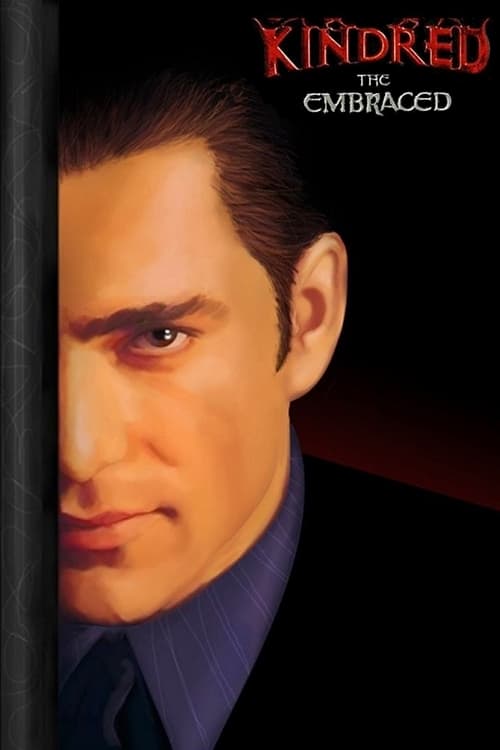
4. Kindred: The Embraced
Vampires in suits running San Francisco's underworld? This was a surprisingly sophisticated, serialized urban fantasy before it was cool. Adapted from the *Vampire: The Masquerade* RPG, it had intricate politics, morally grey characters, and a narrative web that felt more like a novel than network television. It proved genre could be smart and adult, even if it was gone too soon, influencing later serialized genre hits.
5 / 11
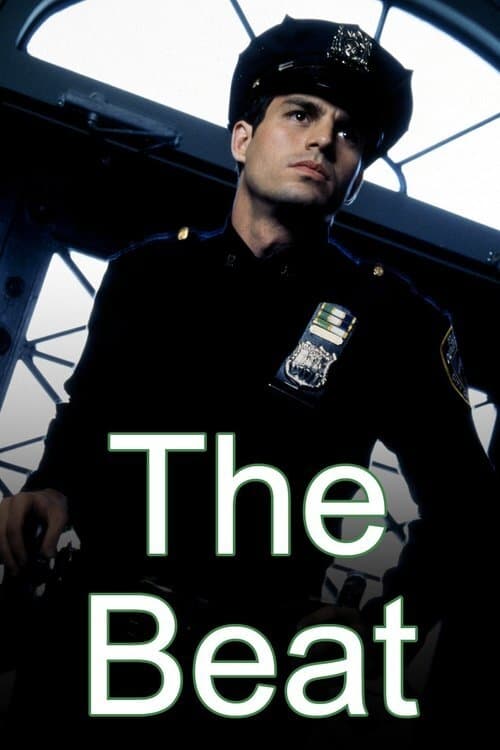
5. The Beat
From Tom Fontana and Barry Levinson, who brought us *Homicide* and *Oz*. This show, shot documentary-style, followed two NYPD officers. It was gritty, raw, and felt incredibly authentic, almost like a precursor to the mockumentary aesthetic hitting drama. The handheld cameras, the improvisation – it broke down the polished fourth wall of traditional cop shows, hinting at a more immediate, less stylized future for television.
6 / 11
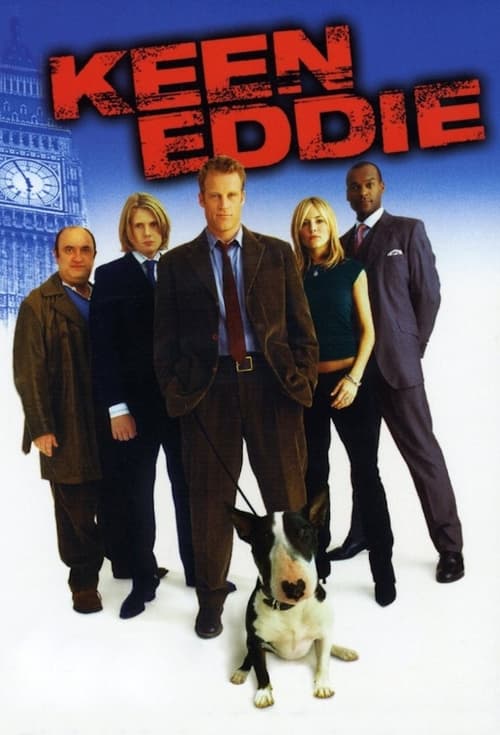
6. Keen Eddie
An American detective in London, a fish-out-of-water comedy-drama with style. What stood out was its cinematic production values and a genuine ensemble feel, even for a network show. It tried to bring that slick, film-like sheen to weekly television, pushing the visual boundaries. It was a stylish, transatlantic experiment that felt more like a movie stretched into episodes, right before that became the standard for prestige TV.
7 / 11
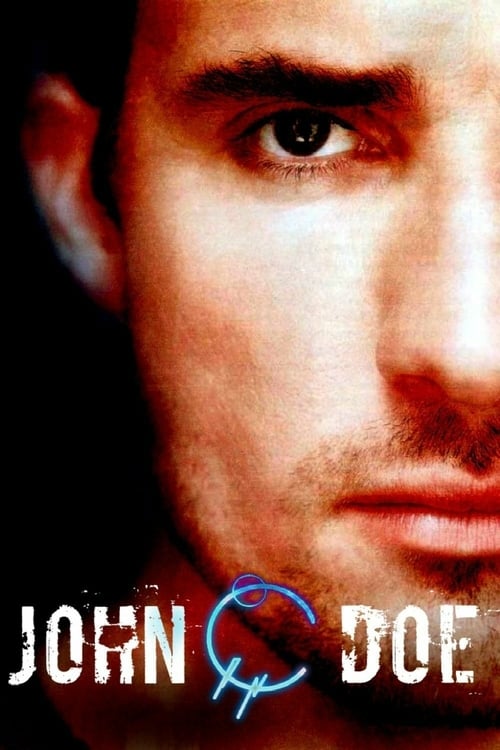
7. John Doe
A man wakes up with amnesia but knows everything else in the world, except his own identity. This was another high-concept, serialized mystery box show. It hooked you with a massive central enigma, doling out clues slowly across its run. It exemplified the kind of 'what if' premise that would later fuel streaming binges, proving audiences craved long-form puzzles over simple week-to-week resolutions, driving demand for dense narratives.
8 / 11
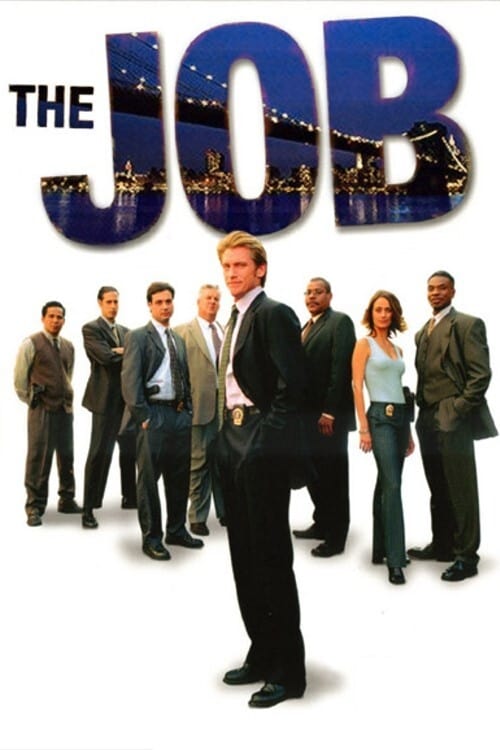
8. The Job
Denis Leary as a screwed-up NYPD detective. This was a dark comedy, brutally honest about addiction and personal failings within a serialized framework. It was raw, profane, and didn't pull punches, pushing the envelope for what a network could air. It had that cable attitude before cable truly dominated, showing that flawed, deeply human characters could anchor a compelling, ongoing narrative that didn't sugarcoat reality.
9 / 11
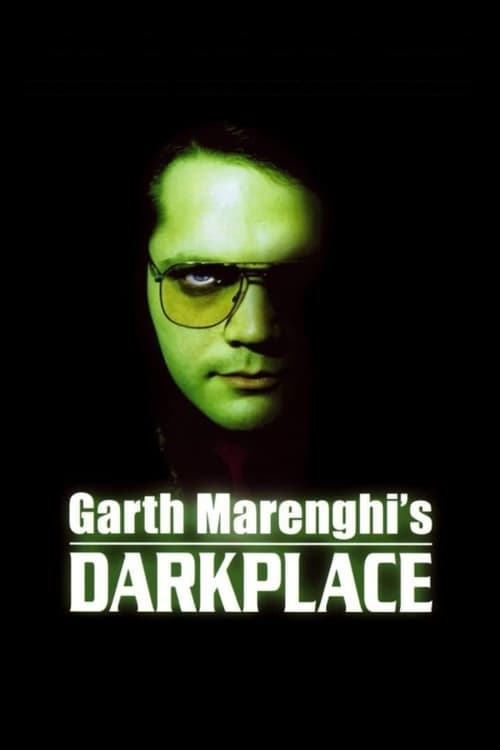
9. Garth Marenghi's Darkplace
A spoof of low-budget 80s horror, presented as a 'lost' masterpiece. This was pure mockumentary brilliance, skewering TV tropes with layers of meta-commentary. It wasn't just funny; it was smart, showing how self-aware television could be. It laid groundwork for the genre, proving humor could come from deconstructing the medium itself, paving the way for shows like *The Office* by validating the format's comedic potential.
10 / 11
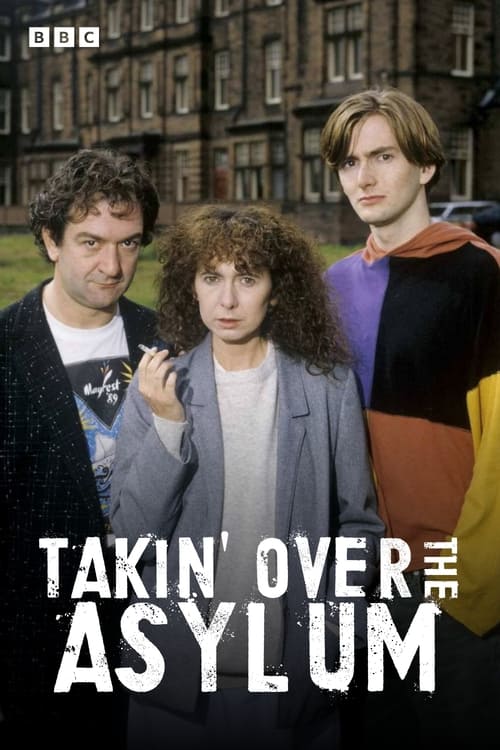
10. Takin' Over the Asylum
A Scottish DJ running a radio station in a psychiatric hospital. This British miniseries was an early masterclass in ensemble drama, focusing on deeply flawed, human characters finding connection. It was incredibly real, often heartbreaking, and showed how powerful serialized storytelling could be when it committed to character development over plot spectacle. A true gem, pushing TV into more emotionally resonant, character-driven territory.
11 / 11
11. The State
MTV's sketch comedy troupe brought surreal, irreverent humor that was unlike anything else on TV. They blended absurdism with sharp writing, showing how a tight ensemble could create a distinct comedic voice. It wasn't just sketches; it was a vibe, a precursor to the kind of alternative comedy that would later thrive on cable and eventually stream, demonstrating the power of a unique, unified comedic sensibility and breaking traditional formats.