
1 / 11

1. Blue Monday (Slowed)
Why mess with perfection? The original 'Blue Monday' was already a masterclass in synthetic propulsion, a testament to sequencers and drum machines pushing the limits of composition. This 'slowed' iteration merely dilutes the precise, anxious energy that made it essential. Its power lay in that relentless, almost clinical momentum, a coldwave harbinger. The sheer ingenuity of its LinnDrum programming and those definitive synth lines speaks volumes without this digital meddling.
2 / 11

2. My God My Rock
This 'My God My Rock'... I must admit, it doesn't immediately register within the established canon. If it's a contemporary piece, it lacks the raw, analogue edge or the sophisticated harmonic structures we sought in the 70s and 80s. The title suggests a certain spiritual earnestness, but without the gritty sonic exploration of post-punk or the rhythmic innovation of early rap, it feels somewhat... unanchored from the innovations that truly shaped modern sound.
3 / 11
3. The Funkytown 15
If this 'Funkytown 15' refers to the Lipps Inc. track, then we're talking about a quintessential late disco/early synth-pop crossover. That original groove, propelled by crisp hi-hats and a driving bassline, was undeniably infectious. It showcased the emerging capabilities of synthesizers to sculpt catchy melodic hooks, bridging the gap between disco's exuberance and the more streamlined sound of the nascent 80s. Any subsequent compilation merely rides on that foundational energy.
4 / 11
4. Trans-Europe Express (2009 Remaster)
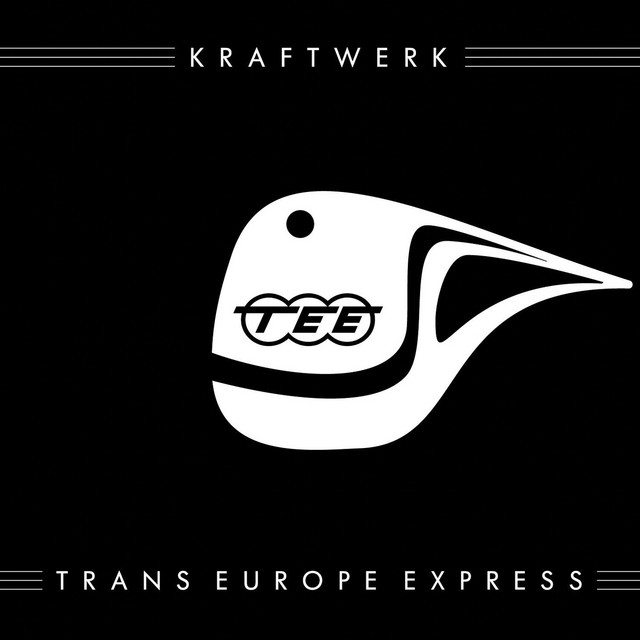
Kraftwerk's 'Trans-Europe Express' was epochal, a stark, meticulously crafted vision of the future built on modular synthesizers and custom electronics. Its rhythmic precision laid groundwork for entire genres, from techno to hip-hop. The '2009 Remaster' designation, though, raises an eyebrow. While digital restoration can preserve, the inherent warmth and subtle imperfections of the original analogue tapes, the very essence of its pre-digital genesis, are what truly define its monumental impact.
5 / 11
5. The Message
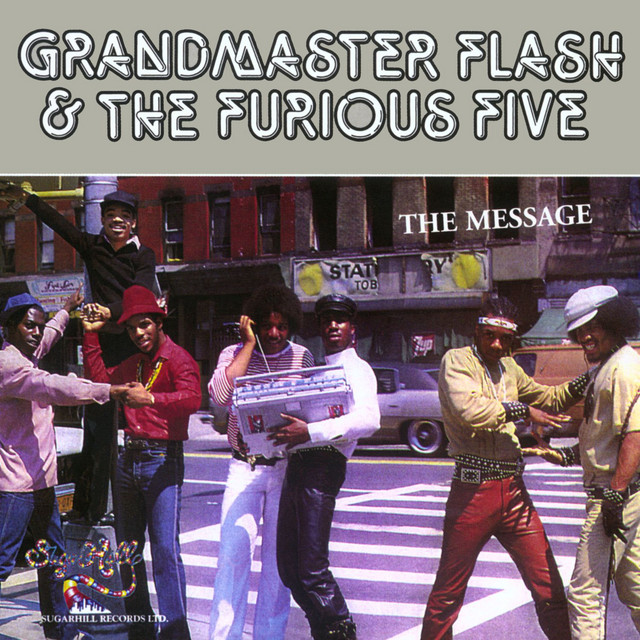
Grandmaster Flash and the Furious Five's 'The Message' wasn't just a record; it was a societal seismograph. Its stark, synthesized beats and uncompromising lyrical narrative carved out a new space for social commentary within popular music. The stripped-down drum machine patterns, devoid of excessive embellishment, provided the perfect, bleak backdrop for Melle Mel's urgent delivery. It fundamentally redefined what rhythmic patterns could convey, pushing early rap beyond party anthems.
6 / 11

6. 300: Rise of an Empire (Original Motion Picture Soundtrack)
A motion picture soundtrack, particularly one for a film titled '300: Rise of an Empire,' falls distinctly outside the rhythmic and harmonic innovations I typically dissect. My focus lies in the tangible, tactile artistry of pre-digital studio craft—the mic placement, the tape saturation, the live interplay. Contemporary orchestral scores, often heavily reliant on digital rendering and sample libraries, inhabit a fundamentally different sonic universe, lacking that raw, immediate presence.
7 / 11

7. it feels like dying
This 'it feels like dying' is an unfamiliar title. If it's a recent composition, it likely employs production techniques and sonic palettes that diverge considerably from the era of tangible tape and discrete console components. True darkwave or coldwave, in its prime, derived its melancholic power from specific synthesizer textures and drum machine arrangements, crafted with an intentional austerity that is often lost in more contemporary, overly processed digital productions.
8 / 11

8. bela lugosi's dead (demo)
The demo version of 'Bela Lugosi's Dead' offers a stark, unvarnished glimpse into the genesis of a gothic masterpiece. Even in this embryonic form, the skeletal guitar harmonics, that iconic bassline, and the primal drum machine throb established an unparalleled atmosphere of dread and allure. It's a testament to how crucial raw creative vision, even with limited pre-digital studio resources, could conjure such profound, darkwave-defining soundscapes, long before polish.
9 / 11
9. Good Times! (Deluxe Edition)
Chic's 'Good Times' is an undeniable pillar of disco, its groove a masterclass in tight rhythmic interplay. Bernard Edwards' bassline, a pure, unadulterated funk engine, and Nile Rodgers' precision guitar chords created an irresistible foundation. The 'Deluxe Edition' aspect is secondary; the original recording, captured with meticulous pre-digital studio engineering, was already a blueprint for rhythmic sophistication. Its influence on early rap and house is simply incalculable.
10 / 11
10. Can You Feel It
The Jacksons' 'Can You Feel It' is an absolute triumph of orchestrated funk and post-disco grandeur. Its soaring vocals, dynamic horn arrangements, and a rhythm section that locked into an almost spiritual propulsion demonstrated the peak of sophisticated studio production of the era. The sheer ambition of its arrangement, meticulously layered in a pre-digital environment, created an expansive, uplifting sound that transcended mere dance music, pointing towards future soul and pop.
11 / 11

11. The Great Commandment
Camouflage's 'The Great Commandment' exemplified the sleek, meticulously programmed synth-pop that defined the late 80s. Its cool, detached vocals gliding over precise, often melancholic synthesizer melodies and crisp drum machine patterns showcased a meticulous approach to electronic composition. The track’s success relied on the careful layering of analogue and early digital synth textures, creating a polished, yet emotionally resonant, soundscape entirely within the pre-digital studio ethos.