
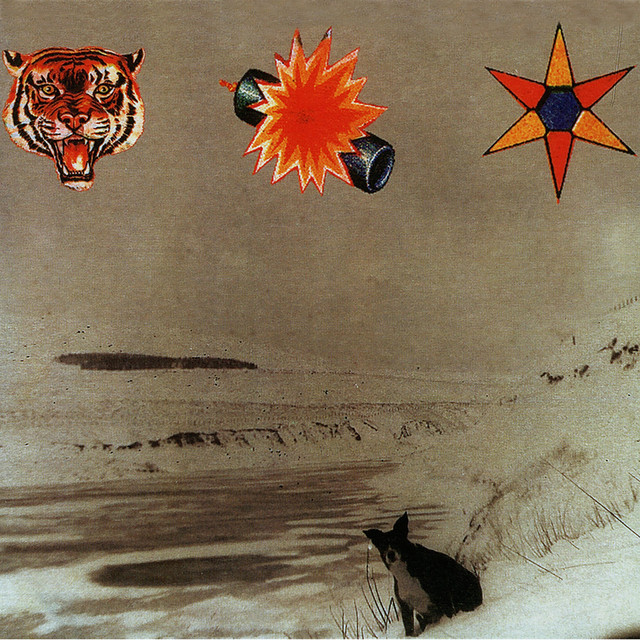
1. The Three E.P.'s
The Beta Band’s 'The Three E.P.'s' felt like a secret handshake in the late 90s. It wasn't just a collection; it was a journey through lo-fi folk, psychedelic electronica, and moments of pure, blissful sonic weirdness. You could hear the tape hiss, the digital glitches, and the raw, unpolished genius blending into something truly original. It spoke to a generation tired of polished pop, craving something authentic yet deeply experimental. For many, this was the sound of discovery.
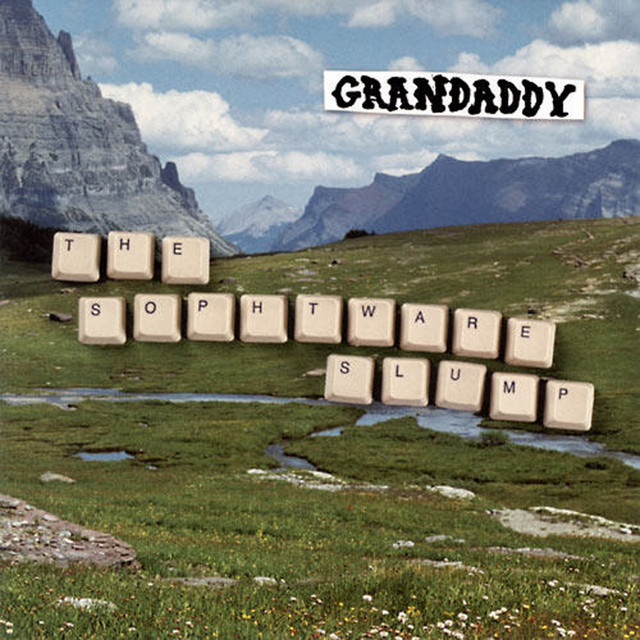
2. The Sophtware Slump
Grandaddy’s 'The Sophtware Slump' arrived like a melancholic dispatch from a forgotten corner of the internet, a wistful ode to obsolete technology and human isolation. Jason Lytle crafted these beautiful, fragile indie-rock songs, swaddling them in buzzing synths and digital decay. It captured that unique 2000s anxiety about progress, the quiet fear of being left behind by an ever-accelerating world. The album felt deeply personal, yet universally understood by anyone grappling with the growing digital divide.
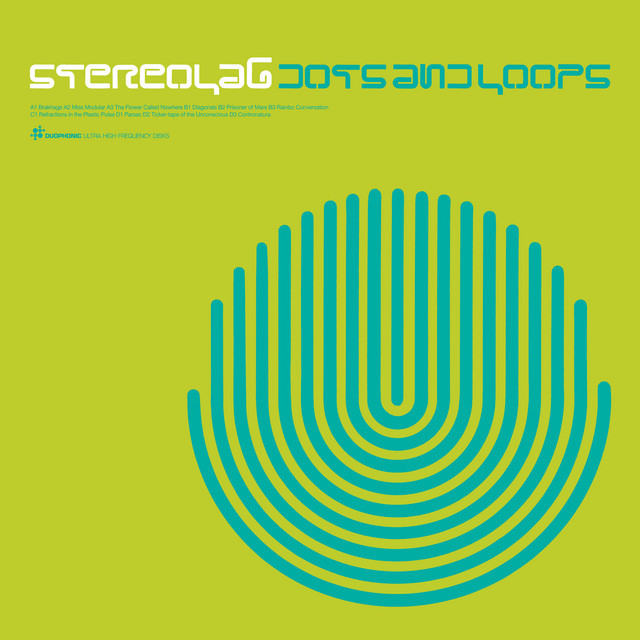
3. Dots And Loops (Expanded Edition)
Stereolab always felt like the smartest kids in the room, and 'Dots And Loops' is peak intellectual pop. The expanded edition just gives us more to luxuriate in. It was this intricate tapestry of motorik beats, bossa nova cool, and those signature dual vocals, all filtered through a meticulously crafted electronic lens. The production felt futuristic then, a seamless blend of analog warmth and digital precision, proving that experimental music could be both cerebral and effortlessly chic. It was a whole vibe.
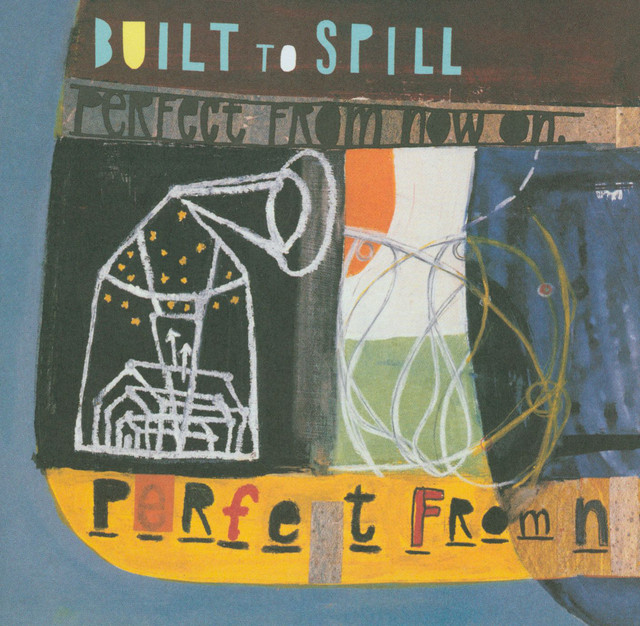
4. Perfect from Now On
Built to Spill’s 'Perfect from Now On' was the kind of album you got lost in, a sprawling, guitar-hero epic that still felt deeply personal. Doug Martsch’s intricate, winding guitar lines were never just showboating; they were narratives in themselves, weaving through these expansive indie-rock compositions. It had this incredible sense of space, like each note was given room to breathe and resonate. For many, this was the quintessential 'driving alone at night, contemplating everything' record of the late 90s.

5. The White Birch
Codeine’s 'The White Birch' was less an album and more a creeping existential dread set to music. It’s slowcore at its most refined, each deliberate note echoing in vast, empty spaces. The guitar tones were drenched in a beautiful, almost painful melancholy, and the vocals felt like whispers from a distant, fading memory. This wasn't about digital trickery; it was about the profound emotional weight a few perfectly placed, glacially paced sounds could carry. It just hit different, a true masterclass in restraint.
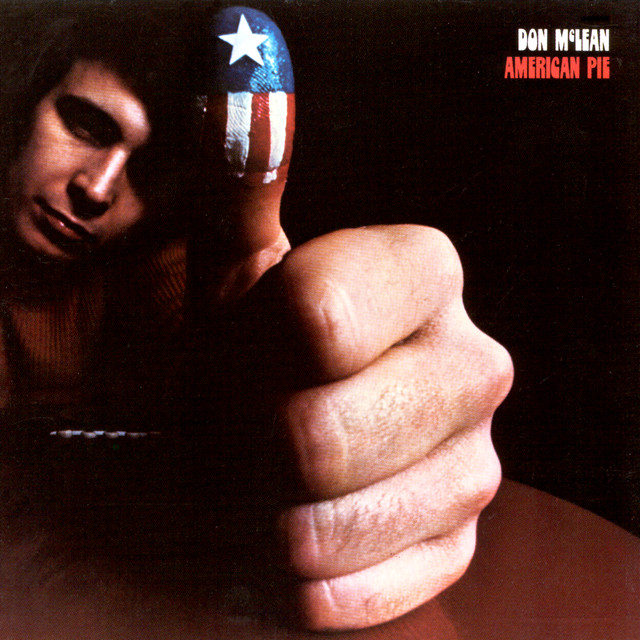
6. American Pie
Don McLean’s 'American Pie,' though far predating the digital boom, became a cultural touchstone that spanned generations, finding new life and interpretation through the burgeoning internet. Its sprawling narrative, detailing the death of rock and roll, felt particularly poignant as music itself fragmented into countless digital genres. We debated its metaphors in early online forums, shared its lyrics on GeoCities pages. It stood as a powerful analog ghost in a rapidly digitizing world, a reminder of music’s enduring storytelling power.

7. Come On Die Young
Mogwai’s 'Come On Die Young' wasn't just post-rock; it was a masterclass in tension and release, a slow-burn epic that felt both immensely heavy and strangely delicate. The guitars here weren't about flashy solos but about crafting vast, emotional soundscapes, building layers of feedback and melody into something truly monolithic. It’s the kind of album you put on when the world feels overwhelming, letting its deep, resonant frequencies wash over you. A defining moment for instrumental rock in the 90s.
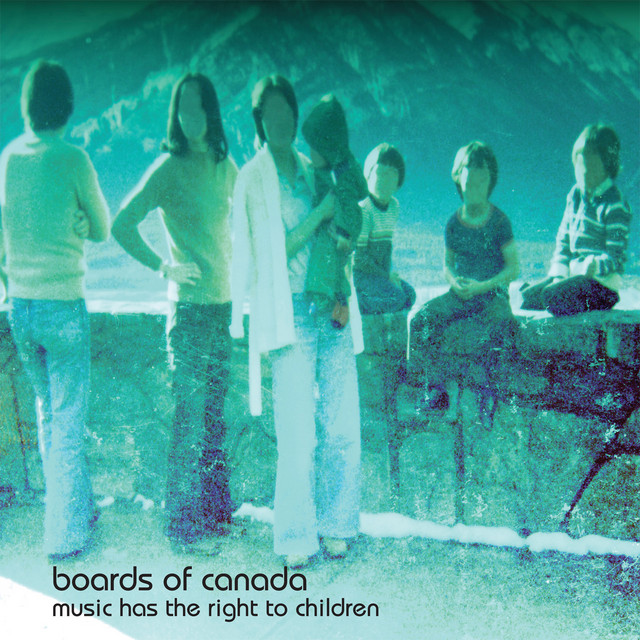
8. Music Has The Right To Children
Boards of Canada’s 'Music Has The Right To Children' wasn't just an album; it was a portal to a forgotten childhood, filtered through hazy VHS static and dusty analog synths. This was IDM that felt intensely personal, evoking a potent, almost uncanny nostalgia for memories that might not even be yours. Their meticulous use of samples, buried voices, and those signature warped melodies created a singular, dreamlike atmosphere. It truly defined a certain corner of electronic music, a sound that's still instantly recognizable.
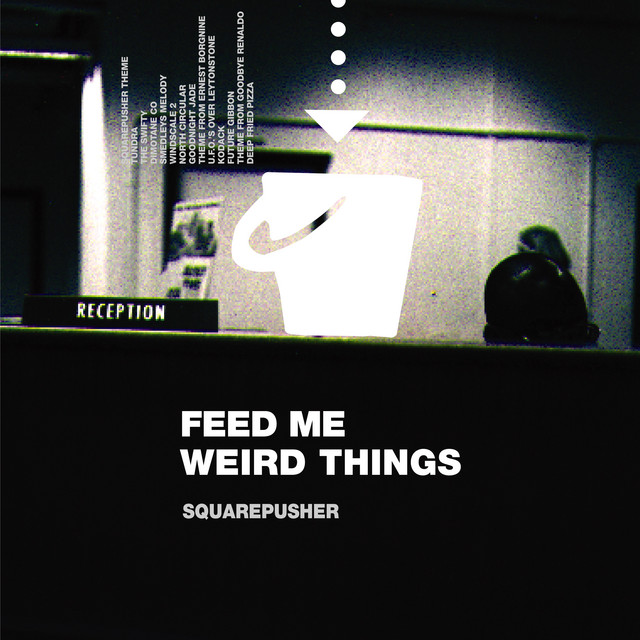
9. Feed Me Weird Things (Remastered)
Squarepusher’s 'Feed Me Weird Things,' especially in its remastered glory, remains a thrilling, almost violent collision of jazz fusion and breakneck drum and bass. Tom Jenkinson’s virtuosity on bass guitar, twisted through glitched-out electronics, felt utterly groundbreaking. It was frantic, complex, and sometimes jarring, yet always exhilarating, pushing the boundaries of what electronic music could be. This wasn't background chill; it was an intense, cerebral workout for your ears, demanding attention with every frenetic beat.
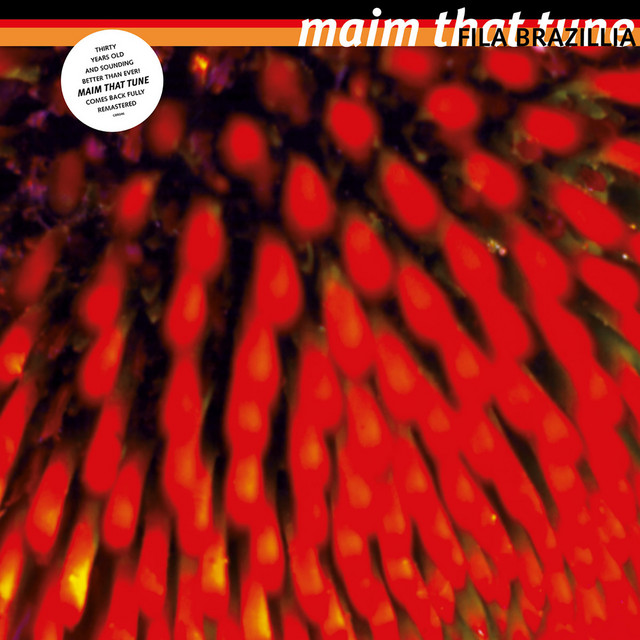
10. Maim That Tune (2025 30th Anniversary Remaster)
If 'Maim That Tune,' in its hypothetical 2025 30th Anniversary Remaster, truly captured the mid-90s math-rock explosion, it would have been a visceral thrill. Imagine intricate, stop-start guitar riffs colliding with impossibly precise drumming, a dizzying display of technical prowess that felt both cerebral and intensely physical. This sound, emerging from the post-hardcore scene, eschewed traditional song structures for pure rhythmic and melodic complexity. It was music for musicians, pushing the boundaries of what guitars and drums could achieve, a digital-era puzzle for your ears.
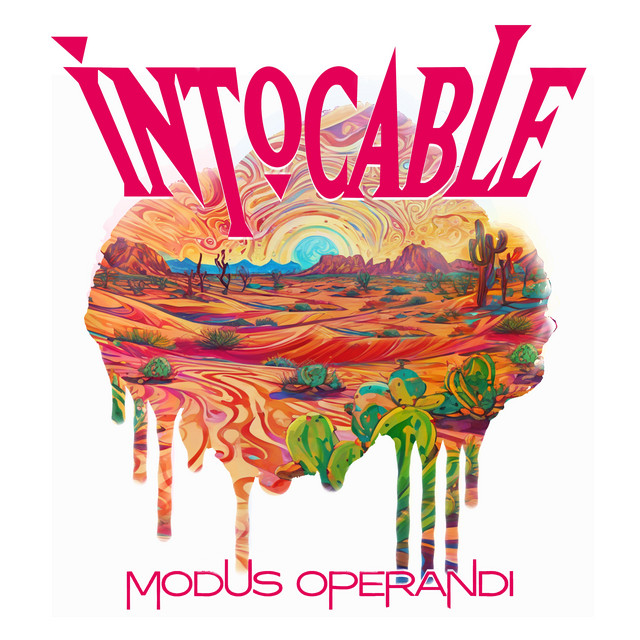
11. Modus Operandi
Photek’s 'Modus Operandi' was jungle refined, elevated to an art form that felt both futuristic and deeply organic. It wasn't just about breakbeats; it was about the intricate, almost scientific layering of percussion, infused with deep basslines and atmospheric textures. This album proved drum and bass could be incredibly complex, cinematic even, demanding focused listening rather than just frantic dancing. It pushed the genre into more intellectual territory, a truly seminal work that still sounds remarkably fresh and innovative today.