

1. Today!
Gary Stewart’s "Today!" from 1975 is gut-bucket honky-tonk, pure and unadulterated. He sings like he’s lived every hard line, his voice a raw, trembling instrument steeped in the blues of a Saturday night. It’s got that classic Nashville sound but with a distinct, almost punk-rock urgency beneath the steel guitar. This isn't polished country; it's the gritty, heartbroken truth that echoes through the barroom, a foundational scream of vulnerability.
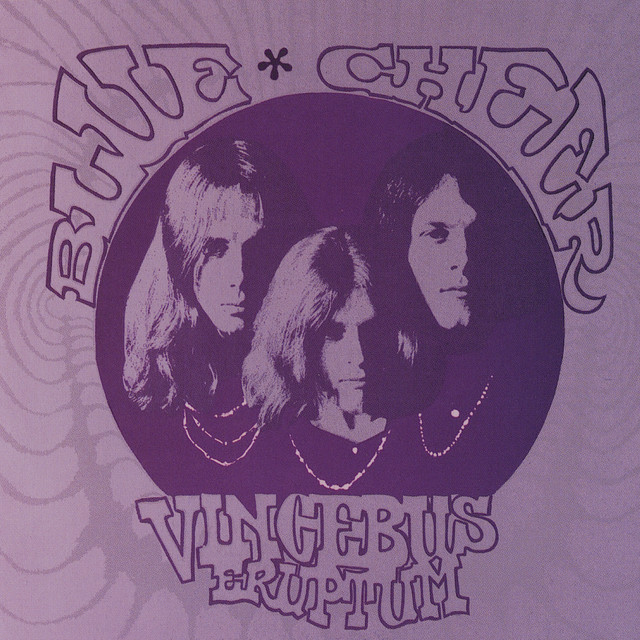
2. Vincebus Eruptum
Before metal knew its own name, there was Blue Cheer's *Vincebus Eruptum*. This 1968 beast wasn't just loud; it was an electric blues explosion, a feedback-drenched, primal assault. They took the swagger of the Chicago blues and fed it through an industrial-grade shredder, pushing amplification to absurd limits. It’s a pure, unrefined surge of power, laying the sonic groundwork for every heavy riff that followed. A chaotic, essential rupture.

3. Volunteered Slavery
Rahsaan Roland Kirk’s 1969 masterpiece, *Volunteered Slavery*, is a spiritual jazz sermon delivered with a fierce, experimental zeal. Kirk, a multi-instrumental force, wove together gospel shouts, blues cries, and avant-garde explorations into a cohesive, liberating statement. It's a challenging listen, yet deeply soulful, pushing the boundaries of what jazz could be while staying rooted in the Black American experience. A vital, expansive howl for freedom.
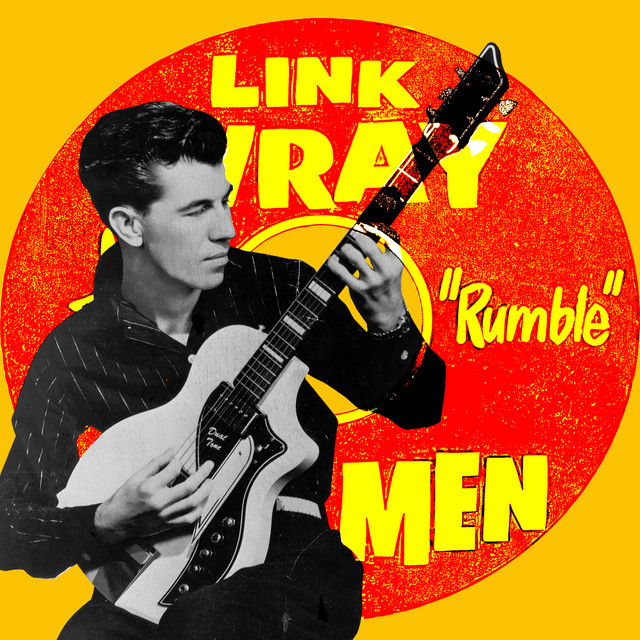
4. Link, Vernon and Doug
Link Wray’s "Link, Vernon and Doug" from 1965 is a masterclass in instrumental menace. Wray’s guitar work here is raw, dirty, and utterly stripped down, pioneering the distorted, snarling sound that would fuel garage rock and punk. It’s pure visceral electricity, a short, sharp shock that bypasses pleasantries for direct, aggressive cool. No vocals needed; the guitar does all the talking, laying down a blueprint for rock’s darker side.

5. Bette Davis Eyes
Kim Carnes' 1981 hit, "Bette Davis Eyes," arrived with a smoky, synth-driven cool that defined early '80s pop. Her voice, a gravelly whisper, gave the track an undeniable edge, a world-weary sophistication that set it apart from typical radio fare. It blends new wave's detached allure with a soulful, bluesy undertone, creating a sound both modern and timeless. A slick, knowing nod to the decade's new sonic landscape.
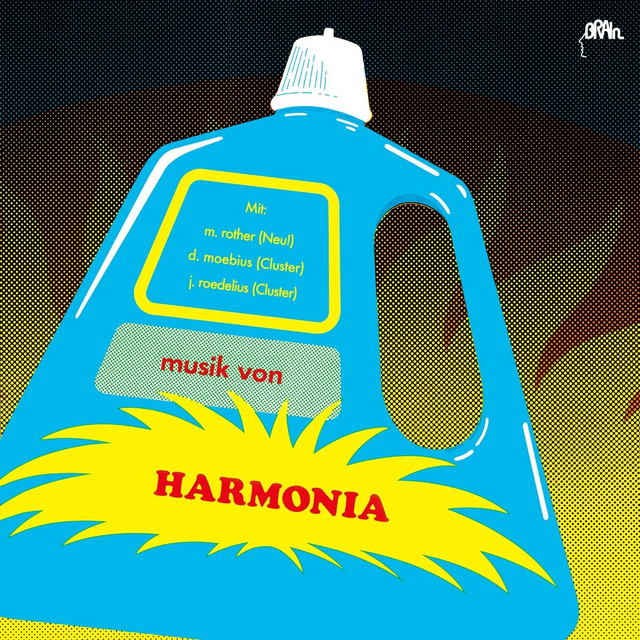
6. Musik von Harmonia
Harmonia’s *Musik von Harmonia* (1974) is essential Krautrock, a shimmering, hypnotic journey into early electronic minimalism. With its pulsing motorik rhythms and shimmering synth textures, it built vast, atmospheric soundscapes that felt both organic and utterly alien. This wasn't just background music; it was a blueprint for ambient and electronic genres, proving that repetition could be a profound form of expression. A quiet revolution in sound.
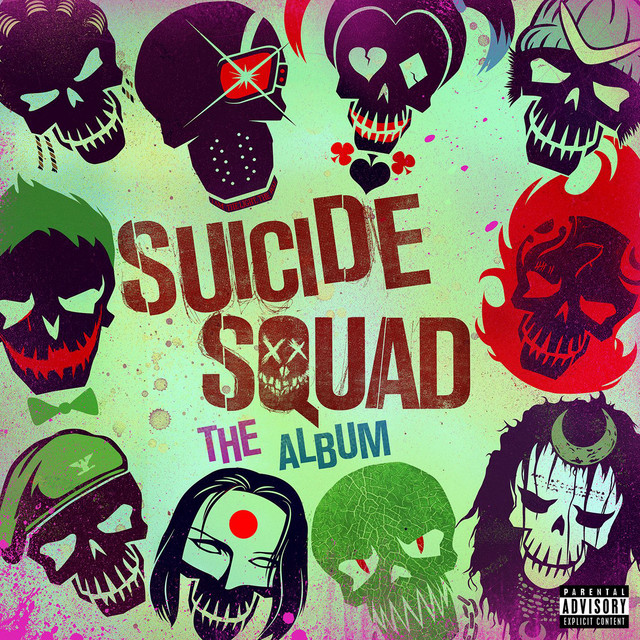
7. Suicide Squad: The Album
The notion of "The Album" has certainly shifted. Consider the modern blockbuster soundtrack like *Suicide Squad: The Album*. It’s less a singular artistic statement and more a curated playlist, a collection of disparate tracks hammered together for commercial synergy. Where classic albums forged a cohesive world, these often feel like a marketing exercise. They reflect a fragmented listening culture, far removed from the singular visions that once defined rock or soul LPs.

8. Real Life
Magazine’s 1978 debut, *Real Life*, was a sharp turn from punk's primal scream, injecting intellect and art-school angularity into the nascent post-punk scene. Howard Devoto's biting lyrics and distinctive vocal delivery, paired with John McGeoch's innovative guitar, created a sound that was sophisticated, cynical, and utterly compelling. It wasn't just noise; it was thought, dressed in stark, urban textures, sketching a future for intelligent rock.

9. Buy U
"Buy U." It's a title that, even without an artist, screams a specific kind of late '70s, early '80s cynicism. Imagine it as a minimalist, industrial-tinged track, a stark, repetitive chant dissecting consumer culture. It’s the sound of a cold, calculating machine, echoing the early experiments of industrial music and post-punk's biting social commentary. A short, sharp shock, like a commercial jingle turned dystopian warning.
10. CUTE (Slowed)
Then there's the modern phenomenon of "CUTE (Slowed)." It's a digital manipulation, a recontextualization that strips away the original intent, often reducing a track to atmospheric sludge. From the perspective of records built on raw performance and deliberate dynamics, this feels like sonic necrophilia. It’s less creation, more alteration, a symptom of an era where context and authorial intent are secondary to algorithmic mood-setting.
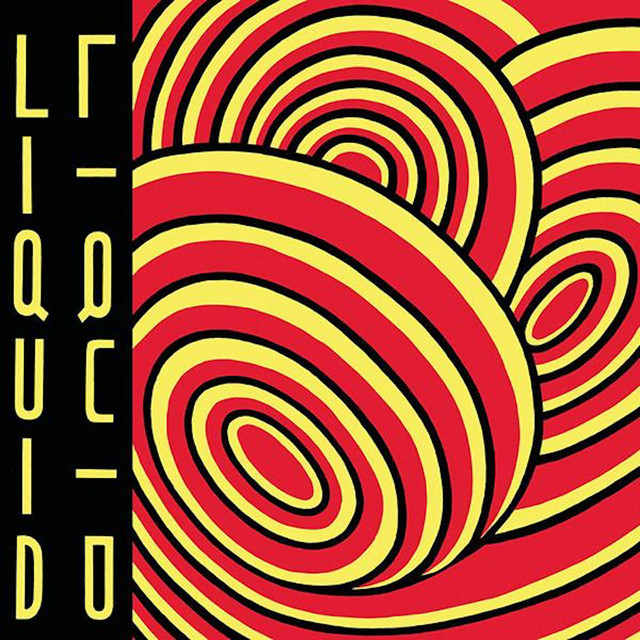
11. Optimo
Liquid Liquid’s "Optimo" from 1983 is a foundational slice of no wave funk and dance-punk. Its minimalist, propulsive groove, driven by a tight rhythm section and sparse, percussive instrumentation, cut through the mainstream. This track was pure underground electricity, meant for sweat-soaked club floors, proving that funk could be angular and avant-garde. It’s a rhythmic, hypnotic blueprint for future dance music, stripped down to its essential, undeniable pulse.