1. Max Headroom
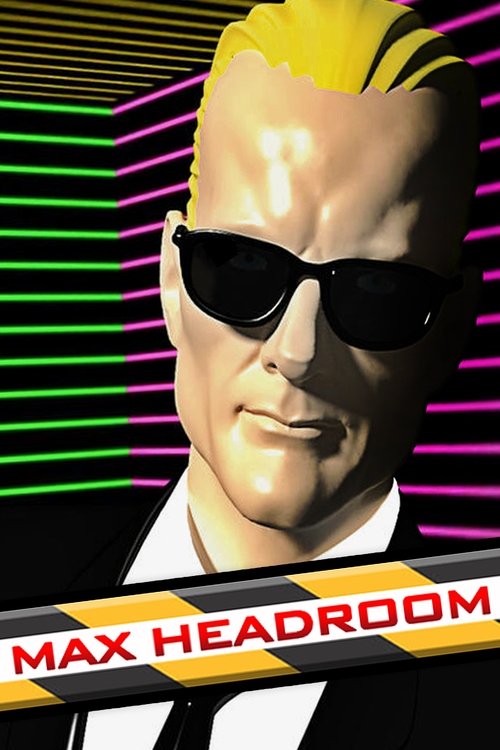
Max Headroom wasn't just a character; he *was* the glitch, the digital ghost in the machine. This show was pure, neon-soaked cyberpunk before most even knew the word. It predicted a world drowning in media noise and corporate greed, all wrapped in jarring video effects and that signature stuttering. It felt like channel surfing through a nightmare, a proto-internet fever dream broadcast directly into your brain. Definitely ahead of its time, and still feels like a transmission from another dimension.
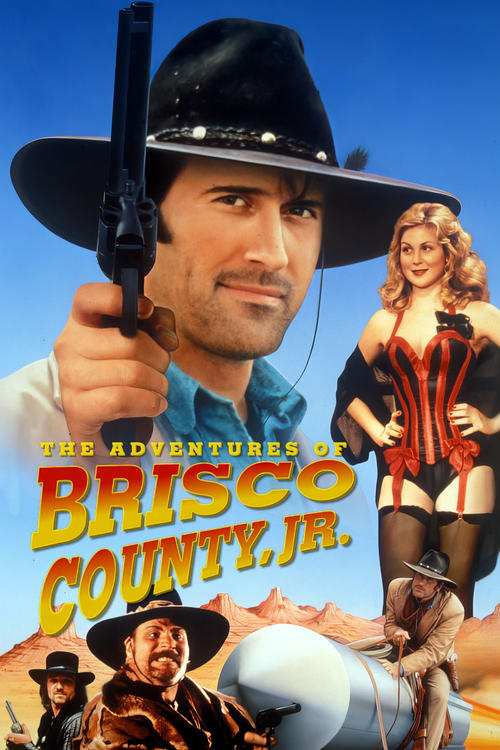
2. The Adventures of Brisco County, Jr.
Bruce Campbell as a Harvard-educated bounty hunter in the Old West, chasing a mysterious orb? This show was a glorious, impossible mash-up. It mixed dusty western tropes with rayguns and steampunk tech, but never took itself too seriously. It had that syndicated charm, a low-budget sheen that just added to its offbeat appeal. A true proto-genre hybrid, it crashed and burned too fast, but left behind a cult following for its sheer, unadulterated pulp weirdness.
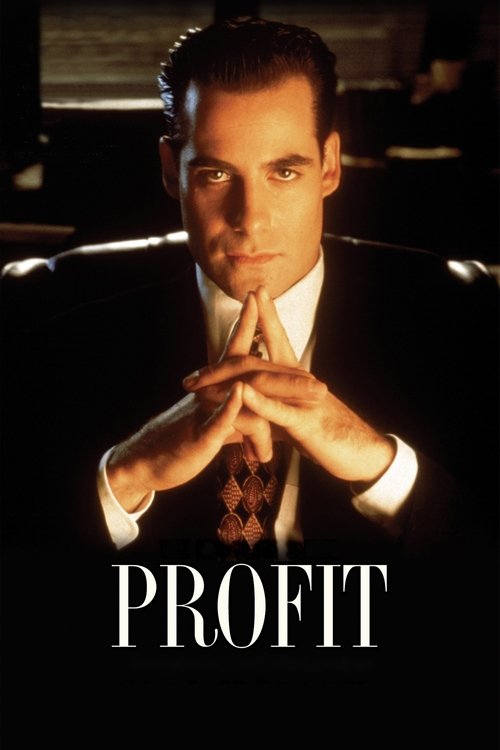
3. Profit
Profit was so utterly cynical and dark, it made other 'edgy' shows look like Saturday morning cartoons. Jim Profit, the ultimate corporate sociopath, climbed the ladder with zero moral compass, all while breaking the fourth wall. It was slick, unsettling, and just too much for primetime in '96. The show was a brutal, unflinching look at ambition, wrapped in a glossy, almost disturbing aesthetic. A true cult gem that proved just how much network TV could get away with, briefly.
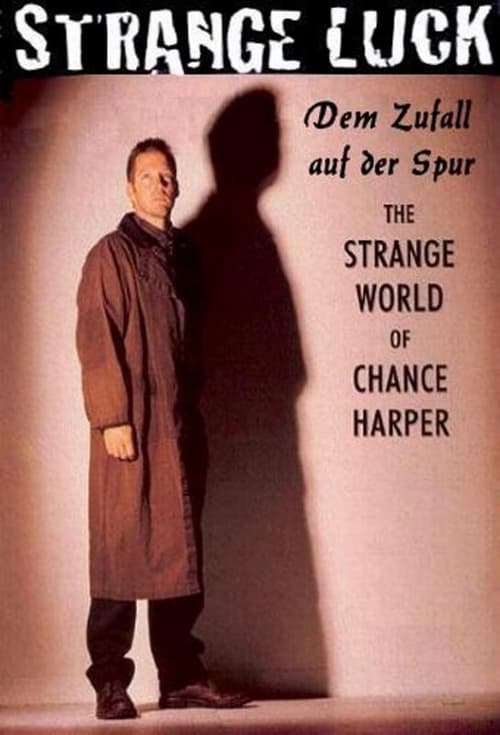
4. Strange Luck
D.B. Sweeney's character, Chance Harper, was constantly caught in the whims of fate, where every random event was connected in some cosmic way. It was a moody, atmospheric show that played with the idea of chaos theory long before it became a pop culture cliché. Each episode felt like a strange short story, almost an anthology, with a persistent underlying mystery about his past. It had a quiet, unsettling vibe, like you were peering into the universe's unpredictable mechanics.
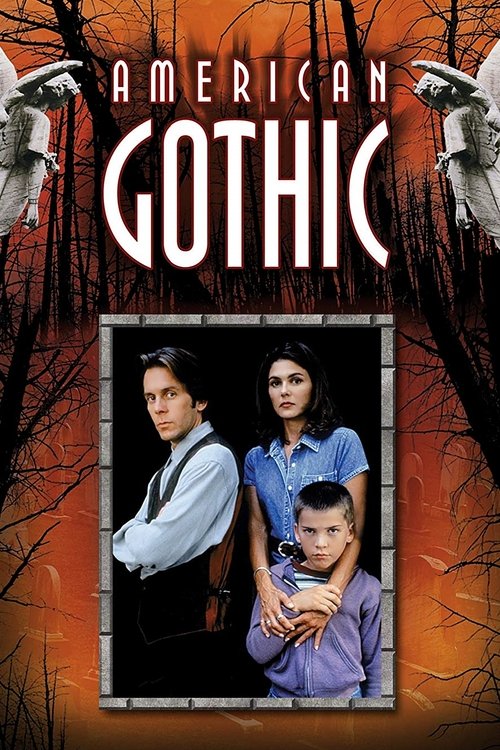
5. American Gothic
This show was pure, unadulterated Southern Gothic dread. Sheriff Lucas Buck, played with chilling precision by Gary Cole, was the personification of evil in a small, cursed town. It had that distinct mid-90s network horror vibe, full of dark secrets, supernatural twists, and a pervasive sense of corruption. Sam Raimi's touch gave it a twisted, almost comic book feel at times, but the horror was always genuine, seeping into every frame. Bleak, unsettling, and unforgettable.
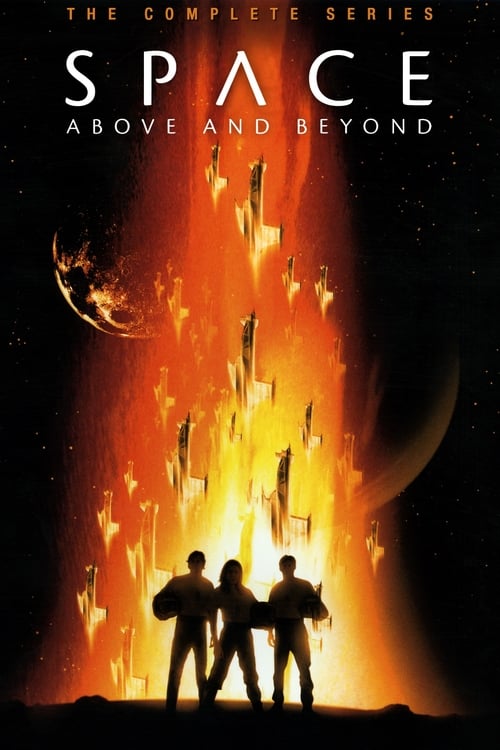
6. Space: Above and Beyond
Before *Battlestar Galactica* redefined gritty space opera, there was *Space: Above and Beyond*. This wasn't shiny, optimistic sci-fi; it was a brutal, no-nonsense look at a future war against alien 'Chigs'. The practical effects for the ships and explosions were solid, giving it a tangible, war-torn feel. It explored themes of prejudice, PTSD, and the horrors of combat in a way few other shows dared. A dark, intense ride that deserved more seasons.
7. V
The original *V* miniseries was a cultural phenomenon, a chilling allegory of fascism dressed up as sci-fi spectacle. Those iconic Visitor uniforms and the unsettling reveal of their true reptilian forms burned into the collective consciousness. It was soap-operatic in its drama, but grounded in genuinely terrifying practical effects and a sense of impending doom. The scope was huge for TV, a true event that proved sci-fi could be both entertaining and deeply provocative.
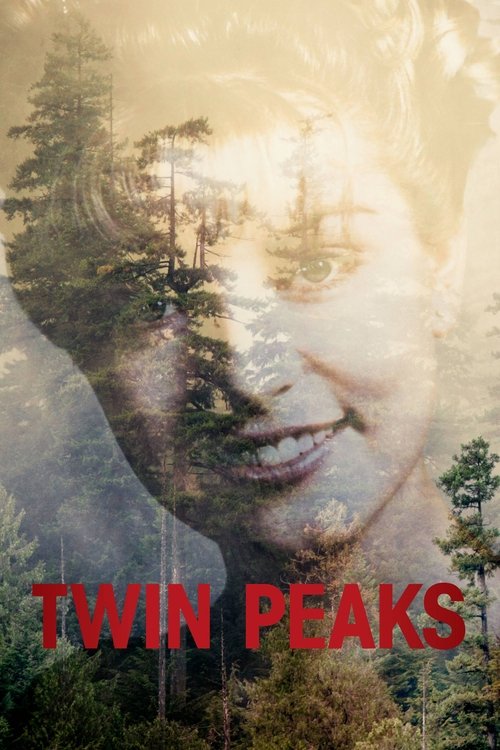
8. Twin Peaks
*Twin Peaks* wasn't just a show; it was an experience. David Lynch and Mark Frost blew up the procedural drama, infusing it with dream logic, unsettling surrealism, and a cast of characters stranger than fiction. The small-town aesthetic hid a profound darkness, all filtered through a hazy, almost psychedelic lens. It changed television forever, proving that network shows could be art, could be weird, and could leave you endlessly pondering cryptic clues.
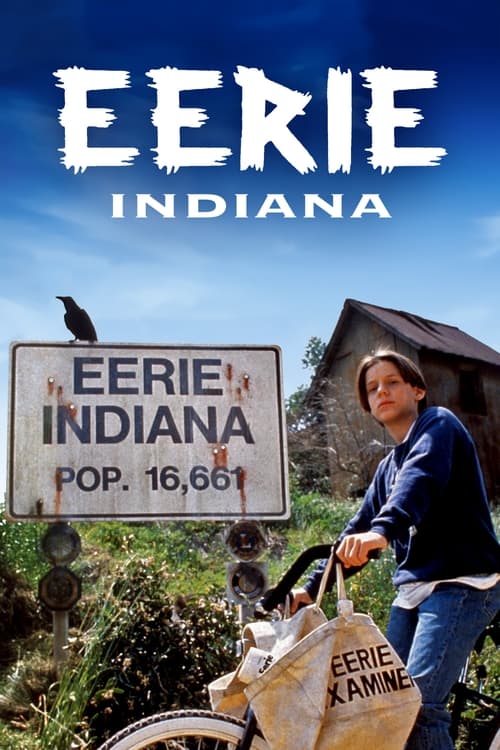
9. Eerie, Indiana
*Eerie, Indiana* was *The Twilight Zone* for the grunge generation, a perfect blend of suburban banality and outright surreal horror. Every episode introduced a new, bizarre phenomenon – Elvis living next door, plastic-wrapped families, sentient trash. It had a distinctly analog, almost handmade feel to its oddities, making the strange even stranger. This show tapped into that childhood fear that maybe, just maybe, your hometown wasn't quite right.

10. The Critic
"It stinks!" Jay Sherman, the perpetually miserable film critic, was the perfect animated avatar for cynical 90s humor. This show was a sharp, rapid-fire satire of Hollywood, pop culture, and the very act of criticism itself. Its animation had that distinct early-Simpsons era charm, but its wit was far more biting and niche. It was smart, hilarious, and maybe just too self-aware for a broader audience, becoming a beloved cult classic for those who got the jokes.

11. VR.5
*VR.5* was a fever dream of mid-90s cyberspace. A hacker discovers she can access a virtual reality where she manipulates people's subconscious minds, blurring the lines between digital and actual. It was dark, moody, and full of proto-cyberpunk aesthetics, with a haunting score and a pervasive sense of paranoia. The show tried to be *The X-Files* meets *The Matrix* before *The Matrix* even existed, and for its ambition and weirdness, it deserves a second look.