


1. Blue Monk
Forget the Hollywood gloss; this is the raw, primal throb of Suicide. Alan Vega’s sneer over Martin Rev’s skeletal electronics and drum machine pulse. It’s industrial minimalism before the term was even fully etched, a relentless, almost trance-like assault. This ain't for pleasant drives; it's for when the sun dips, and the world starts to feel a little dangerous, a little more real, like a forgotten highway at dusk.
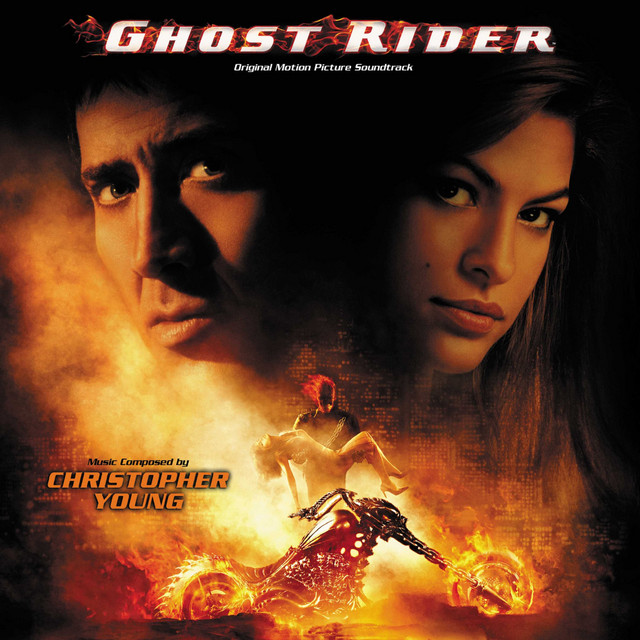
2. Ghost Rider (Original Motion Picture Soundtrack)
Before it became a karaoke staple, this was a profound, almost liturgical blues. Cohen’s gravelly baritone, the sparse arrangement—it’s a testament to human frailty and fleeting grace. It’s not about redemption in the traditional sense, but the quiet, often painful acknowledgment of desire and doubt. A hymn for the disillusioned, a quiet storm of gospel-tinged melancholy. This one settles deep, like old wine in a dark cellar.

3. Hallelujah
Reed’s masterpiece of urban observation, a cool stroll through New York's underbelly, told with a detached, knowing wink. The bassline alone is a character, a pulse moving through the twilight. And those backing vocals? Pure, unadulterated street soul. It’s early glam meeting beat poetry, a snapshot of rebellion and acceptance. This isn't just a song; it's a social document, a blues for the pavement generation.

4. Walk on the Wild Side
Pure, unadulterated early electronic minimalism from a pioneer. Perrey crafted these whimsical, yet deeply strange soundscapes using Moogs and Ondioline. It’s almost cartoonish, but beneath the playful veneer lies a sophisticated understanding of rhythm and melody. This is the sound of the future as imagined in the 60s, a delightful, spaced-out journey. It’s a krautrock precursor in its adventurous spirit, a truly unique sonic signature.

5. E.V.A.
Grace Jones taking on The Normal’s industrial chill. It’s post-punk, disco, and early electronic minimalism all at once, fused into something utterly compelling and menacing. Her delivery is a cold, calculated seduction over a stark, almost mechanical rhythm. This isn't dance music; it’s a statement, a challenge. It’s the sound of the 80s arriving, sharp and unyielding, a true piece of sonic rebellion.
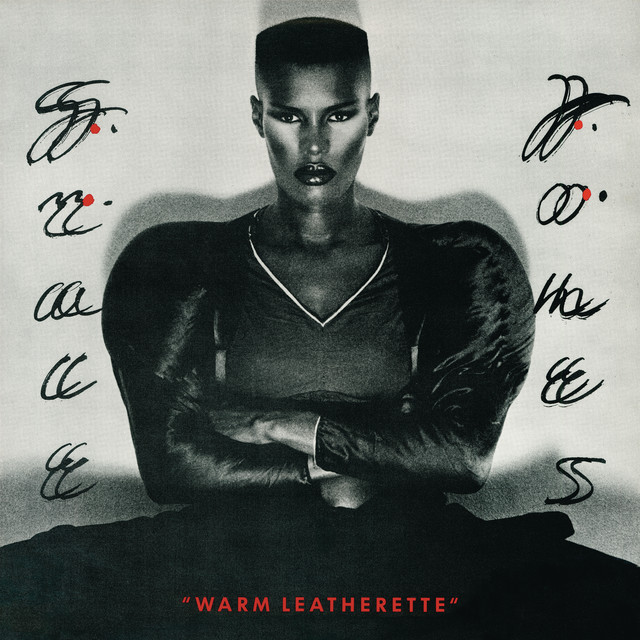
6. Warm Leatherette
That fuzz guitar riff, man, it’s like a sermon delivered through a blown-out amp. This isn't just early rock; it’s gospel-infused, gritty, and utterly irresistible. Greenbaum melds blues rock with an evangelical fervor, but without the usual piety. It’s irreverent and righteous all at once. When Sonoma gets quiet, this track fills the air with its raw, almost spiritual energy. A true one-off, a classic.
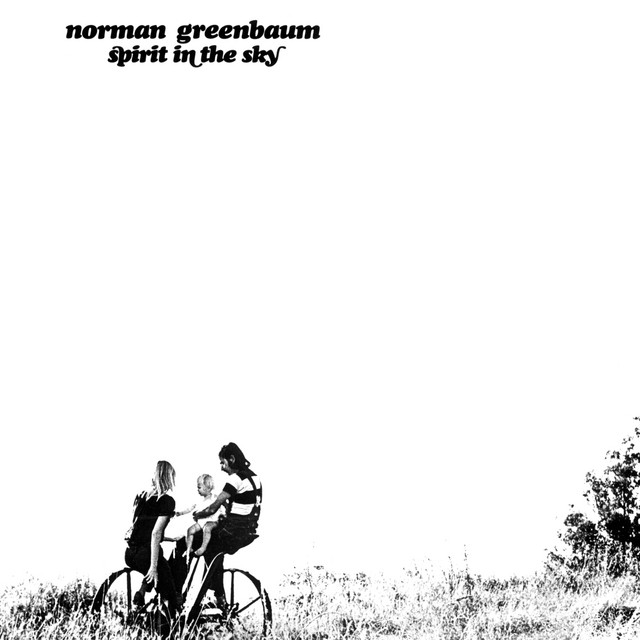
7. Spirit In The Sky (Deluxe Edition)
The Godfather of Soul, laying down the funk blueprint. Every instrument is a drum, every beat a command. This is about precision, groove, and that undeniable call-and-response. It’s the sound of a band locked in, a foundational piece of soul and funk that still makes you move. Forget your inhibitions; this is raw, sweaty, communal energy. It ain't just a song; it’s a masterclass in rhythmic propulsion.

8. Mother Popcorn
Can at their most ethereal, a krautrock masterpiece that drifts rather than charges. It’s a shimmering, almost ambient tapestry woven with Damo Suzuki’s gentle incantations. The rhythms are subtle, hypnotic, pulling you into a dreamlike state. This is early electronic minimalism applied to rock instrumentation, creating something truly timeless. When the world outside slows, this is the soundtrack for introspection, a deeply immersive experience.

9. Future Days (Remastered Version)
Ah, the modern alchemy of 'slowed + reverb.' While the original Blondie track was new wave disco, this re-contextualization turns it into something else entirely. It’s spectral, almost industrial in its cold, drawn-out textures. Debbie Harry’s rap gains a new, eerie gravitas, suspended in an unnerving sonic space. It’s a testament to how fundamental elements can be stretched, warped, and reborn as something profoundly atmospheric and dark.
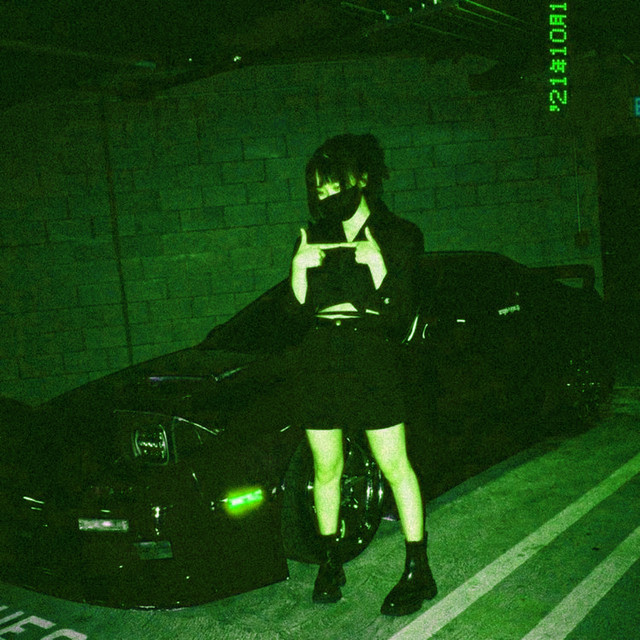
10. RAPTURE (Slowed + Reverb)
Pure, unadulterated post-punk urgency. Richard Lloyd and Tom Verlaine’s guitars intertwine, precise and angular, cutting through the air like razor wire. It’s the intellectual edge of punk, built on a bebop-like improvisation but channeled through a rock sensibility. The energy is coiled, ready to spring. This isn't about noise; it's about craft, tension, and release. A foundational statement for anyone who ever thought rock could be smart.