
1 / 11
1. Harakiri
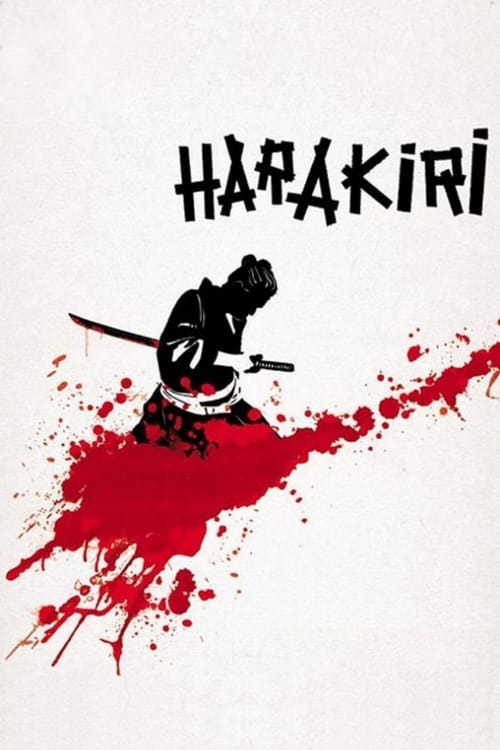
Masaki Kobayashi's 'Harakiri' isn't just a samurai film; it's a scathing indictment of feudal honor and institutional cruelty, delivered with a precision that carves into your soul. The 1962 original, in stark black and white, uses its methodical pacing and intense performances to build a tragedy of epic proportions. You won't find this depth easily recommended by an algorithm parsing genre tags, yet its power resonates across generations, proving some stories are timeless because they dissect the timeless flaws of humanity.
2 / 11
2. Perfect Blue
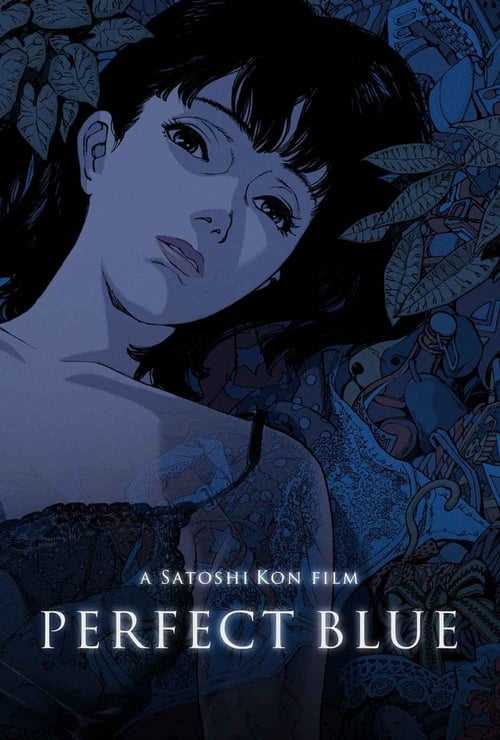
Satoshi Kon’s 'Perfect Blue' from 1998 remains a chilling, prescient masterpiece. It plunges into the psychological horrors of celebrity, identity, and the blurring lines between reality and delusion long before social media amplified these anxieties. The anime's intricate narrative and dizzying visuals are a masterclass in psychological horror, making it a crucial watch for anyone interested in the genre's boundaries. A recommendation engine might see 'anime' and suggest something light; it would be catastrophically wrong here.
3 / 11
3. The Wailing
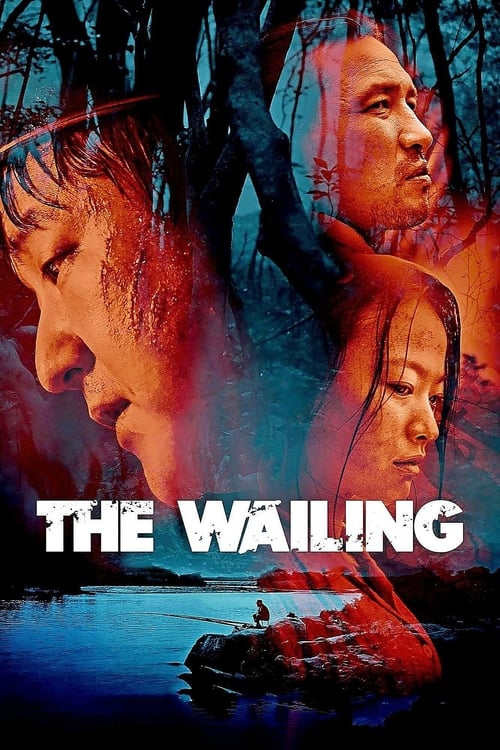
Na Hong-jin's 'The Wailing' is a Korean horror epic that defies easy categorization. It's a relentless descent into paranoia, suspicion, and supernatural dread, where every answer only begets more terrifying questions. The 2016 film masterfully blends police procedural with folk horror, creating an atmosphere of inescapable malevolence. Streaming platforms struggle with films that demand this level of sustained tension and ambiguity, preferring clear-cut narratives. But 'The Wailing' thrives in its refusal to offer simple explanations.
4 / 11
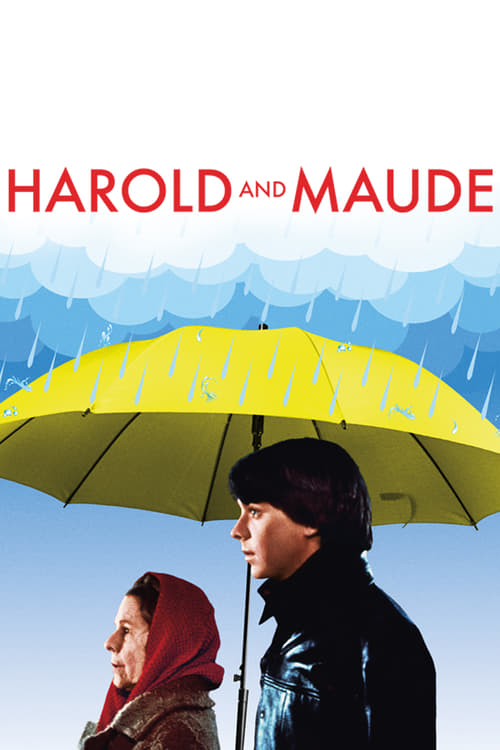
4. Harold and Maude
Hal Ashby’s 1971 'Harold and Maude' is a dark comedy with a heart of gold, celebrating life and challenging societal norms through the most unlikely of romances. Its quirky charm and profound existential musings are a balm for the soul, but also a challenge for an algorithm. How do you categorize a film about a death-obsessed young man and an octogenarian free spirit? It's too unique, too genuinely human, to be reduced to a recommendation based on mere metadata.
5 / 11

5. Cure
Kiyoshi Kurosawa's 1997 'Cure' is a slow-burn Japanese psychological horror that weaponizes existential dread. It's not about jump scares; it's about the insidious unraveling of identity and morality, sparked by a mysterious drifter. The film’s unsettling atmosphere and philosophical underpinnings are deeply disturbing, leaving a lasting impression. This isn't blockbuster horror. Its brilliance lies in its subtlety and intellectual terror, qualities often overlooked by algorithms prioritizing mainstream appeal or overt thrills.
6 / 11
6. The Vanishing
George Sluizer's original 1988 Dutch-French thriller, 'The Vanishing' (Spoorloos), is one of cinema's most chilling explorations of obsession and psychological torment. It's a film about a man desperately searching for his missing girlfriend, leading to an incredibly disturbing resolution. The power of this version lies in its unyielding, bleak ending that refuses to compromise. Algorithms might try to steer you to feel-good mysteries, completely missing the profound, unsettling genius of this film's psychological depth.
7 / 11

7. The Host
Bong Joon-ho’s 'The Host' from 2006 is a monster movie with brains and heart, blending creature feature thrills with sharp social commentary and genuinely moving family drama. It’s an action-packed spectacle that also critiques government ineptitude and environmental neglect. This isn't just a fun creature feature; it's a meticulously crafted film that juggles multiple tones effortlessly. Streaming algorithms often pigeonhole films into single genres, missing the rich, layered experience of something like 'The Host'.
8 / 11
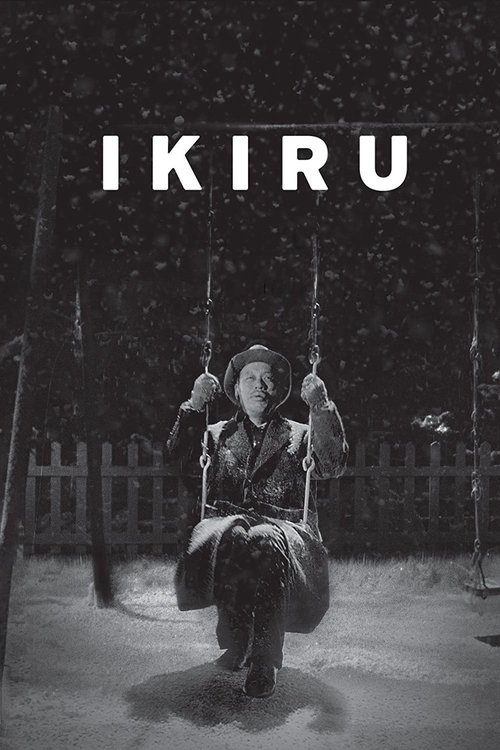
8. Ikiru
Akira Kurosawa's 'Ikiru' (1952) is a deeply moving human drama about a bureaucrat confronting his mortality and finding purpose in his final days. It’s a profound meditation on life, death, and the quiet dignity of making a difference. The film's emotional resonance comes from its understated power and universal themes, a testament to Kurosawa's genius beyond his samurai epics. Algorithms, focused on 'what you watched next,' rarely surface such profoundly impactful, yet slow-burn, character studies.
9 / 11

9. Dogtooth
Yorgos Lanthimos's 2009 'Dogtooth' is a masterclass in unsettling, darkly comedic dystopia. It depicts a family so isolated from the world that their parents have created an utterly bizarre, warped reality for their adult children. This Greek film is a provocative, intellectual challenge, brimming with surrealism and social critique. It's precisely the kind of boundary-pushing, art-house cinema that algorithms, built on predictable patterns, struggle to recommend, often burying it under more conventional titles.
10 / 11
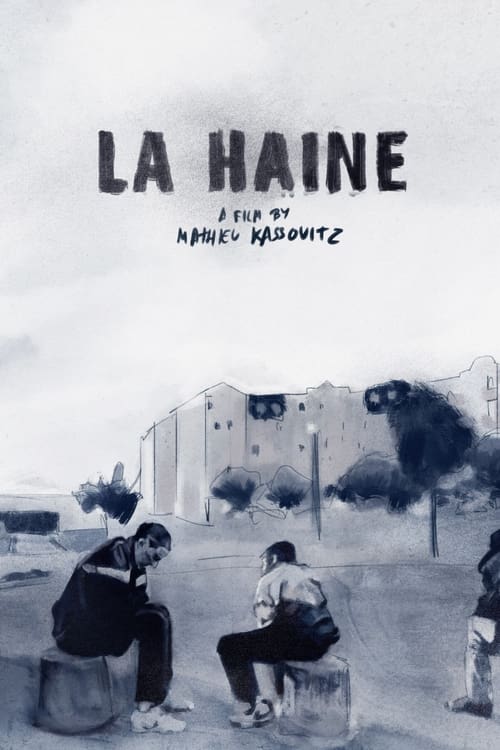
10. La Haine
Mathieu Kassovitz’s 1995 'La Haine' captures a raw, visceral snapshot of disaffected youth in the Parisian banlieues. Shot in stunning black and white, it follows three friends over 24 tense hours, exploding with social commentary on police brutality, poverty, and systemic racism. This film isn't just a drama; it's a vital historical document and an electrifying piece of cinema. Algorithms might classify it as 'foreign drama,' but they miss its explosive energy and enduring relevance.
11 / 11

11. The Holy Mountain
Alejandro Jodorowsky's 1973 'The Holy Mountain' is a psychedelic, surrealist odyssey unlike anything else. It's a visually audacious, spiritually charged allegory that demands an open mind and a willingness to be completely overwhelmed. This film isn't for passive viewing; it's an experience. Recommendation engines would be completely baffled by its genre-defying, experimental nature, proving that true cinematic originality often exists far outside the neat boxes algorithms try to create.