

1 / 12
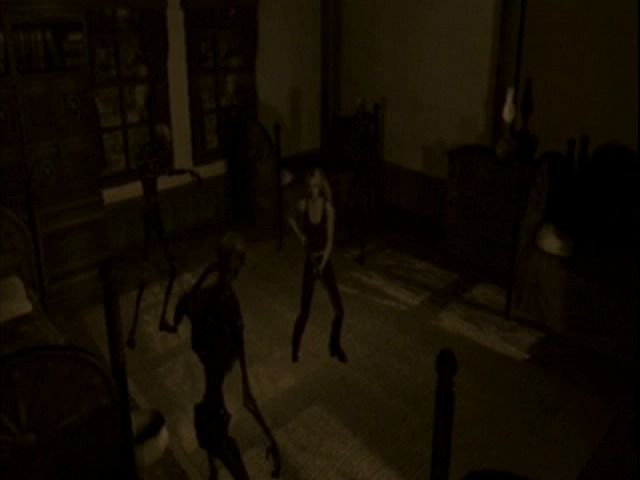
1. Eternal Darkness: Sanity's Requiem
Nintendo publishing a true psychological horror game in 2002? Wild times. Eternal Darkness wasn't just scary; its groundbreaking sanity effects genuinely messed with your head, bending the game itself in ways no title had before. It was innovative, clever, and never relied on cheap jump scares, proving how narrative and mechanics can intertwine for a truly unique experience. Still essential for anyone wanting to see subversive, brilliant game design that puts many modern horror titles to shame.
2 / 12
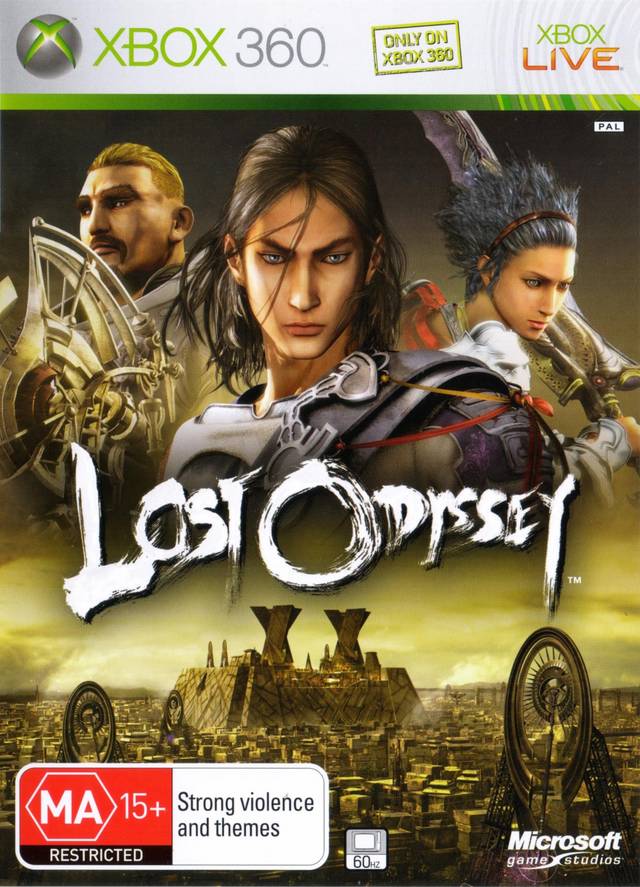
2. Lost Odyssey
JRPGs on the Xbox 360 were a rarity, and in 2007, Lost Odyssey was meant to be the console's answer. With Sakaguchi and Uematsu, it delivered a mature, melancholic story about immortals. But it landed in a generation obsessed with Western RPGs and multiplayer, its turn-based combat and long cutscenes feeling 'old-fashioned.' Yet, its emotional depth and '1000 Years of Dreams' remain unparalleled, a testament to a different era of storytelling that proves sometimes, slower is infinitely better.
3 / 12

3. Deadly Premonition
Oh, Deadly Premonition from 2010. It’s a technical disaster, an absolute mess of jank and clunky mechanics. But it's a *charming* mess. York and Zach's bizarre banter, the unsettling small-town mystery, the strangely compelling open world – it all adds up to something truly unique. People dismissed it for its rough edges, missing the sheer artistry in its weirdness, a game so unpolished it became a diamond. It shows artistic vision can triumph over technical perfection.
4 / 12
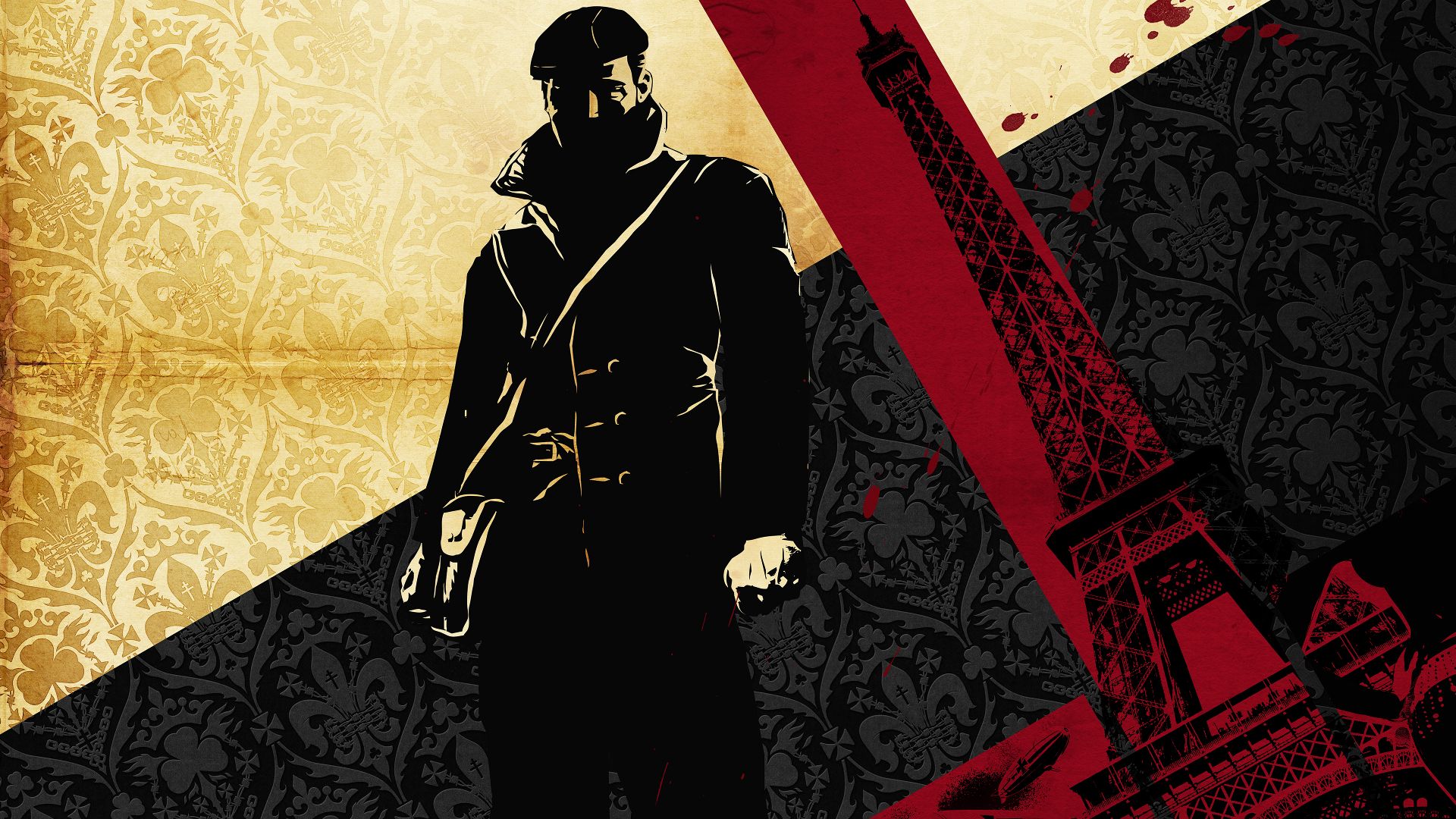
4. The Saboteur
Pandemic's swan song in 2009, and what a way to go. The Saboteur had style for days: a black-and-white occupied Paris that bled color as you liberated districts. It was a solid open-world game with satisfying stealth and explosive action, but it just got lost in the flood of GTA clones. Maybe it was the timing, maybe the publisher issues, but it deserved more recognition for its unique visual storytelling and gritty, pulp-noir vibe. A genuinely cool game unfairly overlooked.
5 / 12
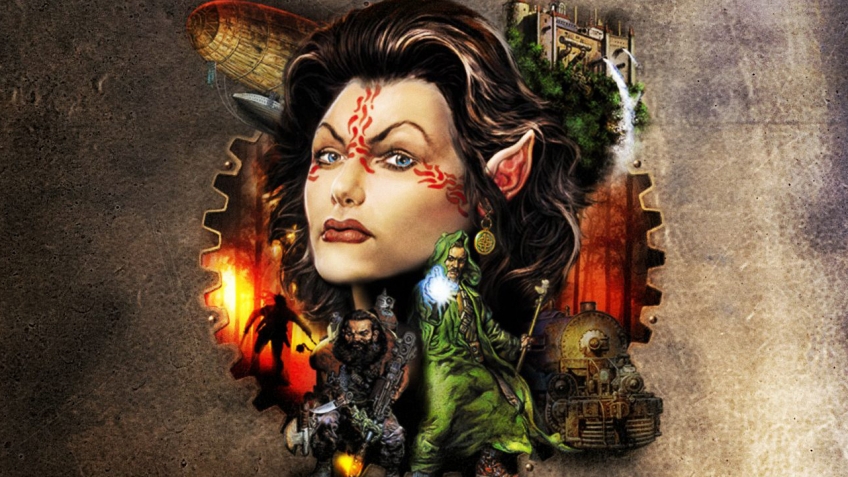
5. Arcanum: Of Steamworks and Magick Obscura
Troika Games. Say no more. Arcanum (2001) was a buggy, ambitious masterpiece. It dared to blend high fantasy with industrial steampunk, offering unparalleled player choice and reactivity. Most remember the bugs and clunky UI, but under that rough exterior was an RPG with incredible world-building and consequences for every decision, even your character's tech-magic alignment. It’s a stark reminder of what deep, complex RPGs used to be, before 'streamlined' became a buzzword.
6 / 12
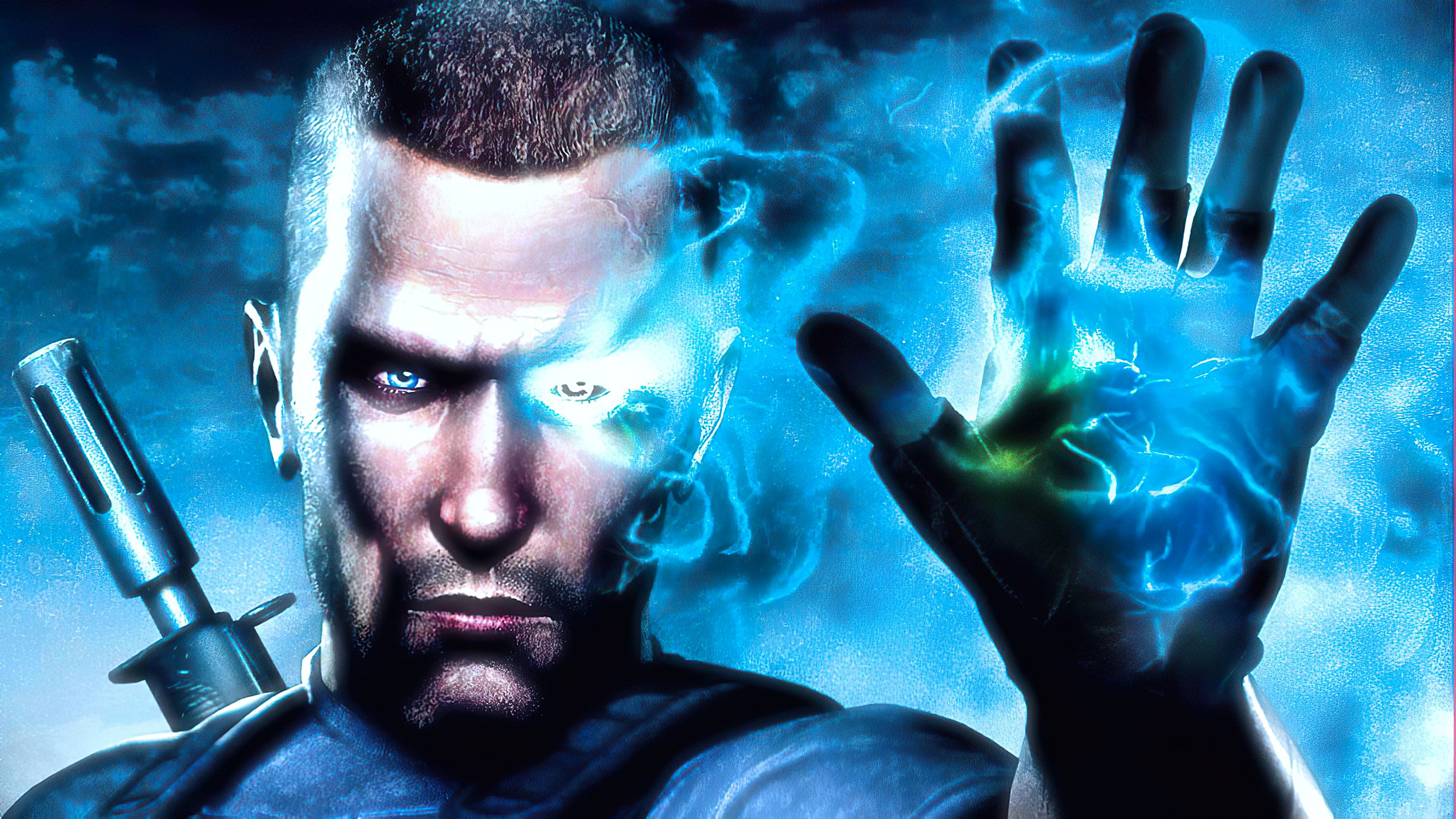
6. Psi-Ops: The Mindgate Conspiracy
Psi-Ops (2004) was wildly ahead of its time. Seriously. It put telekinesis at the forefront of gameplay, letting you hurl enemies, manipulate objects, and just generally mess with physics in ways few games attempted then. It had a pulpy sci-fi vibe and satisfying combat, but it felt like it just vanished. Maybe it lacked a big marketing push, or got overshadowed by more conventional shooters. Still, its core psychic mechanics are something modern games could learn a lot from. Pure, unadulterated fun.
7 / 12
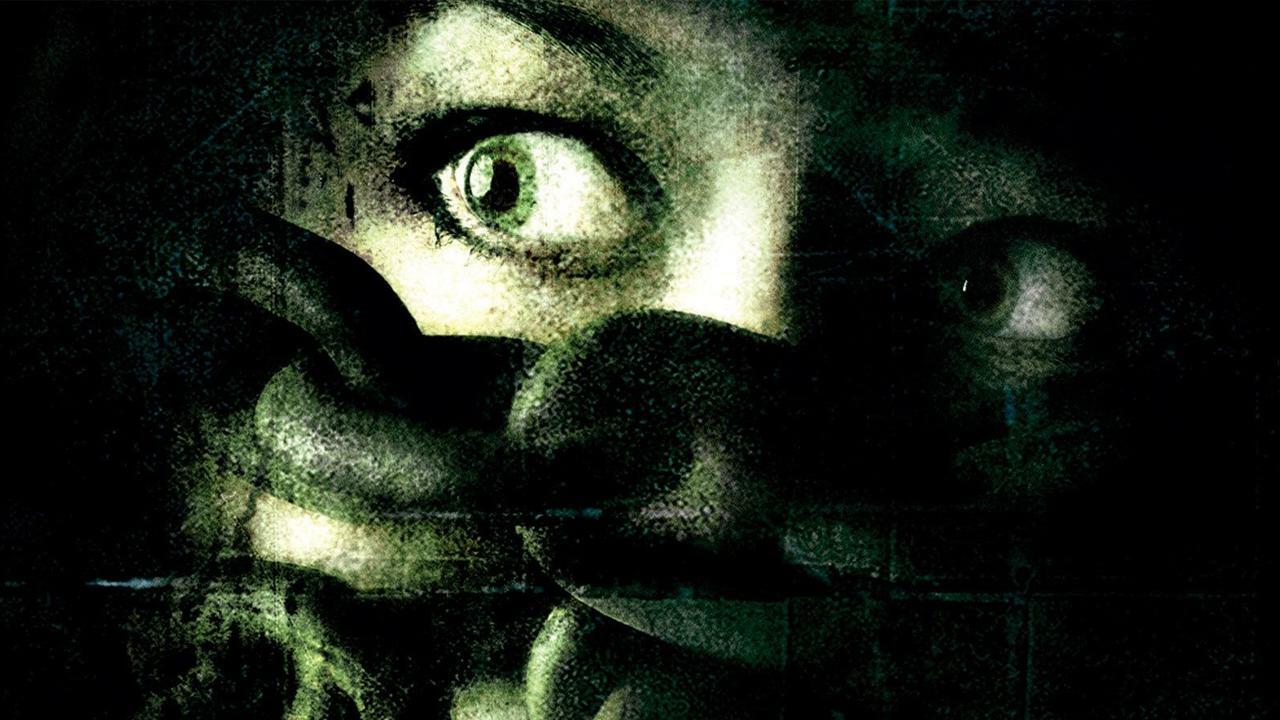
7. Condemned: Criminal Origins
A 2005 Xbox 360 launch title that genuinely scared people. Condemned wasn't just jump scares; it was the brutal, visceral melee combat and the unsettling atmosphere of decaying urban environments. It put you in a detective's shoes, investigating gruesome scenes, then forced you into horrifying close-quarters fights. It was grimy, intense, and incredibly effective, a true psychological horror gem that unfortunately never quite found the mainstream success it deserved, but absolutely should have.
8 / 12
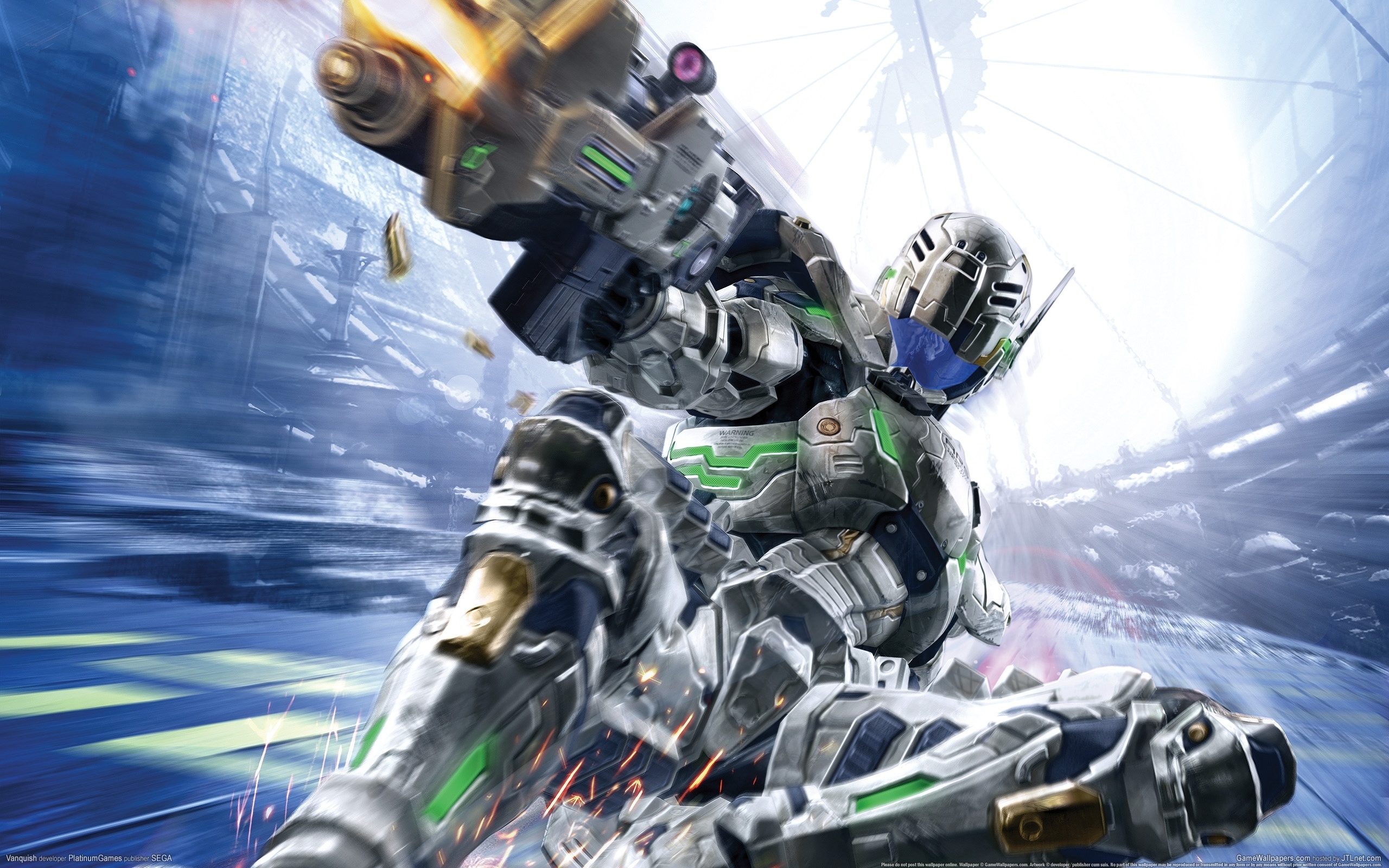
8. Vanquish
PlatinumGames delivered pure adrenaline with Vanquish in 2010. It was a third-person shooter that moved at a million miles an hour, with incredible sliding mechanics and a bullet-time system that felt revolutionary. Its hyper-stylized action and over-the-top boss fights were a masterclass in gameplay spectacle. Critics praised it, but it didn't sell gangbusters. Maybe its frantic pace was too much for some, or it just got lost in the holiday rush. Still, a benchmark for fast, fluid action.
9 / 12
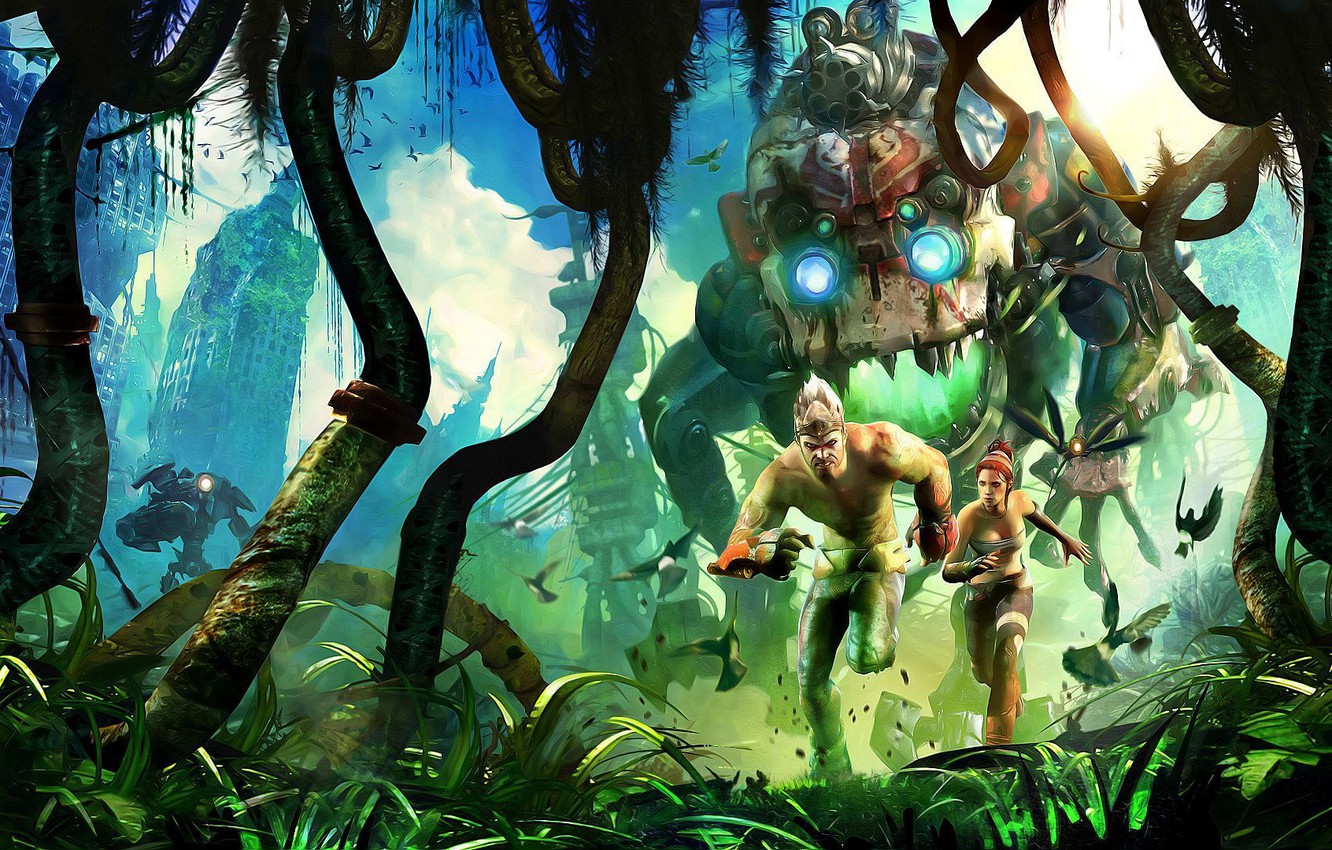
9. Enslaved: Odyssey to the West
Ninja Theory’s Enslaved (2010) told a beautiful, character-driven story in a post-apocalyptic world reclaimed by nature. Its platforming and combat were solid, but the real star was the evolving, nuanced relationship between Monkey and Trip. It was cinematic, heartfelt, and visually stunning, yet it struggled to find an audience. Maybe its linear design felt dated to some, or it didn't fit neatly into a genre box. A poignant adventure that proves strong narratives still matter, deeply.
10 / 12
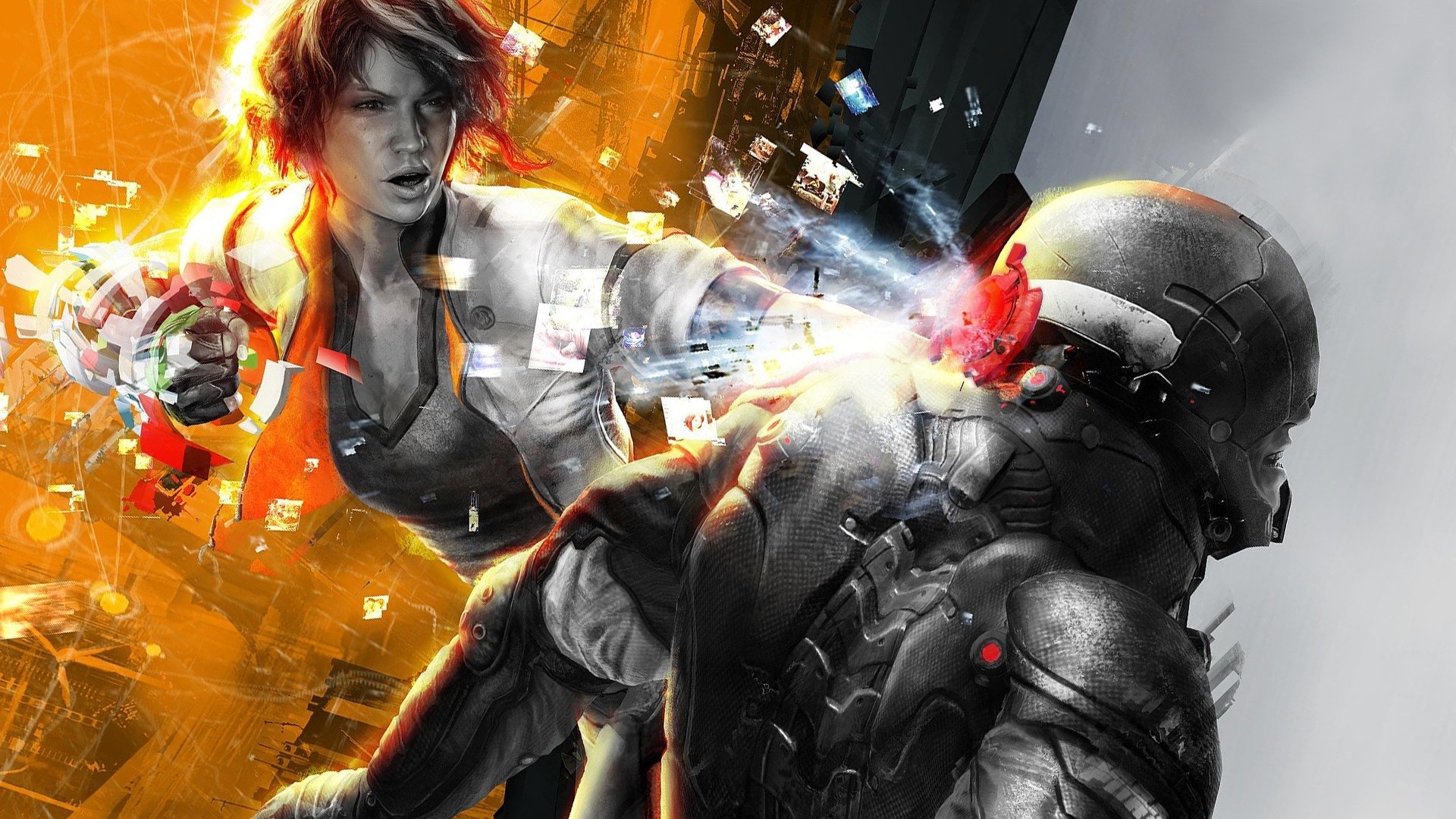
10. Remember Me
Before Life is Strange, Dontnod gave us Remember Me in 2013. Neo-Paris in 2084, memory manipulation, a compelling female protagonist – it had style and a genuinely interesting premise. The combat system was innovative, letting you build combos, but felt a little clunky. As a single-player, story-driven action game launched in an era obsessed with multiplayer and open-worlds, it got overlooked. A fascinating, if flawed, vision of a cyberpunk future that absolutely deserved more attention.
11 / 12

11. Xenosaga Episode III: Also sprach Zarathustra
Xenosaga Episode III (2006) was the epic conclusion to a sprawling, ambitious JRPG saga that probably should've been six games long. It tried to wrap up an incredibly dense, philosophical narrative, and for those who stuck with it, it delivered. But the series was always niche, and by this point, the PS2 was winding down. It’s a testament to Monolith Soft's incredible storytelling, even if it feels rushed. Essential for understanding the full scope of a truly grand narrative ambition.
12 / 12
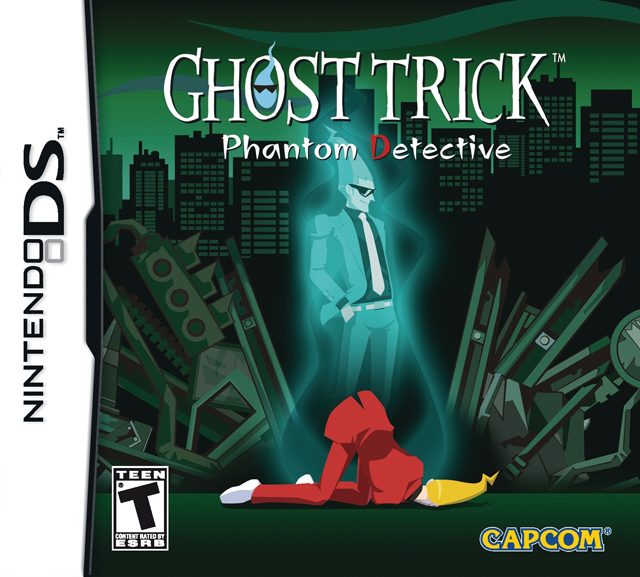
12. GHOST TRICK: Phantom Detective
Shu Takumi, the genius behind Ace Attorney, crafted Ghost Trick for the DS in 2010. It was a point-and-click puzzle adventure with a truly unique premise: you're a ghost solving your own murder by possessing objects and manipulating time. Its animation was incredible, the characters memorable, and the story absolutely captivating. But it was on the DS when everyone was looking to new consoles. A masterclass in creative storytelling and puzzle design, a quirky gem that proves innovation thrives.