
1 / 9
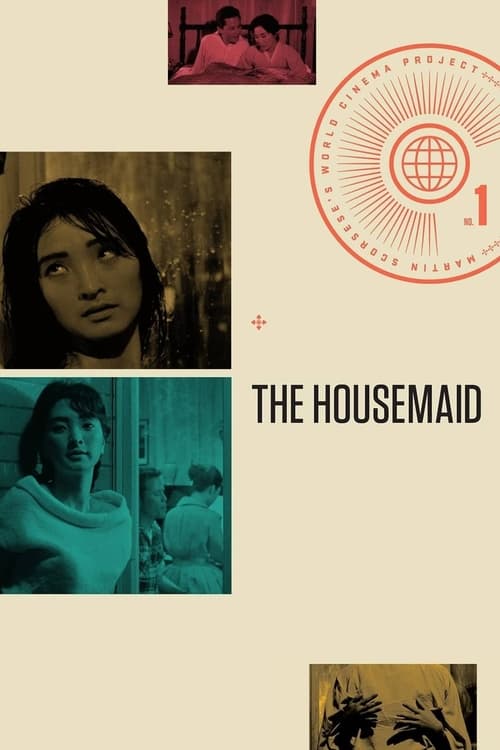
1. The Housemaid
Kim Ki-young’s original vision is a relentless, darkly comedic psychological thriller that subverts domestic sanctity. It’s a masterclass in escalating tension, where class anxieties and sexual repression fester within a seemingly ideal middle-class home. The film’s audacious visual language and the unsettling performances create an atmosphere of suffocating dread, making it a foundational work of South Korean cinema often overshadowed by its more contemporary counterparts. Moreover, its commentary on societal structures remains startlingly potent.
2 / 9

2. A Woman Under the Influence
John Cassavetes, with Gena Rowlands at his incandescent best, crafts an unflinching portrait of a woman grappling with mental illness and the pressures of domesticity. The film’s cinéma vérité style lends an almost unbearable authenticity to Mabel’s spiral, capturing the raw, improvisational feel of real life. It’s a profound exploration of love, madness, and the boundaries of compassion within a marriage, challenging viewers to confront uncomfortable truths about societal expectations and the human psyche. This is essential, transformative cinema.
3 / 9
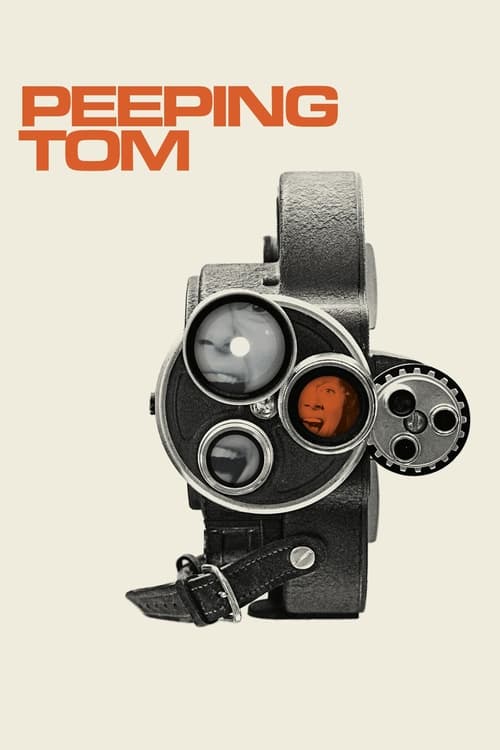
3. Peeping Tom
Michael Powell’s chilling examination of voyeurism and the act of filmmaking was critically reviled upon release, effectively ending his career. Yet, its prescience and psychological depth have since been recognized. The story of a serial killer who films his victims’ dying moments acts as a meta-commentary on the audience's complicity in spectating violence, particularly through the lens of cinema. It’s a bold, disturbing, and intellectually rigorous work that predates and rivals many of its more famous contemporaries in exploring the dark side of looking.
4 / 9
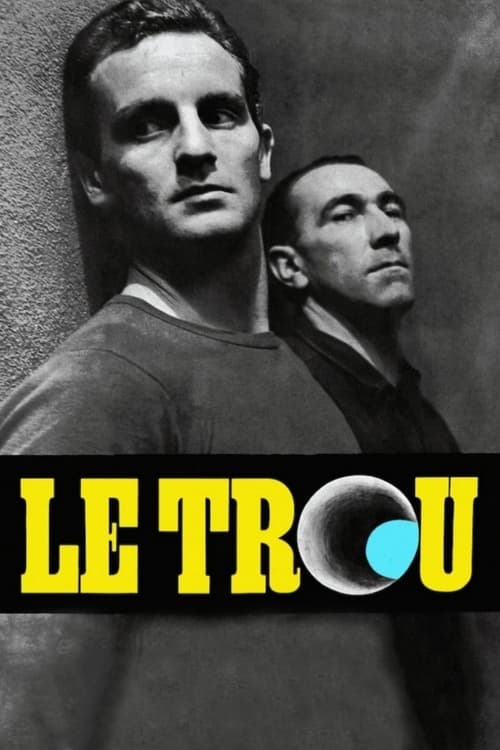
4. Le Trou
Jacques Becker's final film is a masterpiece of procedural tension, depicting a meticulously planned prison escape in near real-time. Based on true events, it foregrounds the painstaking details and camaraderie among the inmates, transforming mundane acts into moments of gripping suspense. The absence of a musical score and the focus on the physical mechanics of the escape lend it an unparalleled realism. It’s a testament to human ingenuity under duress and a powerful example of how minimalist storytelling can achieve maximum impact.
5 / 9
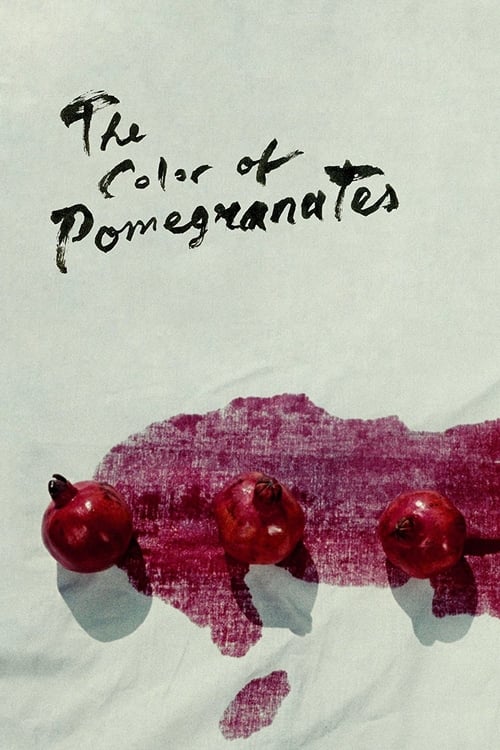
5. The Color of Pomegranates
Sergei Parajanov’s biographical meditation on the Armenian poet Sayat-Nova is less a narrative and more a series of stunning, tableau-like visual poems. Suppressed by Soviet authorities for its perceived formalism and lack of socialist realism, the film defies conventional storytelling, instead immersing the viewer in a dreamlike tapestry of religious symbolism, folk art, and vibrant colors. It’s a hypnotic, almost mystical experience that showcases Parajanov’s unique auteurial vision, demanding a different kind of engagement than most cinema.
6 / 9
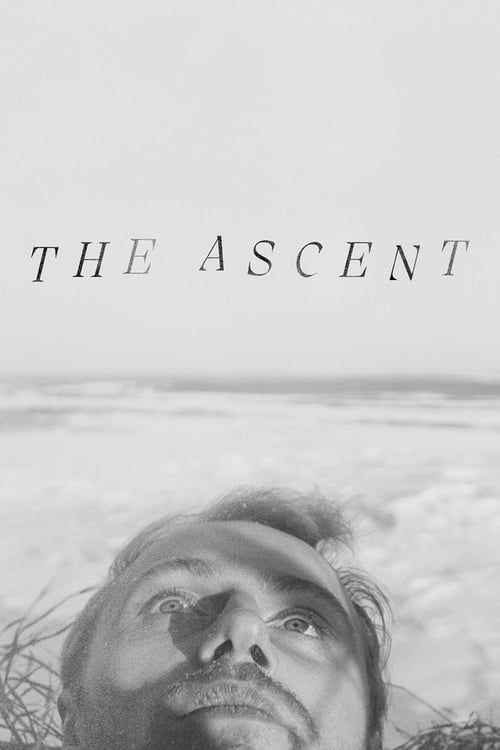
6. The Ascent
Larisa Shepitko’s final film before her tragic death is a harrowing and profoundly spiritual war drama. Set during World War II, it follows two Soviet partisans captured by the Germans, exploring their contrasting reactions to extreme duress and the face of death. Shot in stark black and white amidst a brutal winter landscape, it’s an unflinching examination of faith, betrayal, and human dignity. Shepitko’s masterful direction infuses the narrative with a timeless, allegorical power, making it an essential, yet often overlooked, anti-war statement.
7 / 9

7. Wake in Fright
Ted Kotcheff's brutal, sun-baked journey into the heart of masculine darkness is an unsettling masterpiece of Australian New Wave cinema. A schoolteacher’s planned stopover in a remote outback mining town devolves into a nightmarish descent into depravity and primal instinct. Its unflinching depiction of toxic masculinity, excessive drinking, and kangaroo hunting shocked audiences and led to its near-disappearance for decades. Rediscovered and restored, it remains a visceral, unforgettable psychological thriller that exposes the raw underbelly of a culture.
8 / 9
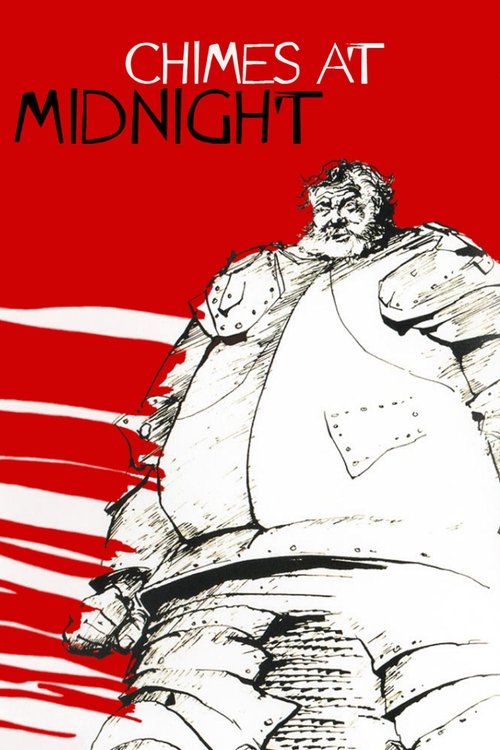
8. Chimes at Midnight
Orson Welles considered this his finest achievement, and for good reason. It’s a deeply personal adaptation of Shakespeare, weaving together several plays to focus on the tragicomic figure of Sir John Falstaff and his relationship with Prince Hal. Welles’s direction is inventive and poignant, particularly in the muddy, chaotic battle sequences. The film is a lament for lost innocence, the end of an era, and the universal experience of betrayal by those we love. It’s a powerful, elegiac work that deserves far more recognition.
9 / 9

9. Sweet Sweetback's Baadasssss Song
Melvin Van Peebles' fiercely independent and groundbreaking film is a cultural lightning rod. Written, directed, scored, and starring Van Peebles, it tells the story of a Black man on the run from corrupt white authorities. Made outside the Hollywood system, it defied conventions, delivering a raw, unapologetic narrative that empowered Black audiences and became a foundational text for the Blaxploitation movement. It’s a revolutionary act of cinema, a visceral cry for liberation, and a potent reminder of film’s power to incite change.